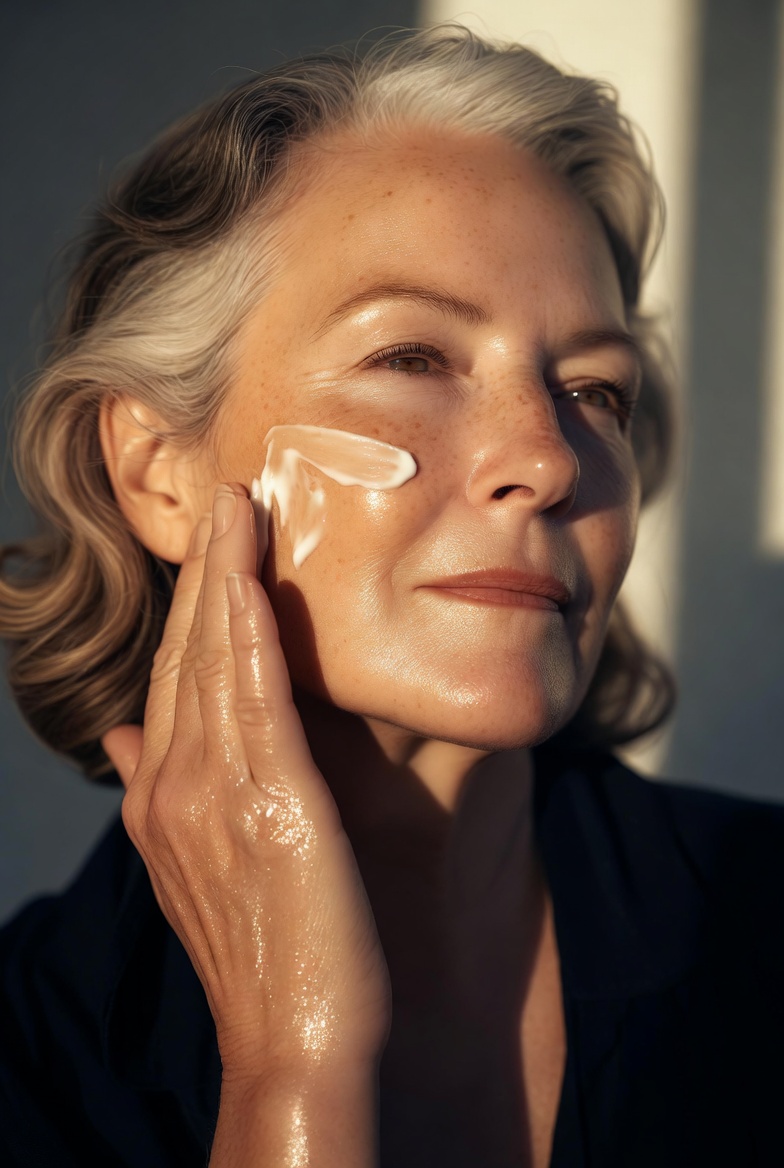

Let me tell you about the summer I learned my lesson the hard way.
It was July, scorching hot, and I was at a beach wedding. I thought I was being smart—I wore a floppy hat and sat under an umbrella. But I forgot to reapply sunscreen. By evening, my shoulders looked like lobsters. By morning, my face was peeling in sheets.
That wasn’t even the worst part. For months afterward, my skin felt different. Oily in some places, dry and flaky in others. New dark spots appeared on my cheeks. And no matter what I tried, my makeup melted off by noon.
That summer taught me something crucial: Summer skin care isn’t just about sun protection. It’s about adapting your entire routine to heat, humidity, sweat, and increased oil production. What works in winter will often fail—or even harm—your skin in summer.
In this guide, I’ll share every summer skin care tip I wish I’d known before that wedding. These are practical, easy-to-follow, and perfect for hot weather. No heavy creams. No complicated steps. Just real solutions for real summer problems.
How Summer Changes Your Skin (And Why You Need a New Routine)
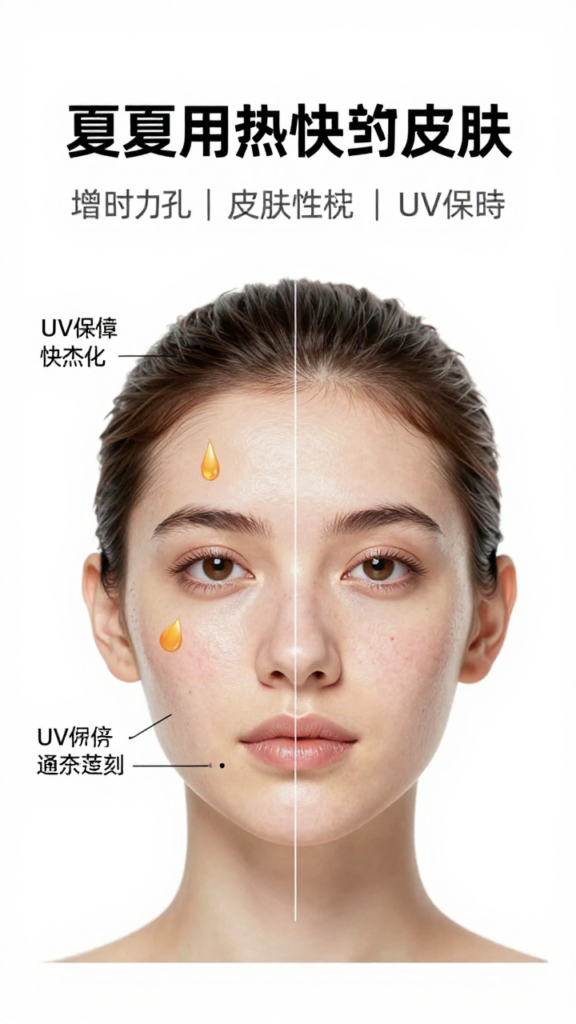
When temperatures rise, your skin goes through several changes:
- Increased sebum production: Heat stimulates oil glands. That’s why your face feels greasier by 11 AM.
- More sweating: Sweat mixes with oil and dead skin cells, clogging pores and causing breakouts.
- Dehydration: Even oily skin can become dehydrated in summer. Sweating removes water from your skin.
- Sun damage risk: UV rays are strongest between 10 AM and 4 PM. One bad burn accelerates aging significantly.
- Heat rash and irritation: Friction from sweat and clothing can cause tiny red bumps, especially on the neck, chest, and inner elbows.
The solution? A lighter, smarter, more protective routine. Here’s exactly how to build it.
Semantic keywords: summer skin care routine, sweat-proof sunscreen, oil control, heat rash prevention, lightweight moisturizer, mattifying products, post-sun care, aloe vera, gel-based cleanser, humidity-friendly makeup, sweat and sebum, non-comedogenic summer products.
Step-by-Step: Summer Skin Care Tips for Every Skin Type
Step 1: Switch to a Gentle, Oil-Control Cleanser
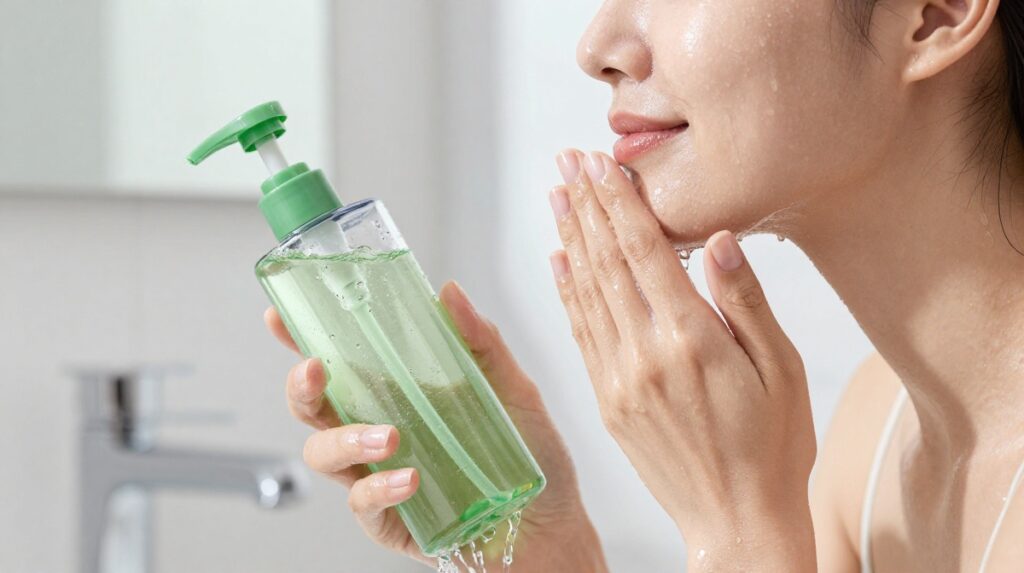
In winter, you might use a creamy, hydrating cleanser. In summer? That same cleanser can feel heavy and leave residue.
What to use instead: A gel-based or foaming cleanser that removes sweat, oil, and sunscreen without stripping.
Key ingredients to look for:
- Salicylic acid (for oily, acne-prone skin)
- Niacinamide (controls oil without drying)
- Green tea extract (soothes heat irritation)
My anecdote: I used to use the same cream cleanser year-round. In summer, my face felt “coated” after washing. When I switched to a simple gel cleanser with green tea, my skin felt clean but not tight. And my breakouts? Cut in half within two weeks.
How to wash in summer: Use lukewarm (not cold) water. Cold water doesn’t dissolve oil well. Massage for 60 seconds. Rinse thoroughly—any leftover cleanser can trap sweat and cause bumps.
Also Read:Your Face’s Best Friend: The Ultimate Guide to the Best Sunscreen for Face
Step 2: Exfoliate More Often (But Still Gently)
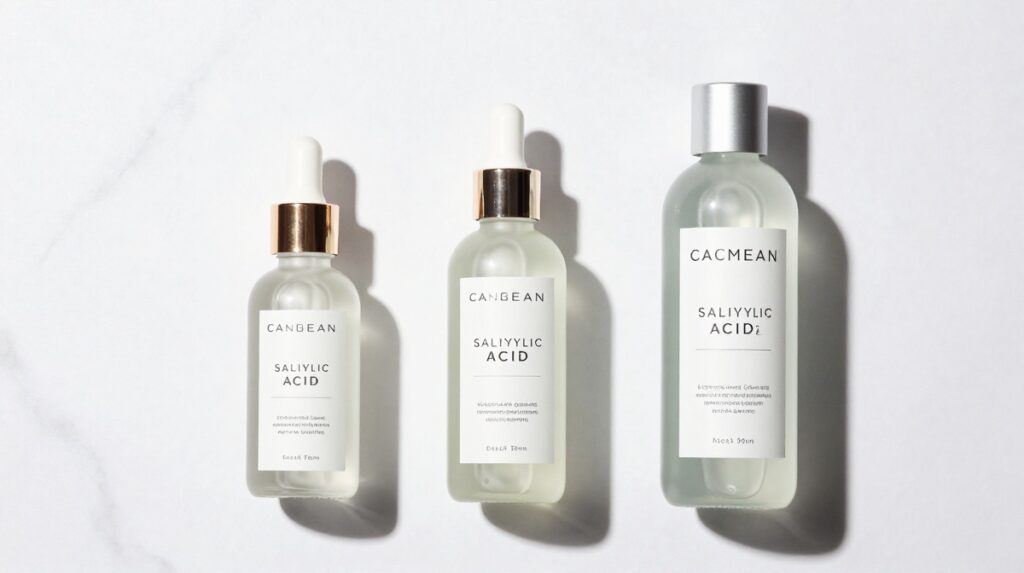
Summer heat speeds up cell turnover, but it also increases sweat and oil. Dead skin cells stick to sweaty skin more easily, clogging pores.
How often: 2–3 times per week (compared to 1–2 times in winter).
Best summer exfoliants:
- Salicylic acid (BHA): Oil-soluble, penetrates deep into pores. Perfect for summer blackheads.
- Lactic acid: Gentle, hydrating, won’t increase sun sensitivity much.
- PHA (polyhydroxy acids): Extremely gentle, safe for sensitive summer skin.
What to avoid: Heavy physical scrubs. Gritty particles + sweaty, irritated skin = micro-tears and inflammation.
Pro tip: Exfoliate in the evening. Your skin repairs itself overnight, and you won’t go outside with freshly exfoliated, sun-sensitive skin.
Step 3: Use a Lightweight, Water-Based Moisturizer
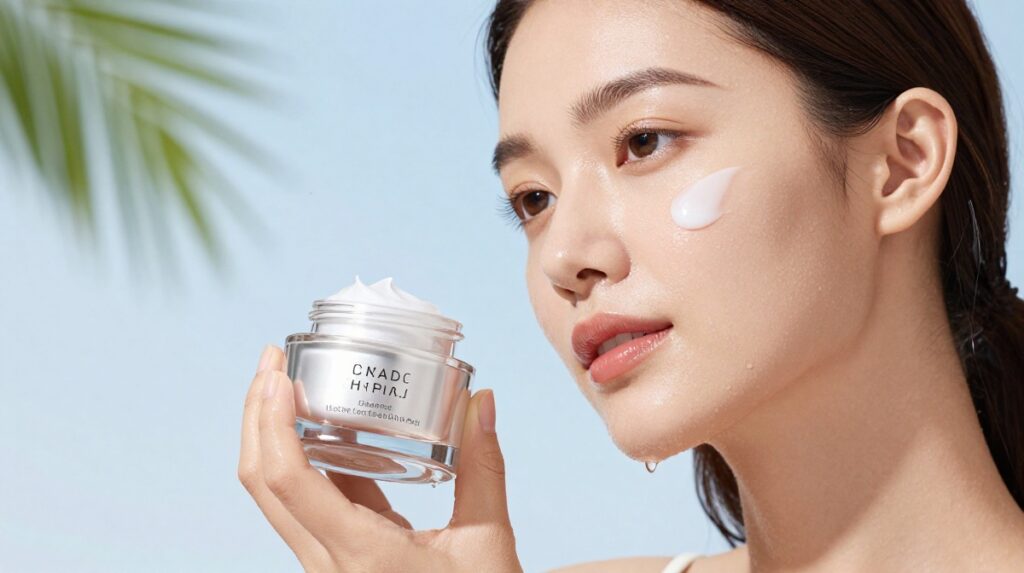
Here’s the biggest summer mistake I see: skipping moisturizer entirely because “my skin is oily anyway.”
Don’t do this. When you skip moisturizer, your skin becomes dehydrated. Dehydrated skin produces even more oil to compensate. You end up greasier than before.
What to use: A gel moisturizer, water cream, or oil-free lotion.
Look for these on the label:
- “Non-comedogenic” (won’t clog pores)
- “Oil-free” or “water-based”
- “Gel-cream” or “aqua gel”
Ingredients that shine (in a good way):
- Hyaluronic acid (hydrates without weight)
- Aloe vera (cooling, soothing)
- Niacinamide (oil control)
- Cucumber extract (calming)
My routine: In summer mornings, I use a water-based gel moisturizer that absorbs in 10 seconds. It feels like nothing on my skin, but my face stays comfortable all day. At night, I use the same one—no need for heavy creams when it’s humid.
Step 4: The Most Important Summer Skin Care Tip – Sunscreen (Done Right)
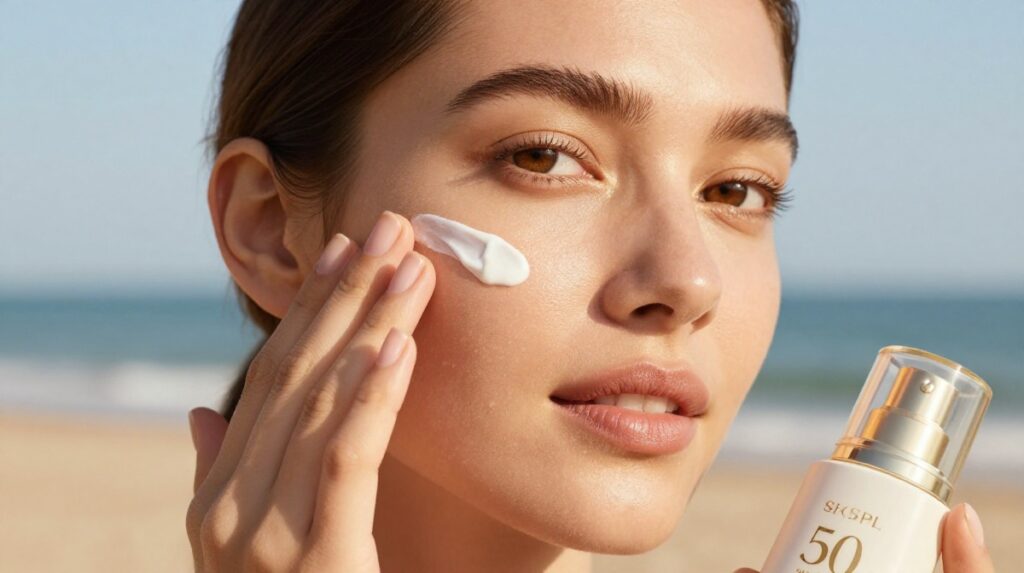
You already know you need sunscreen. But summer sunscreen requires a different approach than winter.
What to look for in summer sunscreen:
- SPF 50 or higher (winter SPF 30 may be fine, but summer sun is stronger)
- “Broad-spectrum” (protects against UVA aging rays and UVB burning rays)
- “Water-resistant” (80 minutes) – because you’ll sweat
- “Mattifying” or “velvet finish” – reduces shine
- “Non-comedogenic” – won’t clog sweaty pores
Mineral vs. chemical for summer:
- Mineral sunscreens (zinc oxide, titanium dioxide) sit on top of skin, reflect heat, and are less likely to sting sweaty skin. They can feel slightly thicker.
- Chemical sunscreens absorb UV rays and convert them to heat. In very hot weather, some people feel this added warmth. They are generally lighter in texture.
My summer sunscreen trick: I apply mineral sunscreen on my nose, cheeks, and chest (areas prone to dark spots) and chemical sunscreen everywhere else. Best of both worlds.
How to reapply over makeup: Use a sunscreen setting spray or powder sunscreen for midday touch-ups. Or simply wash your hands, blot your face with a tissue, and gently pat liquid sunscreen over your makeup.
Step 5: Add Antioxidants to Fight Heat Stress
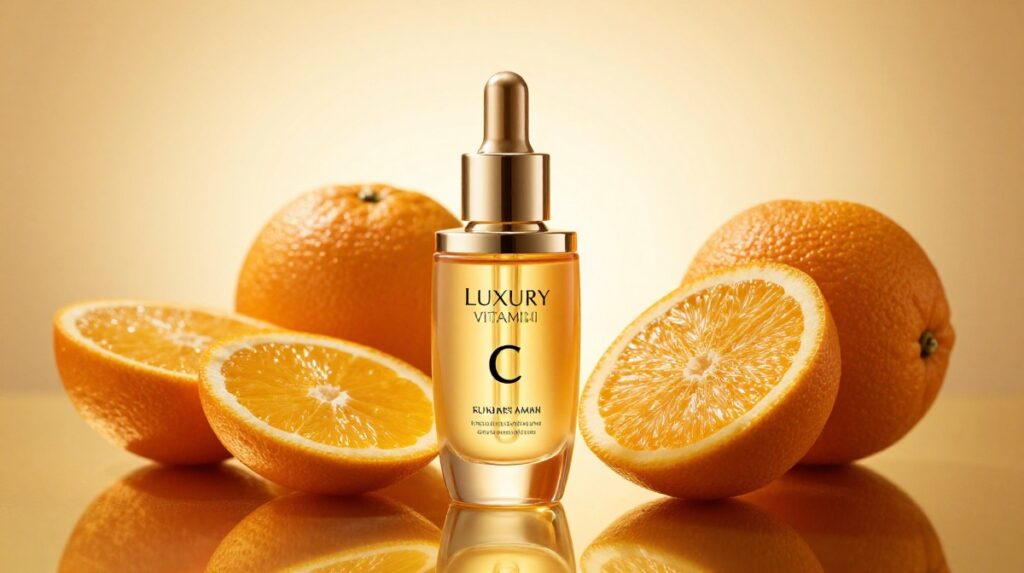
Heat and UV rays create free radicals—unstable molecules that damage collagen and DNA. Antioxidants neutralize them.
Best summer antioxidants:
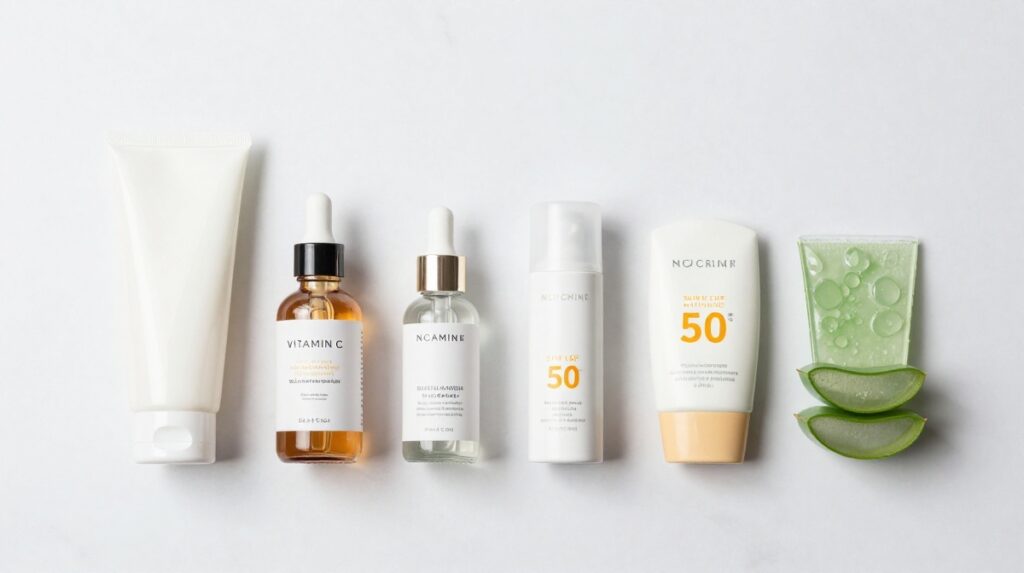
- Vitamin C (morning, before sunscreen)
- Niacinamide (morning or evening)
- Green tea extract (soothing + antioxidant)
- Resveratrol (found in grapes, very protective)
How to apply: After cleansing but before moisturizer and sunscreen. A few drops go a long way.
My anecdote: I started using a vitamin C serum every summer morning three years ago. Before that, my skin always looked “tired” by August—dull, uneven, slightly leathery. Now? My skin stays bright and bouncy all summer long.
Step 6: Treat Sweat and Heat Rash Immediately
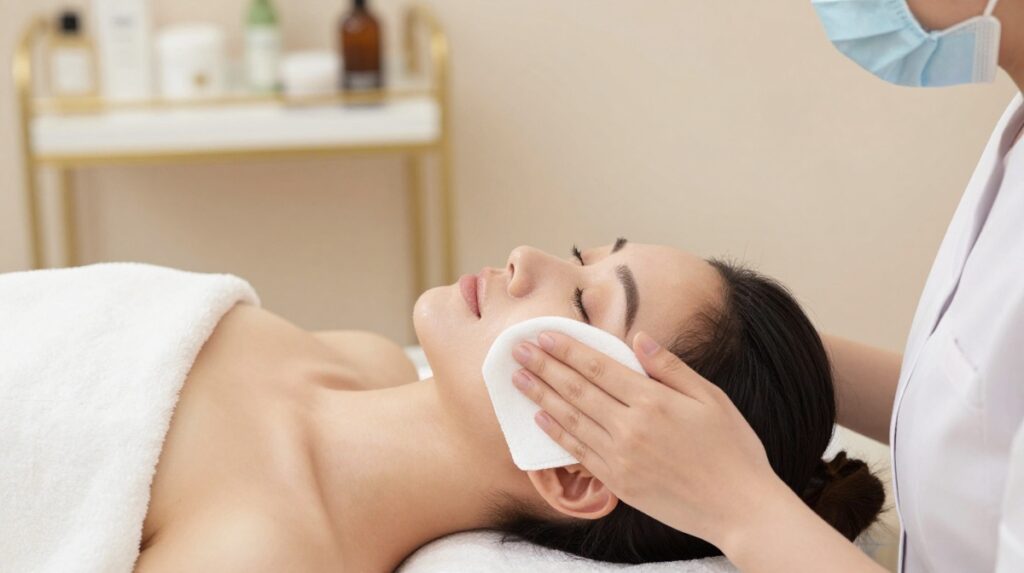
Heat rash (miliaria) happens when sweat ducts become blocked. It looks like tiny red or clear bumps, often on the neck, chest, back, or inner elbows.
How to prevent:
- Shower immediately after sweating heavily
- Wear loose, breathable fabrics (cotton, linen)
- Use a gentle, fragrance-free body wash
How to treat:
- Apply cool compresses for 10 minutes
- Use calamine lotion or hydrocortisone cream (1% OTC) for itching
- Avoid heavy creams or oils on the affected area
- Stay in air conditioning until it clears
When to see a doctor: If bumps become painful, ooze yellow fluid, or are accompanied by fever.
Step 7: Post-Sun Care – Soothe and Repair
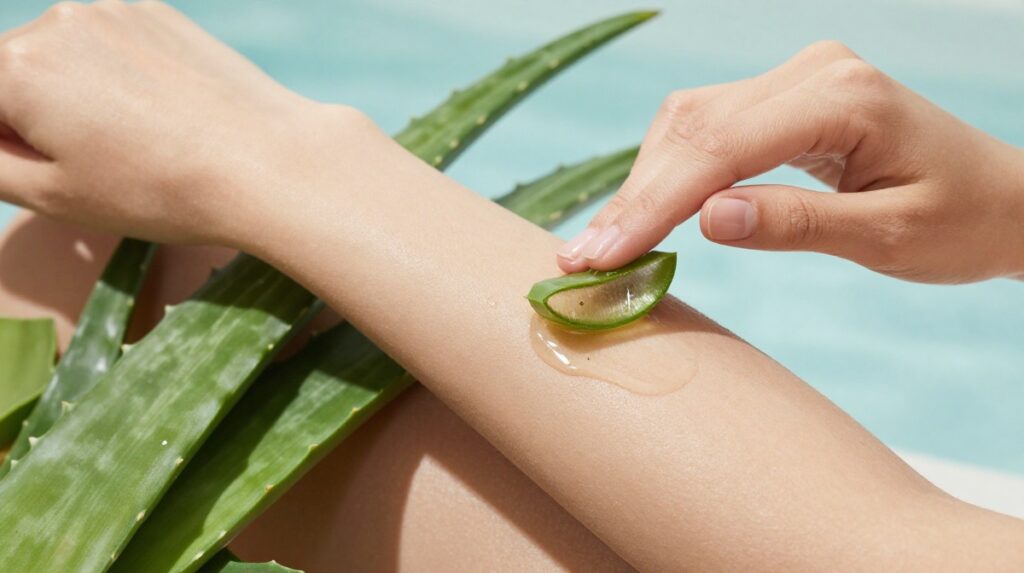
Even with perfect sunscreen use, you’ll get some sun exposure. Post-sun care is essential.
Immediately after sun exposure:
- Cool (not cold) shower – hot water worsens inflammation.
- Apply pure aloe vera gel – keep a bottle in the refrigerator for extra cooling.
- Hydrate from inside – drink extra water for 24 hours.
- Skip actives (retinol, acids) for 2–3 days on sun-exposed skin.
If you get burned (red, painful skin):
- Apply cool, damp cloths for 15 minutes several times daily
- Use aloe vera with lidocaine (numbing) for pain relief
- Take ibuprofen to reduce inflammation
- Drink electrolyte drinks (sunburn draws fluid to skin surface, away from your core)
- Never apply ice directly, butter, or petroleum jelly (traps heat)
Step 8: Adjust Your Body Care for Summer
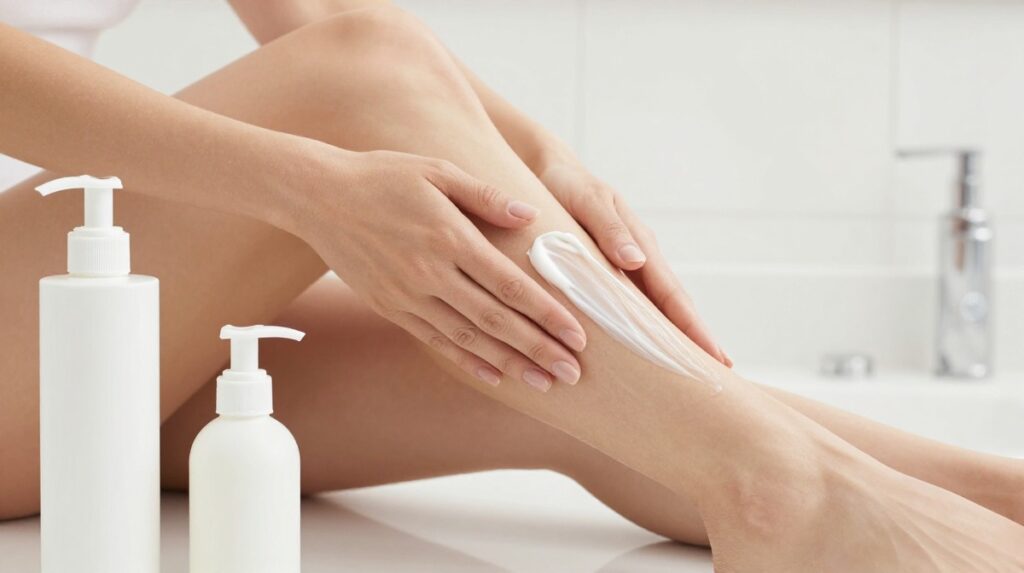
Your face isn’t the only skin that needs summer love.
Body exfoliation: Use a gentle body scrub or exfoliating gloves 1–2 times weekly to prevent “strawberry skin” (clogged pores on arms and legs).
Lightweight body lotion: Switch from heavy body butter to a spray lotion or gel moisturizer for your body.
Don’t forget: Back of neck, tops of feet, ears, part line in hair, and hands (which show age faster than your face).
Sample Daily Summer Skin Care Routine
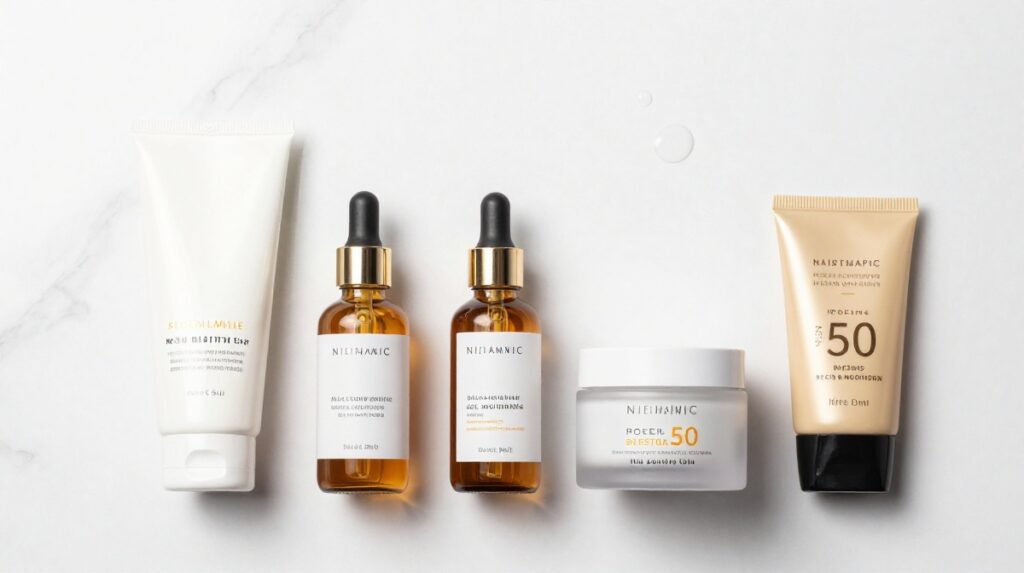
Morning:
- Gel cleanser (with green tea or salicylic acid if oily)
- Vitamin C serum (antioxidant protection)
- Niacinamide serum (oil control)
- Water-based gel moisturizer
- SPF 50 sunscreen (water-resistant, mattifying)
Evening:
- Double cleanse (oil cleanser first to remove sunscreen, then gel cleanser)
- Exfoliant (2–3 nights per week – salicylic or lactic acid)
- Aloe vera gel (if any sun exposure)
- Lightweight moisturizer (same as morning)
- Spot treatment (for any summer breakouts)
What to Avoid in Summer
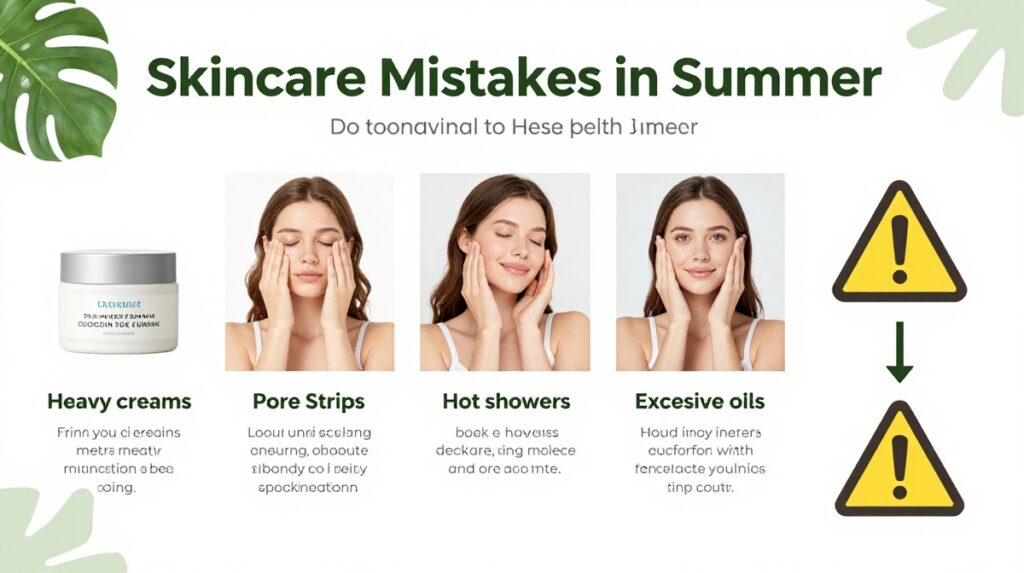
- Heavy oils (coconut oil, shea butter – clog pores in heat)
- Thick creams (feel suffocating, trap sweat)
- Pore strips (heat-warmed skin is more fragile)
- Waxing right before sun exposure (freshly waxed skin burns faster)
- Long, hot showers (strip natural oils, worsen dryness)
- Tight workout clothes (traps sweat, causes body acne)
How to Buy Summer Skin Care Products with Confidence
Here are three trustworthy products I rely on every summer:
- Supergoop! Unseen Sunscreen SPF 40 – Invisible, weightless, works as a makeup primer. No white cast. No greasy feeling.
- La Roche-Posay Effaclar Mat Oil-Free Mattifying Moisturizer – Controls shine for 8+ hours. Contains sebulyse technology. Perfect for humid days.
- COSRX Aloe Soothing Sun Cream SPF 50+ PA+++ – Korean sunscreen with 30% aloe vera. Hydrating but not heavy. Feels like a light lotion.
These links go directly to official brand pages. Always patch test new products for 48 hours—summer skin is more reactive.
FAQ
1. Do I need sunscreen if I’m indoors all day?
Yes. UVA rays (aging rays) penetrate windows. Apply SPF 30 every morning, even if you never leave the house.
2. Can I use my winter moisturizer in summer?
Probably not. Winter creams are heavier. Switch to a water-based gel moisturizer to avoid clogged pores and greasiness.
3. Why is my skin breaking out more in summer?
Heat increases sebum production. Sweat mixes with oil and dead skin, clogging pores. Use salicylic acid and niacinamide to control both.
4. How do I stop my makeup from melting off?
Use a mattifying primer, water-resistant sunscreen, and setting spray. Blot (don’t wipe) with oil-absorbing sheets during the day.
5. Is aloe vera enough for after-sun care?
For mild exposure, yes. For burns, use cool compresses and moisturizer too. Aloe soothes but doesn’t replace hydration.
Conclusion
Summer doesn’t have to mean greasy, burned, or irritated skin. The right summer skin care tips are simple: lighter textures, stronger sun protection, smarter oil control, and plenty of aloe.
That beach wedding disaster taught me to respect the sun—not fear it. Now, I enjoy every summer day with confidence. I swim, I hike, I garden. My skin stays healthy because I’ve built a routine that works with the heat, not against it.
Your summer skin care doesn’t need to be complicated. Cleanse with a gel. Hydrate with water-based moisturizer. Protect with SPF 50. Soothe with aloe. That’s it.
Now go enjoy your summer—sunglasses on, sunscreen applied, and that beautiful glow (not burn) shining through. You’ve got this.