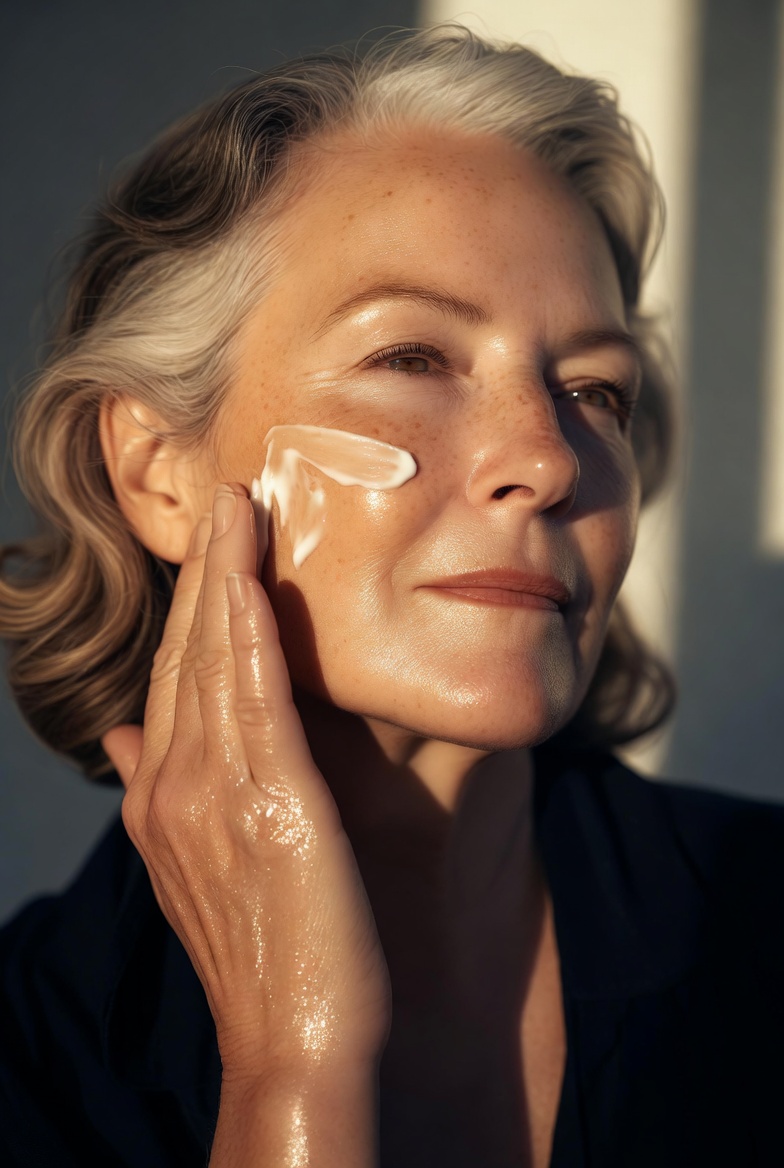

Let me tell you about the summer I learned my lesson the hard way. I was 25, on a beach vacation, and I thought I was being smart. I slathered on a bottle of sunscreen—the cheap, sport kind that came in a giant pump. It was greasy, it smelled like a coconut factory exploded, and it stung my eyes so badly I could barely keep them open. But hey, at least I was protected, right?
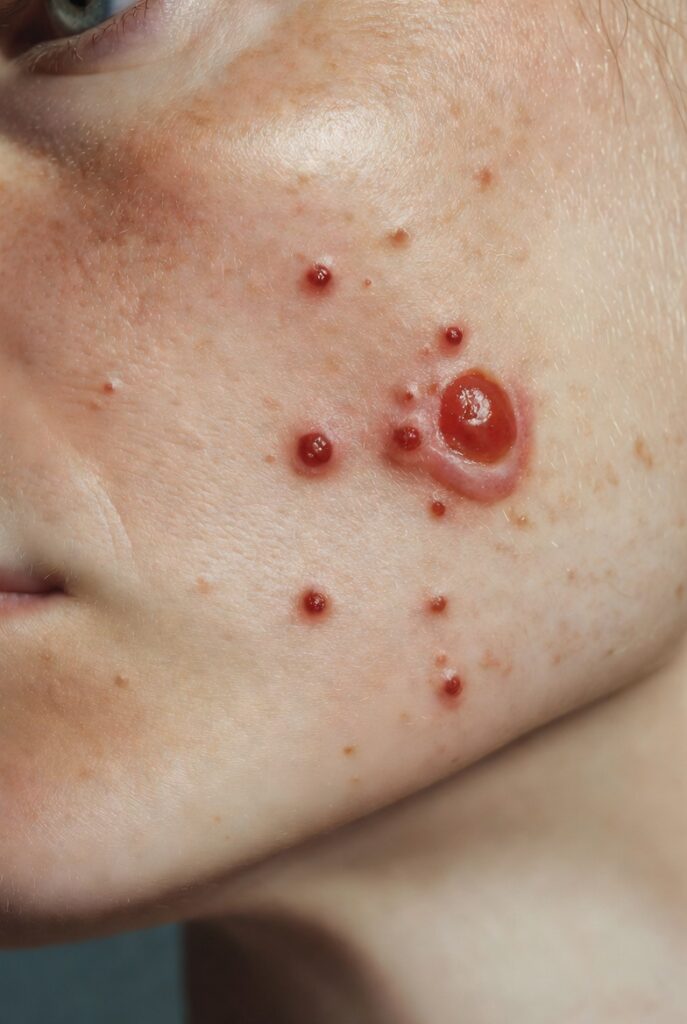
Wrong. By day three, my face was a disaster. I had broken out in tiny white bumps all over my forehead. My cheeks were red and irritated. And the area around my eyes was so puffy that my friends asked if I had been crying.
That “sunscreen” was never meant for my face. It was too thick, too fragranced, and packed with ingredients that clogged my pores and inflamed my sensitive skin.
That experience taught me a crucial lesson: Your face is not your arm. The skin on your face is thinner, more sensitive, and has more oil glands than the rest of your body. It needs a dedicated sunscreen for face that is lightweight, non-comedogenic (won’t clog pores), and gentle enough for daily use.
Today, I am going to share everything I have learned about finding the best sunscreen for face. You will learn the difference between mineral and chemical sunscreens, how to avoid the dreaded white cast, and which products are worth your hard-earned money. Let us dive in.
Why Your Face Needs a Special Sunscreen
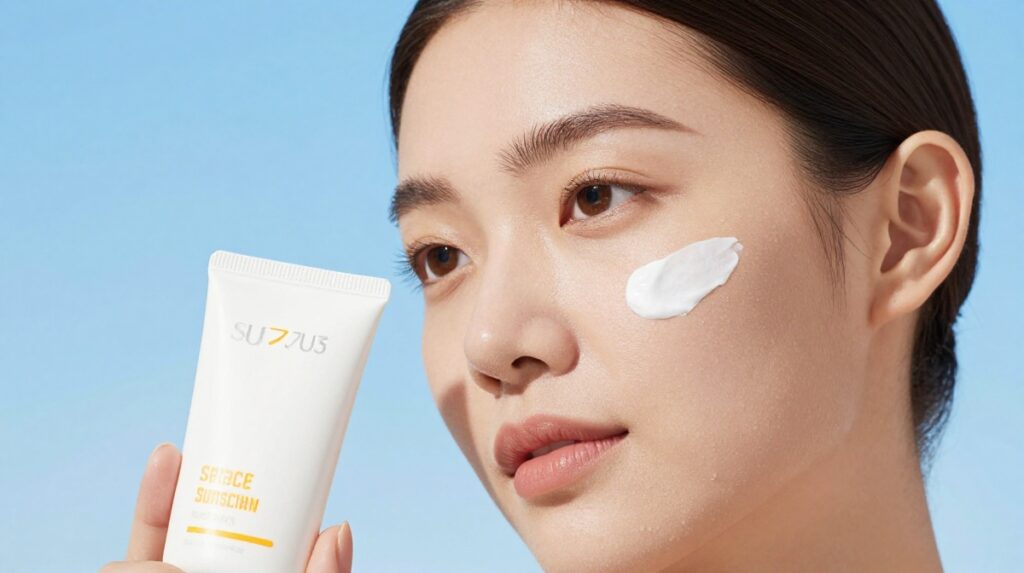
First, let us clear up a massive misunderstanding. Many people think that any sunscreen works everywhere. That is false.
Body sunscreens are formulated for thicker, less sensitive skin. They often contain:
- Fragrance (to cover up the sunscreen smell)
- Higher alcohol content (to help them dry faster on large areas)
- Thicker, greasier bases (because no one cares if your arms look shiny)
When you put these on your face, problems happen. Fragrance irritates. Alcohol dries out your delicate facial skin. Thick bases clog your pores and cause acne. And greasy formulas make your makeup slide off by noon.
The best sunscreen for face is specifically designed to be:
- Non-comedogenic (will not clog pores)
- Fragrance-free or lightly scented
- Lightweight (absorbs quickly)
- Compatible with makeup (no pilling or sliding)
Furthermore, your face is exposed to the sun every single day—even when you are driving, sitting by a window, or walking to your car. Up to 80% of UV rays penetrate clouds, and UVA rays (the aging rays) go straight through glass. You need a face sunscreen daily, just like you need a toothbrush.
Physical vs. Chemical Sunscreens: Which Is the Best Sunscreen for Face for You?
When you walk into a store, you face one big decision. Should you buy mineral sunscreen (also called physical) or chemical sunscreen? Let me break it down so you can pick the best sunscreen for face for your skin.
Mineral Sunscreens (Physical Blockers)
How they work: Mineral sunscreens sit on top of your skin and act like tiny mirrors, reflecting UV rays away. The active ingredients are zinc oxide and titanium dioxide.
Pros:
- Work immediately upon application (no waiting 15 minutes)
- Less likely to irritate sensitive skin or cause allergic reactions
- Safe for pregnancy and children
- Do not absorb into your bloodstream
- Better for the environment (reef-safe)
Cons:
- Can leave a white cast (a chalky, ghostly appearance), especially on darker skin tones
- Thicker, harder to rub in
- Can feel heavy or greasy
Best for: Sensitive skin, rosacea, post-procedure skin, pregnancy, children, and anyone who prefers a physical blocker.
Also Read: The Radiant Truth: Unveiling the Vitamin C Serum Benefits for Your Skin
Chemical Sunscreens (Absorbers)
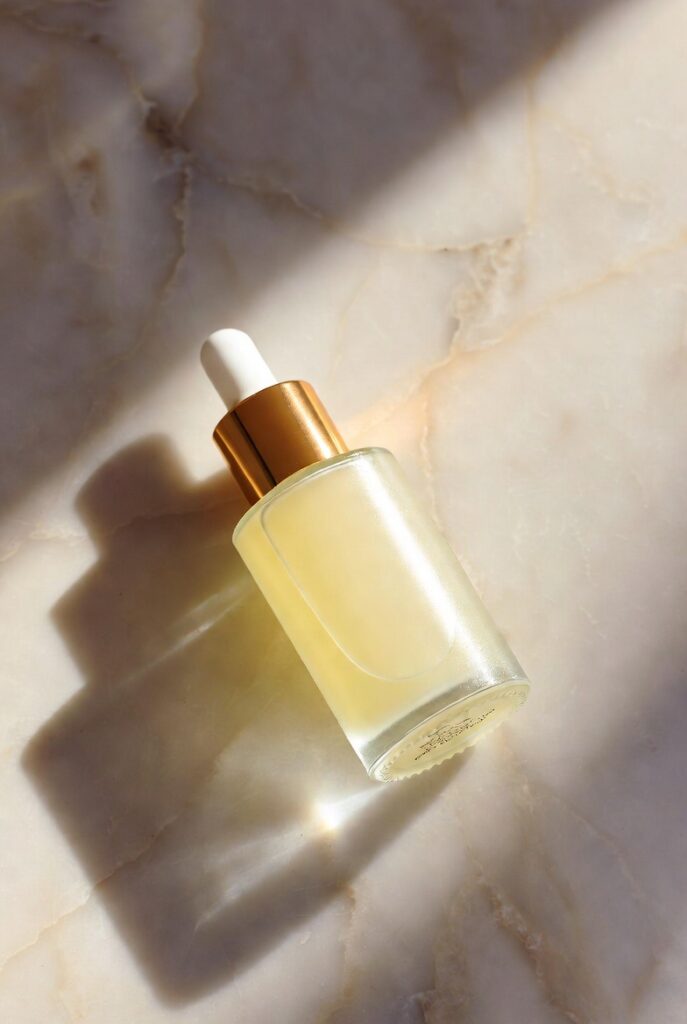
How they work: Chemical sunscreens absorb into the top layer of your skin, where they convert UV rays into heat, which then dissipates. Common ingredients include avobenzone, octisalate, homosalate, octocrylene, and oxybenzone.
Pros:
- Invisible on all skin tones (no white cast)
- Lighter, more cosmetically elegant textures
- Easier to layer under makeup
- Often more water-resistant
Cons:
- Require 15-20 minutes to become effective
- Can sting eyes or irritate sensitive skin
- Some ingredients (like oxybenzone) are controversial due to potential hormone disruption and coral reef damage
- Absorb into your bloodstream (though studies show they are likely safe in normal use)
Best for: Darker skin tones, oily or acne-prone skin, active lifestyles, and anyone who hates the feel of thick creams.
Hybrid Sunscreens
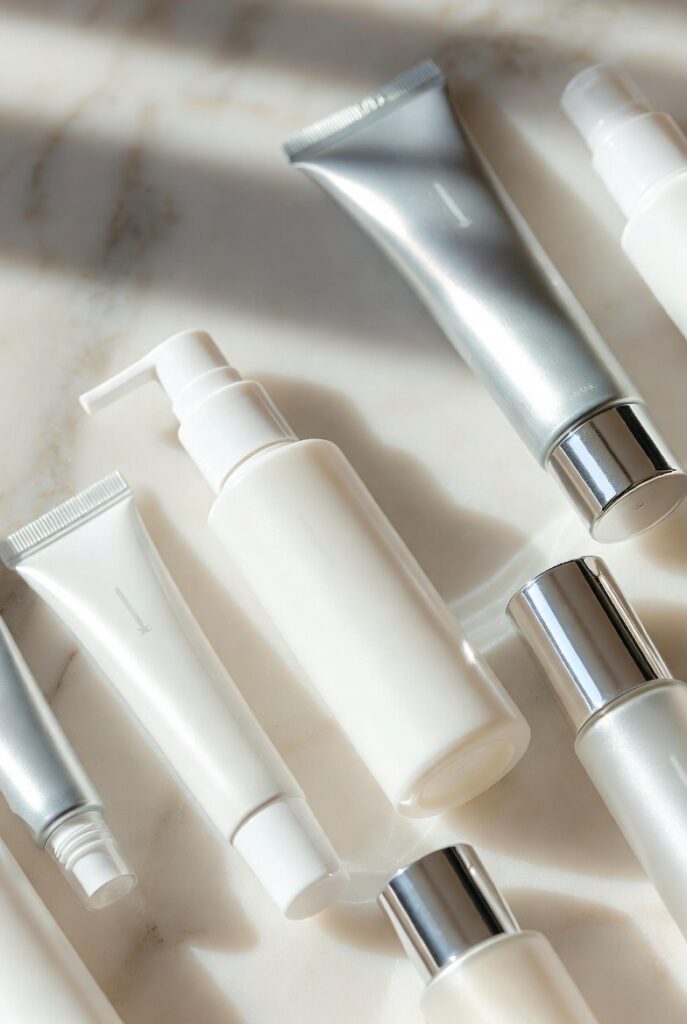
Many modern face sunscreens combine both mineral and chemical filters. These offer the best of both worlds: the gentleness of zinc oxide with the invisible finish of chemical filters.
What SPF Do You Actually Need?
SPF stands for Sun Protection Factor. It measures protection against UVB rays (the ones that burn your skin). You also need protection against UVA rays (the ones that age your skin and cause wrinkles). Look for “Broad Spectrum” on the label—this means it protects against both.
Here is the truth about SPF numbers:
- SPF 15 blocks about 93% of UVB rays
- SPF 30 blocks about 97% of UVB rays
- SPF 50 blocks about 98% of UVB rays
- SPF 100 blocks about 99% of UVB rays
Notice the diminishing returns. SPF 100 is barely better than SPF 50, but it often gives people a false sense of security, causing them to stay out longer and reapply less often.
The sweet spot: The best sunscreen for face should be SPF 30 to SPF 50. SPF 30 is the minimum recommended by dermatologists. SPF 50 gives a little extra cushion without the misleading confidence of SPF 100.
The Best Sunscreen for Face (Top Picks by Category)
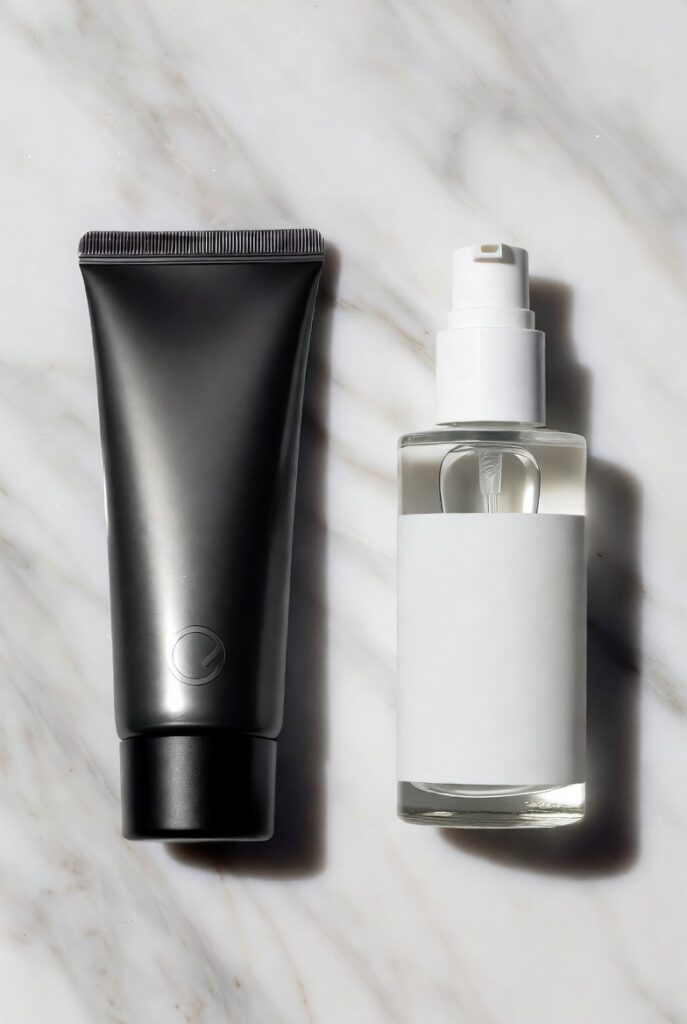
After testing dozens of products and reading hundreds of dermatologist reviews, here are my top recommendations for the best sunscreen for face.
Best Overall (Dermatologist Favorite)
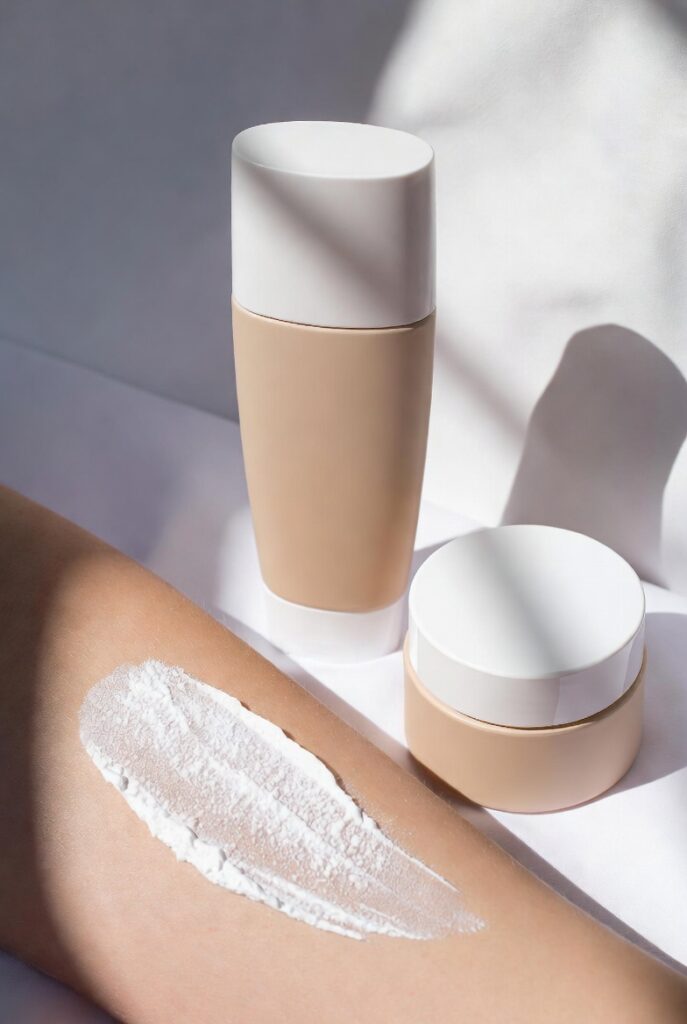
Supergoop! Unseen Sunscreen SPF 40
This is the sunscreen that changed my mind about sunscreen. It is completely invisible, feels like a silky makeup primer, and leaves zero white cast. It contains avobenzone (chemical filter) but is formulated to be gentle.
Why it is great: It has a unique gel-cream texture that blurs pores and creates a smooth base for makeup. It is oil-free, fragrance-free, and non-comedogenic. You will forget you are wearing sunscreen.
Who should use it: Everyone. Seriously. It works on all skin tones, all skin types, and under all makeup.
Price: Around $38 for 1.7 ounces (expensive, but a little goes a long way).
Where to buy: Sephora, Supergoop website, Amazon (official store).
Best Mineral Sunscreen (No White Cast)
Drunk Elephant Umbra Sheer Physical Daily Defense SPF 30
Most mineral sunscreens leave a white cast. This one does not. It uses zinc oxide (20%) but suspends it in a sheer, tinted formula that blends into most skin tones.
Why it is great: It is 100% mineral, reef-safe, and packed with antioxidants like grape juice extract and marula oil. It feels like a moisturizer, not a paste.
Who should use it: Sensitive skin, rosacea, pregnancy, or anyone who wants mineral protection without looking like a ghost.
Price: Around $34 for 3 ounces (reasonable for a premium mineral sunscreen).
Best for Darker Skin Tones (Zero White Cast)
Black Girl Sunscreen SPF 30
This sunscreen was specifically formulated for melanin-rich skin. It is a chemical sunscreen that goes on completely clear and dries down to a natural, dewy finish.
Why it is great: No white cast. No ashiness. No greasy residue. It contains avobenzone, homosalate, octisalate, and octocrylene for broad-spectrum protection. It is also infused with jojoba oil and avocado oil to moisturize while protecting.
Who should use it: Anyone with medium to deep skin tones who struggles with white cast from mineral sunscreens.
Price: Around $16 for 3 ounces (very affordable).
Best for Oily or Acne-Prone Skin
La Roche-Posay Anthelios Clear Skin Oil-Free Sunscreen SPF 60
If you have oily skin or acne, you know the struggle: most sunscreens make you look like a greaseball by 11 AM. This one does not.
Why it is great: It contains oil-absorbing technology that mattifies your skin and keeps shine away for hours. It is non-comedogenic (won’t clog pores) and contains cellulose microbeads that absorb excess oil.
Who should use it: Oily, combination, or acne-prone skin.
Price: Around $30 for 1.7 ounces.
Best for Sensitive Skin
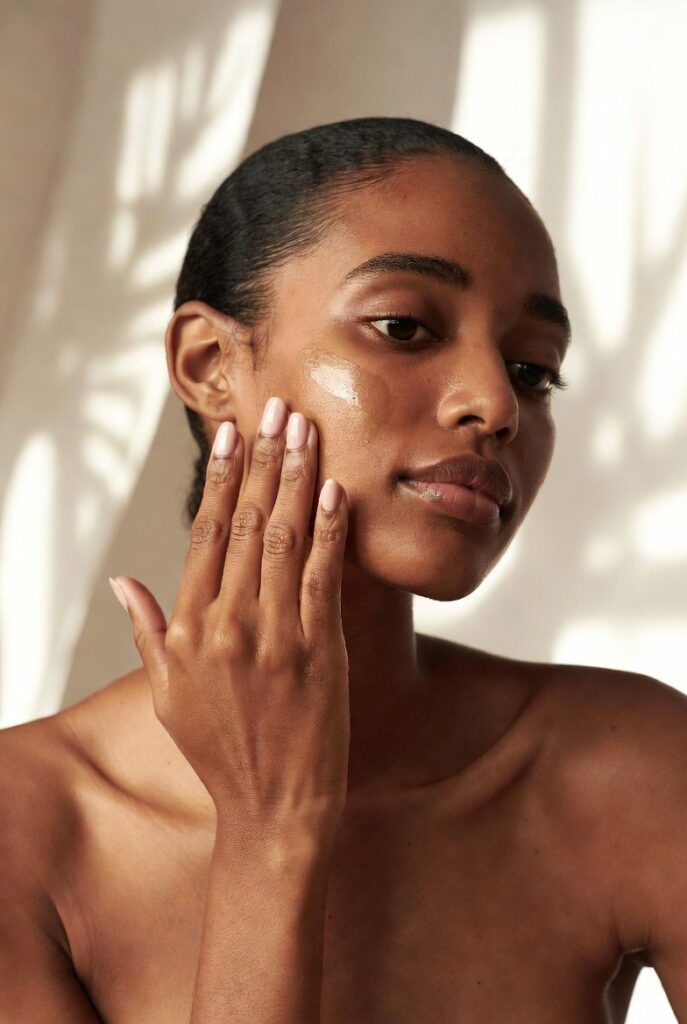
CeraVe 100% Mineral Sunscreen SPF 50
CeraVe is the brand dermatologists recommend when patients react to everything else. This sunscreen uses zinc oxide and titanium dioxide (mineral filters) and contains three essential ceramides to repair your skin barrier while protecting it.
Why it is great: Fragrance-free, oil-free, non-comedogenic, and developed with dermatologists. It is gentle enough for eczema and rosacea.
Who should use it: Extremely sensitive skin, post-procedure skin, or anyone who has reacted to chemical sunscreens in the past.
Price: Around $15 for 2.5 ounces (affordable).
Best for Dry Skin
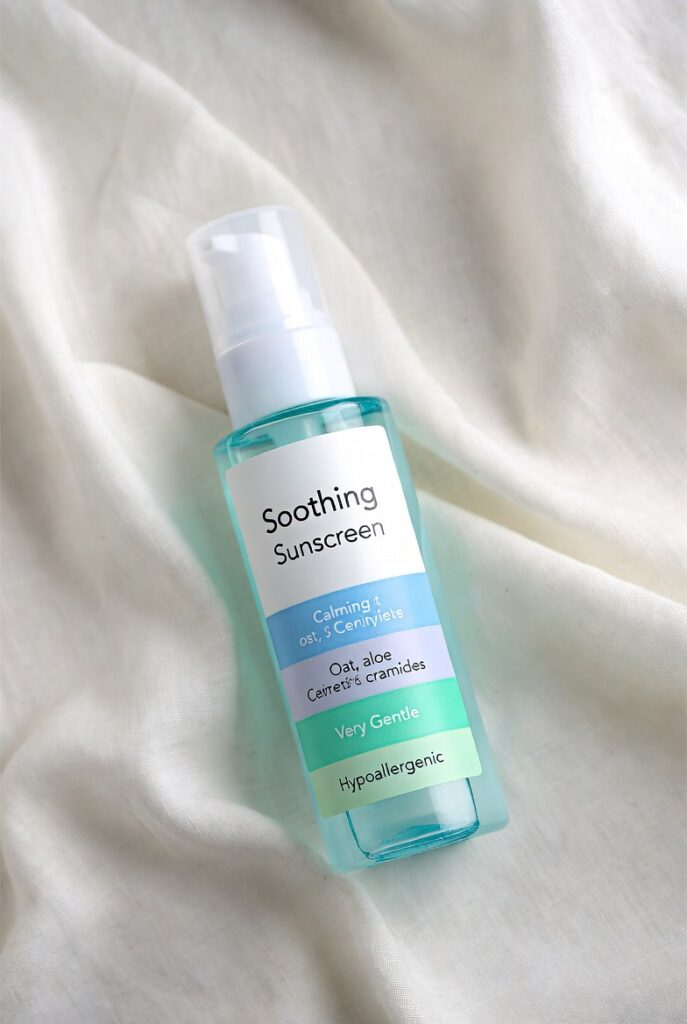
Supergoop! Play Everyday Lotion SPF 50
If your skin is dry, you need a sunscreen that hydrates as it protects. This one contains sunflower seed oil, rosemary extract, and hydrating ingredients that leave your skin dewy, not dry.
Why it is great: It is water-resistant for 80 minutes (great for outdoor activities), fragrance-free, and feels like a rich moisturizer. It does not leave a white cast.
Who should use it: Dry or dehydrated skin, and anyone who spends time outdoors.
Price: Around $38 for 5.7 ounces (good value for the amount).
Best for Under Makeup
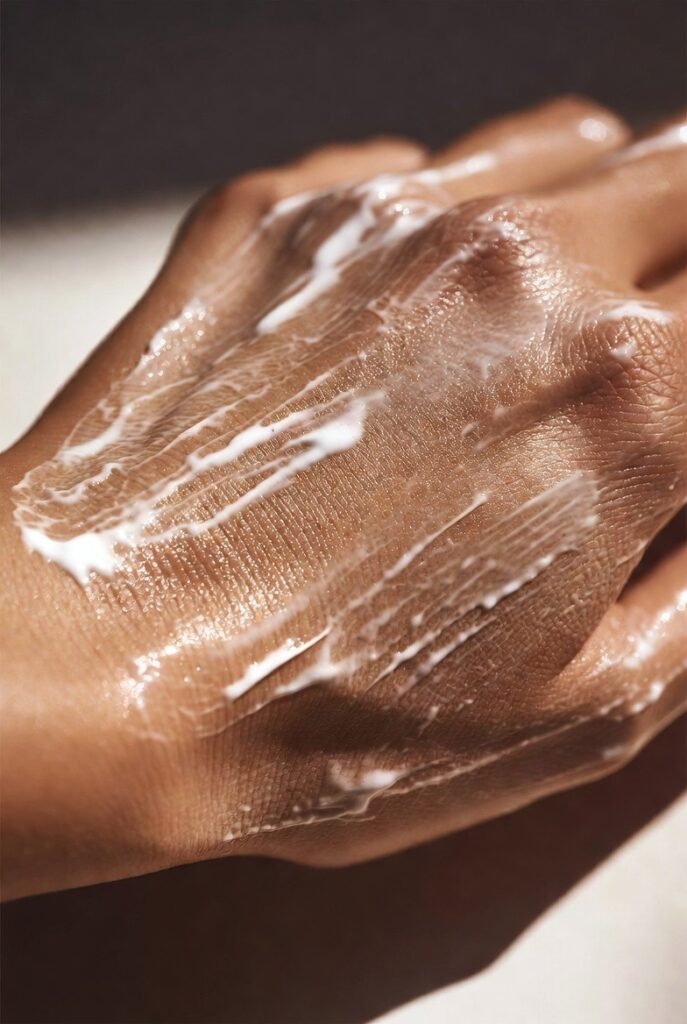
Supergoop! (Re)setting 100% Mineral Powder SPF 35
This is not a lotion—it is a powder. You brush it on over your makeup for easy reapplication throughout the day. It contains zinc oxide and titanium dioxide and comes in four shades to match different skin tones.
Why it is great: Reapplying sunscreen over makeup is a huge pain. This powder solves that problem. You can brush it on every two hours without messing up your foundation.
Who should use it: Anyone who wears makeup and wants to reapply sunscreen easily.
Price: Around $35 for the compact (includes brush).
Best Budget Pick
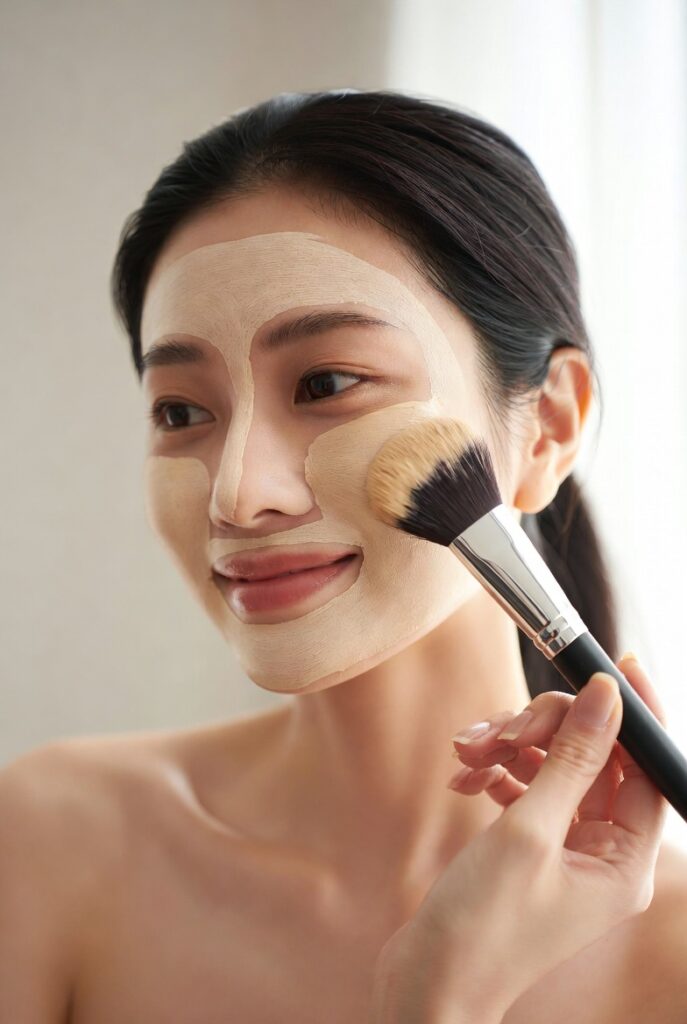
Neutrogena Ultra Sheer Dry-Touch SPF 55
Neutrogena has been making reliable sunscreens for decades. This one is lightweight, dries to a powdery finish, and does not feel greasy.
Why it is great: It is affordable, widely available, and effective. The “dry-touch” technology absorbs excess oil, making it suitable for combination skin.
Who should use it: Anyone on a budget who wants a reliable chemical sunscreen.
Price: Around $10 for 3 ounces.
Best Korean Sunscreen (K-Beauty)
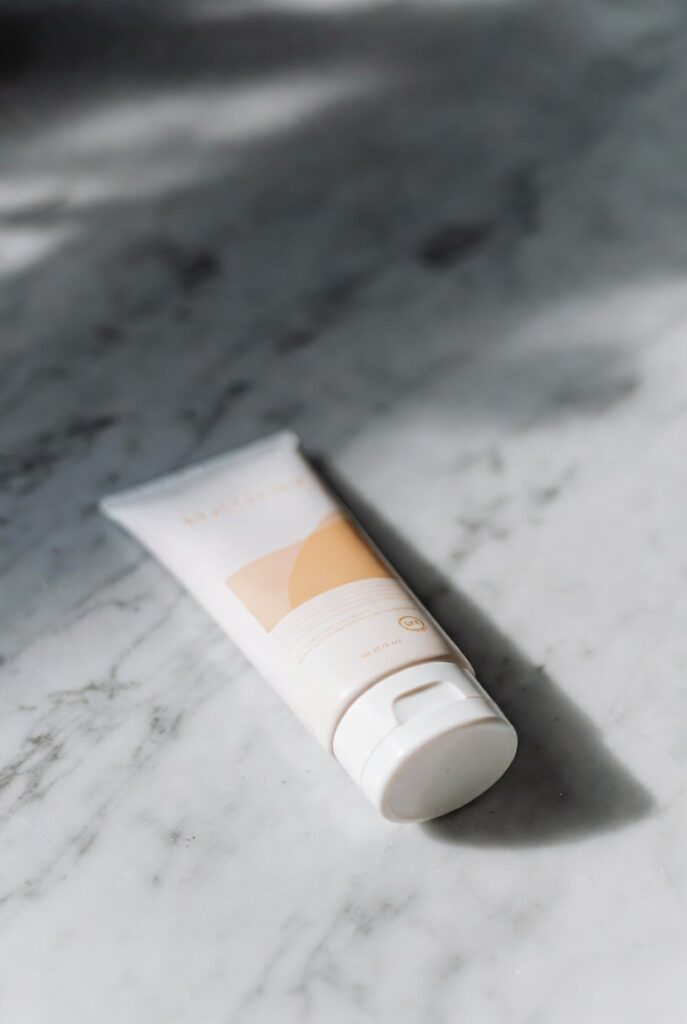
Beauty of Joseon Relief Sun: Rice + Probiotics SPF 50+
Korean sunscreens are famous for their luxurious textures and innovative formulas. This one is a cult favorite. It is a chemical sunscreen (contains newer, safer filters like ethylhexyl triazone and terephthalylidene dicamphor sulfonic acid) that feels like a lightweight moisturizer.
Why it is great: It contains rice extract (brightening) and probiotics (calming). It has no white cast, no stickiness, and no eye stinging. It applies like a dream and layers perfectly under makeup.
Who should use it: Everyone. Seriously, this is one of the best sunscreens on the market at any price.
Price: Around $12 for 1.7 ounces (steal).
Where to buy: YesStyle, Stylevana, Olive Young, or Amazon (official store).
Step-by-Step Guide: How to Apply Sunscreen Correctly
You can own the best sunscreen for face in the world, but if you apply it wrong, you are not protected. Follow these steps.
Morning Routine
Step 1: Cleanse Your Face
Wash your face with a gentle cleanser. Pat dry.
Step 2: Apply Serums and Moisturizer (If Using)
Apply your vitamin C serum, niacinamide, or other treatments. Then apply your moisturizer. Wait 60 seconds for everything to absorb.
Step 3: Apply Sunscreen (The Final Step Before Makeup)
Sunscreen should be the last step in your morning skincare routine. It goes on top of moisturizer, not underneath.
Step 4: Use Enough Product (The Two-Finger Rule)
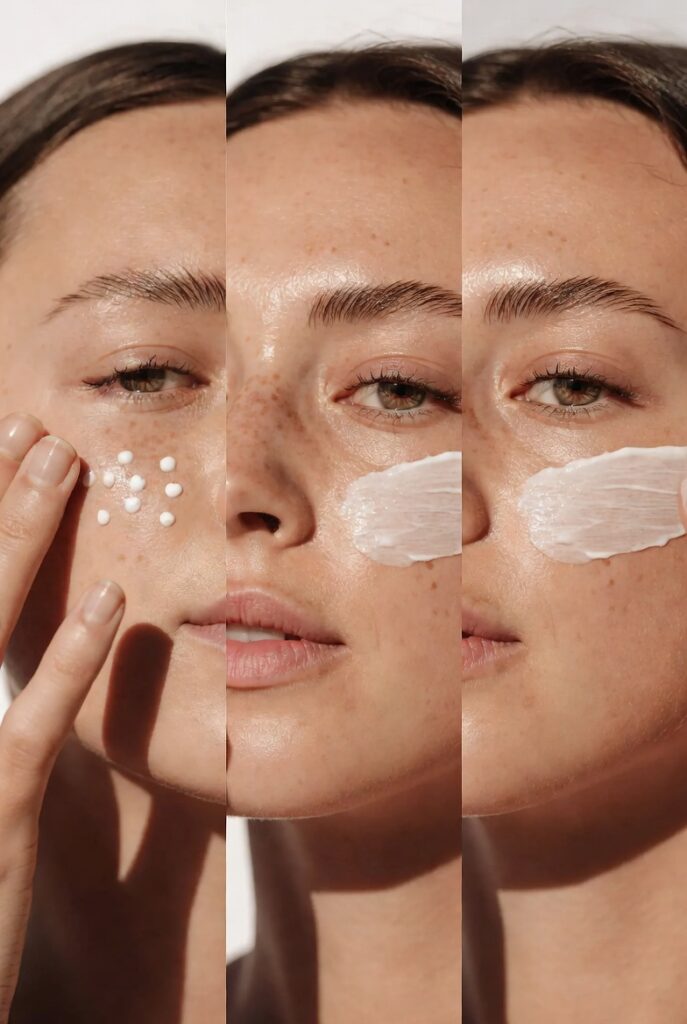
Most people do not use enough sunscreen. For your face and neck, use the two-finger rule: Squeeze a strip of sunscreen along the length of your pointer and middle fingers. That is the correct amount.
Step 5: Apply Evenly
Dot the sunscreen across your forehead, cheeks, nose, chin, and neck. Then blend it in gently. Do not forget:
- Your ears (they get sunburned too)
- The back of your neck
- Your hairline and part line (if you have thinning hair)
- Your eyelids (use a mineral sunscreen here to avoid stinging)
Step 6: Wait 15 Minutes (Chemical Sunscreen Only)
If you are using a chemical sunscreen, wait 15-20 minutes before going outside. This allows the filters to absorb and become effective. Mineral sunscreens work immediately.
Step 7: Apply Makeup (Optional)
If you wear makeup, apply it now. The sunscreen acts as a primer.
Reapplication (The Hardest Part)
Here is the truth: Sunscreen wears off every 2 hours of sun exposure. If you are sitting in an office all day, once in the morning is fine. But if you are outdoors, driving for hours, or sitting by a window, you must reapply.
How to reapply over makeup:
- Powder sunscreen: Brush a powder SPF over your face (Supergoop (Re)setting Powder or Colorescience Sunforgettable).
- Setting spray with SPF: Mist your face with a setting spray that contains SPF (Coola or Supergoop).
- Sunscreen stick: Swipe a clear sunscreen stick over your face and blend (Supergoop Glow Stick).
These methods are not as perfect as a full lotion reapplication, but they are 100x better than nothing.
How to Avoid White Cast (Especially for Darker Skin)
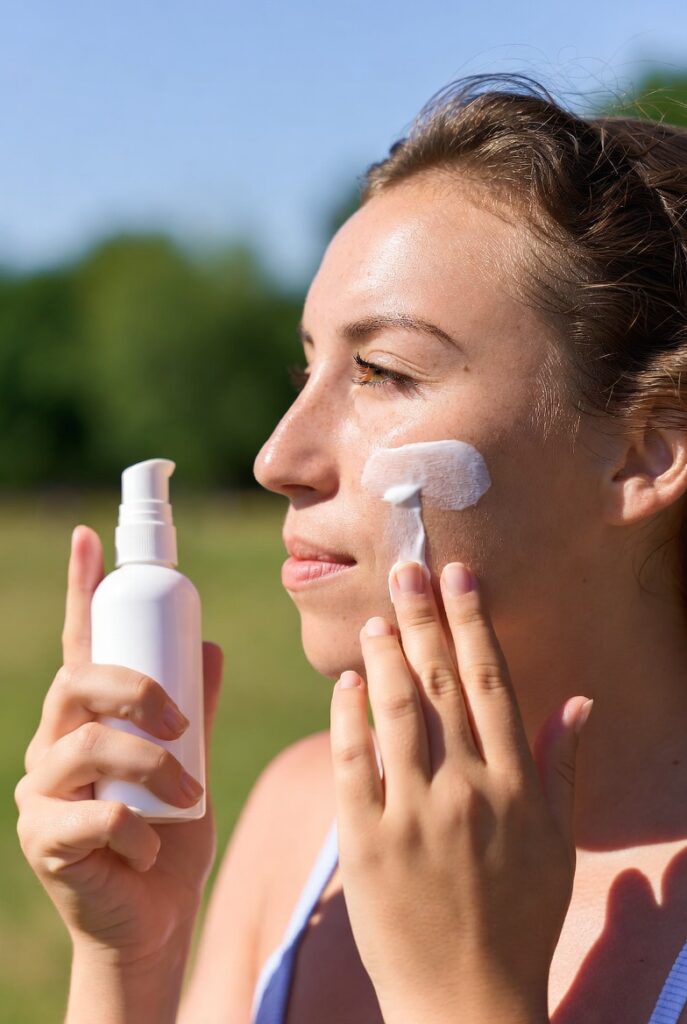
White cast is the #1 reason people hate mineral sunscreen. Here is how to avoid it.
Option 1: Use a chemical sunscreen. Chemical sunscreens are invisible on all skin tones. Look for Supergoop! Unseen, Black Girl Sunscreen, or Beauty of Joseon.
Option 2: Use a tinted mineral sunscreen. Many mineral sunscreens now come in tinted versions that blend into your skin tone. Look for Drunk Elephant Umbra Sheer or Ilia Super Serum Skin Tint SPF 40.
Option 3: Apply in thin layers. Instead of one thick layer, apply two or three thin layers, letting each one dry in between. This reduces the chalky appearance.
Option 4: Warm it up. Rub the sunscreen between your fingers for 10 seconds before applying. The heat helps the product spread more evenly.
Real-Life Anecdote: The Day I Learned About Eye Stinging
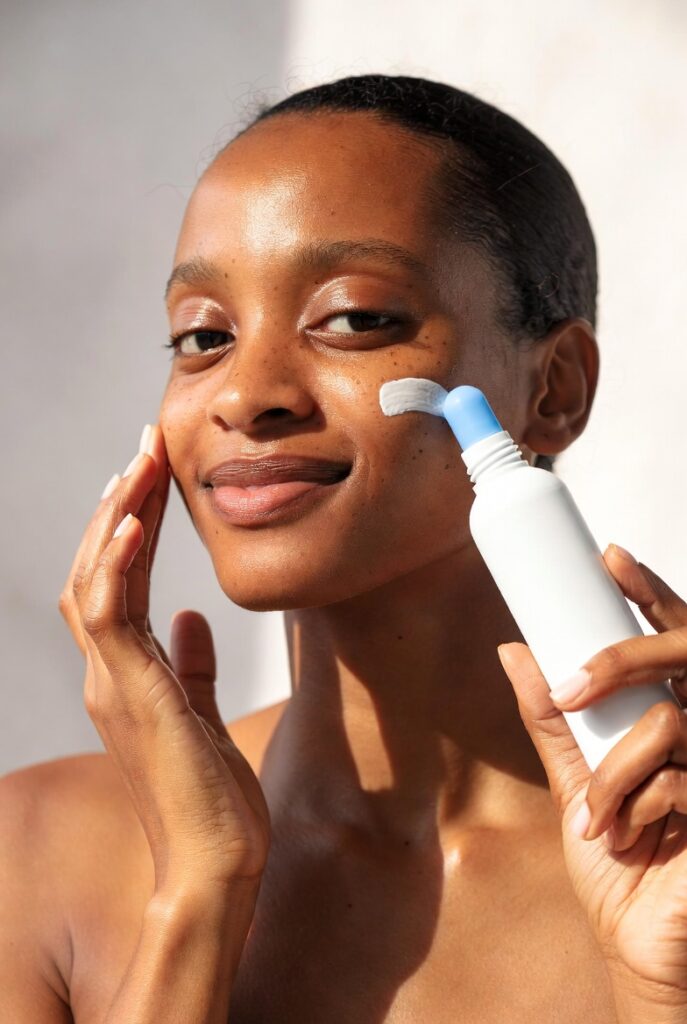
I used to think all sunscreens stung my eyes. I would apply it carefully, avoiding the eye area, and 20 minutes later, my eyes would be watering like I was chopping onions.
Then I learned the secret: Chemical sunscreens (especially avobenzone and octinoxate) migrate into your eyes and cause stinging. Mineral sunscreens (zinc oxide and titanium dioxide) do not migrate and rarely sting.
Now, I use a mineral sunscreen stick (CeraVe or Supergoop) around my eyes and my regular sunscreen everywhere else. No more stinging. No more tears. Problem solved.
What to Avoid in a Face Sunscreen

Not all sunscreens are created equal. Here is what to skip when shopping for your face.
| Avoid This | Why |
|---|---|
| Fragrance (parfum) | Irritates sensitive facial skin and can cause redness |
| Oxybenzone | Controversial ingredient; may be a hormone disruptor and damages coral reefs |
| High alcohol content | Dries out your skin and damages your moisture barrier |
| Spray sunscreens (for face) | You never apply enough, and you inhale the chemicals |
| Jars | Every time you dip your finger in, you introduce bacteria and degrade the filters |
| “Natural” sunscreens with low SPF | SPF 15 is not enough for daily face protection |
Sunscreen Myths (Busted)
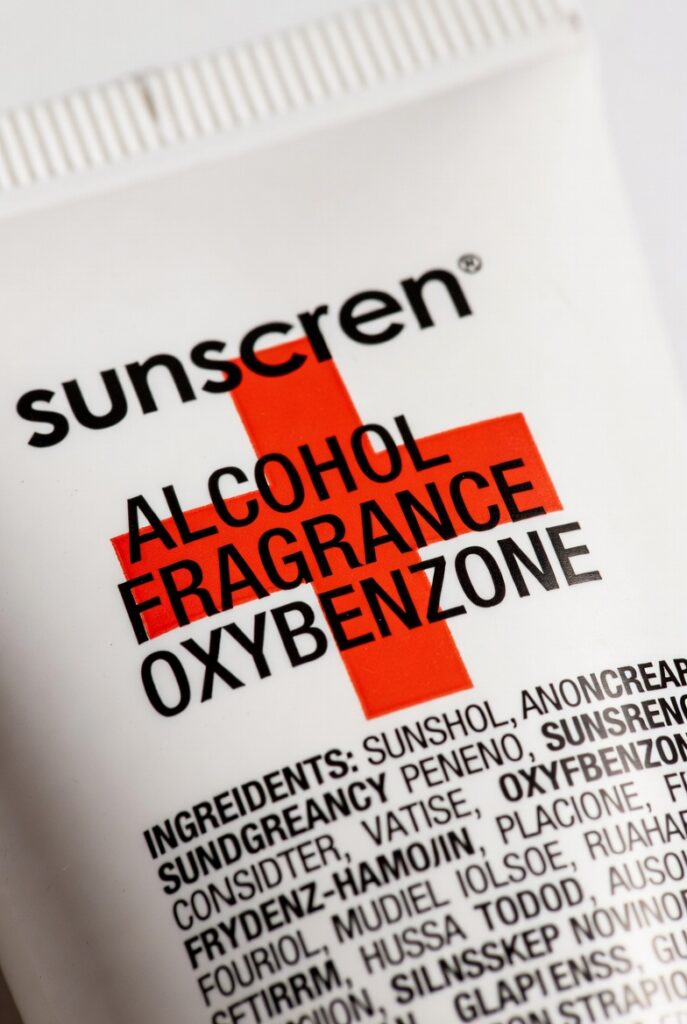
Myth 1: “I have dark skin, so I do not need sunscreen.”
False. Dark skin has more melanin, which offers about SPF 13 naturally. That is not enough. Dark-skinned people still get hyperpigmentation, dark spots, melasma, and skin cancer.
Myth 2: “I work indoors, so I do not need sunscreen.”
False. UVA rays (aging rays) penetrate clouds and windows. If you sit near a window at work or drive a car, you are getting UV exposure.
Myth 3: “My foundation has SPF, so I am covered.”
False. You would need to apply 7-10 times the normal amount of foundation to get the SPF listed on the bottle. Always use a separate sunscreen for face under your makeup.
Myth 4: “Sunscreen causes acne.”
False. Some sunscreens do (especially heavy, greasy body sunscreens). But non-comedogenic face sunscreens are formulated specifically not to clog pores. Look for “oil-free” and “non-comedogenic” on the label.
Myth 5: “One application lasts all day.”
False. Sunscreen breaks down after 2 hours of sun exposure. Reapply if you are outdoors, driving, or sitting by a window.
Anecdote: The Sunscreen Skeptic Who Became a Believer
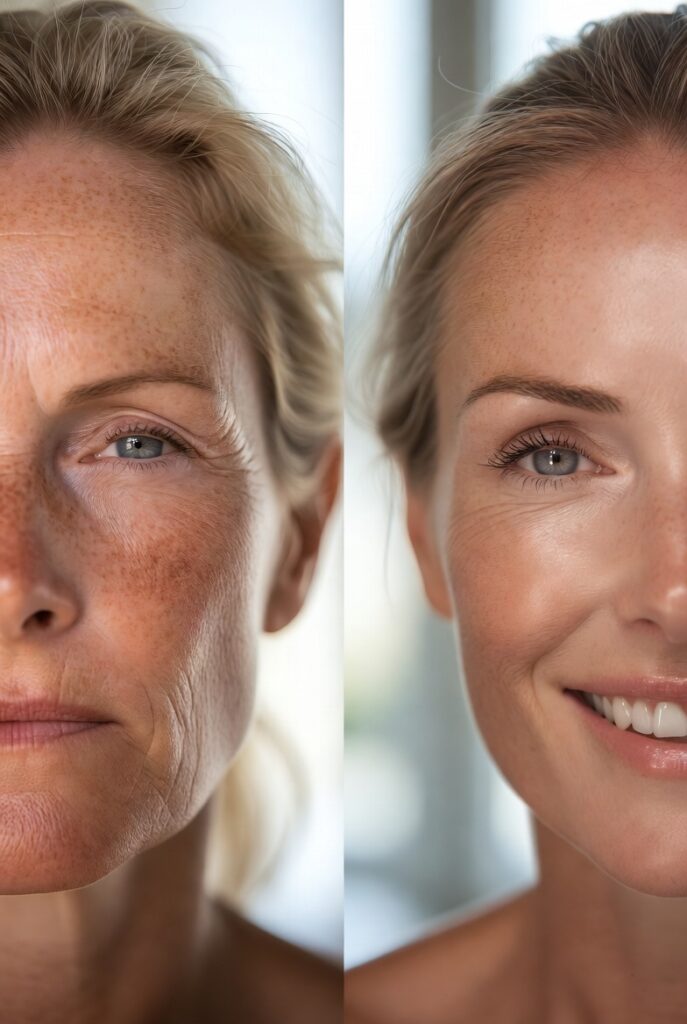
My brother has never worn sunscreen a day in his life. He has medium-tan skin and always said, “I do not burn, so I do not need it.”
Then, at age 40, he went to a dermatologist for a routine skin check. The doctor found a spot on his nose that turned out to be pre-cancerous. She froze it off in the office, but she warned him: “If you keep going without sunscreen, the next one might be cancer.”
Now my brother wears sunscreen for face every single day. He keeps a bottle in his car and reapplies before driving home from work. He calls me to ask for recommendations. He is a convert—but it took a cancer scare to get there.
Do not be like my brother. Start now, not after a scare.
Frequently Asked Questions (FAQ)
1. What is the single best sunscreen for face overall?
Supergoop! Unseen Sunscreen SPF 40. It is invisible, feels like a primer, works on all skin tones, layers perfectly under makeup, and is oil-free and fragrance-free. It is expensive but worth every penny.
2. Can I use body sunscreen on my face?
You can, but you probably should not. Body sunscreens are often thicker, greasier, and contain fragrances or alcohols that can clog pores, cause acne, or sting your eyes. Stick with a dedicated face sunscreen.
3. How much sunscreen for face should I use?
Use the two-finger rule: squeeze a strip along the length of your pointer and middle fingers. That covers your face, neck, and ears. For just the face, a nickel-sized dollop works.
4. Does the best sunscreen for face expire?
Yes. Most sunscreens last 3 years unopened. Once opened, use them within 12 months. Check the bottle for a small jar icon with “12M” inside. Using expired sunscreen will not protect you.
5. Can dark-skinned people skip face sunscreen?
No. This is a dangerous myth. While darker skin has more natural melanin (offering about SPF 13), you still need protection from skin cancer, hyperpigmentation, dark spots, and melasma. Everyone, regardless of skin color, needs daily broad spectrum SPF 30.
Conclusion
I still remember that painful beach vacation where I used body sunscreen on my face. The breakouts, the stinging eyes, the irritation—it was all avoidable. I just did not know any better.
Now I know that the best sunscreen for face is not the same as the bottle you keep in your beach bag. It is lighter, gentler, and specifically formulated for the delicate skin on your face.
Start with Supergoop! Unseen Sunscreen if your budget allows, or Beauty of Joseon Relief Sun if you want an affordable K-beauty option. If you have sensitive skin, go with CeraVe 100% Mineral. If you have darker skin and hate white cast, try Black Girl Sunscreen.
Remember the rules: Use SPF 30 to SPF 50. Apply the two-finger rule amount. Reapply every 2 hours if you are outside. Do not forget your ears, neck, and eyelids. And never, ever skip a day—even when it is cloudy, even when you are indoors, even in winter.
Your face is the first thing people see. Protect it like the precious asset it is. Go ahead and buy that sunscreen for face today. Your 50-year-old self will thank you every time you look in the mirror.