
Everyone wants hair that looks healthy, feels soft, and grows with strength. However, real hair growth does not happen from one magic oil, one expensive shampoo, or one overnight trick. It happens when you follow a simple, steady, and smart hair care routine for hair growth that supports your scalp, protects your strands, and gives your body the nutrients it needs.
The truth is, your hair is like a small plant. If the soil is dry, dirty, or weak, the plant will not grow well. In the same way, if your scalp health is poor, your hair follicles may not perform their best. That is why the best routine does not only focus on the hair you can see. It also focuses on the scalp, roots, diet, washing habits, and daily care.
A few years ago, a friend of mine was always worried about her hair. Every morning, she would see strands on her pillow. After brushing, more hair would fall. She tried changing shampoos again and again, but nothing worked for long. Then she stopped looking for a quick fix and started following a proper hair growth routine. She washed her hair gently, massaged her scalp, reduced heat styling, improved her diet, and used a good hair growth product consistently. Within a few months, her hair looked fuller, softer, and healthier. The biggest change was not one product alone. It was the routine.
So, let’s break down a complete, easy-to-follow hair care routine for hair growth that anyone can start at home.
Why a Proper Hair Care Routine for Hair Growth Matters
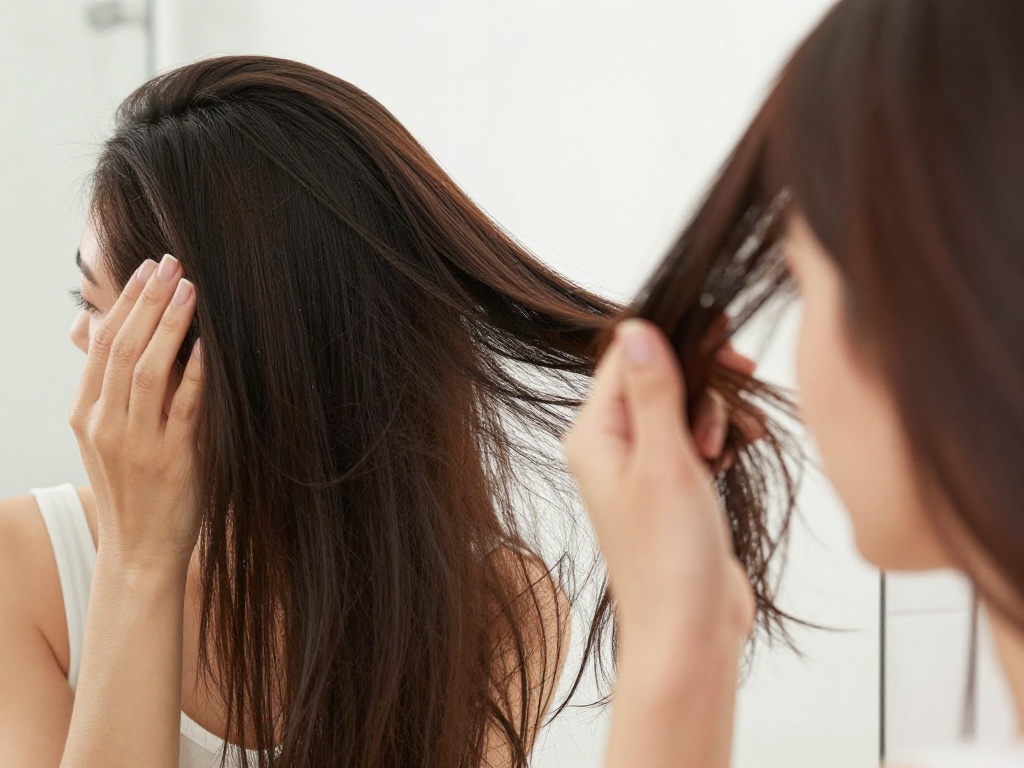
Before starting any routine, it is important to understand why your hair needs care in the first place. Hair grows from small openings in your scalp called hair follicles. These follicles need a healthy environment to produce strong hair. If your scalp is oily, dry, irritated, or full of buildup, it may affect how your hair looks and feels.
At the same time, your hair strands are delicate. Brushing too hard, using too much heat, tying tight hairstyles, skipping conditioner, or washing with harsh products can cause breakage. Many people think their hair is not growing, but in reality, their hair is breaking before it gets longer.
According to the American Academy of Dermatology, it is normal to lose some hair every day. You can learn more about normal hair shedding from the American Academy of Dermatology. However, if you notice sudden, heavy, or patchy hair loss, it is better to speak with a doctor or dermatologist.
A good hair growth routine helps in three main ways:
- It keeps your scalp clean and balanced.
- It protects your hair from breakage.
- It supports stronger, healthier-looking hair over time.
Most importantly, a routine gives your hair consistency. And when it comes to natural hair growth, consistency is everything.
Step 1: Understand Your Hair Type First
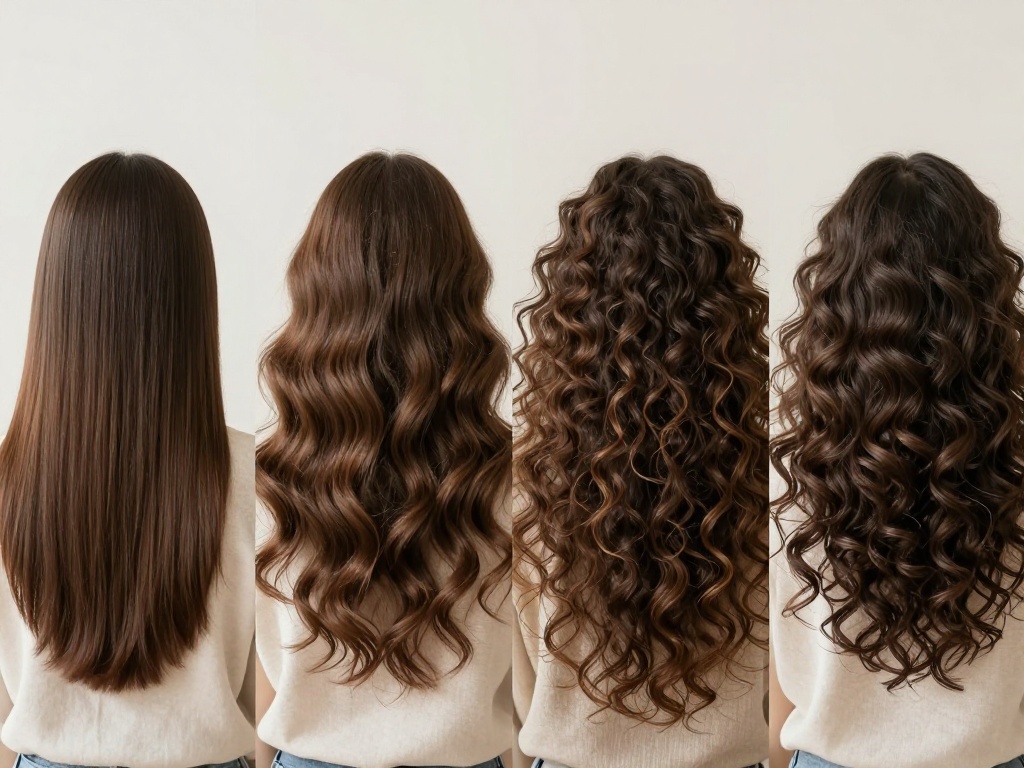
The first step in any hair care routine for hair growth is knowing your hair type. This matters because not all hair needs the same care.
For example, dry and curly hair usually needs more moisture. Oily hair may need lighter products. Fine hair can become flat if you use heavy oils. Thick hair may need richer creams and deep conditioning.
Here are the common hair types:
- Straight hair: Often gets oily faster because natural oils move down the strand easily.
- Wavy hair: Needs balance between moisture and light styling.
- Curly hair: Usually needs more hydration and gentle handling.
- Coily hair: Often needs rich moisture, protective styling, and less harsh washing.
Once you understand your hair type, it becomes easier to choose the right hair growth shampoo, hair conditioner, hair serum, or scalp treatment.
For example, if your hair is thin and oily, a heavy oil may make it greasy and flat. But if your hair is dry and curly, a nourishing oil or cream may help reduce dryness and breakage.
So, before buying any product, ask yourself:
- Is my scalp oily, dry, or sensitive?
- Is my hair fine, thick, curly, or straight?
- Do I have dandruff, itching, or buildup?
- Is my hair breaking from the ends?
- Do I use heat tools often?
This simple understanding will help you build a routine that actually works.
Step 2: Keep Your Scalp Clean, But Do Not Overwash
A clean scalp is one of the most important parts of hair growth care. Your scalp collects sweat, oil, dust, dead skin, and product buildup. If this buildup stays for too long, your scalp may feel itchy, greasy, or heavy.
However, washing your hair too often can also cause problems. Overwashing may remove natural oils that protect the scalp and hair. As a result, hair can become dry, rough, and more likely to break.
A balanced washing routine is the best option.
For most people:
- Wash oily hair every 2 to 3 days.
- Wash dry or curly hair 1 to 2 times a week.
- Wash after heavy sweating or product buildup.
- Use a mild hair growth shampoo that cleans without stripping.
When shampooing, focus on your scalp instead of rubbing the length of your hair. Gently massage the shampoo into your roots using your fingertips. Do not scratch with nails because it can irritate your scalp.
Then, let the shampoo rinse down through your hair. This is usually enough to clean the strands.
A good scalp care routine starts with gentle cleaning. If your scalp feels fresh, your roots can breathe better, and your hair feels lighter.
Also Read:Man Up to Clean Up: The Real Deal on Skin Care for Men (No Fluff, Just Results)
Step 3: Use a Gentle Hair Growth Shampoo
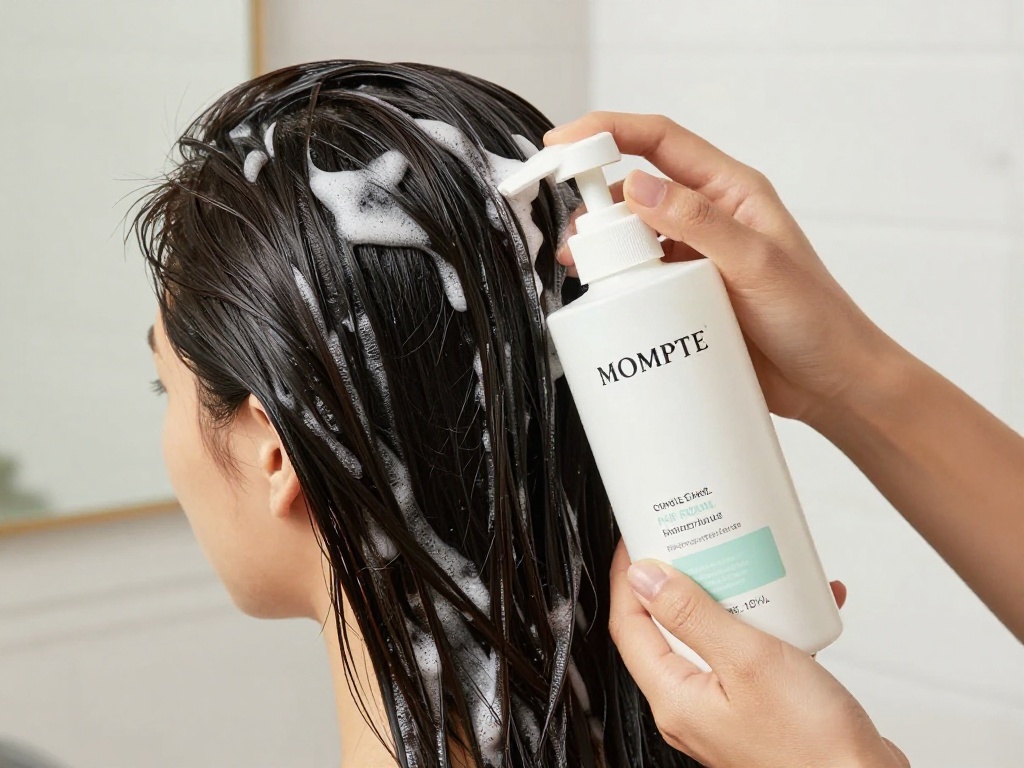
Choosing the right shampoo can make a big difference. A good hair growth shampoo should clean Hair Growth Shampoo
Choosing the scalp without making the hair dry or rough. Look for a formula that supports ** the right shampoo can make a big difference. A good hair growth shampoo should cleanscalp health**, strengthens the hair, and helps reduce breakage.
Good shampoo ingredients may include:
- Biotin
- Caffeine
- Keratin
- Niacinamide
- Rosemary extract
- Aloe vera
- Tea tree oil
- Peptides
- Panthenol
However, remember that shampoo stays on your scalp for a short time. So, while a good shampoo can support a healthy routine, it should not be the only product you depend on for hair growth.
Think of shampoo as the cleaning step. It prepares your scalp and hair for the rest of the routine.
A small story explains this well. A man I knew used to apply expensive hair oil every night, but he rarely washed his scalp properly. After a few weeks, his scalp became itchy and heavy. He thought the oil was not working. In reality, he was applying product on top of buildup. Once he added a proper scalp cleansing routine, his hair looked fresher, and the oil worked much better.
So, if you want better results, start with a clean base.
Step 4: Always Condition Your Hair After Shampoo
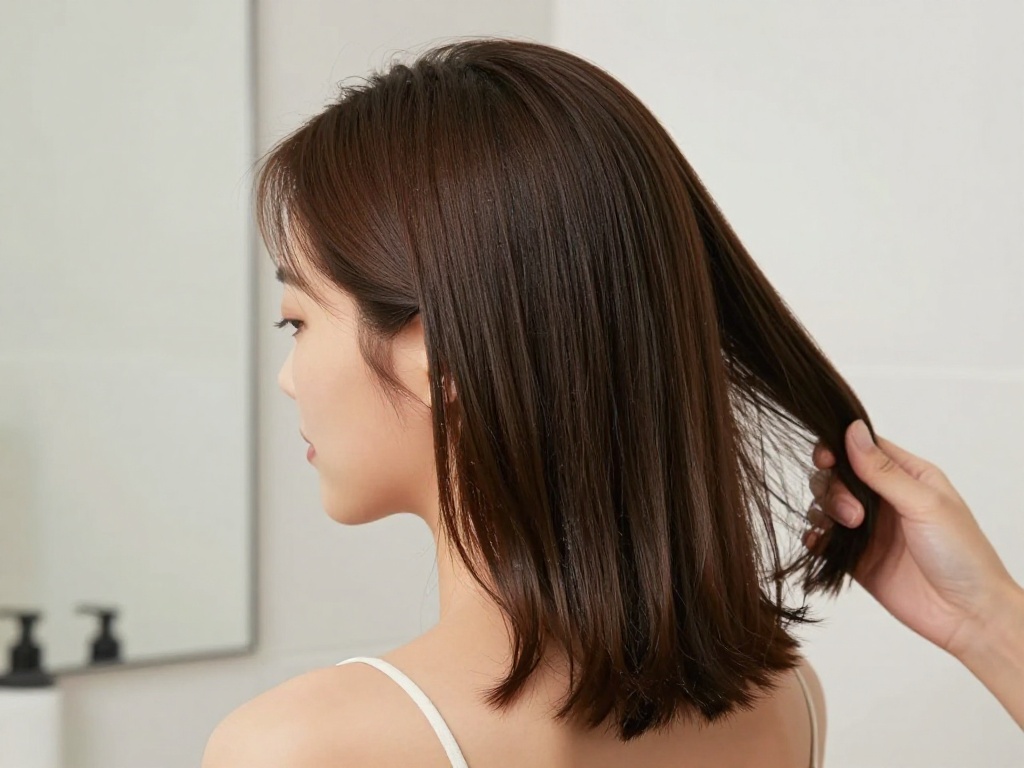
Shampoo cleans your scalp, but conditioner protects your hair. If you skip conditioner, your strands may become dry, tangled, and weak. This can lead to breakage, especially when brushing.
A good hair conditioner helps smooth the outer layer of the hair. It makes your hair softer, easier to manage, and less likely to snap.
Here is how to use conditioner properly:
- After shampooing, squeeze extra water from your hair.
- Apply conditioner from mid-length to ends.
- Avoid applying too much conditioner directly on the scalp, especially if your scalp is oily.
- Leave it for 2 to 5 minutes.
- Rinse well with cool or lukewarm water.
If your hair is very dry or damaged, use a deep conditioning treatment once a week. This gives your hair extra moisture and helps reduce breakage.
Remember, the goal of a hair care routine for hair growth is not only to grow new hair. It is also to keep the hair you already have from breaking.
Longer hair is often the result of better length retention.
Step 5: Add a Scalp Massage to Your Routine

A scalp massage is simple, relaxing, and helpful for your routine. It improves product distribution, relaxes the scalp, and may support better blood flow to the scalp area.
You do not need anything fancy. Your fingertips are enough.
Here is a simple method:
- Place your fingertips on your scalp.
- Move them in small circles.
- Start from the front hairline.
- Move toward the sides and back.
- Massage for 5 to 10 minutes.
- Do this 3 to 4 times a week.
You can do a dry massage, or you can use a lightweight hair growth oil or scalp serum. If your scalp is oily, use less product. If your scalp is dry, a nourishing oil may feel better.
Popular oils used in hair growth routines include:
- Rosemary oil
- Castor oil
- Coconut oil
- Argan oil
- Jojoba oil
- Peppermint oil
However, essential oils should always be diluted with a carrier oil. Never apply strong essential oils directly to the scalp because they may cause irritation.
This small habit can make your routine feel more personal. It also helps you slow down. And sometimes, taking care of your hair also becomes a way of taking care of yourself.
Step 6: Use a Targeted Hair Growth Serum or Treatment
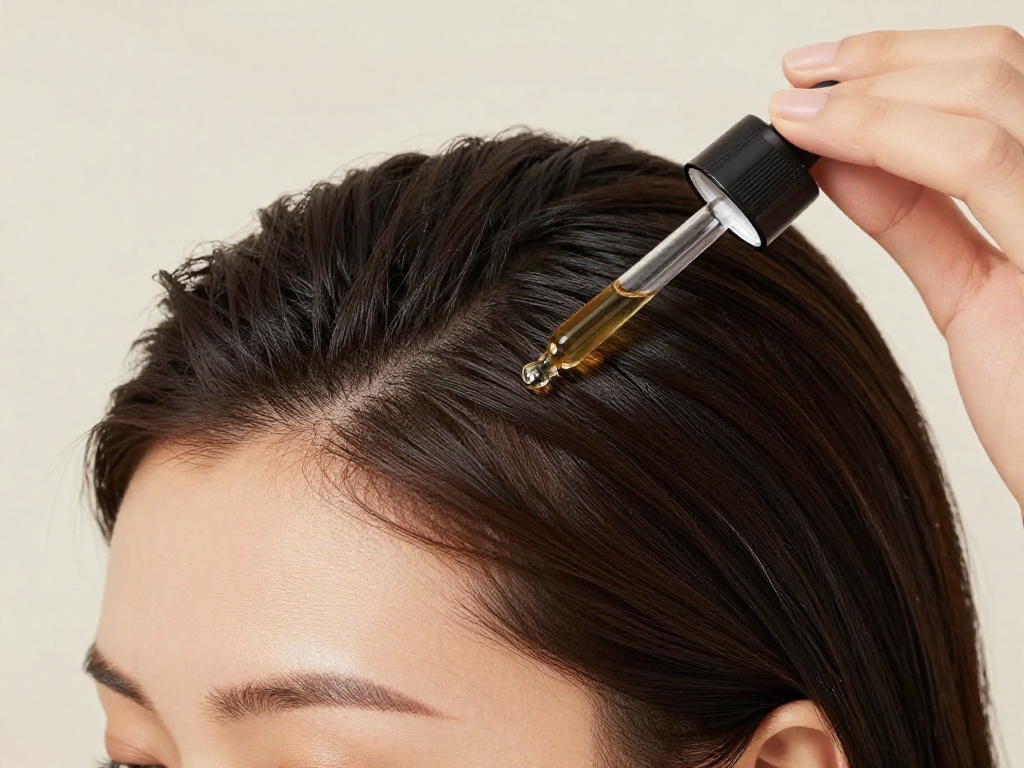
If you want to take your hair care routine for hair growth seriously, this is where a targeted product becomes important. A normal shampoo and conditioner can support healthy hair, but a hair growth serum, scalp serum, or root strengthening treatment usually stays on the scalp longer.
That means it has more time to work.
A good hair growth product may help support the scalp, strengthen weak roots, reduce breakage, and improve the overall look of thinning hair. While no product should promise overnight miracles, the right formula can become a powerful part of your routine when used consistently.
When choosing a hair growth serum, look for qualities like:
- Lightweight texture
- Non-greasy finish
- Easy scalp application
- Suitable for daily or regular use
- Ingredients that support healthy hair growth
- Clear usage instructions
- Safe formula for your hair type
This is where buying the right product matters. Many people waste money on random products because they buy based on hype. Instead, choose a product that fits your needs and can become part of your daily routine.
For best results, use your hair growth product exactly as directed. Apply it to the scalp, not just the hair strands. Massage it gently, then leave it in if the instructions say so.
Most importantly, give it time. Hair growth is slow. You may need several weeks or months to notice visible improvement.
If you want thicker-looking, healthier hair, a trusted hair growth serum can give your routine the extra support it needs. It is not just another beauty product. It is an investment in your confidence.
Step 7: Protect Your Hair From Breakage
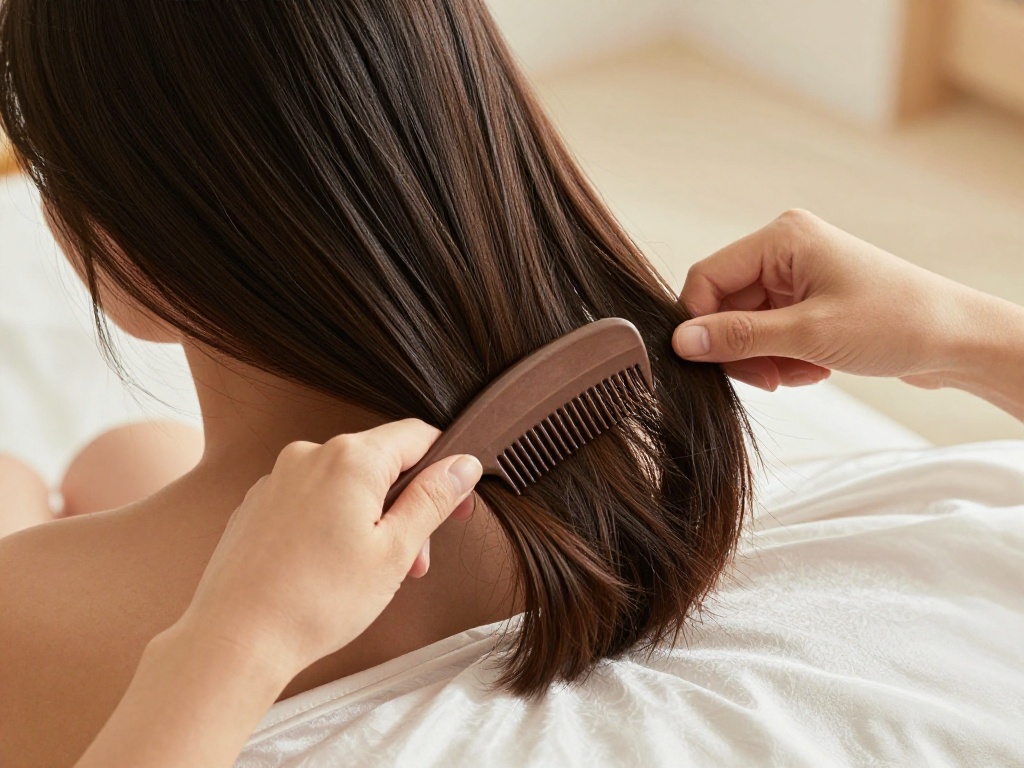
Many people focus only on growing hair from the roots, but they forget to protect the ends. This is a big mistake.
If your hair grows half an inch in a month but breaks half an inch from the ends, it will look like your hair is not growing at all. That is why breakage prevention is a key part of any hair growth routine.
To reduce breakage:
- Do not brush wet hair aggressively.
- Use a wide-tooth comb.
- Start detangling from the ends, then move upward.
- Avoid tight ponytails and buns.
- Sleep on a silk or satin pillowcase.
- Do not rub your hair harshly with a towel.
- Use a microfiber towel or soft cotton T-shirt.
- Avoid hairstyles that pull the roots.
One woman once told me, “My hair never grows past my shoulders.” But when we looked closer, her ends were dry, thin, and splitting. She used heat almost every day and brushed from the roots downward. Once she changed her detangling method and reduced heat, her hair finally started passing shoulder length.
Sometimes the problem is not slow growth. Sometimes the problem is daily damage.
So, if you want visible hair growth, protect what you already have.
Step 8: Reduce Heat Styling
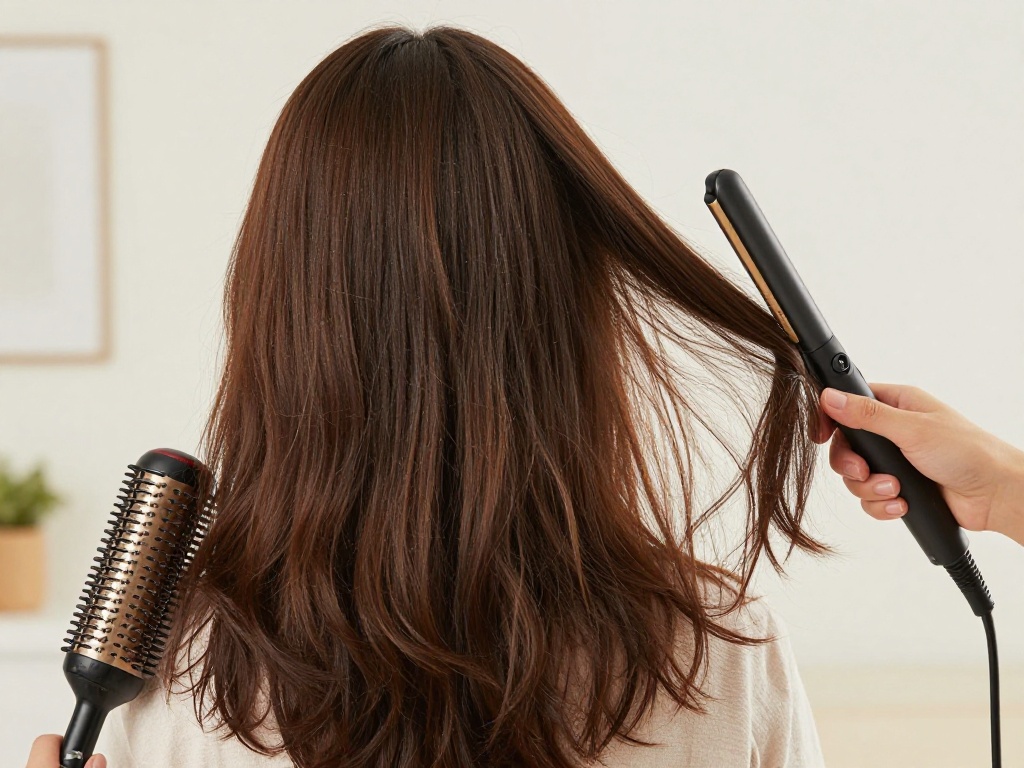
Heat tools can make hair look beautiful for a day, but too much heat can damage the hair over time. Flat irons, curling wands, blow dryers, and hot brushes can weaken the hair shaft. This can lead to dryness, split ends, and breakage.
You do not need to stop heat styling completely. However, you should use it wisely.
Follow these tips:
- Use heat tools only when needed.
- Apply a heat protectant spray before styling.
- Keep the temperature low or medium.
- Do not use heat on soaking wet hair unless the tool is made for it.
- Give your hair heat-free days.
- Try air-drying when possible.
If you style your hair often, add a weekly deep conditioning mask to restore moisture.
Reducing heat is one of the easiest ways to improve your hair growth journey. Your hair may feel smoother, softer, and stronger within a few weeks.
Step 9: Eat Foods That Support Healthy Hair Growth

Your hair is not only affected by what you apply outside. It is also affected by what you eat. Hair needs nutrients to grow strong. A poor diet can make hair weak, dull, and more likely to shed.
For healthy hair growth, focus on foods rich in:
- Protein
- Iron
- Zinc
- Vitamin D
- Vitamin C
- Omega-3 fatty acids
- B vitamins
- Biotin
Hair is mostly made of a protein called keratin. So, if your diet lacks protein, your hair may suffer. Good protein sources include eggs, chicken, fish, beans, lentils, yogurt, and nuts.
Cleveland Clinic shares helpful information about foods that support healthier hair. You can read more here: Cleveland Clinic hair growth foods.
Here are some simple hair-friendly meals:
- Eggs with whole-grain toast
- Lentil soup with vegetables
- Greek yogurt with nuts and berries
- Grilled fish with salad
- Beans with rice and avocado
- Spinach omelet
- Chicken with sweet potatoes
You do not need a perfect diet. Start small. Add one better meal each day. Drink more water. Reduce junk food. Over time, your hair and skin may both look better.
Step 10: Be Gentle With Wet Hair
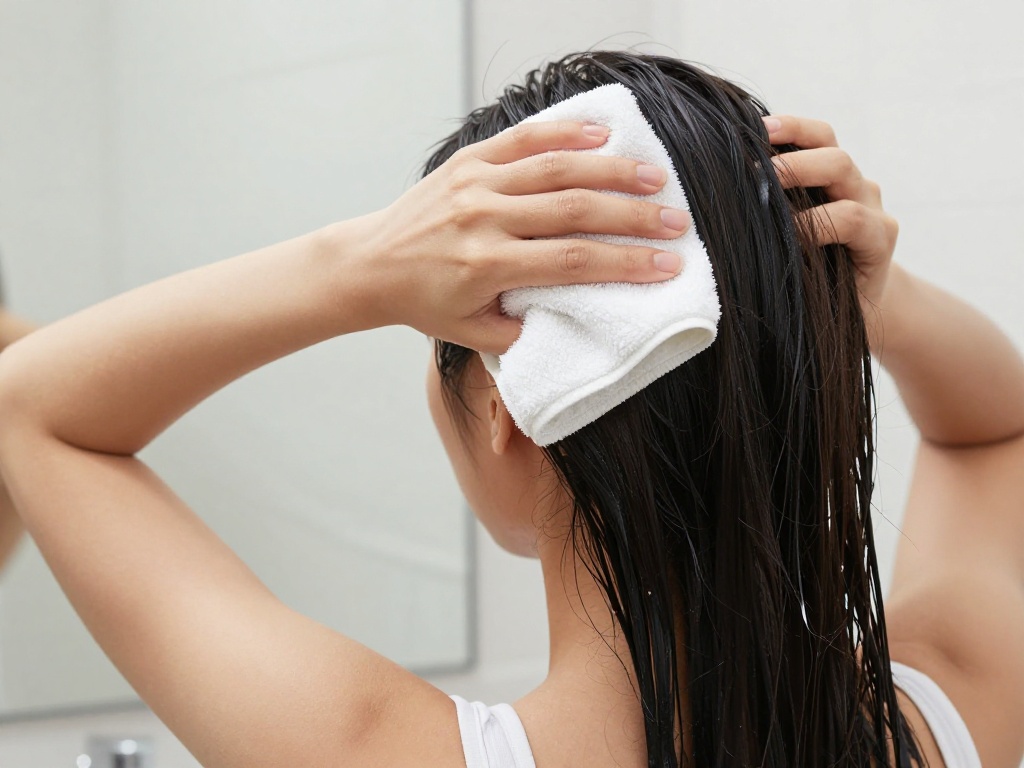
Wet hair is more fragile than dry hair. That means it can break more easily if you pull, rub, or brush it too hard.
After washing your hair, do not twist it tightly in a towel. Instead, gently squeeze out extra water. Then wrap it in a soft towel or T-shirt.
When detangling wet hair:
- Apply conditioner or leave-in conditioner.
- Use a wide-tooth comb.
- Start at the ends.
- Slowly work your way up.
- Do not force through knots.
If your hair tangles easily, use a leave-in conditioner or detangling spray. This adds slip and makes combing easier.
This step may seem small, but it can save a lot of hair from breaking.
Step 11: Trim Split Ends When Needed
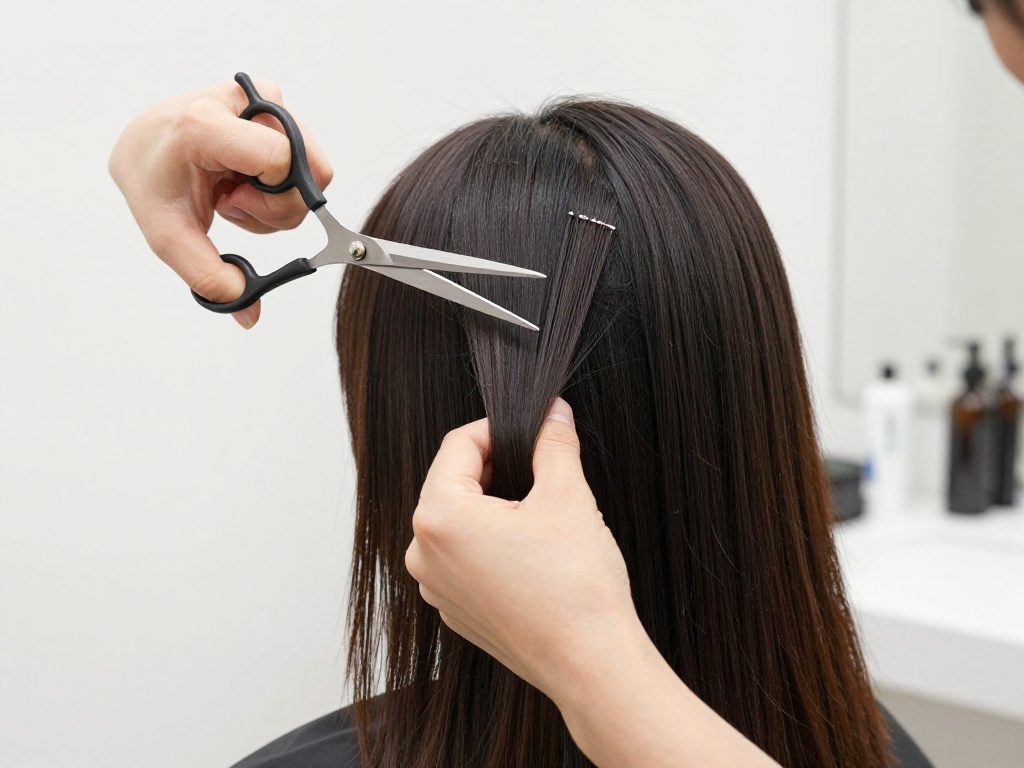
Some people avoid trims because they want longer hair. But if your ends are badly split, the damage can travel upward. This makes your hair look thinner and rougher.
Trimming does not make hair grow faster from the scalp. However, it helps your hair look healthier and keeps the ends from breaking too much.
You do not need a big haircut. A small trim every 8 to 12 weeks can help, depending on your hair condition.
If your ends feel dry, rough, or see-through, it may be time for a trim.
In a good hair care routine for hair growth, trimming is not the enemy. Breakage is the enemy.
Step 12: Avoid Tight Hairstyles
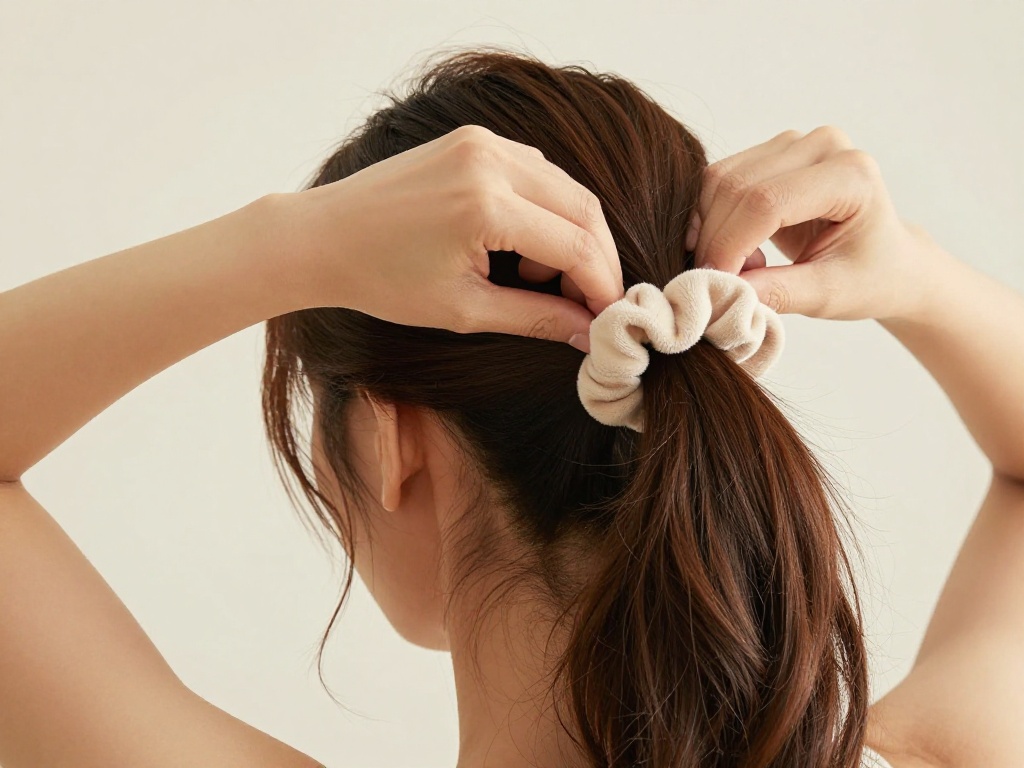
Tight hairstyles can pull on your roots. Over time, this may lead to breakage and hair thinning around the hairline. This is especially common with tight ponytails, buns, braids, and extensions.
To protect your roots:
- Avoid tight hairstyles every day.
- Use soft scrunchies instead of rubber bands.
- Change your hairstyle often.
- Do not sleep with tight hair.
- Avoid pulling baby hairs too tightly.
- Give your scalp rest between protective styles.
Your hairstyle should feel comfortable. If your scalp hurts, the style is too tight.
A gentle hairstyle is better for stronger hair roots and long-term scalp health.
Step 13: Manage Stress and Sleep Better

Stress can affect the body in many ways, and hair is one of them. Many people notice more shedding after a stressful event, illness, sudden weight loss, or emotional pressure. MedlinePlus explains that stress and poor nutrition can be connected with hair loss. You can read more from MedlinePlus hair loss information.
Of course, no one can remove stress completely. But you can manage it better.
Try simple habits like:
- Sleeping 7 to 8 hours when possible
- Walking daily
- Stretching
- Breathing exercises
- Reducing late-night screen time
- Drinking enough water
- Taking short breaks during work
- Talking to someone when life feels heavy
A calm body supports a healthier routine. And although stress control may not solve every hair problem, it can support your overall hair growth journey.
Step 14: Build a Weekly Hair Growth Routine
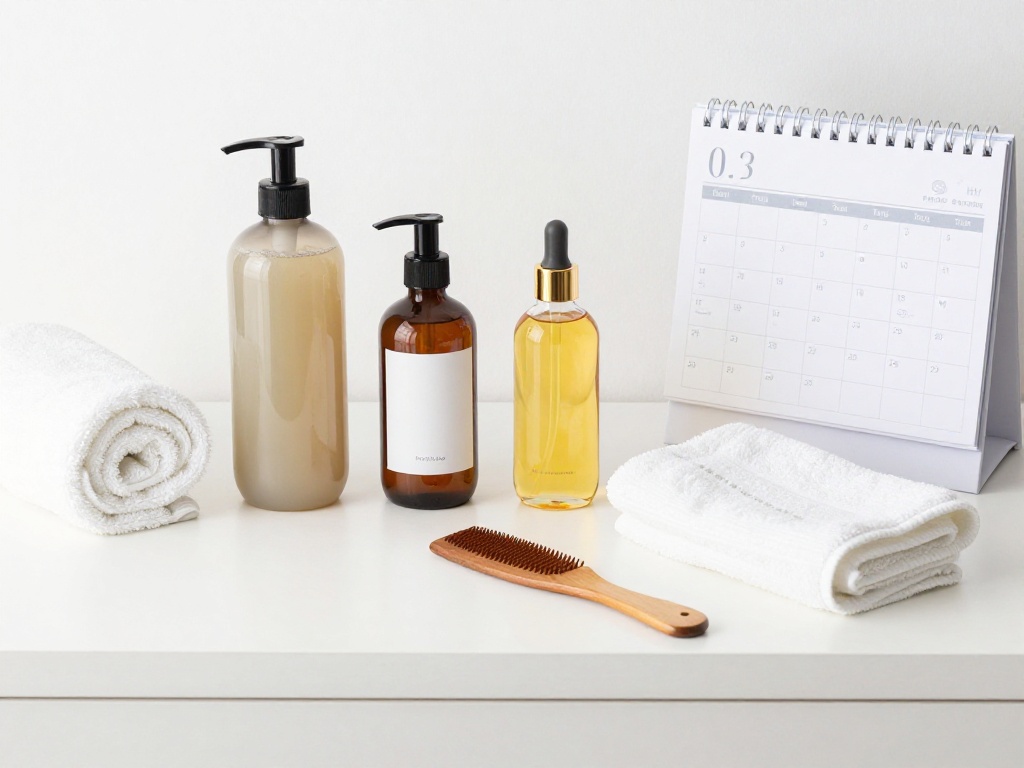
Now let’s turn everything into a simple weekly plan.
Daily Routine
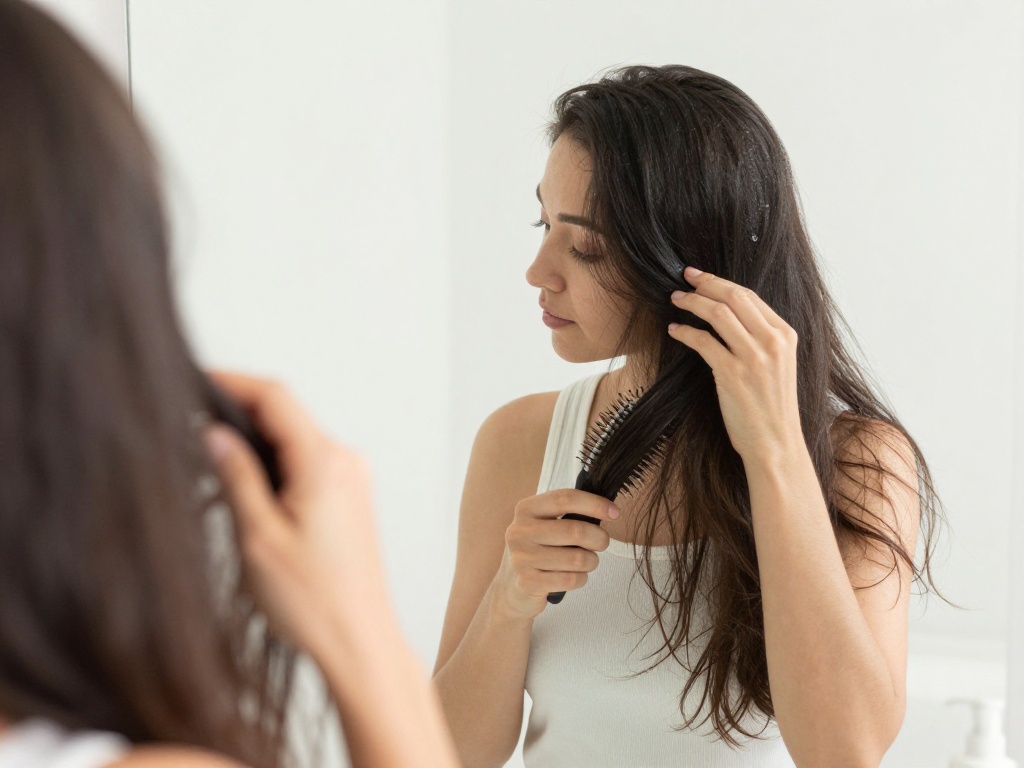
- Drink enough water.
- Eat protein-rich meals.
- Avoid tight hairstyles.
- Use a hair growth serum if directed for daily use.
- Sleep on a soft pillowcase.
- Do a light scalp massage for a few minutes.
Wash Day Routine
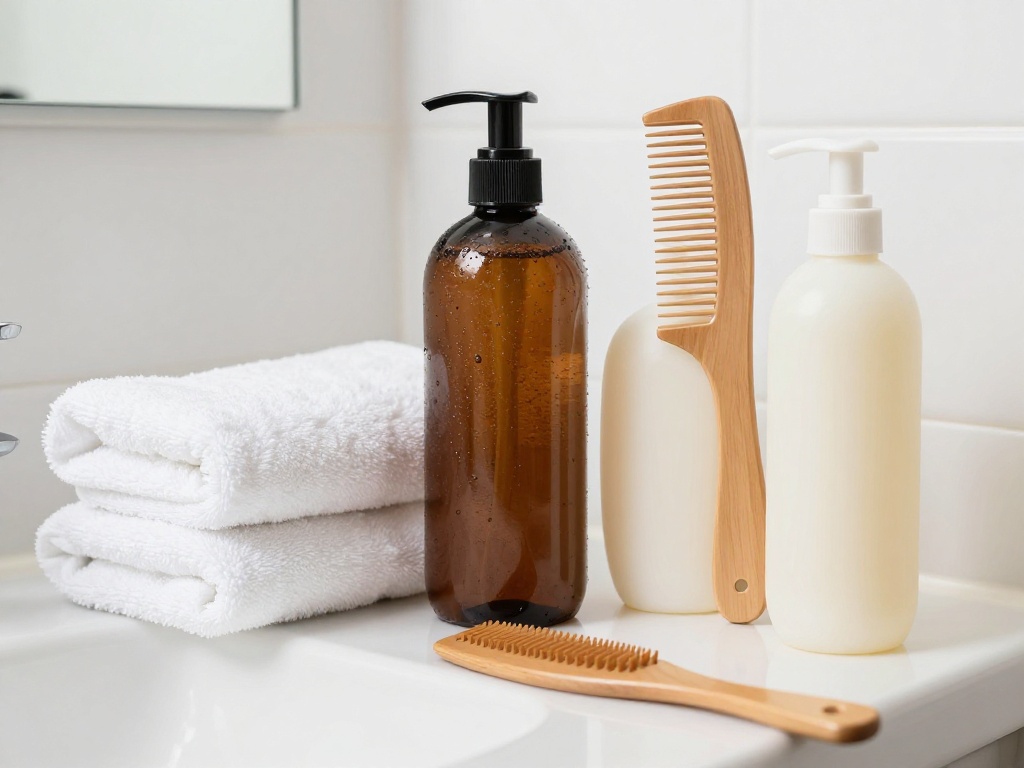
- Detangle hair gently before washing.
- Wet hair with lukewarm water.
- Apply hair growth shampoo to the scalp.
- Massage gently with fingertips.
- Rinse well.
- Apply conditioner to mid-lengths and ends.
- Leave for a few minutes.
- Rinse with cool or lukewarm water.
- Dry gently with a soft towel.
- Apply serum, leave-in conditioner, or light oil as needed.
Weekly Routine
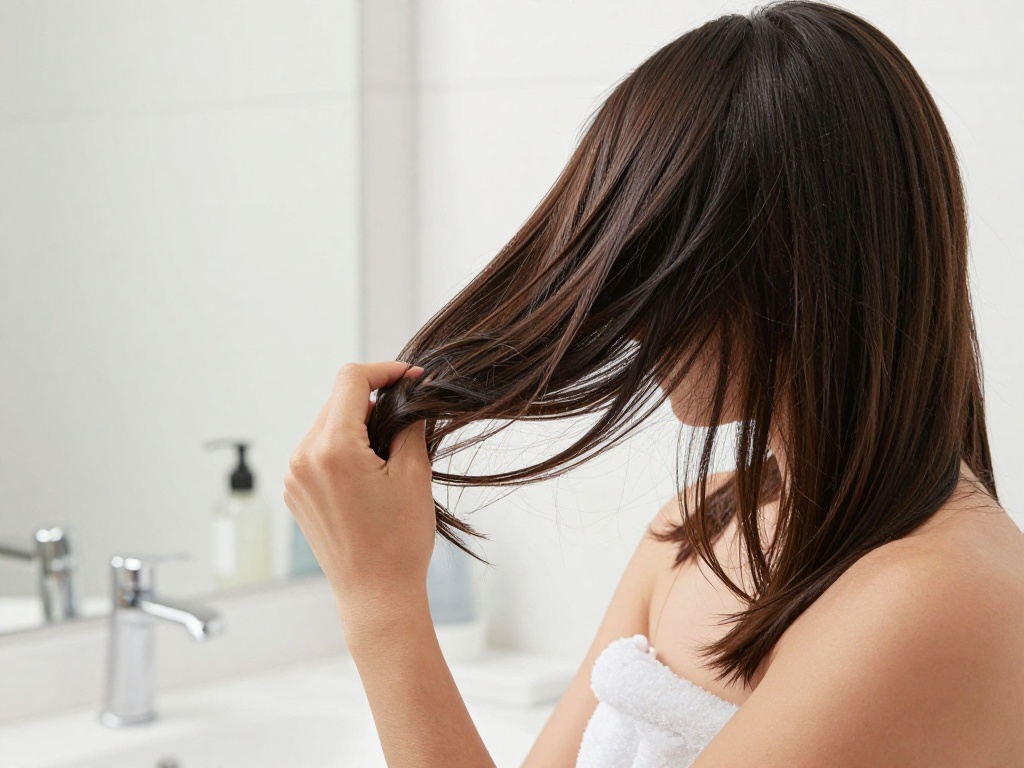
- Use a deep conditioning mask once a week.
- Do an oil massage if your scalp likes oil.
- Clean your combs and brushes.
- Check your scalp for dryness, dandruff, or buildup.
- Avoid heat styling as much as possible.
Monthly Routine
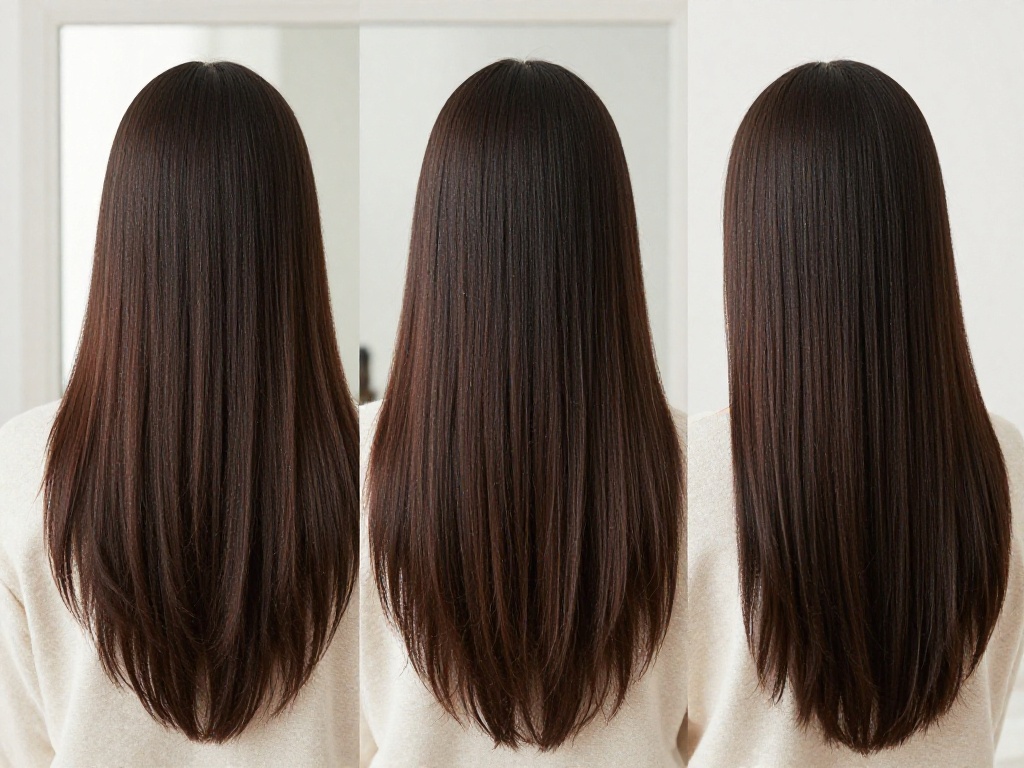
- Track your hair progress with photos.
- Trim split ends if needed.
- Review your products.
- Stay consistent before changing your routine.
This routine is simple, but it works best when you follow it regularly.
Best Ingredients to Look for in Hair Growth Products
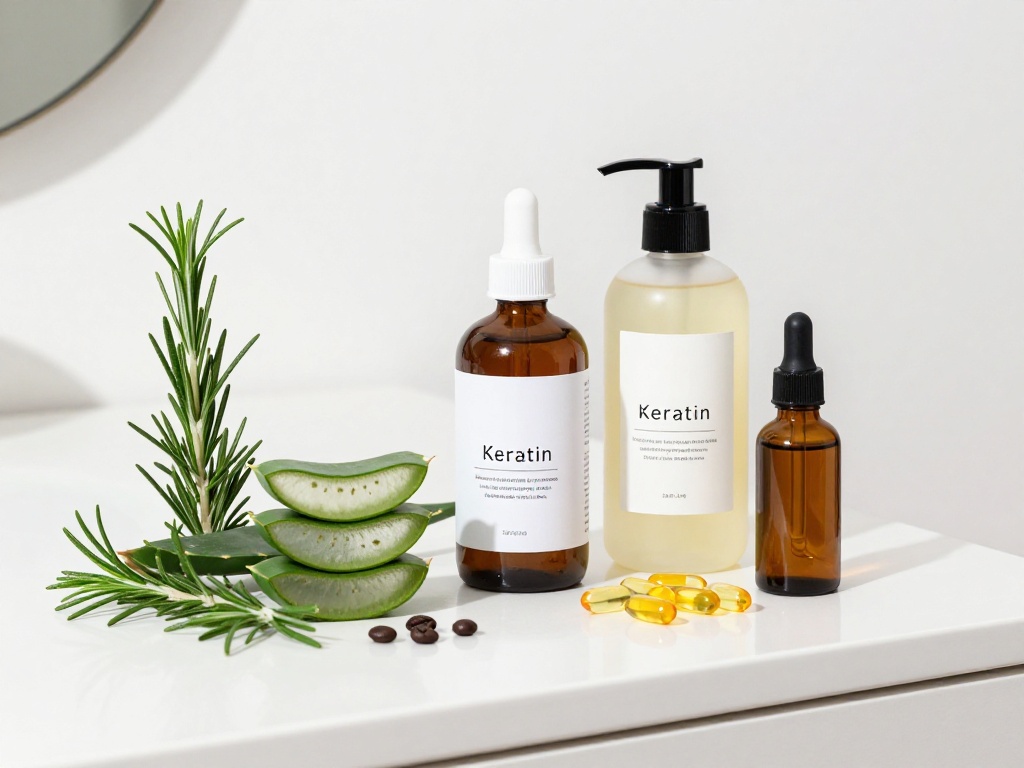
When buying a hair growth product, ingredients matter. You do not need to buy the most expensive product. You need a product that is well-formulated and suitable for your scalp.
Helpful ingredients may include:
Biotin
Biotin is often used in hair care products because it is connected with hair strength and overall hair health.
Rosemary Oil
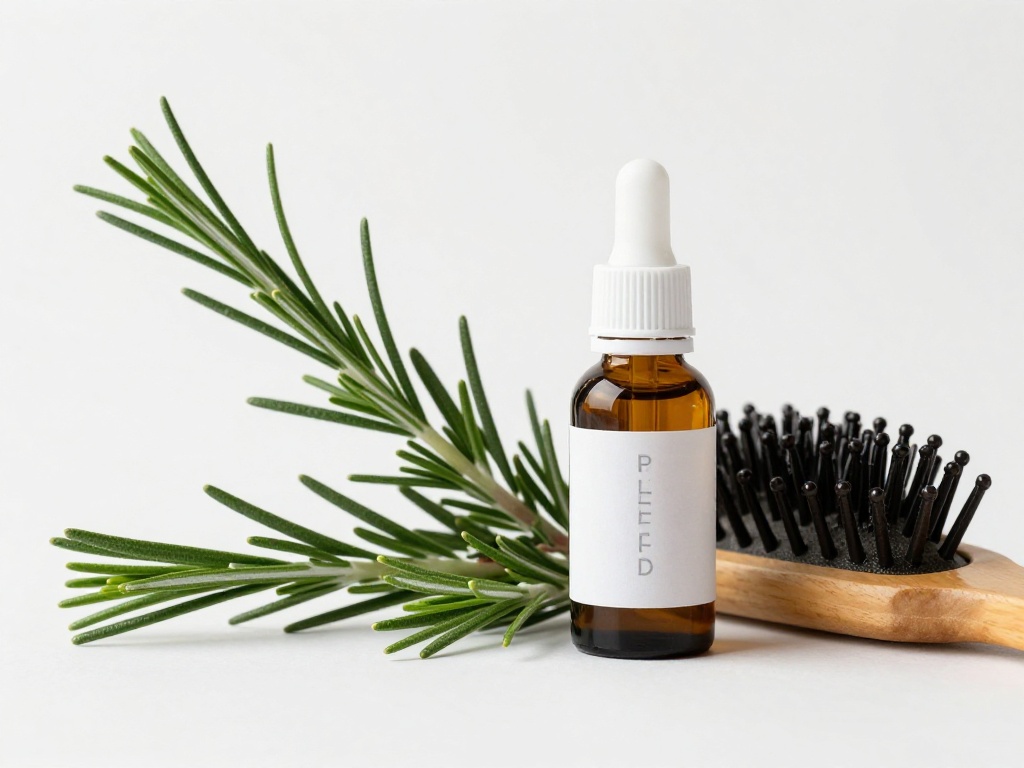
Rosemary oil is popular in many natural hair growth routines. It is often used in scalp oils and serums.
Caffeine
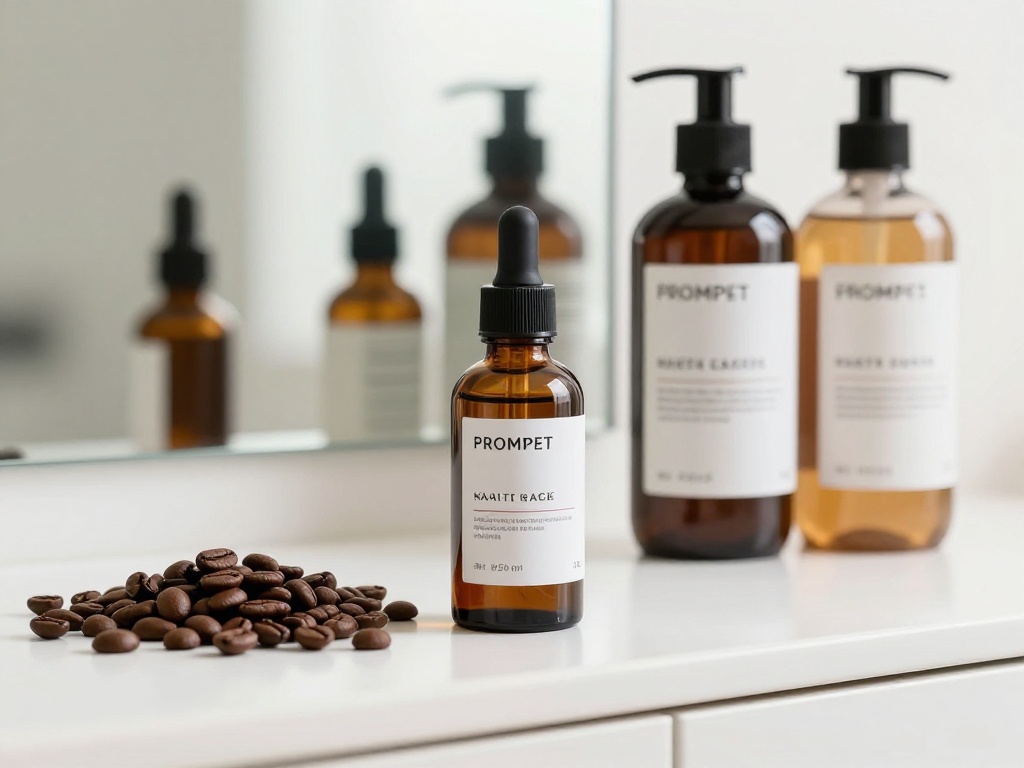
Caffeine hair products are used to support the scalp and energize the roots.
Keratin
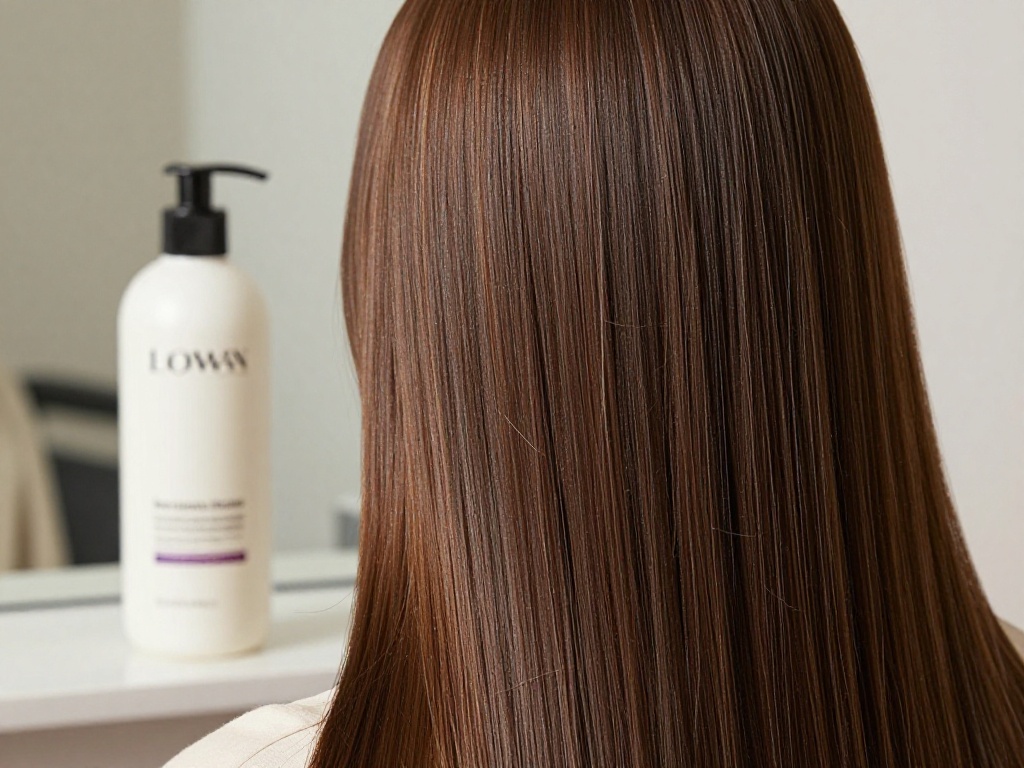
Keratin helps improve the look and feel of damaged hair because hair is naturally made of keratin protein.
Aloe Vera
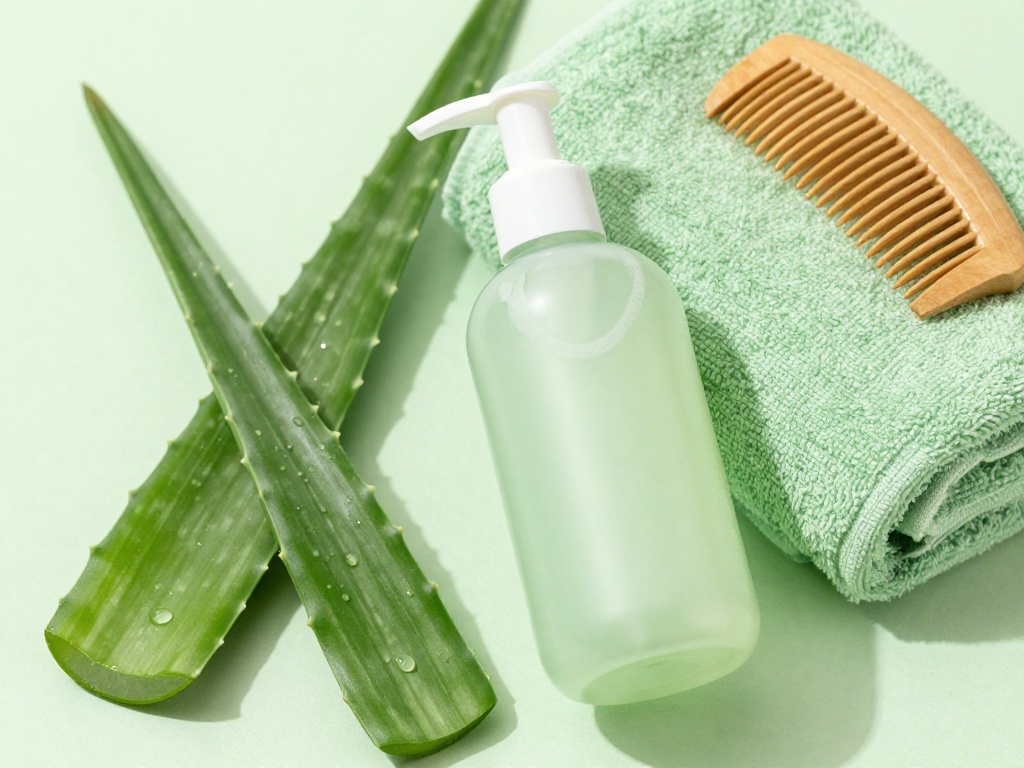
Aloe vera is soothing and can help dry or sensitive scalps feel more comfortable.
Niacinamide
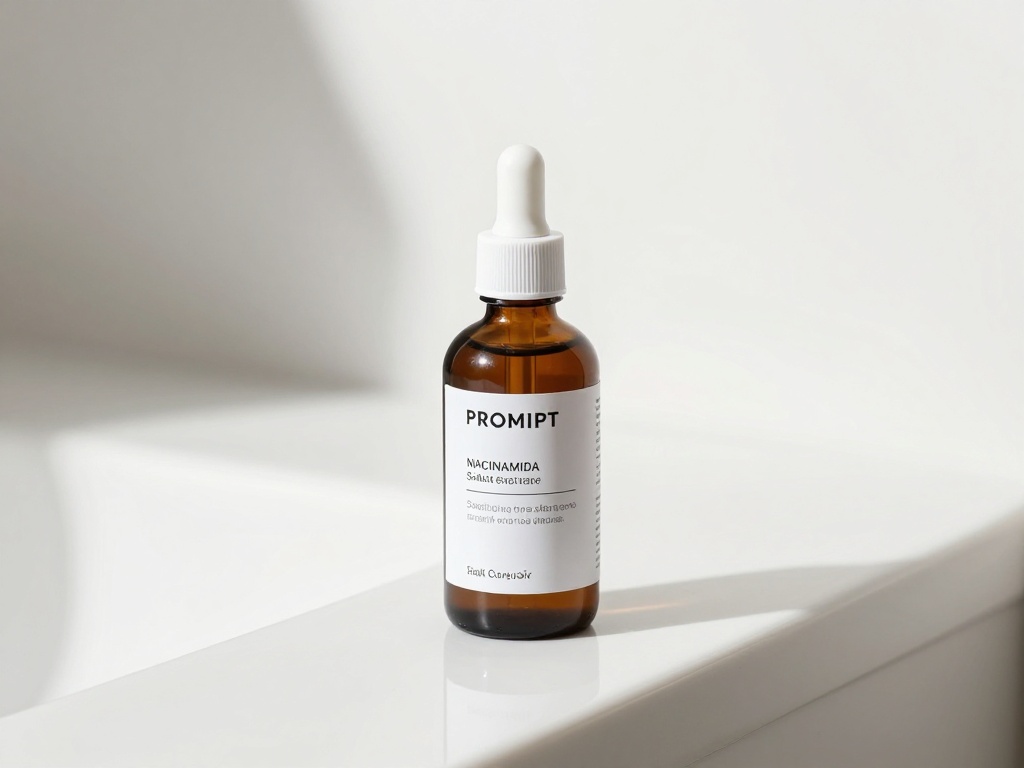
Niacinamide supports the scalp barrier and is becoming popular in modern scalp care.
Peptides
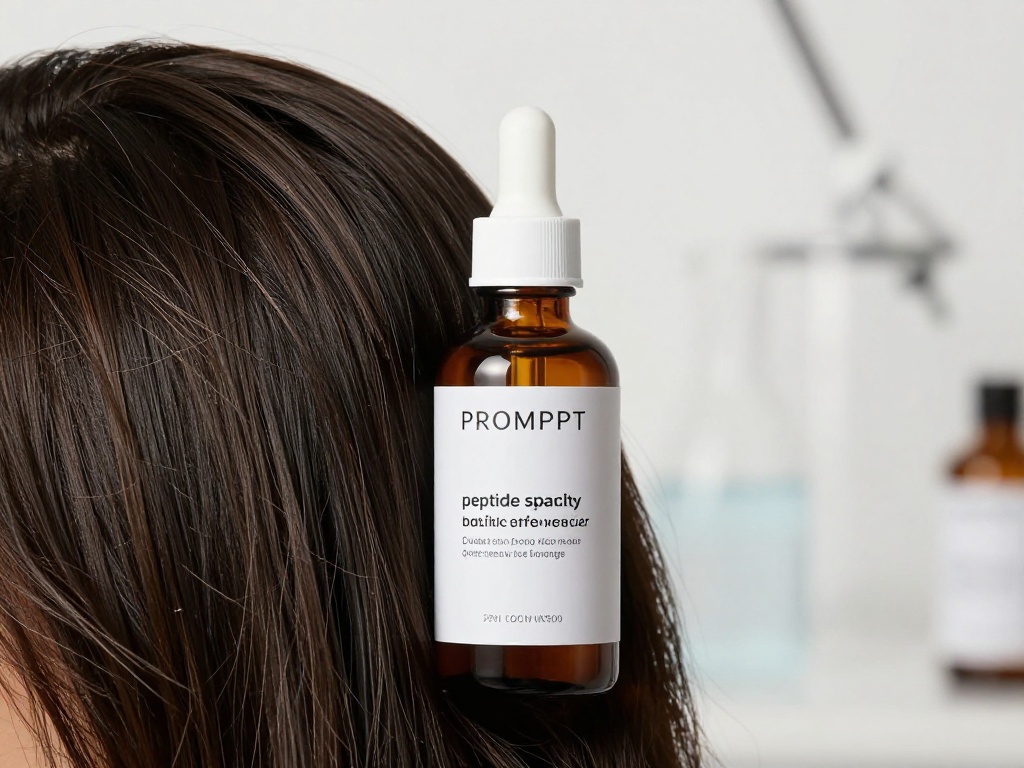
Peptides are used in many advanced beauty products because they support stronger-looking hair and skin.
When choosing a product, avoid formulas that make your scalp burn, itch, or flake. A little cooling feeling may be normal with some ingredients, but strong irritation is not a good sign.
Common Mistakes That Slow Your Hair Progress
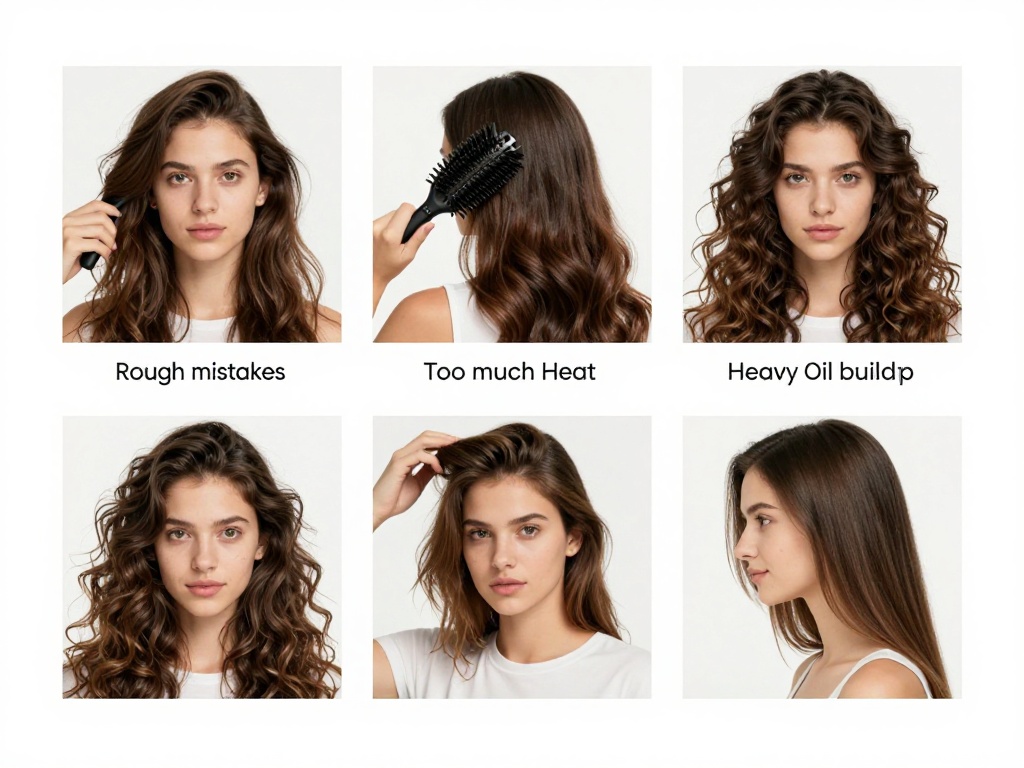
Even with good products, some habits can slow your progress. Avoid these common mistakes:
1. Changing Products Too Quickly
Hair products need time. If you change your hair growth serum every week, you will never know what works.
2. Using Too Much Oil
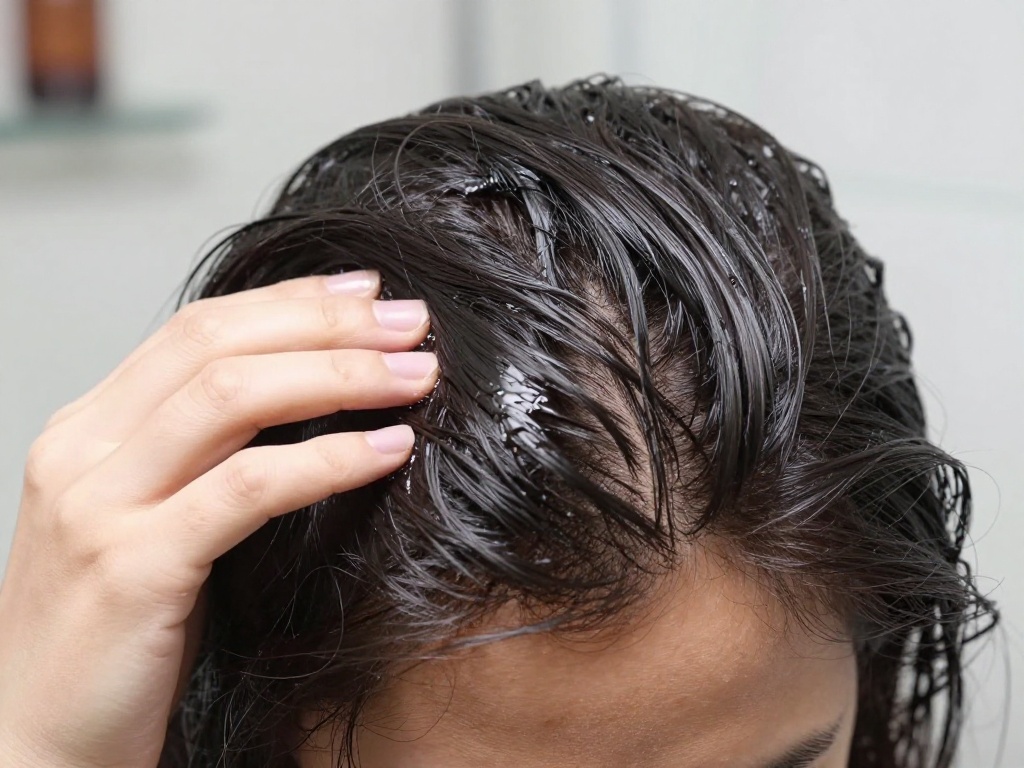
Oil can help seal moisture, but too much oil can cause buildup. Use the right amount for your scalp type.
3. Ignoring the Scalp
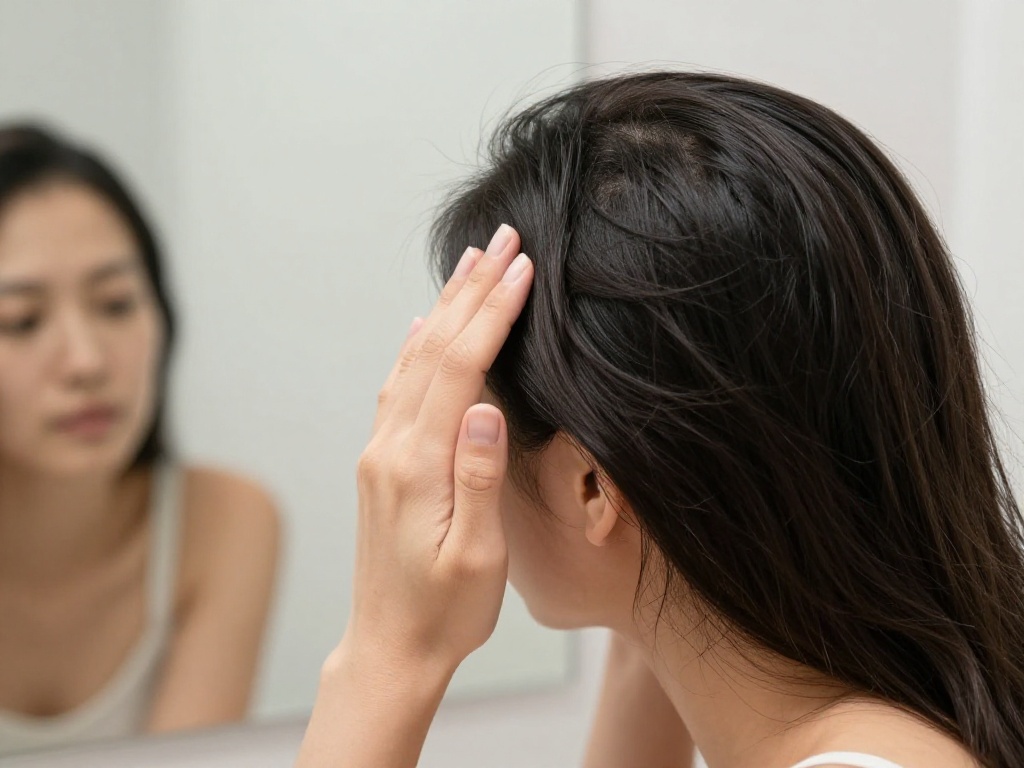
Healthy hair starts with a healthy scalp. If your scalp is itchy, flaky, or inflamed, fix that first.
4. Brushing Too Harshly
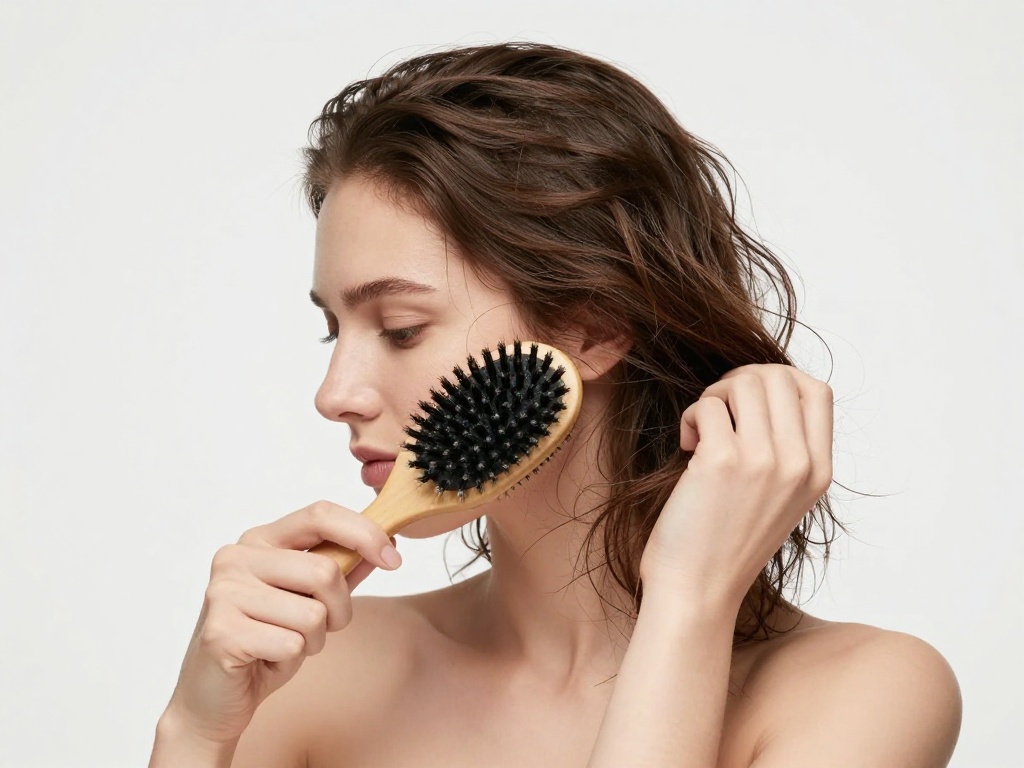
Rough brushing causes breakage. Be patient while detangling.
5. Expecting Overnight Results
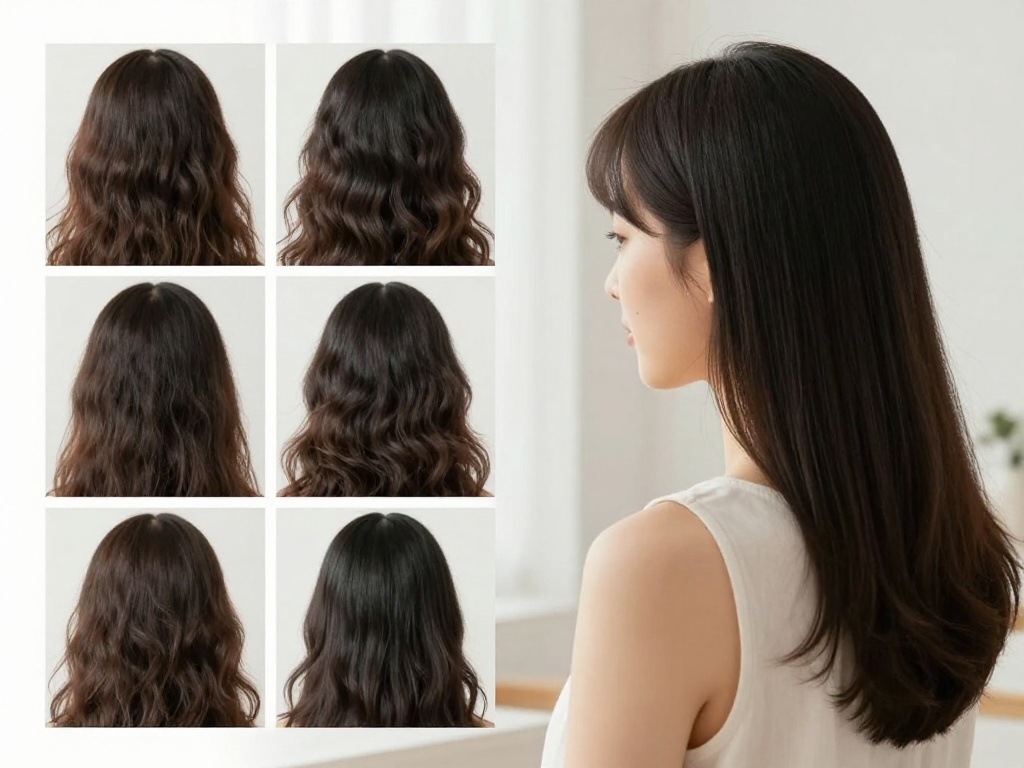
Hair growth takes time. Most people need months of consistency before seeing clear changes.
6. Skipping Nutrition
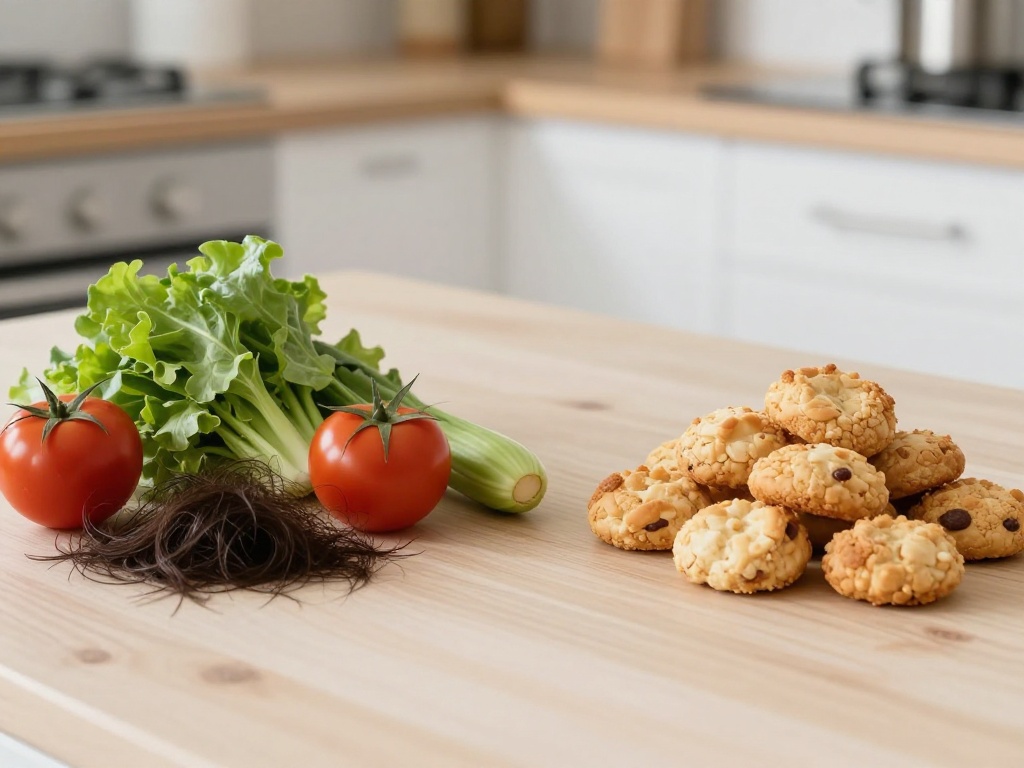
You cannot build strong hair without proper nutrients. Food matters.
7. Using Heat Every Day
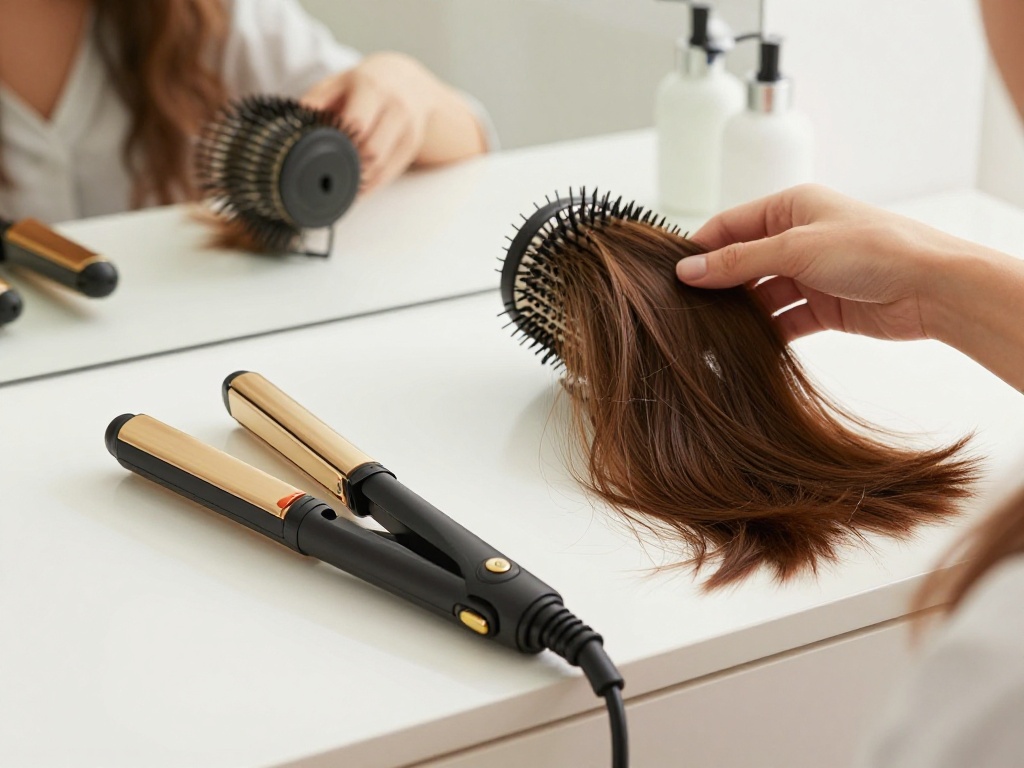
Daily heat can make hair weak and brittle. Reduce heat whenever possible.
When Should You See a Doctor?

A hair care routine for hair growth can support healthier hair, but some hair loss problems need medical help. If your hair loss is sudden, severe, patchy, painful, or linked with scalp redness, it is better to see a dermatologist.
Mayo Clinic explains that hair loss can be related to heredity, medical conditions, medications, poor nutrition, or stress. You can read more from Mayo Clinic hair loss guide.
You should also seek help if:
- You see bald patches.
- Your scalp is painful or swollen.
- You are losing hair suddenly.
- Your hair is shedding in handfuls.
- You recently started a new medication.
- You have other symptoms like fatigue or weight changes.
A good routine helps, but the right diagnosis is important when hair loss is medical.
Why Buying the Right Hair Growth Product Is Worth It
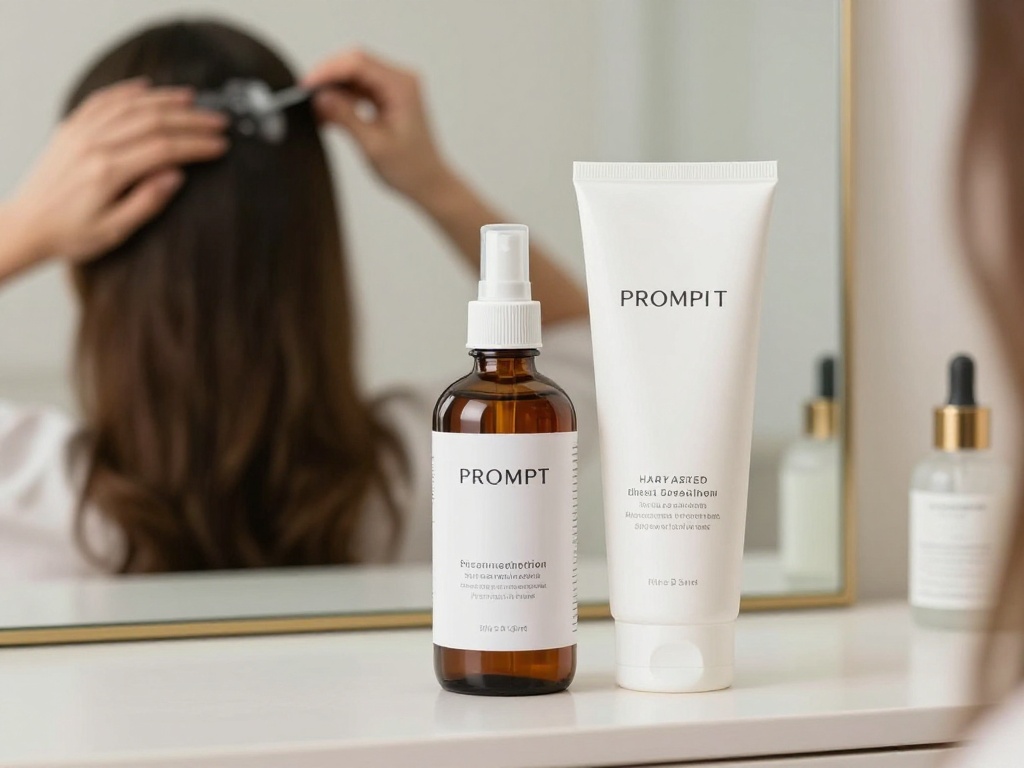
Many people hesitate before buying a hair growth product because they have tried products before and felt disappointed. That is understandable. The market is full of big promises, and not every product is worth your money.
However, the right product can make your routine easier, more complete, and more effective. A good hair growth serum, scalp treatment, or hair strengthening product gives your scalp targeted support that basic washing cannot provide.
Think of it this way: brushing your teeth is important, but if you have gum problems, you may need a special mouthwash or treatment. In the same way, shampooing is important, but if your goal is better hair growth, you may need a focused product that works directly on the scalp.
A trusted hair growth product can help you:
- Build a consistent routine
- Nourish the scalp
- Strengthen weak strands
- Reduce breakage
- Improve hair texture
- Support fuller-looking hair
- Feel more confident about your hair care journey
The key is to use it correctly and consistently. Do not apply it once and expect magic. Make it part of your daily or weekly routine. Take photos every month. Notice how your scalp feels. Watch how your hair behaves.
When your product matches your needs, it becomes more than a purchase. It becomes part of your self-care.
Simple Morning and Night Routine for Hair Growth
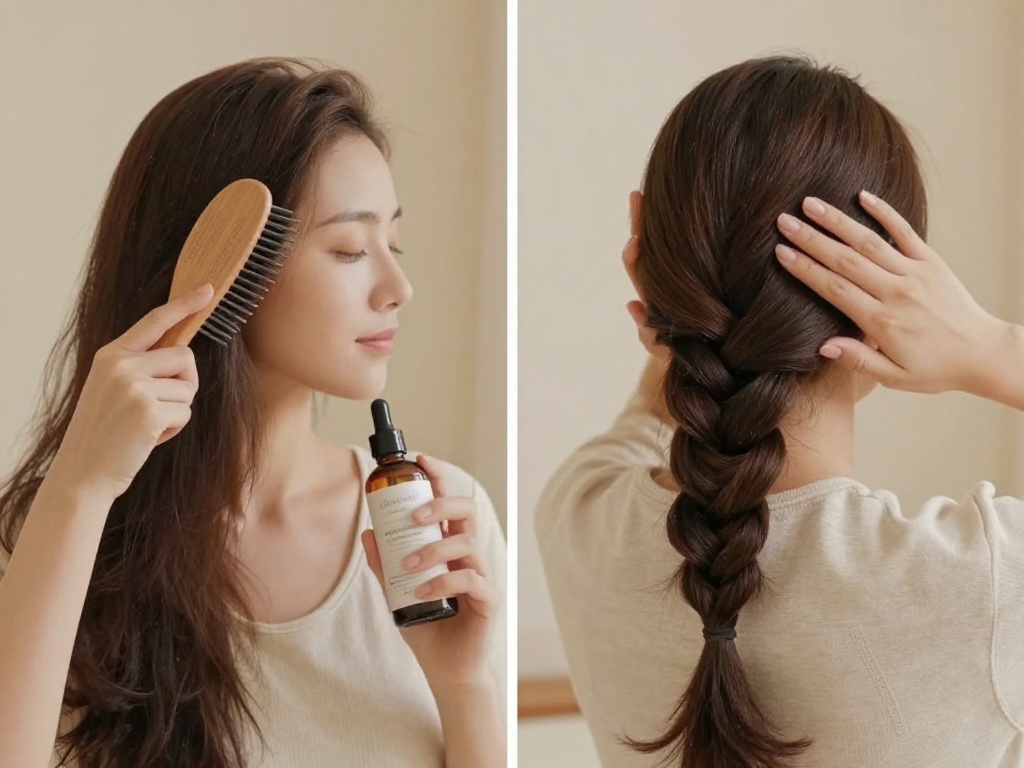
If you want a simple plan, follow this easy morning and night routine.
Morning Routine
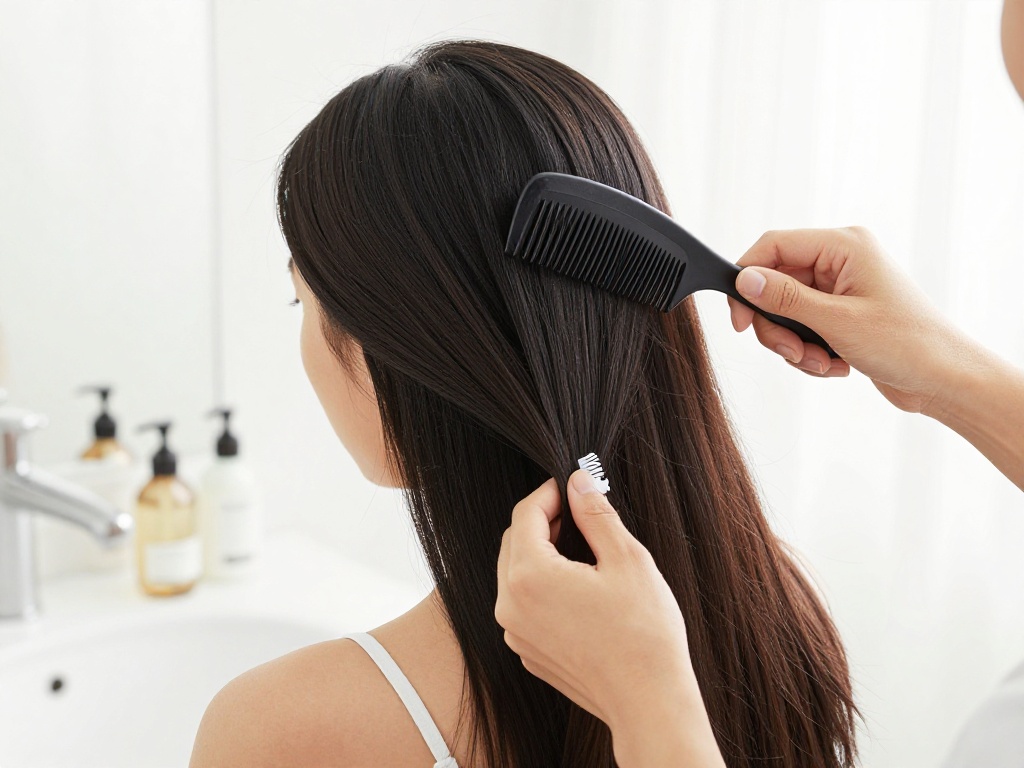
- Gently remove tangles with your fingers or a wide-tooth comb.
- Apply a small amount of leave-in conditioner if your hair is dry.
- Use a light hair serum on the ends if needed.
- Avoid tight hairstyles.
- Protect your hair from sun, pollution, and dryness.
- Eat a healthy breakfast with protein.
Night Routine

- Massage your scalp for 5 minutes.
- Apply your hair growth serum if it is part of your routine.
- Tie hair loosely or braid gently.
- Sleep on a silk or satin pillowcase.
- Avoid sleeping with wet hair.
- Get proper rest.
This simple routine is easy to follow and does not take much time. The secret is doing it regularly.
How Long Does It Take to See Results?
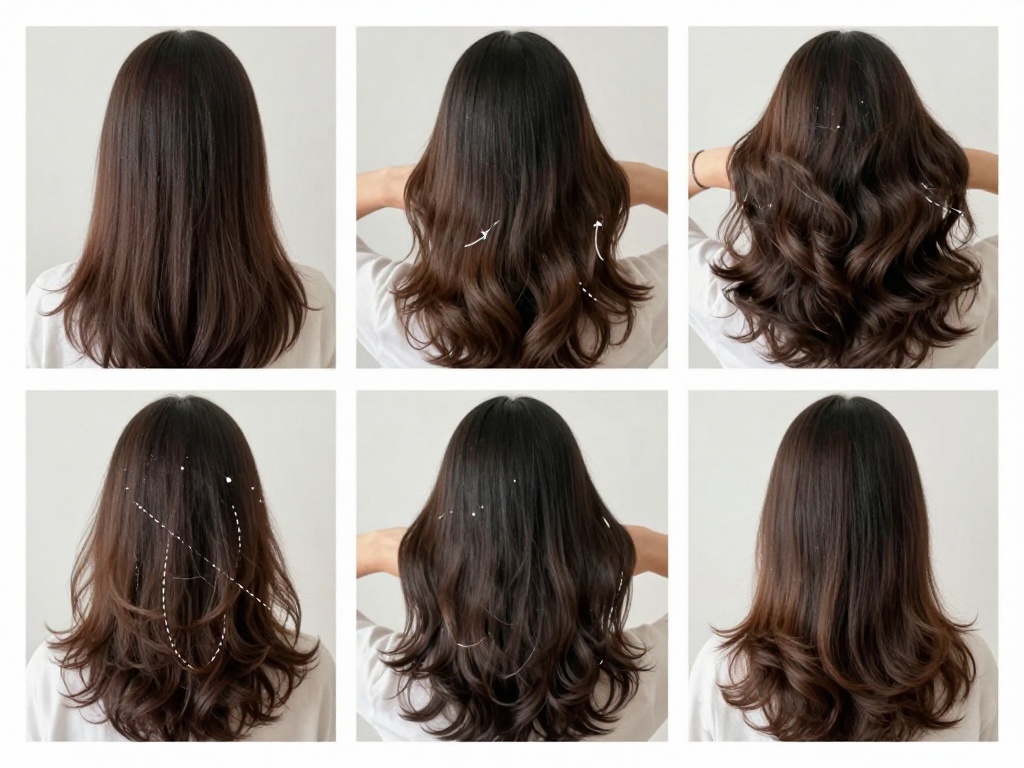
Hair growth is slow. On average, hair grows gradually over time, and results can depend on age, genetics, health, diet, hormones, stress, and hair care habits.
Most people should follow a hair care routine for hair growth for at least 3 to 6 months before judging results. Some may notice softer hair earlier. Others may see less breakage before they see more length.
Here is a realistic timeline:
- First few weeks: Scalp feels cleaner, hair feels softer.
- 1 to 2 months: Less breakage and better manageability.
- 3 months: Hair may look healthier and fuller.
- 6 months: More visible improvement if the routine is consistent.
Do not check your hair length every day. It can make you feel discouraged. Instead, take one photo every month in the same lighting. This gives you a better view of real progress.
FAQ About Hair Care Routine for Hair Growth
1. How often should I wash my hair for hair growth?
Most people can wash their hair 2 to 3 times a week, but it depends on scalp type. Oily scalps may need more washing, while dry or curly hair may need less.
2. Can oil really help with hair growth?
Oil can support scalp massage, reduce dryness, and protect hair from breakage. However, it works best as part of a complete hair growth routine, not as a single solution.
3. Which product is best for hair growth?
A good hair growth serum or scalp treatment with nourishing ingredients is often helpful. Choose one that suits your scalp and use it consistently.
4. Does trimming hair make it grow faster?
No, trimming does not make hair grow faster from the roots. However, it removes split ends and helps prevent breakage, so hair can look longer and healthier.
5. When should I worry about hair loss?
If hair loss is sudden, patchy, painful, or heavy, you should speak with a dermatologist. Some hair loss may be linked to health, stress, medication, or nutrition.
Conclusion
A good hair care routine for hair growth is not complicated. It is a mix of gentle washing, scalp care, proper conditioning, less heat, healthy food, stress control, and the right hair growth product. Instead of chasing overnight results, focus on building habits that support your scalp and protect your hair every day. With patience and consistency, your hair can become stronger, softer, and healthier-looking. And when you hoose a trusted product that fits your routine, you give your hair the extra support it needs to grow with confidence.