
A good haircut does not always need to be dramatic. Sometimes, the smallest change around the face can make the biggest difference. That is why Face Framing Haircuts are so popular. They add shape where people notice it most: around your cheeks, jawline, eyes, and forehead.
Think about a simple haircut with no layers around the front. It may look clean, but it can also feel plain. Now imagine a few soft pieces falling around the cheekbones, a light layer near the chin, or curtain bangs blending into the sides. Suddenly, the same hair looks styled, fresh, and more personal. That is the beauty of face framing layers.
A woman I know had long hair for years. She liked the length, but she always felt her hair looked flat in photos. She did not want a short cut, and she was nervous about bangs. Her stylist suggested soft face framing haircuts with longer pieces around the cheeks and chin. The change was small, but everyone noticed. Her ponytail looked better, her hair looked fuller, and her face looked brighter. She said, “I feel like I got a new haircut without losing my hair.”
That is exactly why this style works. Face Framing Haircuts give you change without too much risk. They can soften strong features, highlight your best points, and make everyday styling easier. Whether you want a real haircut, a face framing wig, clip-in face framing extensions, or a styling product to shape your layers at home, this guide will help you choose with confidence.
What Are Face Framing Haircuts?
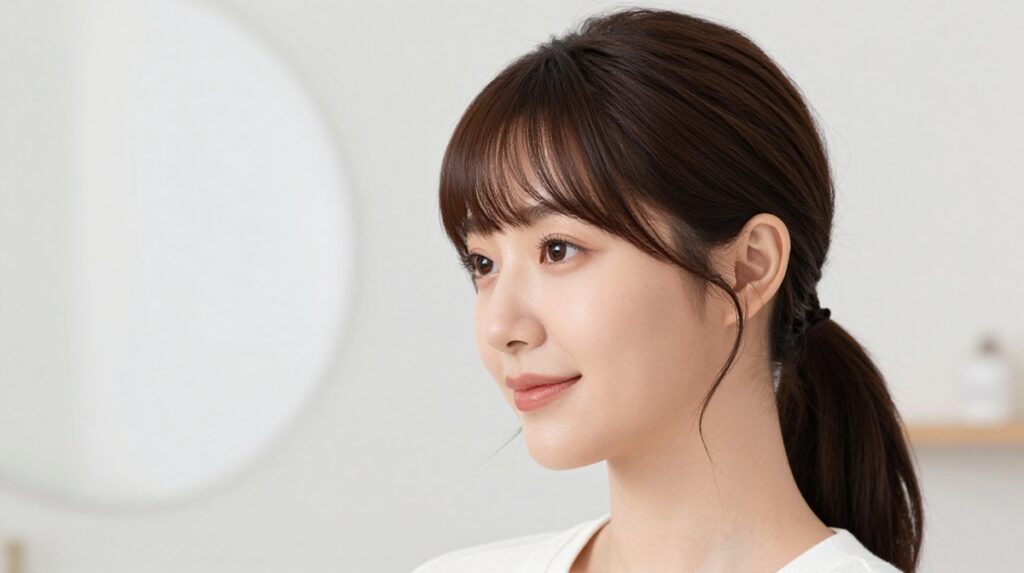
Face Framing Haircuts are haircuts that include shorter or shaped pieces around the front of the face. These pieces are designed to frame your features, almost like a picture frame. They can start near the cheekbones, lips, chin, collarbone, or even higher if you choose bangs.
The main goal is to make the haircut more flattering. Instead of all the hair falling in one length, the front layers create softness, movement, and balance.
You may hear similar names such as:
- Face framing layers
- Front layers
- Curtain layers
- Long layers around the face
- Soft layers
- Butterfly layers
- Face framing bangs
- Layered haircut
- Money piece layers
- Textured front layers
Although these styles are slightly different, they all share one idea. They shape the hair around your face so the whole look feels more flattering and finished.
Modern beauty advice often focuses on choosing haircuts according to face shape. For example, InStyle’s guide to summer haircuts for every face shape explains how different cuts can balance round, square, heart-shaped, oval, oblong, and diamond face shapes. This is exactly where Face Framing Haircuts become useful because the front layers can be adjusted to suit you.
Why Face Framing Haircuts Are So Popular
The biggest reason people love Face Framing Haircuts is that they give a visible change without forcing you to lose a lot of length. Many people want something new, but they are scared of cutting too much hair. Face framing layers solve that problem.
They also make simple hairstyles look more styled. A ponytail, bun, braid, blowout, or loose wave can look better when soft pieces fall around the face. Even when your hair is tied back, the front layers keep the style from looking too plain.
Another reason is that these haircuts are flexible. You can make the framing soft and natural, or you can make it bold and noticeable. You can pair it with long hair, short hair, medium hair, bobs, lobs, shags, curtain bangs, or layered cuts.
Here are some benefits of Face Framing Haircuts:
- They soften the face.
- They highlight the eyes, cheekbones, and jawline.
- They add movement to flat hair.
- They make long hair look less heavy.
- They help thick hair feel lighter.
- They make ponytails and buns look more stylish.
- They can balance different face shapes.
- They are easier to try than a full haircut transformation.
- They work well with wigs and extensions.
In simple words, face framing haircuts are popular because they are flattering, practical, and easy to personalize.
Who Should Try Face Framing Haircuts?
Almost anyone can try Face Framing Haircuts. The important thing is choosing the right length and shape for your face, hair type, and lifestyle.
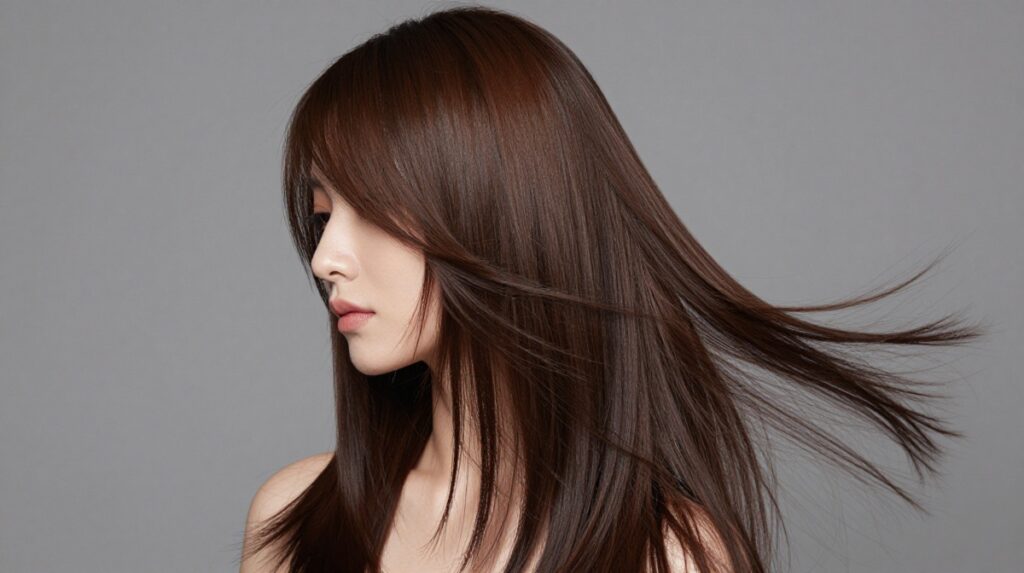
If you have long hair, face framing layers can make your length look more interesting. Long hair without layers can sometimes look heavy or flat, especially around the front. Soft layers around the face can create movement without removing too much length.
If you have medium hair, face framing pieces can add shape and make the haircut look more modern. Shoulder-length hair often looks better with layers because the style feels lighter and more natural.
If you have short hair, face framing can soften the cut. A bob, lob, or pixie can look more flattering when the front pieces are shaped carefully.
If you have fine hair, light face framing layers can create the look of volume. However, the layers should not be too thin because that can make the ends look weak.
If you have thick hair, stronger face framing layers can remove weight and make styling easier.
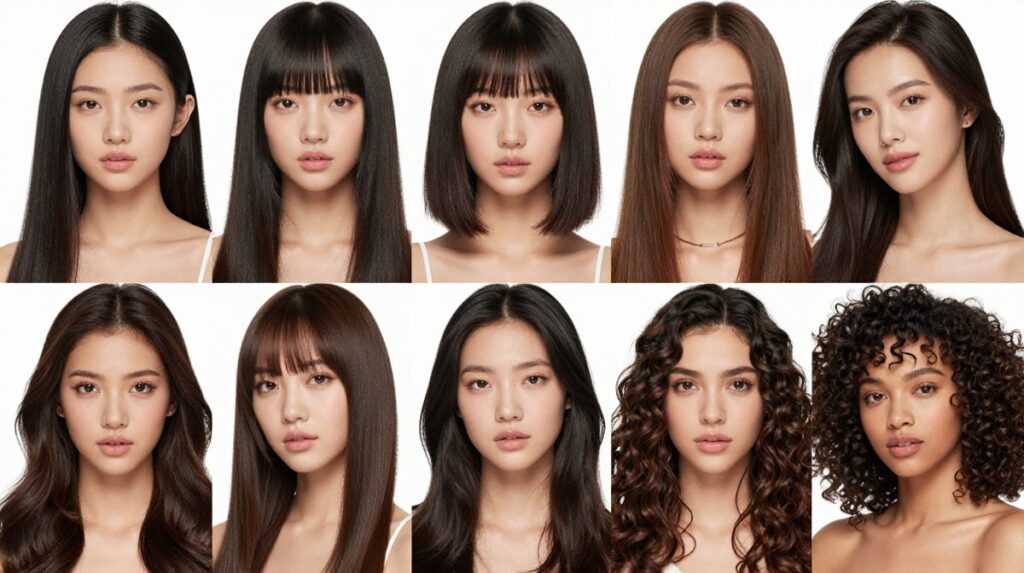
If you have curly or wavy hair, face framing can be beautiful, but the layers should be cut with your natural texture in mind. Curls shrink when dry, so the front pieces should not be cut too short by mistake.
Also Read: Hair Care Routine for Hair Growth
Best Types of Face Framing Haircuts

There are many types of Face Framing Haircuts, and each one gives a slightly different look. The best choice depends on how soft, bold, or low-maintenance you want your hairstyle to be.
1. Long Face Framing Layers

Long face framing layers are perfect for people who want a gentle change. These layers usually start around the chin or collarbone and blend into the rest of the hair.
This style works beautifully with long hair because it gives movement without taking away length. It is also easy to grow out.
2. Short Face Framing Layers

Shorter front layers can start around the cheekbones, lips, or jawline. They create more shape and make the haircut look more styled.
This option is good if you want your face framing pieces to be more noticeable.
3. Curtain Bangs With Face Framing Layers
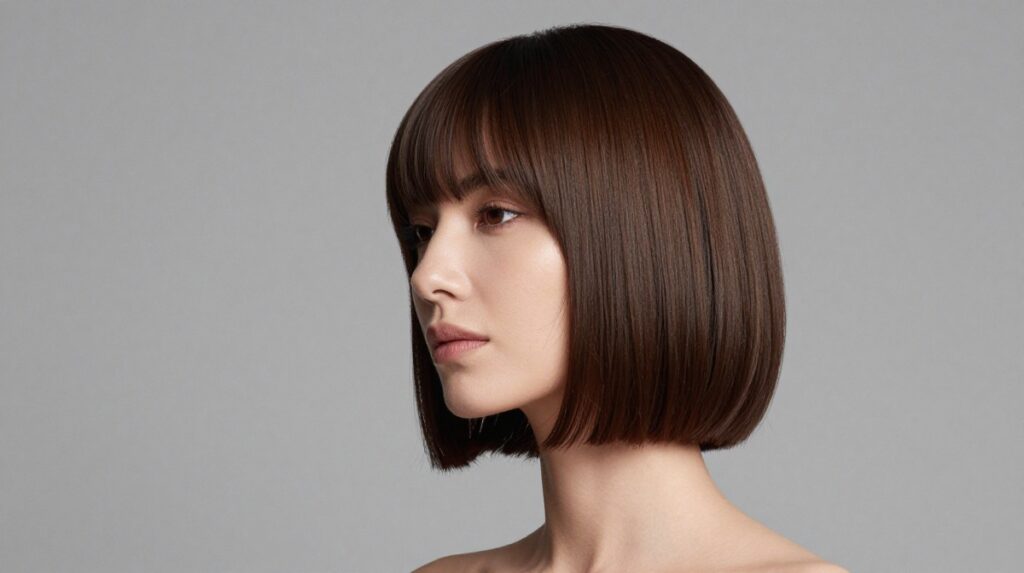
Curtain bangs are one of the most loved ways to frame the face. They part near the middle and fall softly toward both sides.
When curtain bangs blend into longer side layers, the result is soft, romantic, and easy to wear. Harper’s Bazaar’s guide to French-girl fringe also highlights the appeal of airy bangs and face-framing layers that grow out naturally.
4. Butterfly Face Framing Haircut
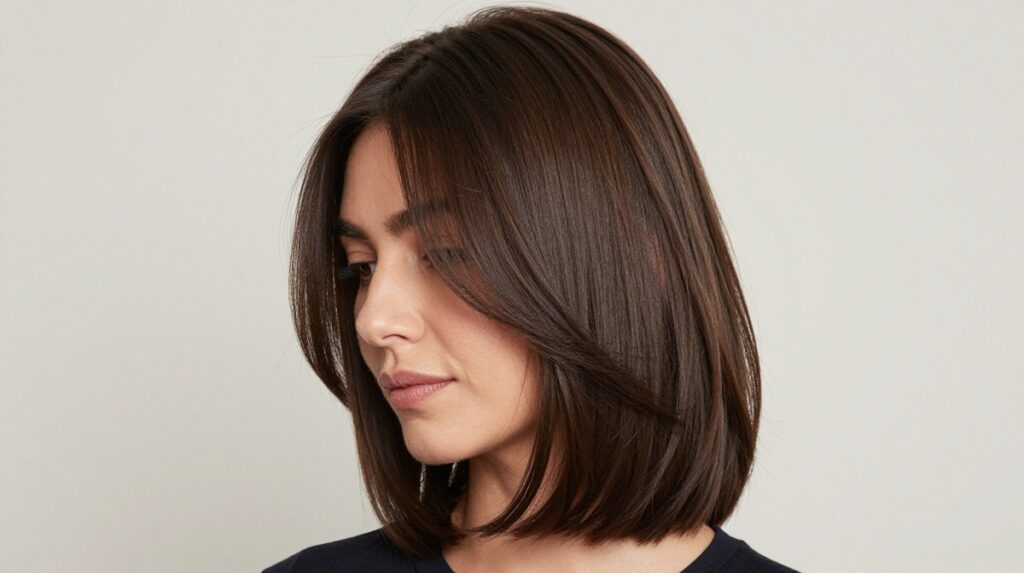
A butterfly haircut has shorter layers around the front and longer layers throughout the hair. It creates volume, bounce, and movement.
This is a great choice if you want a fuller style without cutting all your hair short.
5. Face Framing Bob
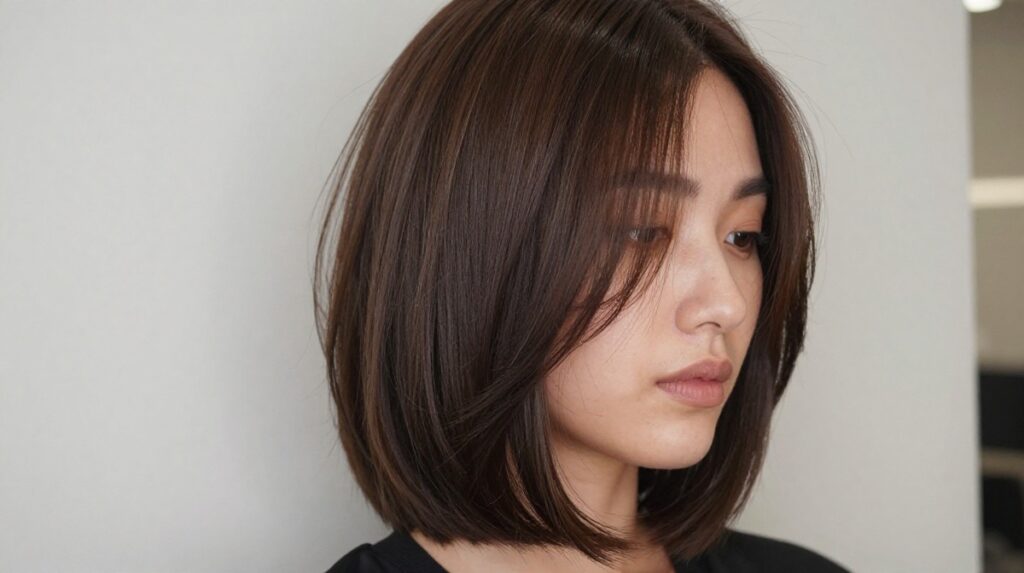
A bob with face framing layers can look soft, modern, and polished. The front pieces can be slightly longer or softly layered to flatter the jawline.
This works well for people who want a shorter haircut but do not want it to look too sharp.
6. Face Framing Lob
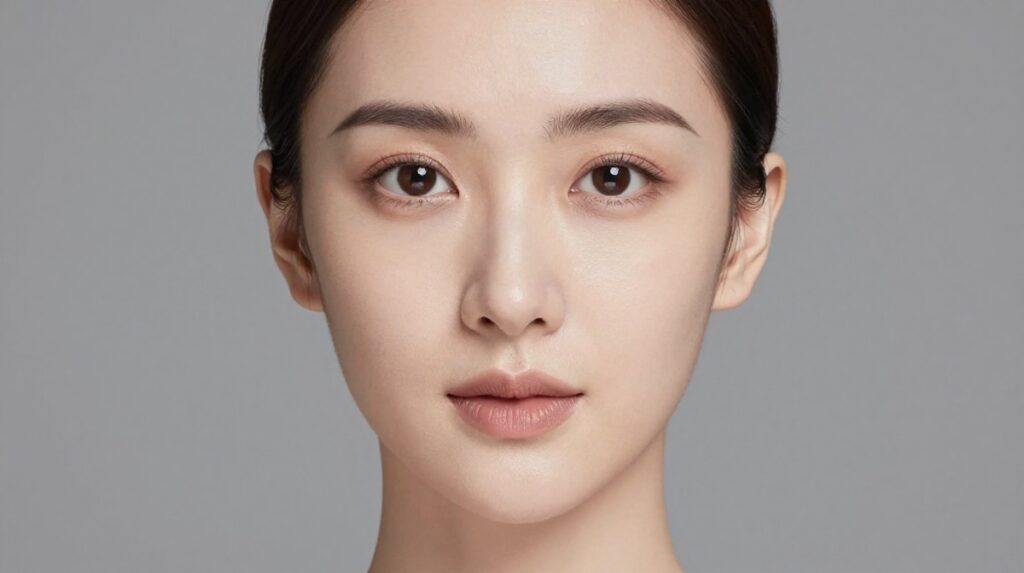
A lob, or long bob, is one of the safest and most flattering cuts. When you add face framing layers, it becomes even more stylish.
A face framing lob works well for many face shapes and hair textures.
7. Face Framing Shag

A shag haircut includes lots of texture and layers. When paired with face framing pieces, it gives a relaxed, cool, and modern look.
This style is best for people who enjoy natural movement and a slightly messy finish.
How to Choose Face Framing Haircuts for Your Face Shape
Choosing the right Face Framing Haircuts starts with your face shape. The goal is not to hide your face. The goal is to balance and highlight it.
Round Face
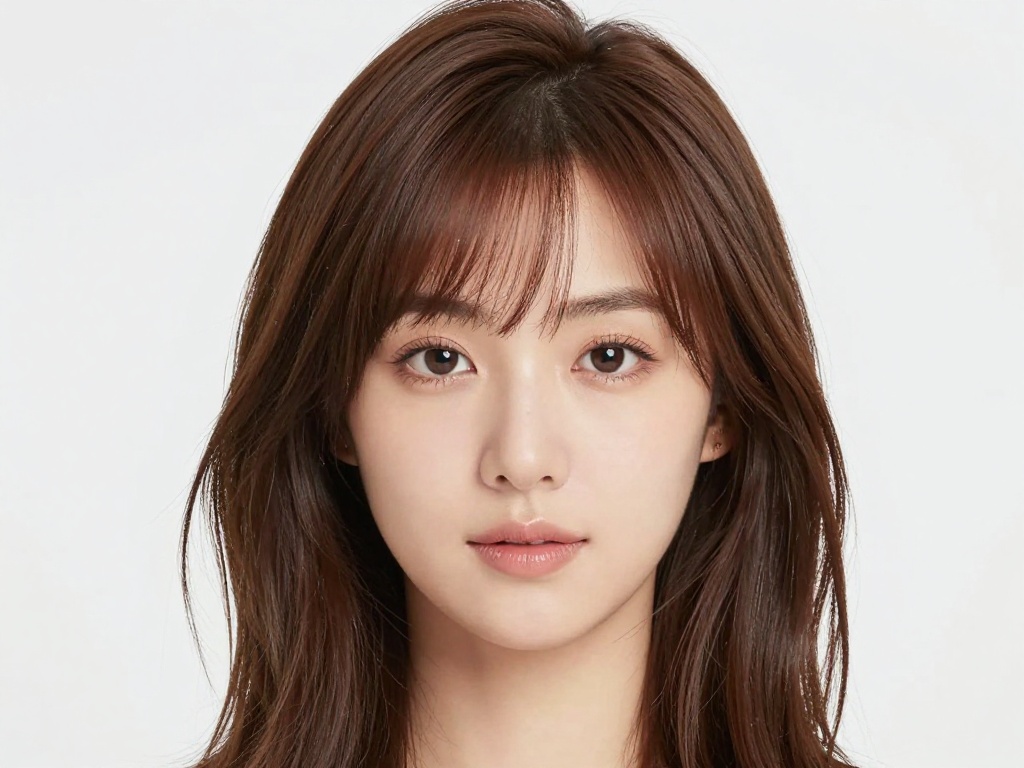
If you have a round face, longer face framing layers usually work best. Pieces that start below the chin can help make the face look longer.
Avoid too much volume at cheek level if you want a slimmer effect. A side part or long curtain bangs can also help.
Square Face
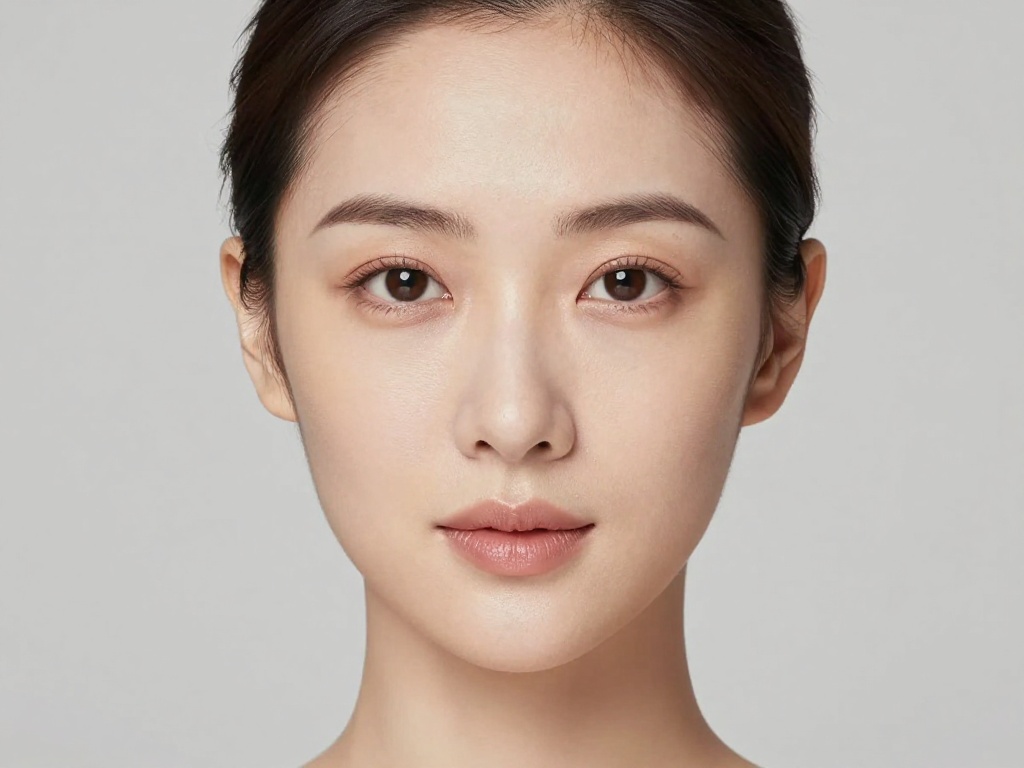
A square face often has a strong jawline. Soft face framing layers can make the jaw look gentler.
Choose layers that bend around the cheekbones and jaw instead of stopping in one blunt line.
Oval Face
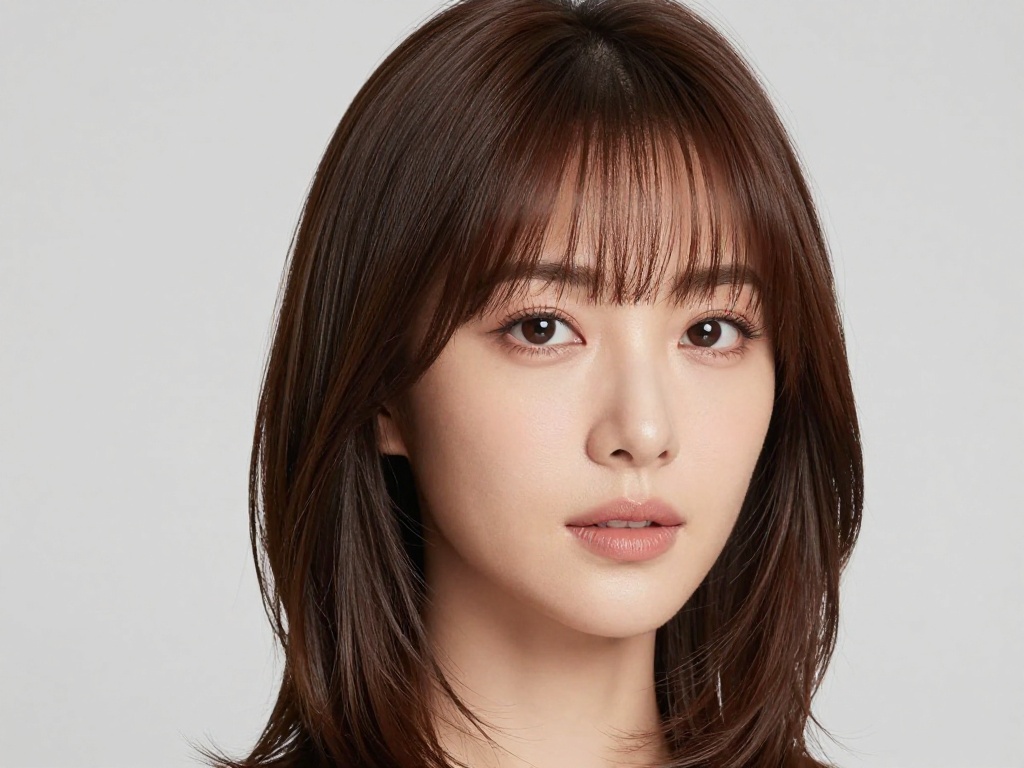
Oval faces can wear most face framing haircuts. You can try curtain bangs, cheekbone layers, chin-length pieces, or long layers.
This face shape gives you a lot of flexibility.
Heart-Shaped Face

A heart-shaped face usually has a wider forehead and a narrower chin. Curtain bangs and chin-length layers can balance the face nicely.
Soft pieces around the cheeks can also bring attention to the eyes.
Long Face
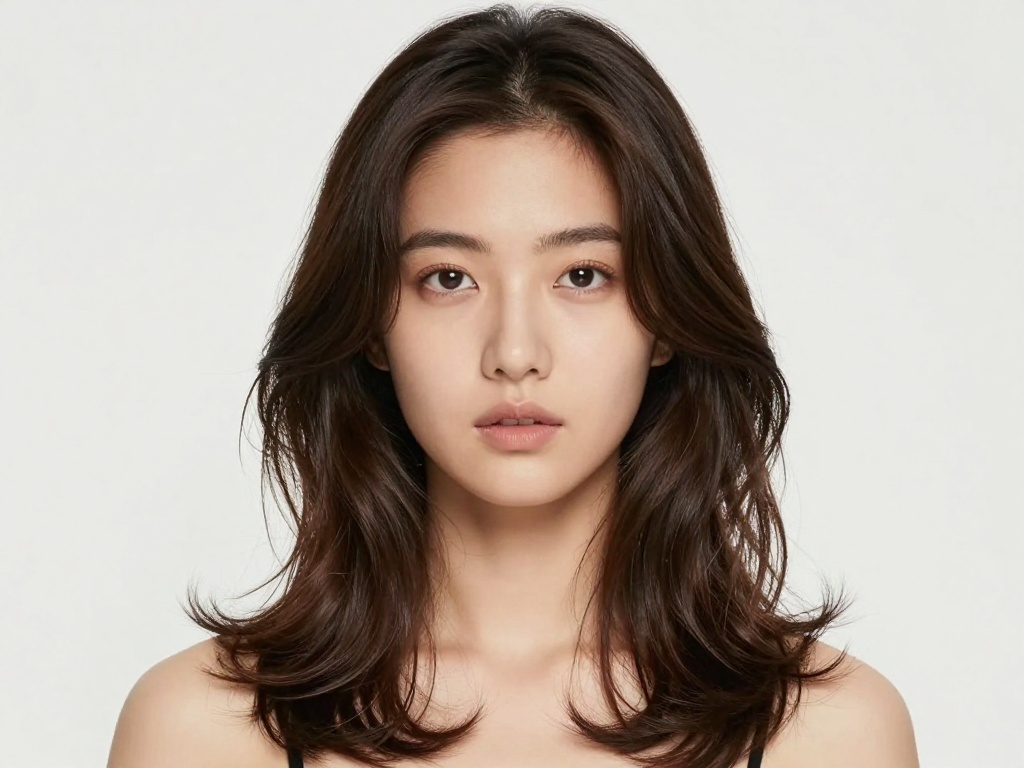
If your face is long, choose face framing layers that add width. Curtain bangs, cheekbone layers, or soft waves can help create balance.
Avoid very long, straight pieces with no shape because they can make the face look longer.
Diamond Face
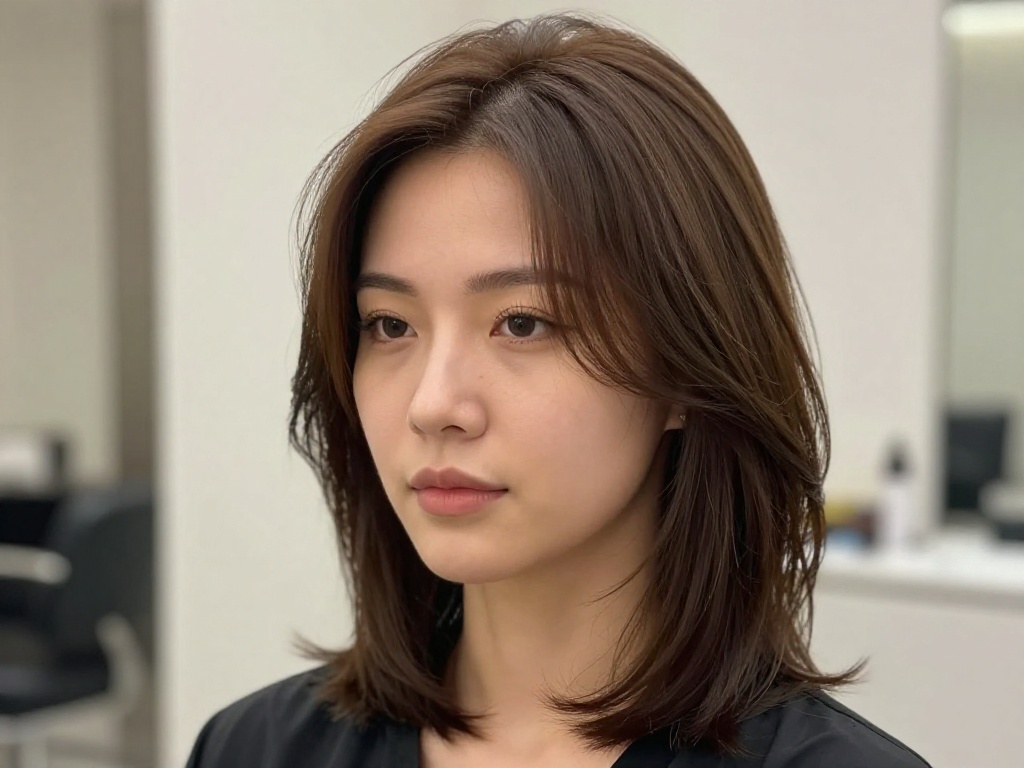
A diamond face often has strong cheekbones and a narrower forehead and chin. Soft layers around the cheekbones and jaw can create a balanced look.
A side part or soft curtain fringe can also work well.
Step-by-Step Guide Before Getting Face Framing Haircuts
Before you cut your hair or buy a face framing hair product, take a few simple steps. This will help you get a result you actually love.
Step 1: Know Your Goal
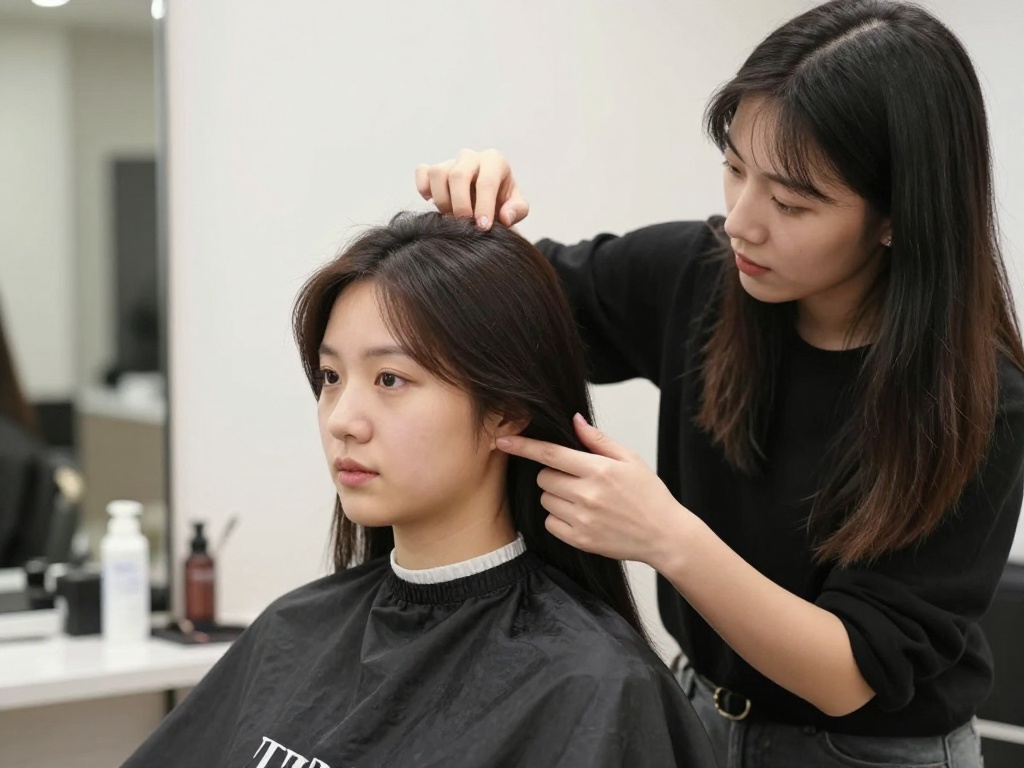
Ask yourself what you want from the haircut. Do you want softness, volume, shape, or a younger-looking style? Do you want a small change or a bold change?
When you know the goal, it becomes easier to choose the right type of face framing layers.
Step 2: Look at Your Hair Length
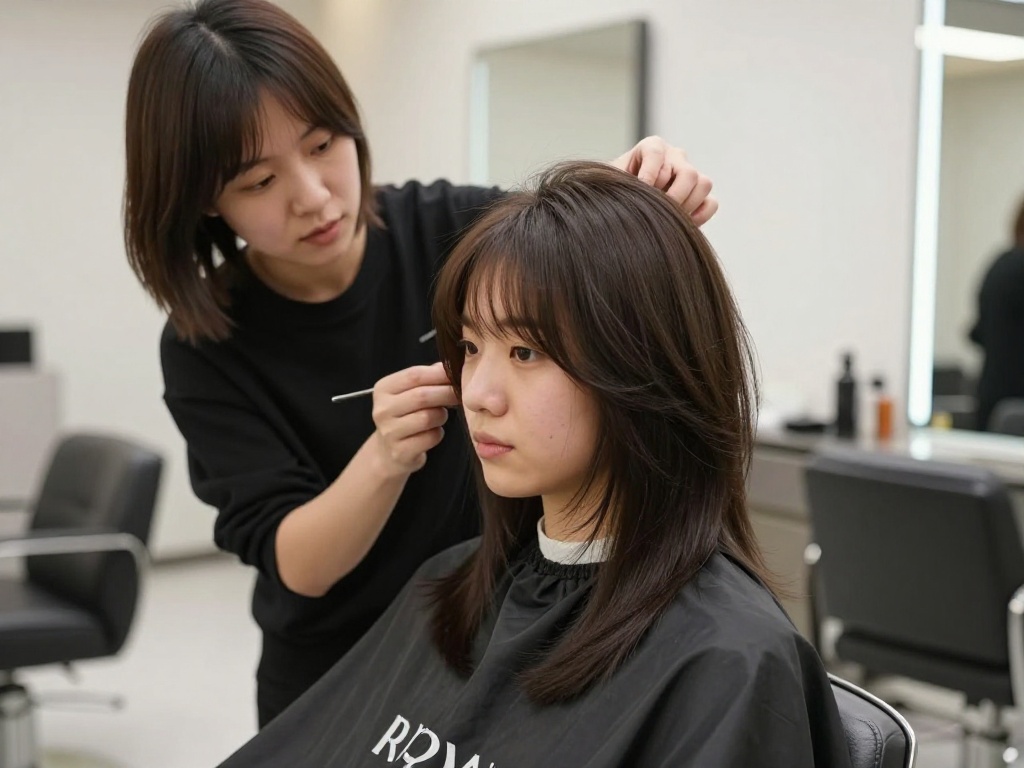
Your current hair length matters. Long hair can handle longer layers. Short hair needs more careful shaping. Medium hair can usually work with many types of face framing.
If you are unsure, start with longer pieces. You can always cut more later.
Step 3: Check Your Hair Texture
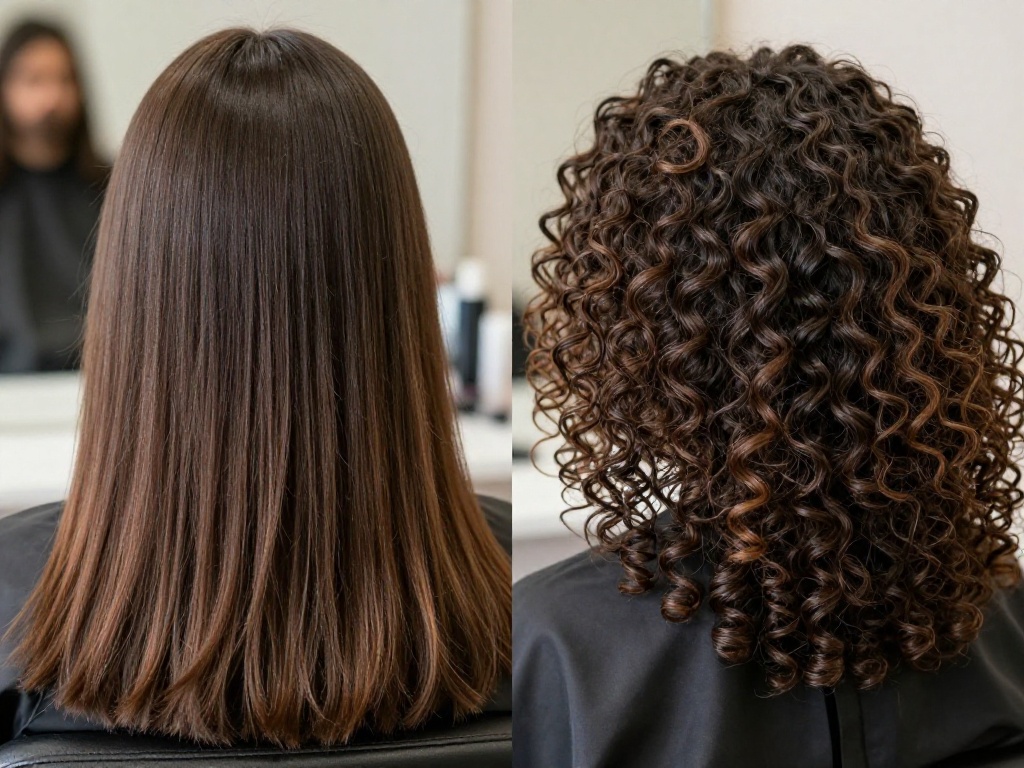
Straight hair shows the cut clearly. Wavy hair gives a natural soft look. Curly hair needs careful planning because the pieces will spring up when dry.
Fine hair needs light layers. Thick hair can handle stronger layers.
Step 4: Save Reference Photos
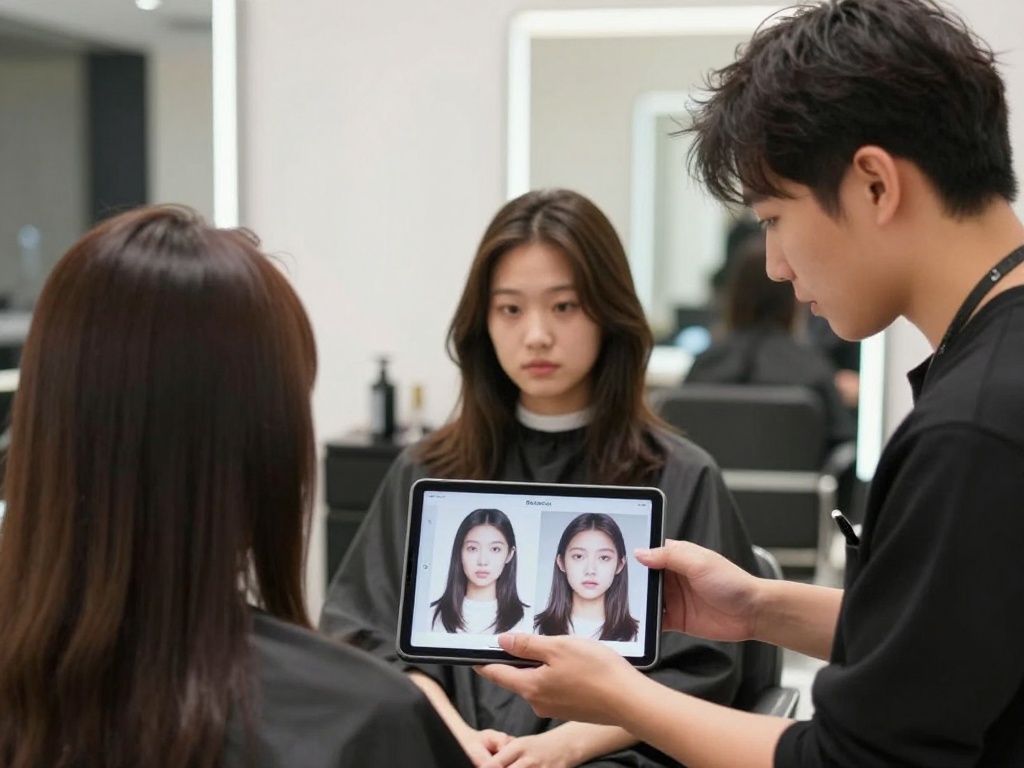
Photos are very helpful. Choose pictures where the person has a similar hair type and face shape. This makes your expectation more realistic.
Do not rely only on the words “face framing.” One stylist may imagine curtain bangs, while another may imagine long layers. A photo removes confusion.
Step 5: Talk About Styling Time
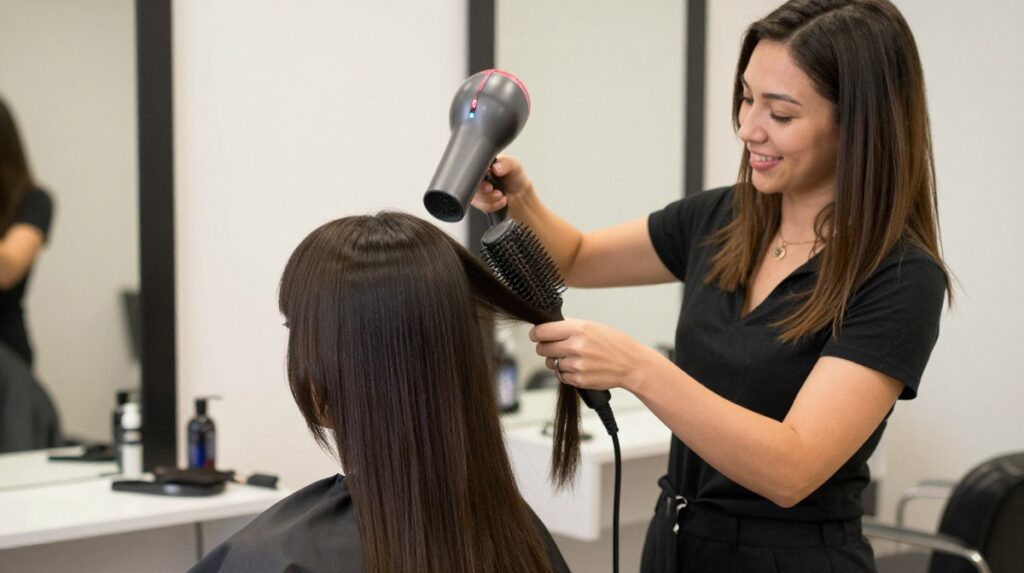
Be honest with your stylist. If you do not want to blow-dry your hair every day, say that. A good haircut should fit your routine.
Step 6: Ask About Maintenance
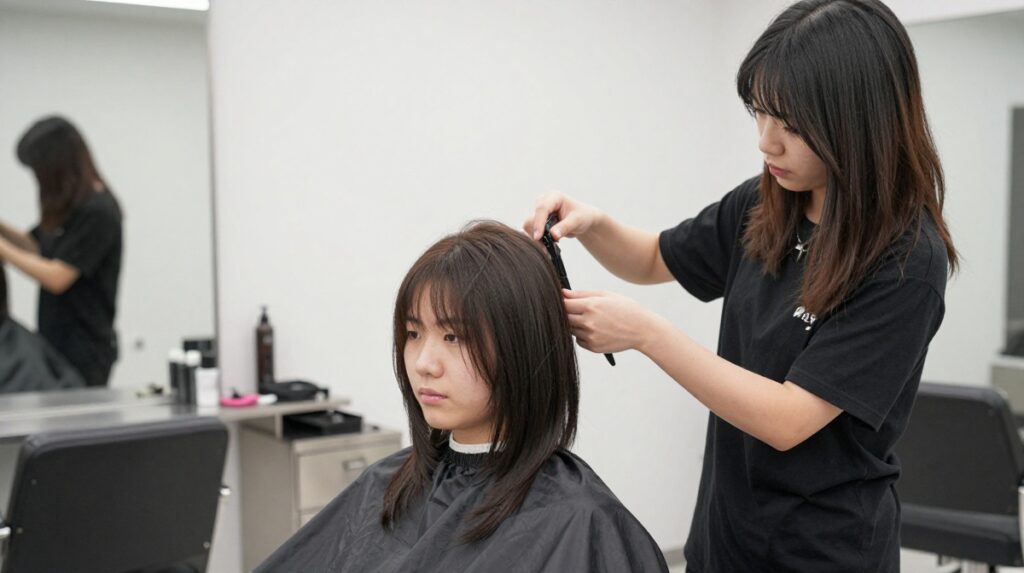
Some face framing haircuts grow out softly. Others need regular trims. Ask how often you should come back to keep the shape fresh.
Step 7: Consider a Temporary Product First
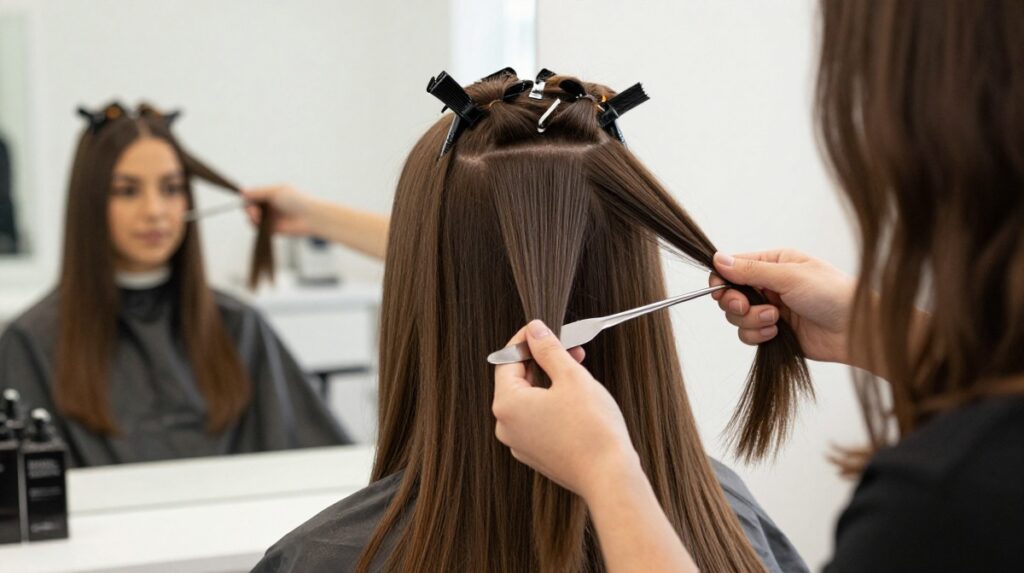
If you are nervous, try clip-in face framing extensions, a face framing wig, or a hair topper with front layers. This lets you test the style before making a permanent change.
How to Style Face Framing Haircuts at Home
A good haircut makes styling easier, but the right steps help your Face Framing Haircuts look even better.
Step 1: Start With Clean, Light Hair

Use a shampoo that suits your scalp. Then use conditioner on the mid-lengths and ends. Avoid too much heavy product near the roots because it can make the front layers fall flat.
The American Academy of Dermatology shares helpful advice on hair styling without damage, including reducing heat styling and letting hair partially air dry when possible.
Step 2: Towel Dry Gently

Do not rub your hair roughly. Gently squeeze out extra water with a towel or soft cotton shirt.
This helps reduce frizz and keeps the front pieces smoother.
Step 3: Apply a Lightweight Product

Use a small amount of mousse, styling cream, heat protectant, or leave-in conditioner. Choose the product based on your hair type.
Fine hair usually needs volume. Thick hair usually needs smoothing. Wavy hair may need texture or curl cream.
Step 4: Blow-Dry the Front Pieces First
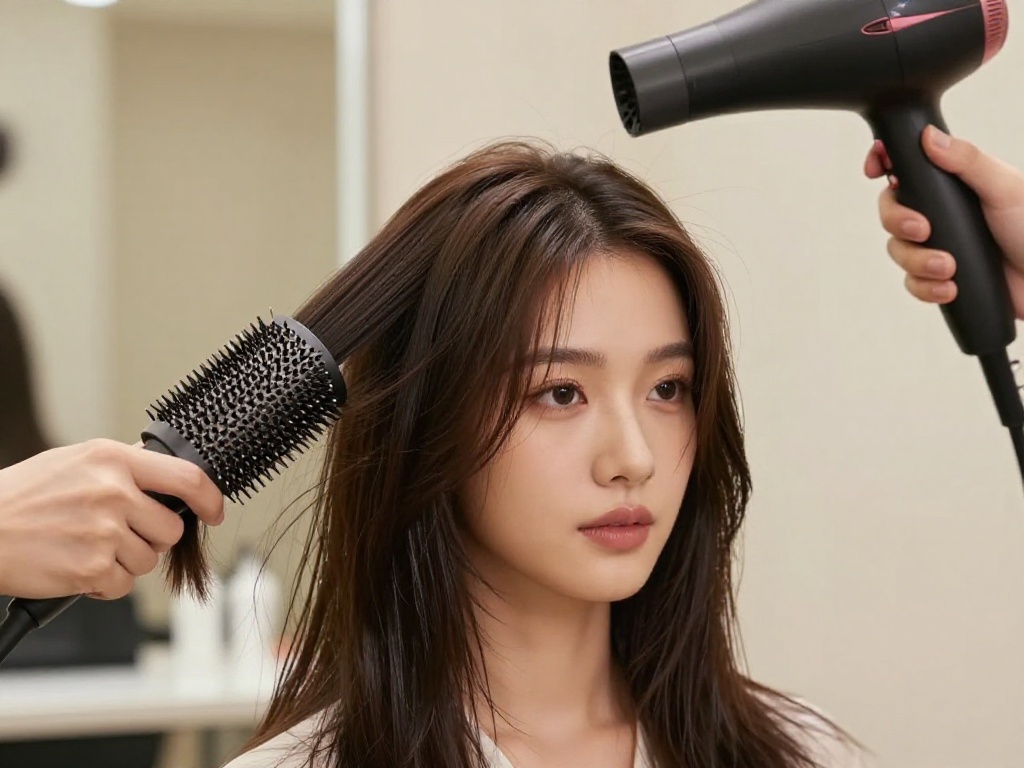
The front layers dry quickly, so style them first. Use a round brush or a blow-dry brush to guide the pieces away from your face.
For curtain layers, roll the brush away from the face, then let the hair cool before touching it.
Step 5: Add Soft Shape
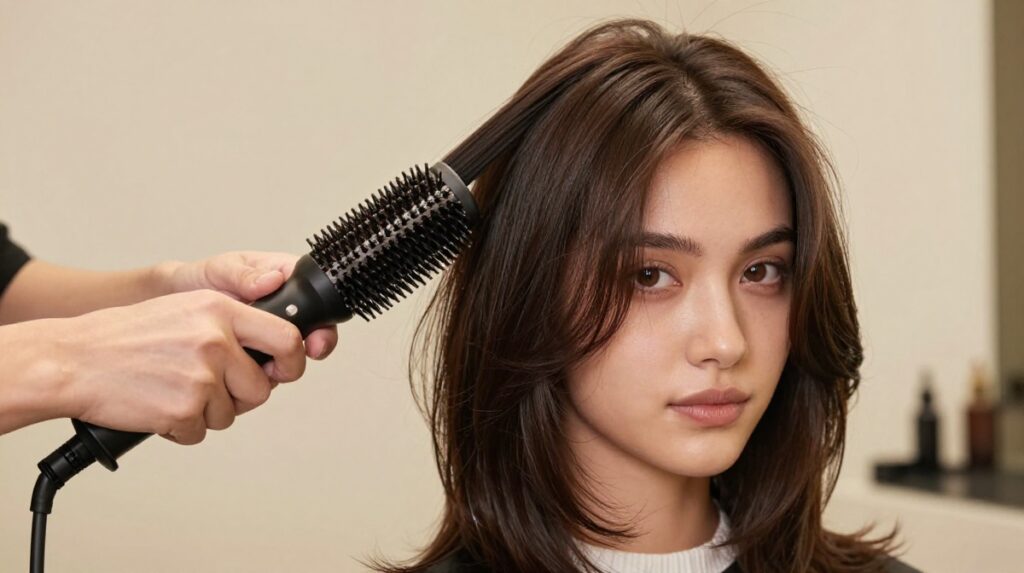
You can use a round brush, flat iron, or curling wand to create a soft bend. Do not over-curl the front pieces. Face framing haircuts look best when the layers move naturally.
Step 6: Blend the Layers
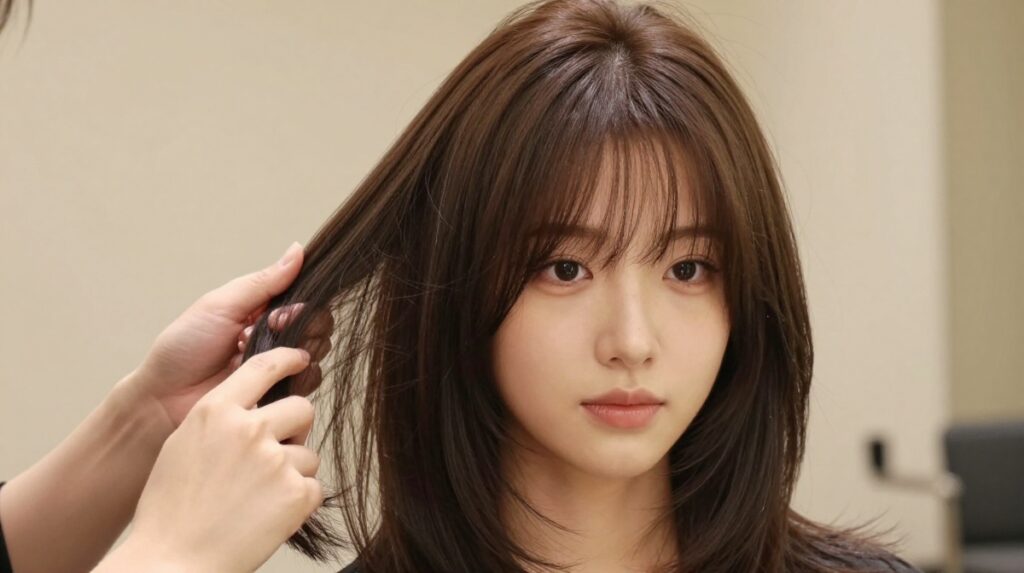
After styling, use your fingers to blend the front pieces into the rest of your hair. This keeps the style soft instead of separated.
Step 7: Finish Lightly

Use a light hairspray or texture spray if needed. Avoid stiff products because the front layers should move.
Best Products for Face Framing Haircuts
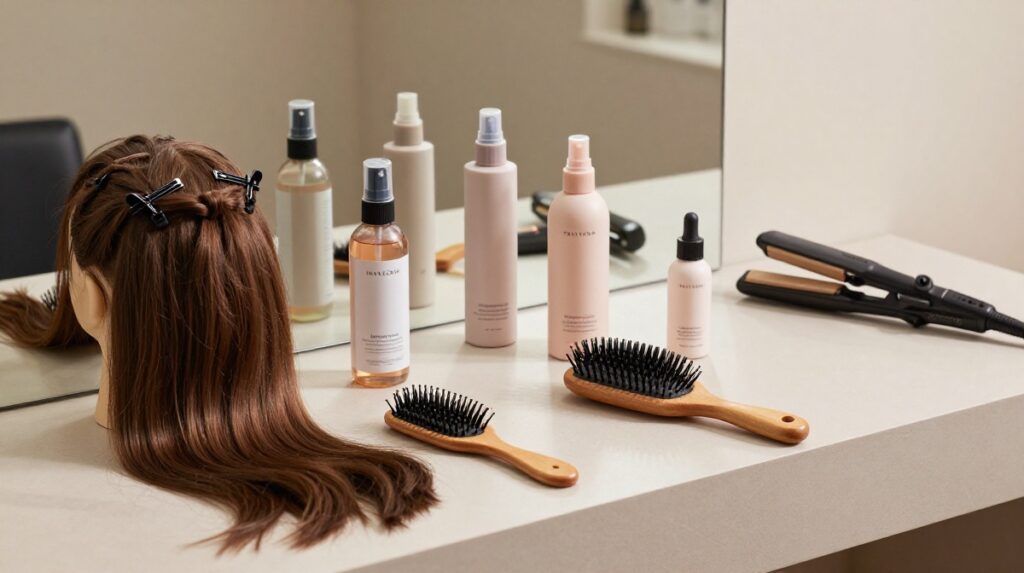
The right product can make Face Framing Haircuts easier to wear every day. Whether you are buying a wig, extensions, or styling tools, quality matters.
Face Framing Wig
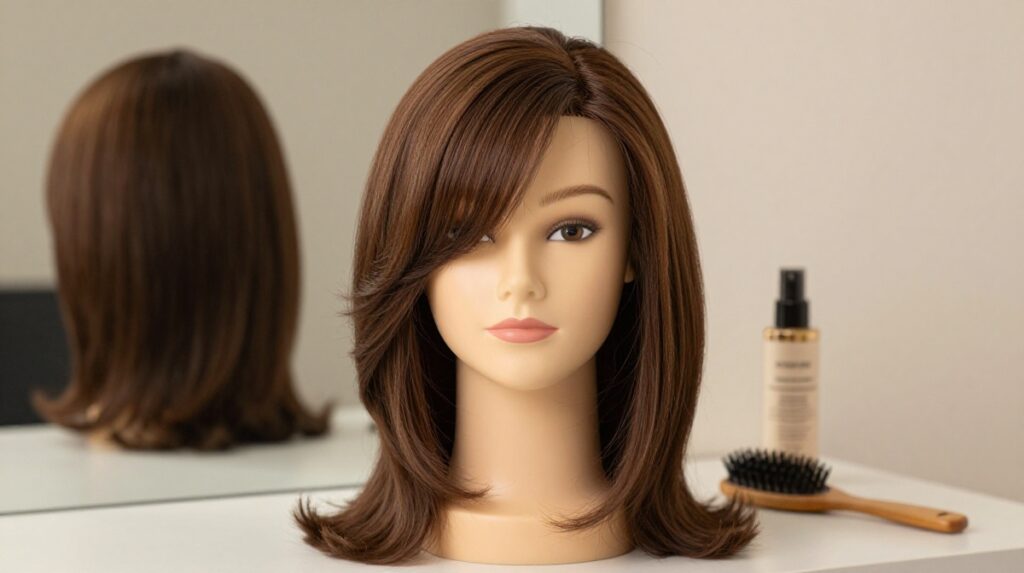
A face framing wig is a great option if you want the look without cutting your natural hair. It gives instant shape around the face and can be styled for daily wear, events, photos, or work.
A good wig should look natural, feel comfortable, and have soft front layers that blend well. The fibers should not look overly shiny or stiff.
Clip-In Face Framing Extensions
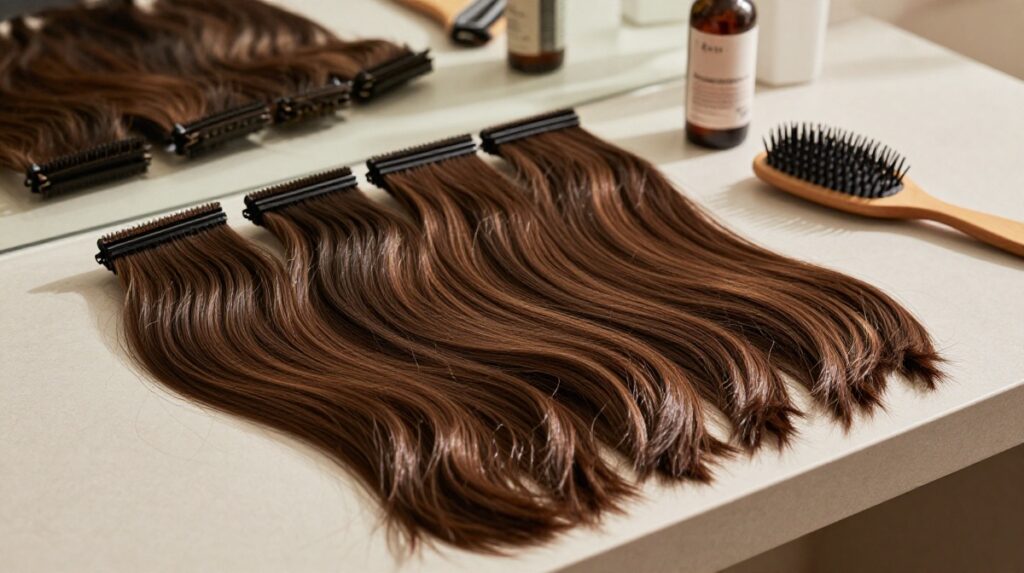
Clip-in face framing extensions are perfect if you want more volume around the front or want to test lighter layers. They can add softness without a permanent haircut.
Choose extensions that match your hair color and texture as closely as possible.
Heat Protectant Spray
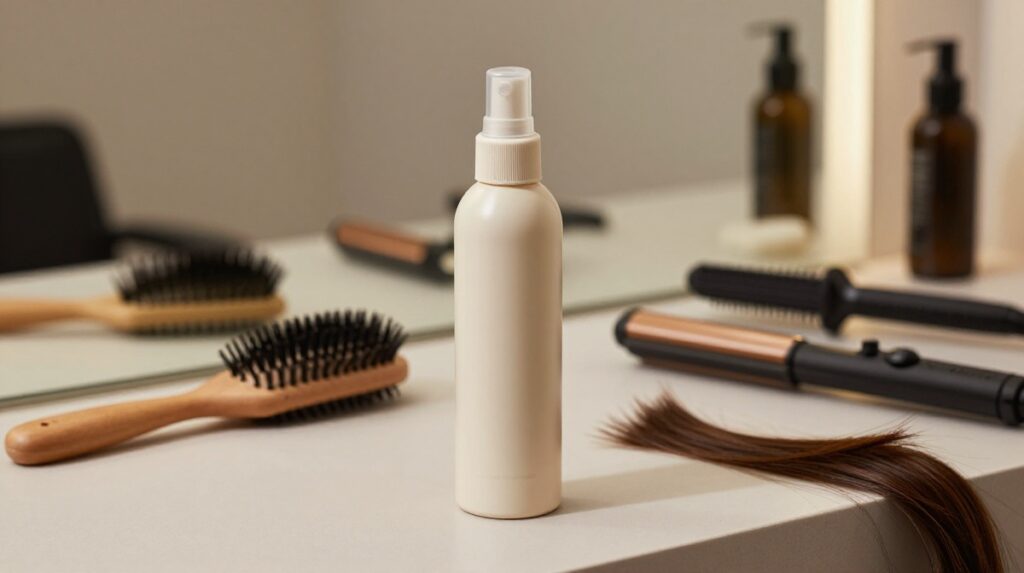
If you style your front layers with heat, a heat protectant is important. The front pieces are often styled more than the rest of the hair, so they need care.
Round Brush or Blow-Dry Brush
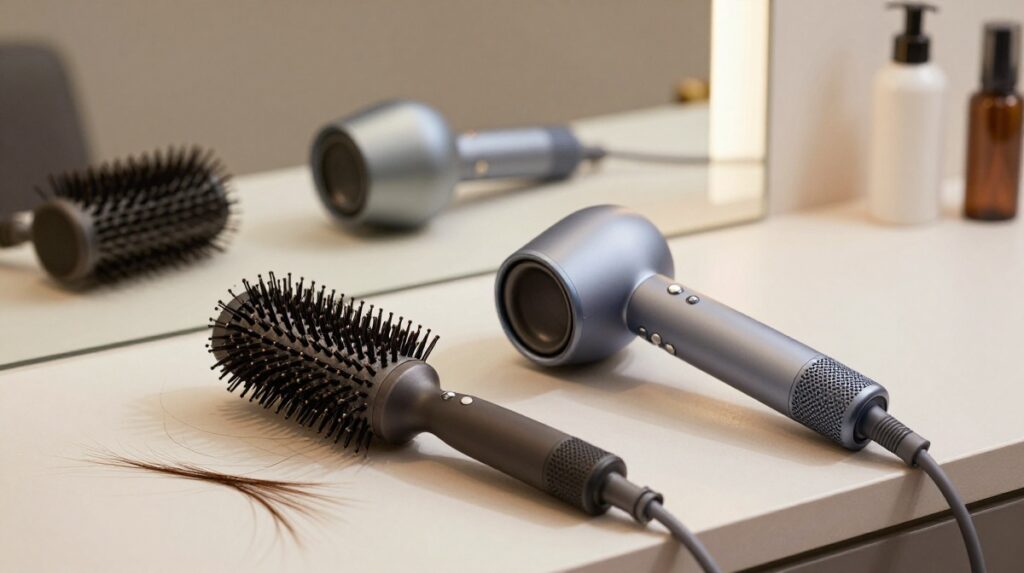
A round brush helps shape front layers away from the face. A blow-dry brush can make styling faster and easier.
Texturizing Spray
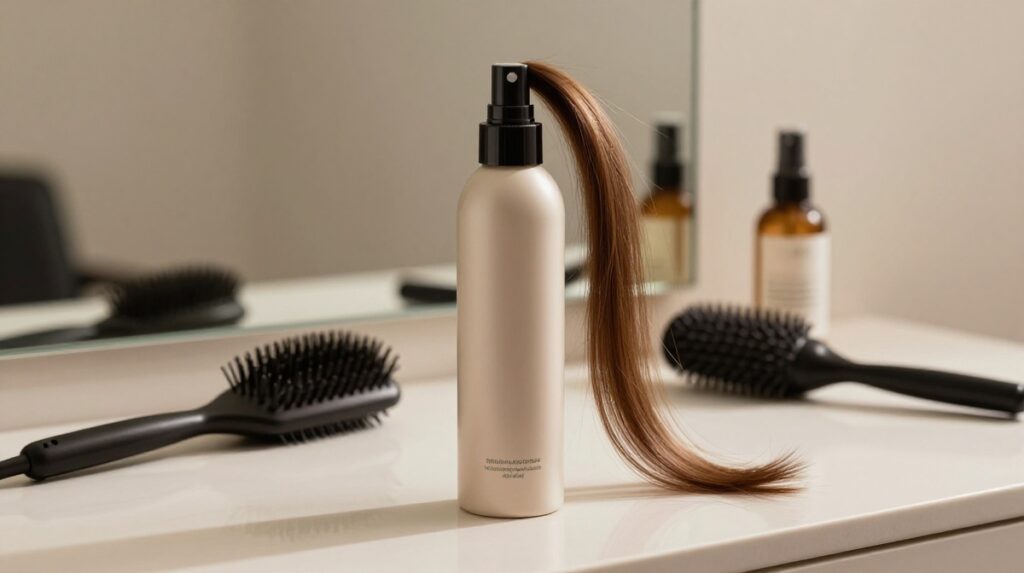
Texturizing spray adds movement and helps layers stand out. It is especially helpful for soft waves and relaxed styles.
Light Hair Serum
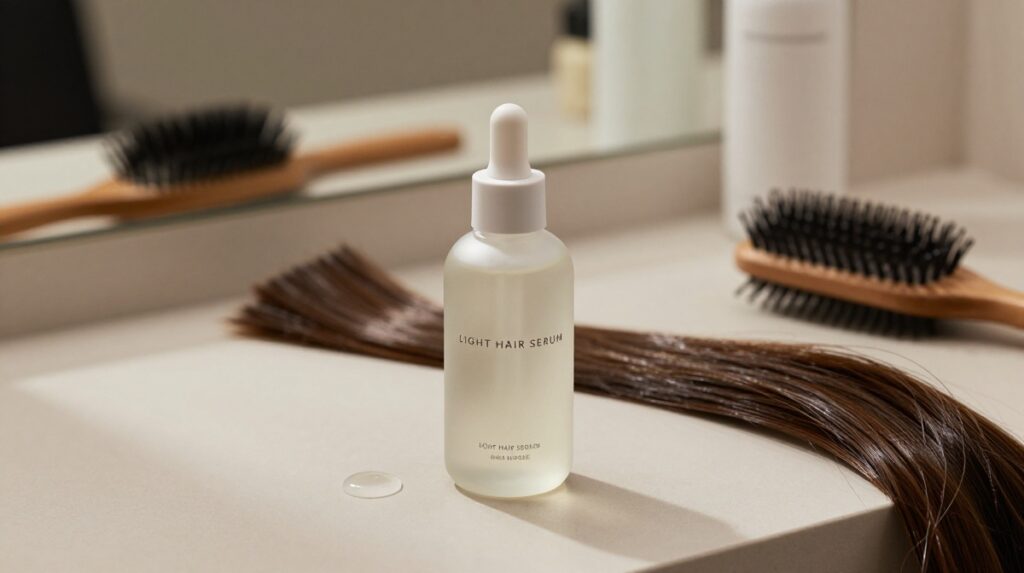
A small amount of serum can smooth frizz and add shine. Use it only on the ends so the front layers do not become greasy.
Why Buying a Face Framing Haircuts Product Is Worth It
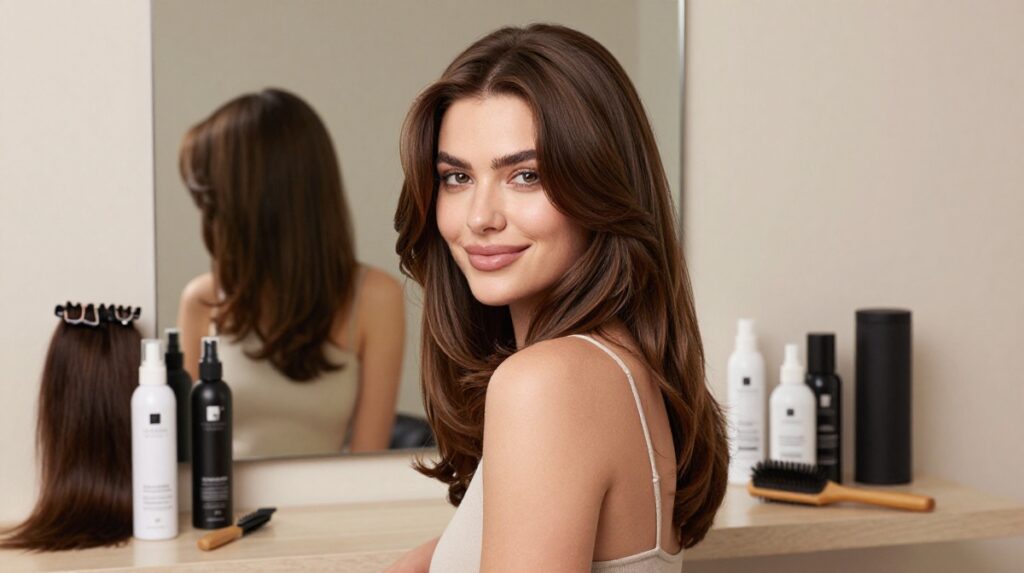
A good product can help you enjoy Face Framing Haircuts with less stress. If you are unsure about cutting your hair, a face framing wig or clip-in face framing extensions lets you try the look first. This is helpful because face framing pieces sit close to your face, so you want to feel sure before making a permanent change.
If you already have the haircut, styling products and tools help you keep the shape fresh. Without the right products, the front layers may fall flat, turn frizzy, or lose their soft bend.
A quality product gives you:
- A more natural-looking style
- Better shape around the face
- More volume and movement
- Easier daily styling
- More confidence in photos
- A safer way to test the look
- Better value over time
Think of it this way: the haircut gives you the shape, but the right product helps that shape look good every day.
If you want a style that feels personal, flattering, and easy to manage, investing in the right face framing hair product is a smart choice.
Face Framing Haircuts for Different Hair Lengths
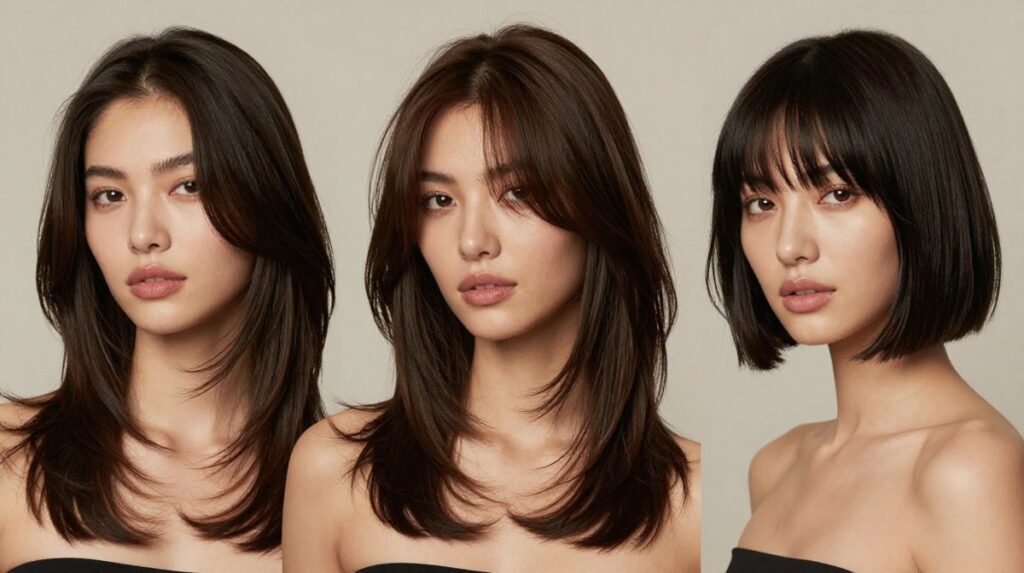
Face Framing Haircuts for Long Hair
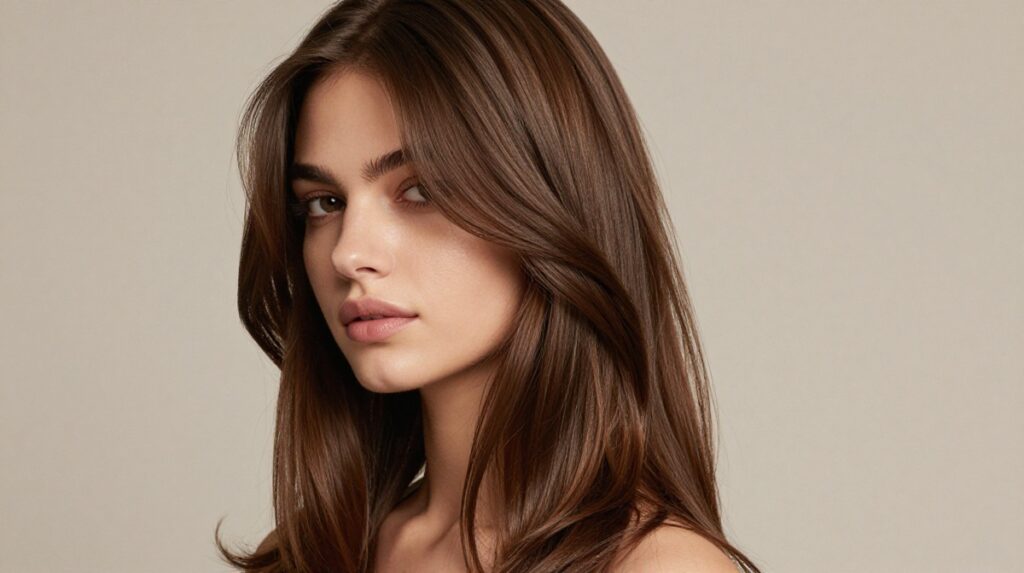
Long hair looks beautiful, but it can sometimes feel heavy. Face framing layers add movement and stop the hair from looking flat.
Long front layers can start around the chin or collarbone. This gives softness while keeping the length.
Face Framing Haircuts for Medium Hair
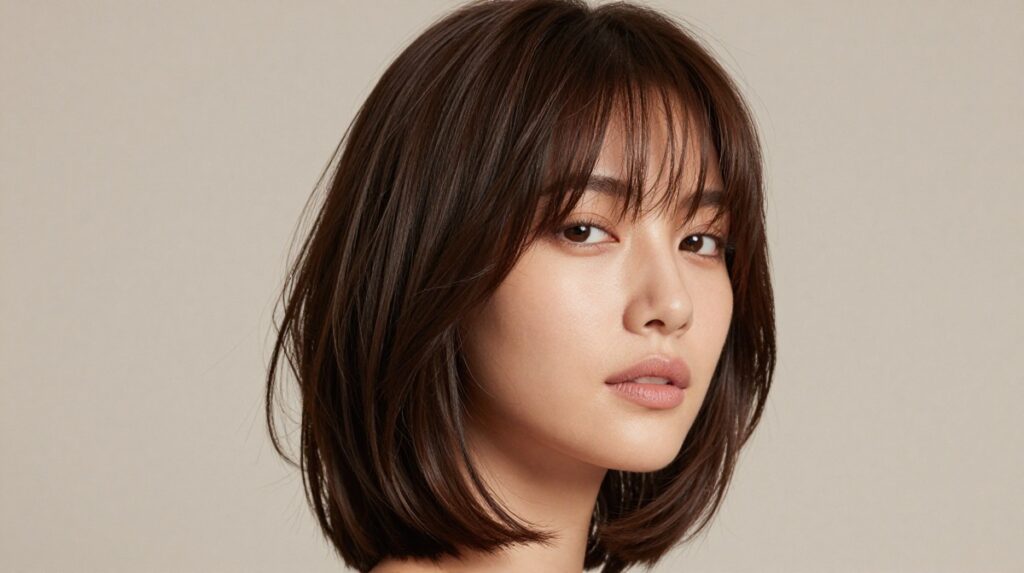
Medium hair works very well with face framing layers. Shoulder-length hair, lobs, and layered cuts all look more stylish with front shaping.
This length is easy to style and easy to maintain.
Face Framing Haircuts for Short Hair
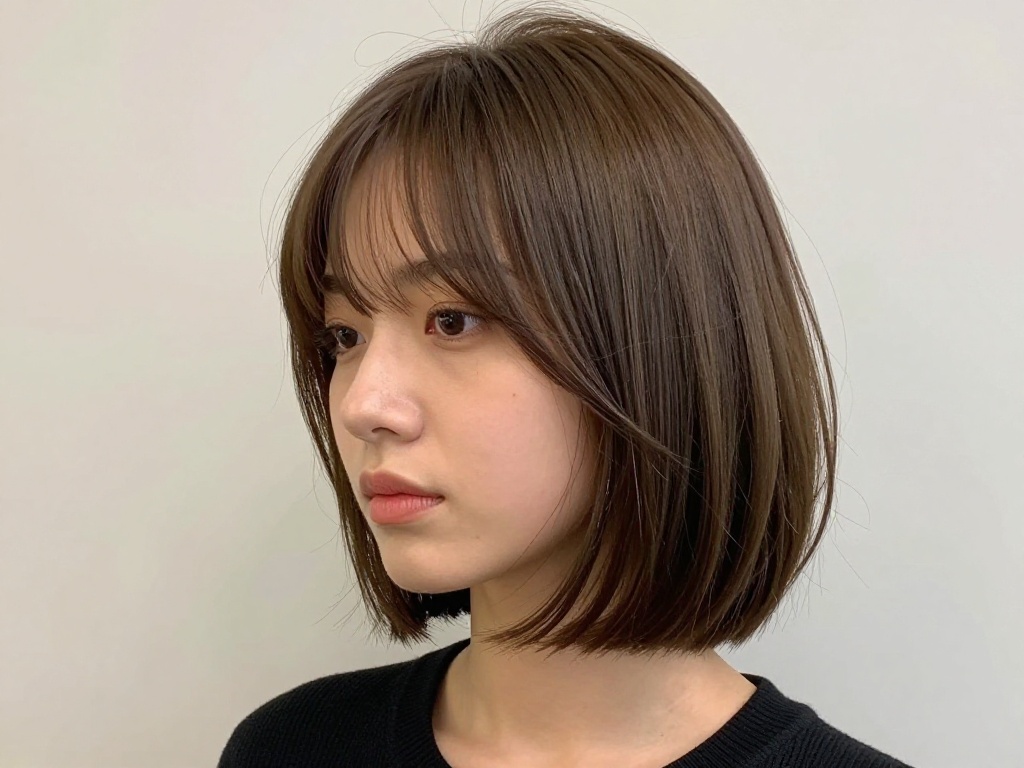
Short hair can also benefit from face framing. A bob, pixie, or bixie can look softer when the front pieces are shaped around the face.
This is a good option if you want short hair without a harsh finish.
Face Framing Haircuts for Different Hair Types
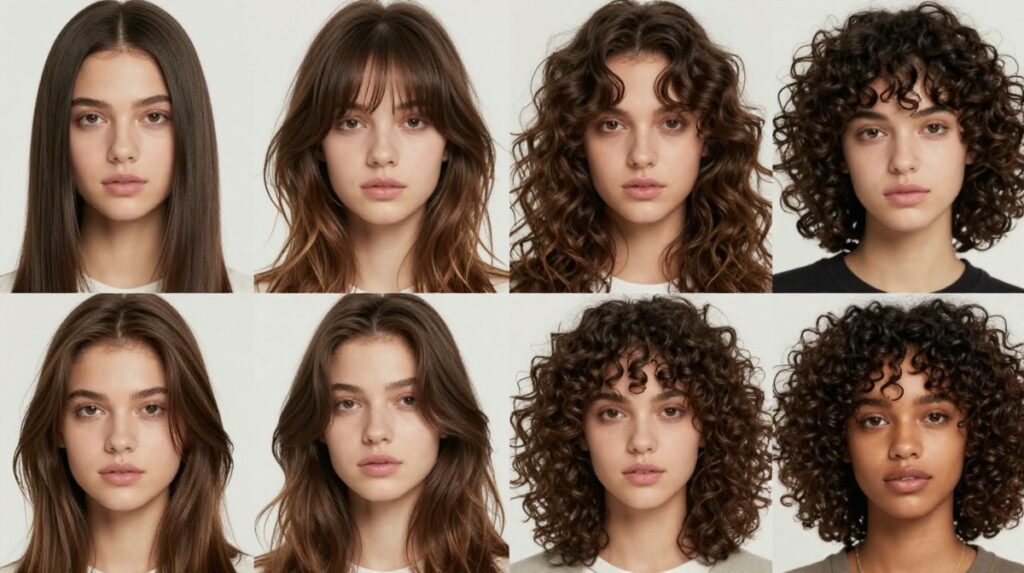
Fine Hair
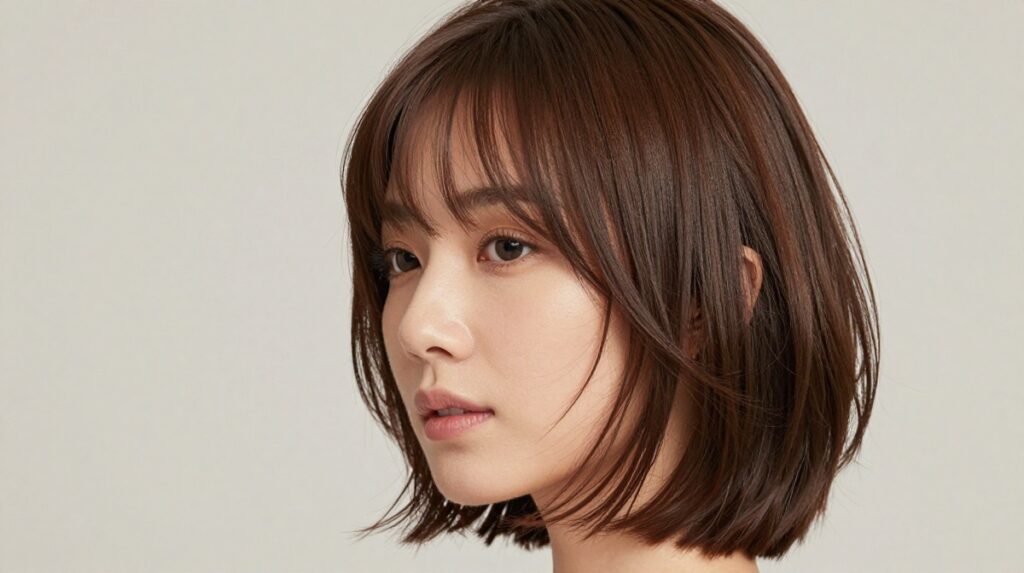
Fine hair needs careful layers. Too many layers can make the ends look thin, but soft face framing pieces can add shape and movement.
Use mousse or root-lifting spray for extra body.
Thick Hair
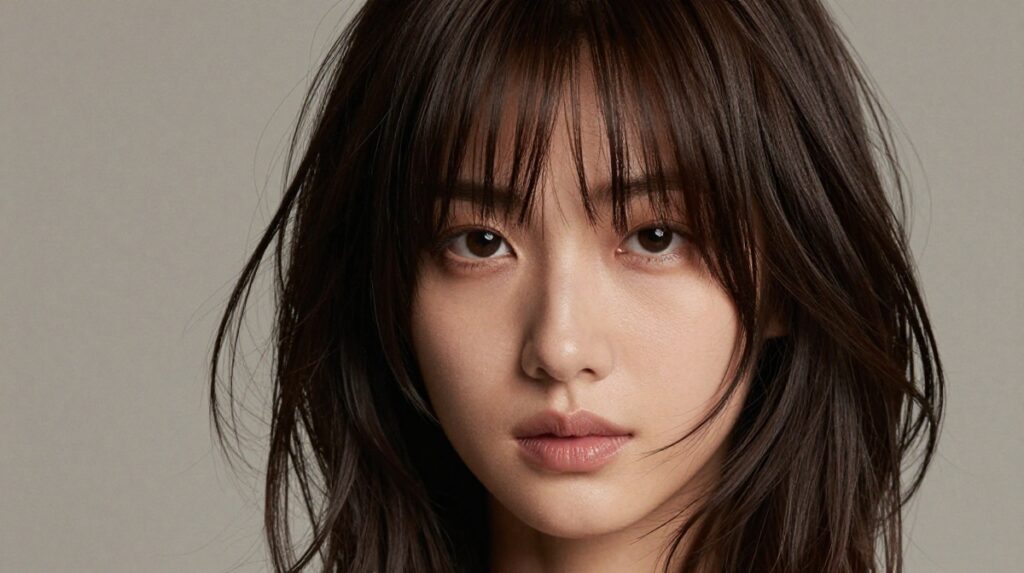
Thick hair can handle stronger face framing layers. These layers remove weight and make the haircut easier to style.
Use smoothing cream or serum to control frizz.
Straight Hair
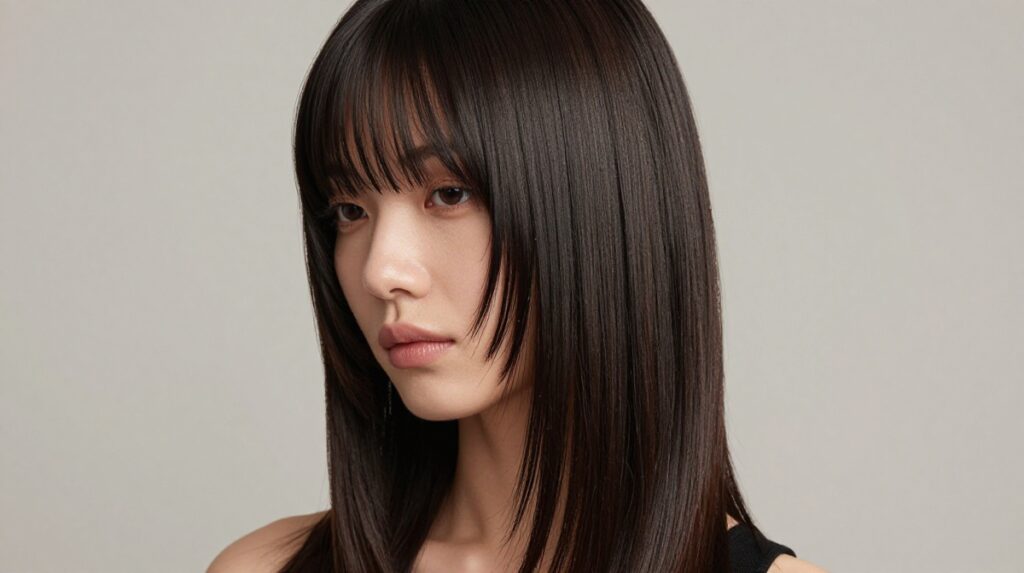
Straight hair shows the shape of the cut clearly. Face framing layers can make straight hair look more polished and less plain.
A round brush can add a soft bend around the face.
Wavy Hair
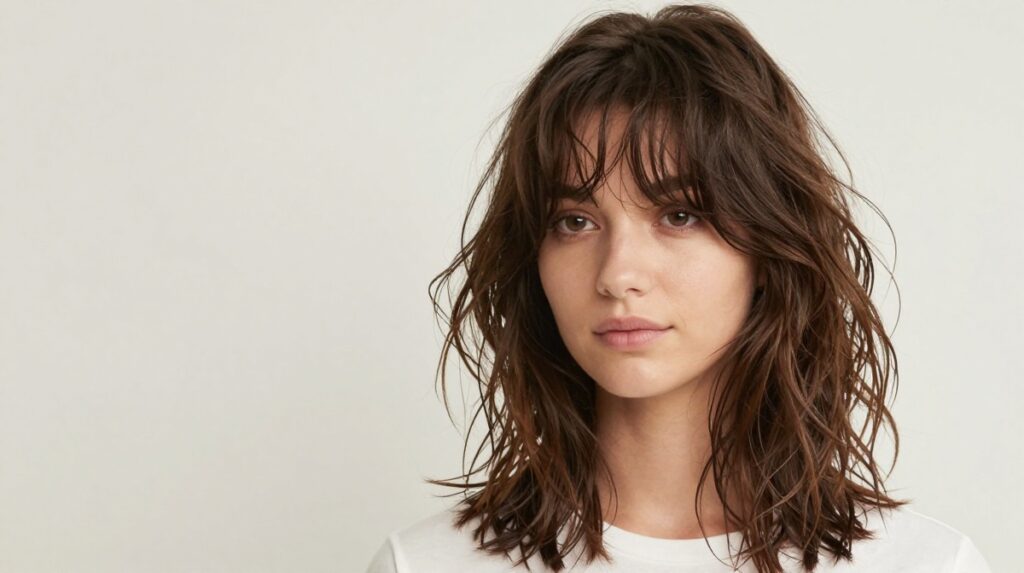
Wavy hair looks natural and relaxed with face framing layers. The waves help the front pieces blend beautifully.
Use light curl cream or texture spray for definition.
Curly Hair
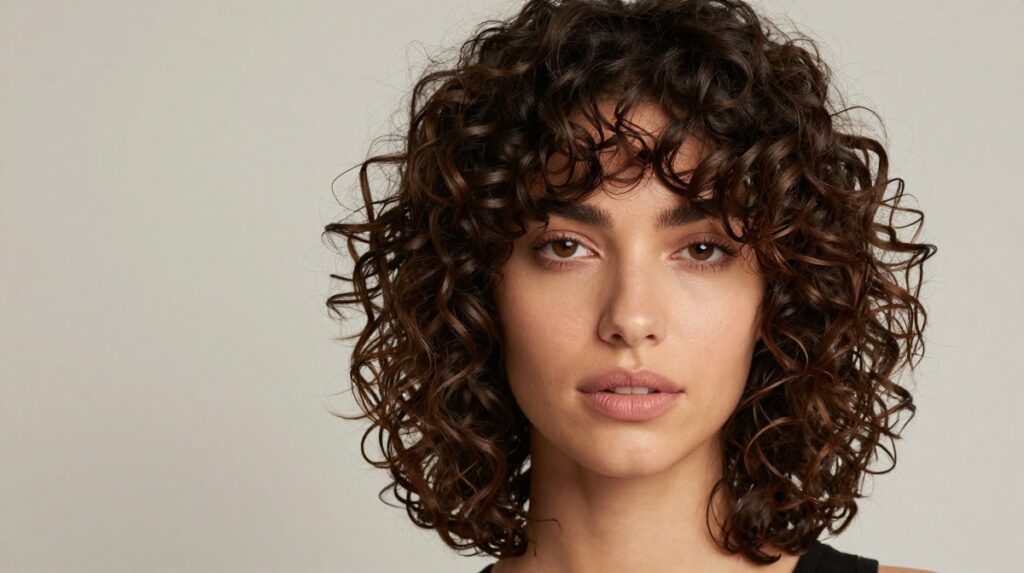
Curly hair can look stunning with face framing pieces, but the cut must respect shrinkage. It is often best to cut curly front layers dry or close to their natural shape.
How to Maintain Face Framing Haircuts
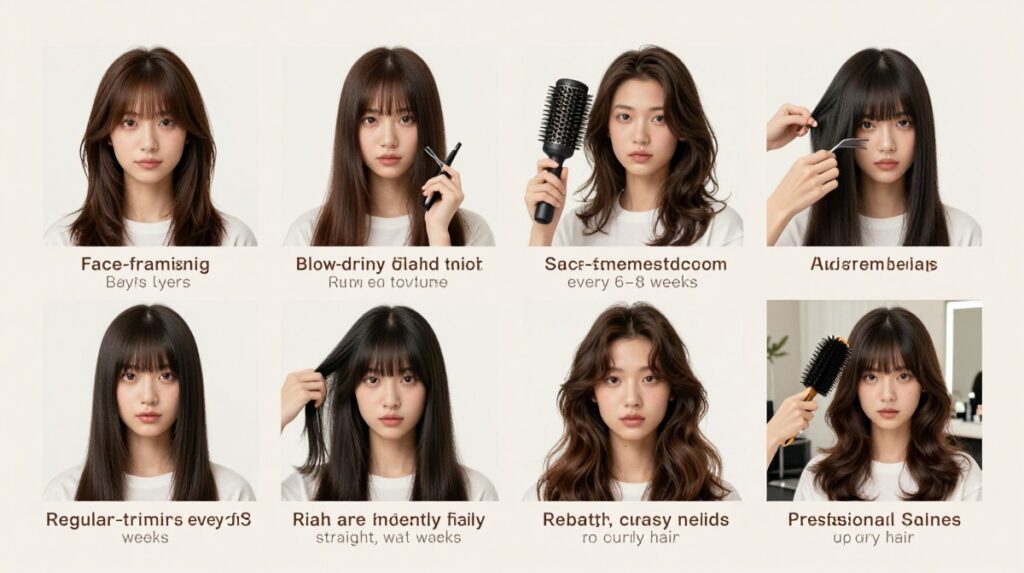
Maintenance depends on how short your front layers are. Longer layers grow out softly and need less trimming. Shorter pieces, curtain bangs, or face framing bangs need more regular care.
Most people should refresh their layers every six to ten weeks. If you have bangs or very short front pieces, you may need trims more often.
To keep your face framing haircut looking fresh:
- Use conditioner after shampoo.
- Avoid rough towel drying.
- Use heat protection when styling.
- Do not overload the front pieces with heavy product.
- Refresh the shape with a round brush.
- Trim the front layers before they lose shape.
- Protect your hair from too much sun and heat.
For extra care, Cleveland Clinic’s guide to protecting hair from sun damage explains why hydration and protection matter, especially when hair is exposed to sunlight and styling stress.
Common Mistakes to Avoid With Face Framing Haircuts
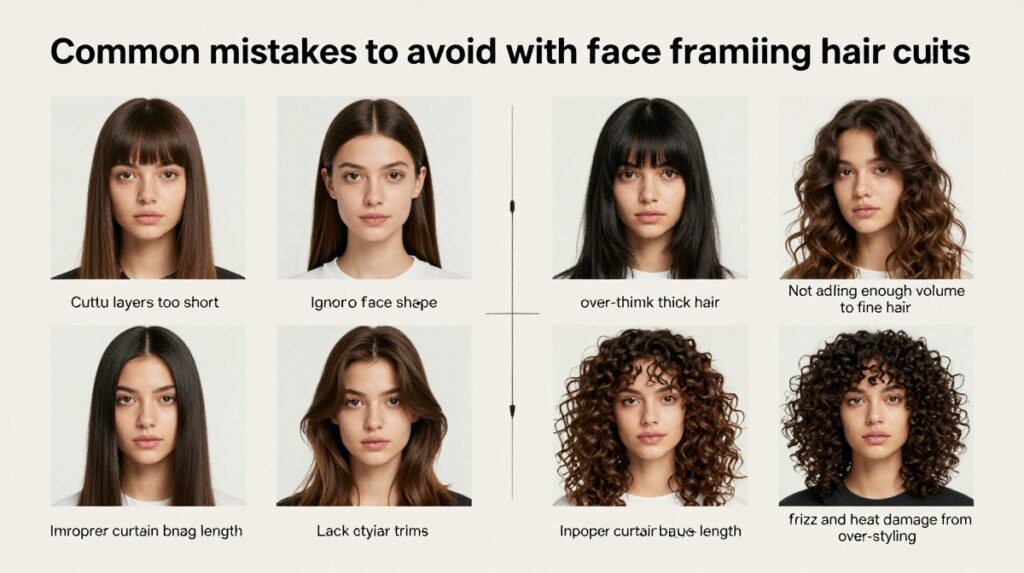
Even a good haircut can disappoint you if it is not planned well. Here are common mistakes to avoid.
Cutting the Front Pieces Too Short
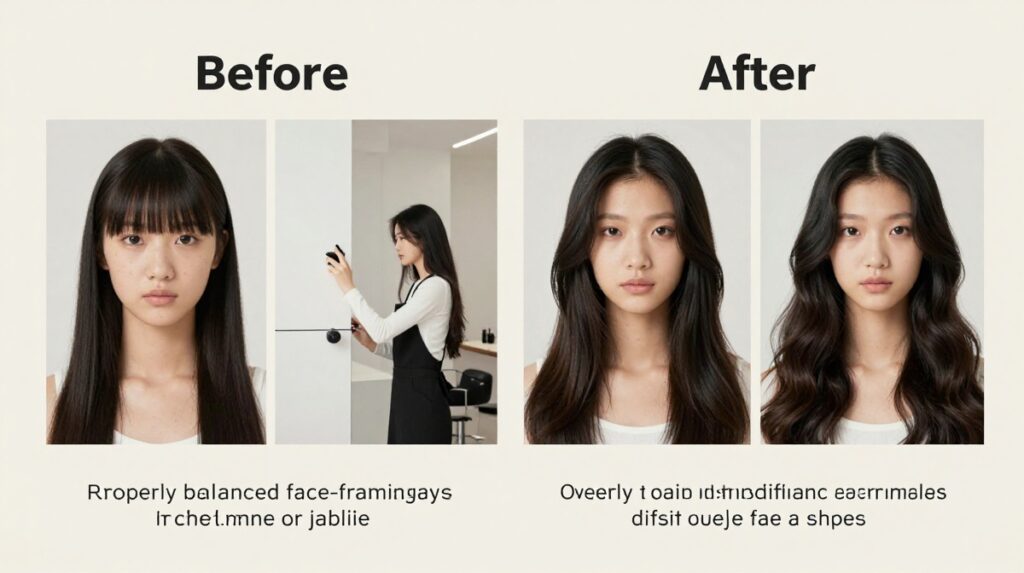
Short front pieces can look stylish, but they can also feel hard to manage. Start longer if you are unsure.
Choosing a Style That Does Not Match Your Texture
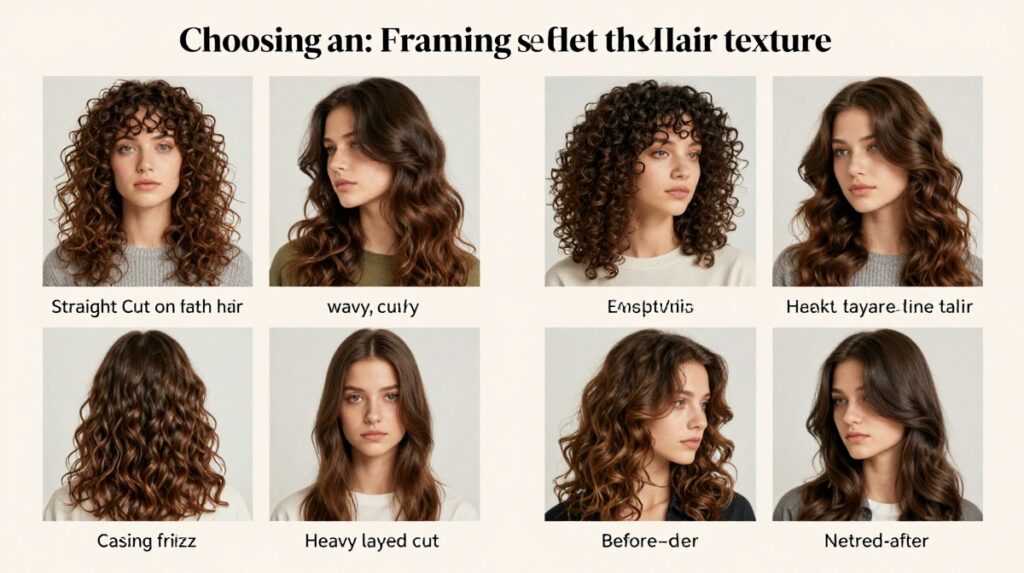
A style that looks smooth on straight hair may look very different on curly hair. Choose inspiration photos that match your real texture.
Using Too Much Product
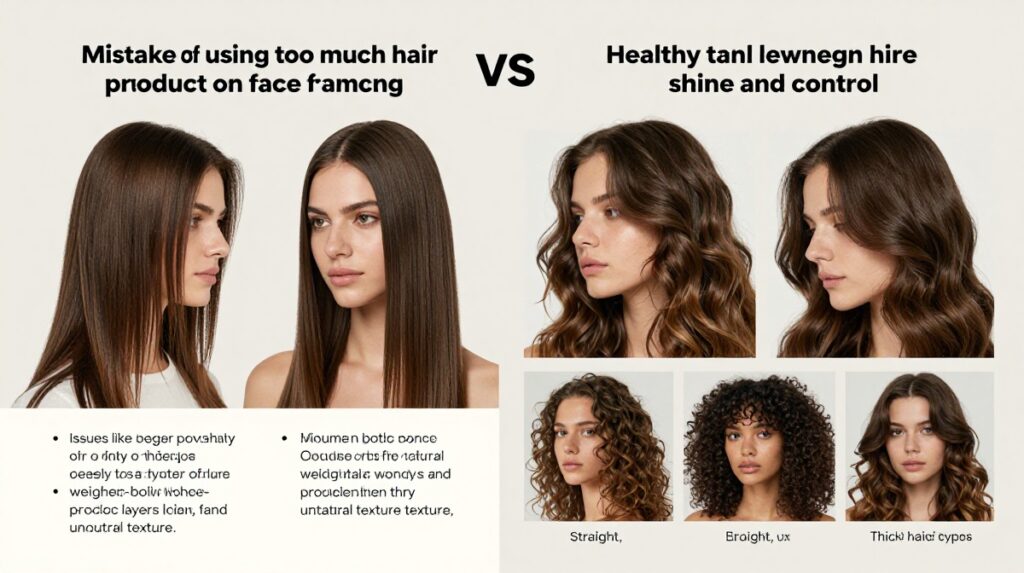
Heavy products can make the front layers greasy and flat. Use light products, especially near the face.
Forgetting About Your Daily Routine
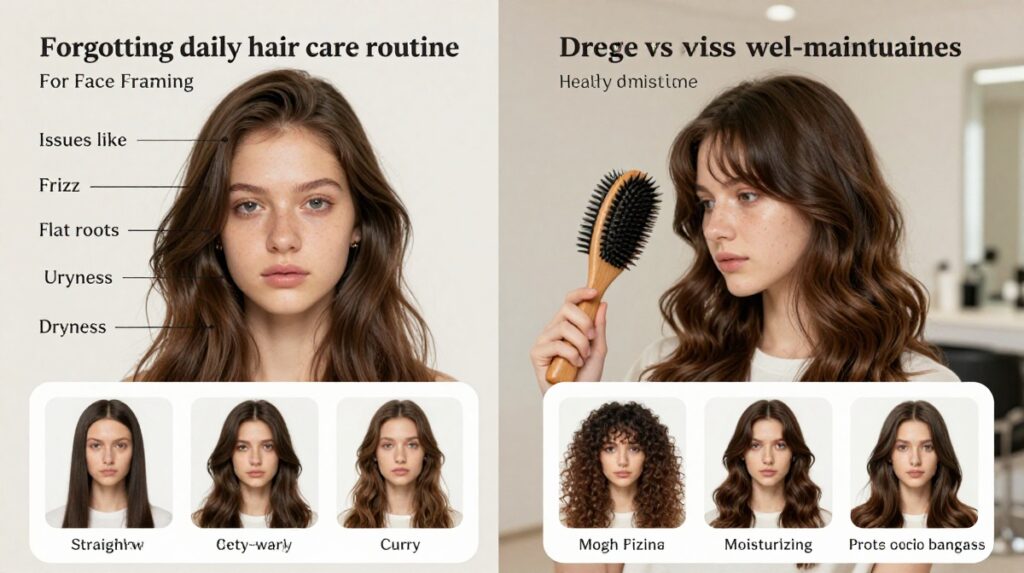
If you do not like styling your hair, choose a low-maintenance version. Long face framing layers are easier than short bangs.
Not Blending the Layers
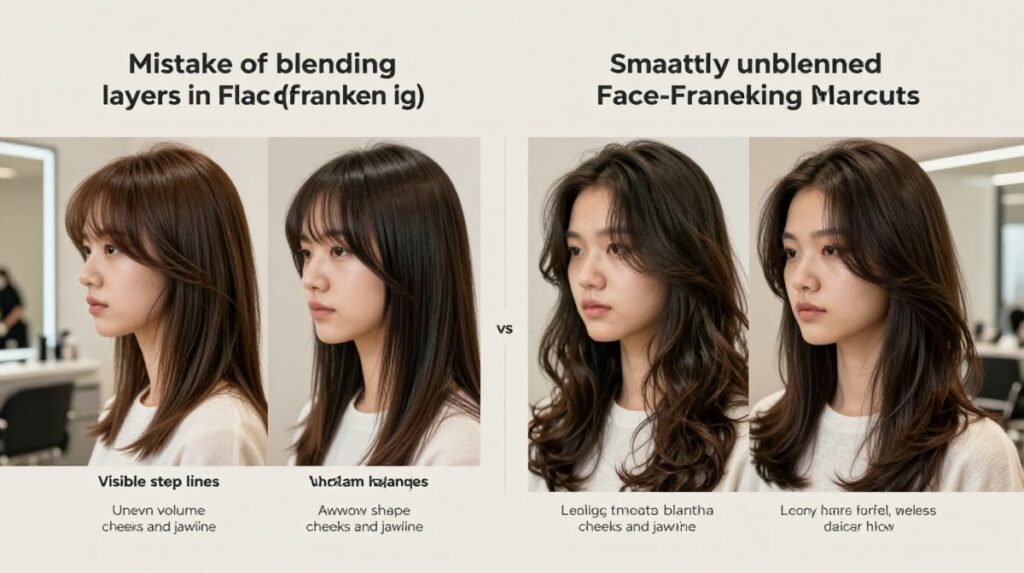
The front pieces should connect with the rest of the haircut. If they are too separate, the haircut may look unfinished.
How to Buy the Right Face Framing Haircuts Product
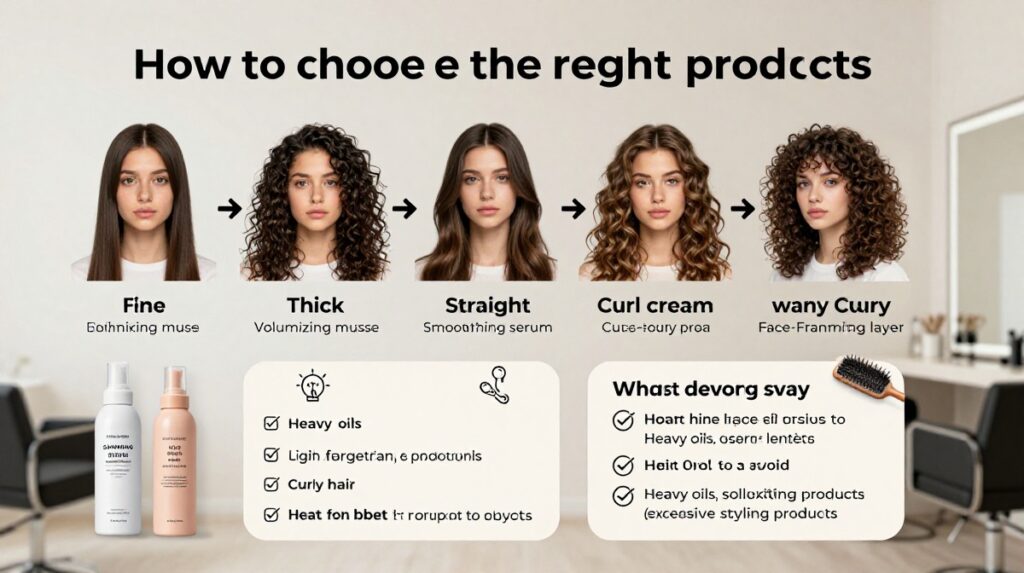
Before buying a product, think about what problem you want to solve.
If you want to test the look, choose a face framing wig or clip-in face framing extensions. This lets you see how front layers look on you before cutting your natural hair.
If you already have the haircut, choose products that help with styling and maintenance. A heat protectant, round brush, texture spray, and lightweight serum can make a big difference.
When buying, check for:
- Natural-looking finish
- Lightweight feel
- Easy styling
- Good color match
- Comfortable fit if buying a wig
- Positive customer reviews
- Clear care instructions
- Products suitable for your hair type
A cheap product may look tempting, but quality matters when the hair sits close to your face. A better product usually blends better, lasts longer, and gives you more confidence.
Styling Ideas for Face Framing Haircuts
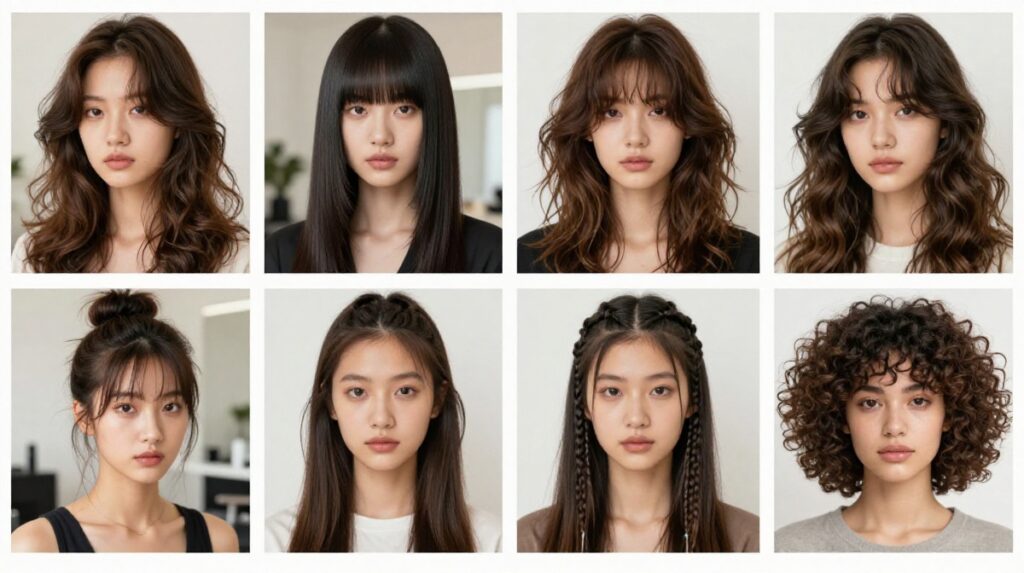
Everyday Look
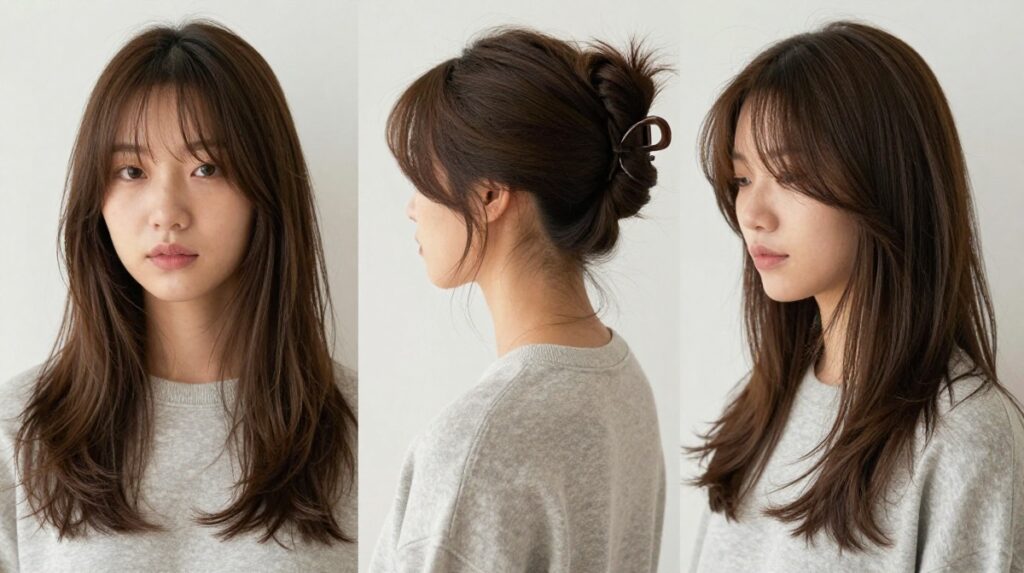
Blow-dry the front pieces softly and leave the rest of your hair natural. This gives an easy, clean look.
Work Look
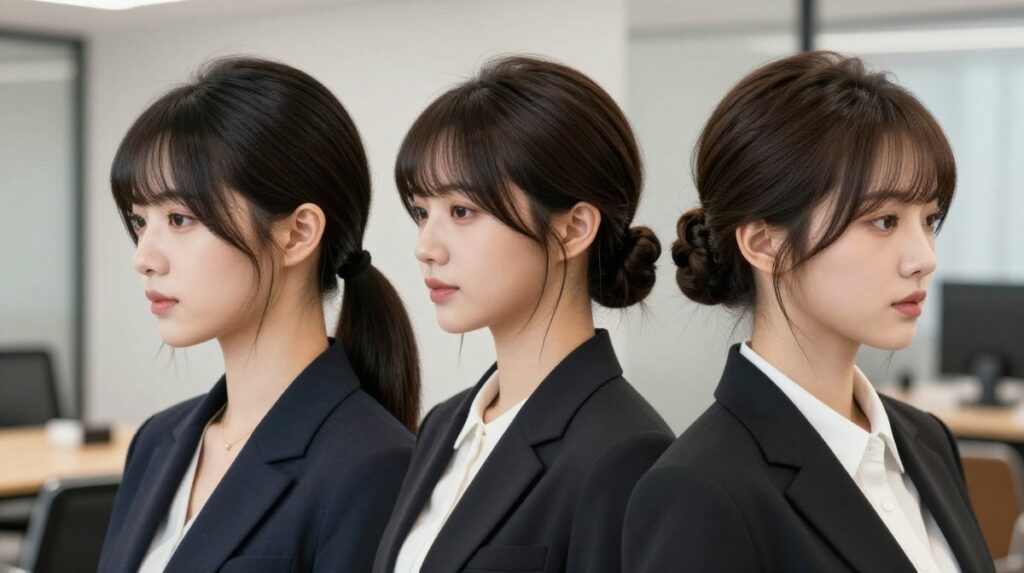
Style the front layers away from your face and keep the rest smooth. It looks polished without being too formal.
Date Night Look
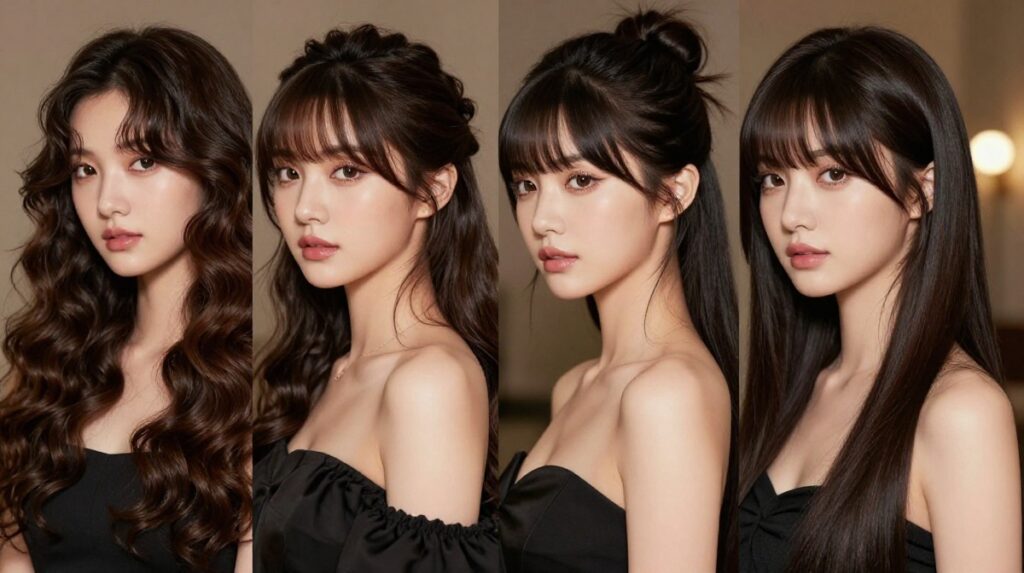
Add soft waves and let the face framing pieces fall naturally. This creates a romantic and flattering style.
Party Look
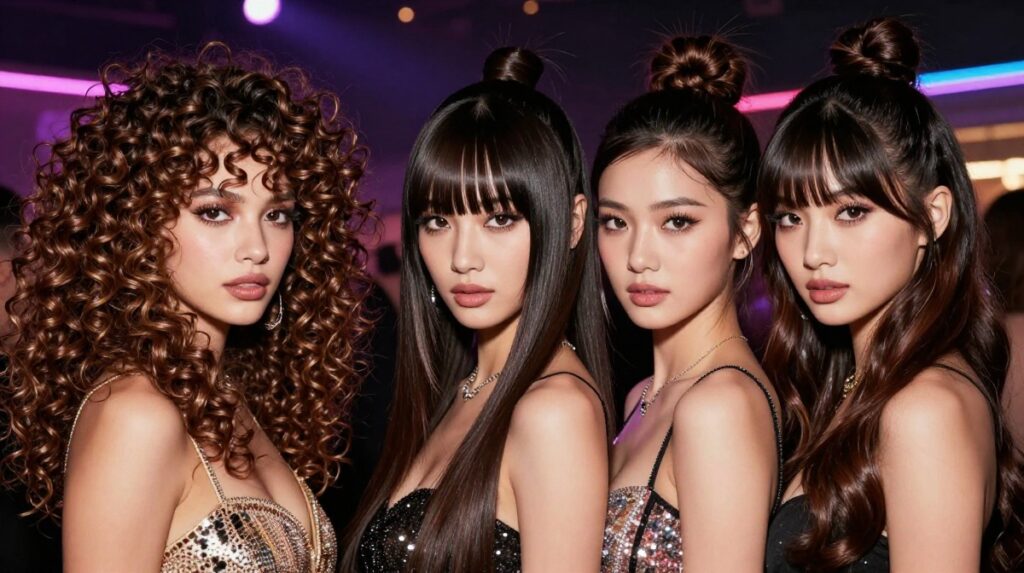
Use a round brush to add volume at the front and crown. Finish with a light texture spray.
Casual Weekend Look
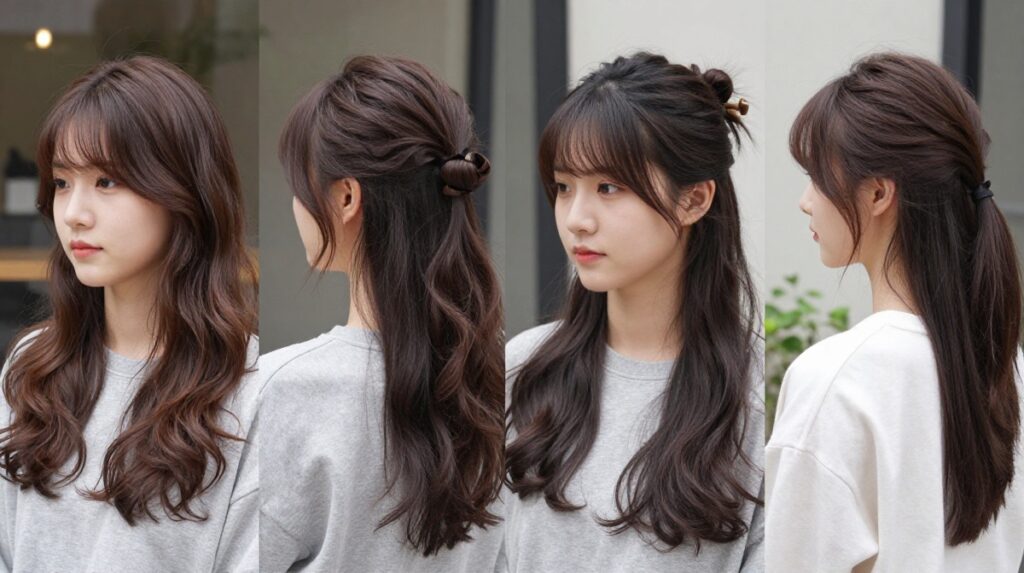
Tie your hair in a loose bun or ponytail and let the front pieces frame your face. This makes a simple style look intentional.
FAQ About Face Framing Haircuts
1. Are Face Framing Haircuts good for all hair lengths?
Yes. Face Framing Haircuts can work with short, medium, and long hair when the layers are adjusted properly.
2. Do face framing layers make hair look thicker?
They can make hair look fuller around the face, especially when styled with volume.
3. Can I try Face Framing Haircuts without cutting my hair?
Yes. You can use a face framing wig or clip-in face framing extensions to test the look first.
4. How often should I trim face framing layers?
Most people need a trim every six to ten weeks, depending on the length and style.
5. What product is best for Face Framing Haircuts?
A heat protectant, round brush, texturizing spray, and lightweight serum are very useful for styling and maintaining the look.
Conclusion
Face Framing Haircuts are one of the easiest ways to refresh your style without making a huge change. They soften the face, highlight your best features, and make simple hairstyles look more polished. Whether you choose a real haircut, a face framing wig, clip-in face framing extensions, or a styling product set, the right choice can help you feel more confident every day. If you want a hairstyle that is flattering, flexible, and easy to wear, Face Framing Haircuts are worth trying.