
Let me start with a confession. When I was a teenager, I bought a face whitening cream from an online store that promised to make me “three shades lighter in one week.” The cream came in a suspiciously unlabeled jar and smelled like bleach. I applied it every night for three days. By day four, my face was red, swollen, and peeling like a snake. I could not go to school for a week.
That experience taught me a painful lesson: Not all “whitening” products are safe. In fact, many are downright dangerous.
Here is the thing. The term face whitening cream is controversial—and for good reason. Many people use it to mean skin lightening or bleaching, which involves reducing your skin’s natural melanin production. That can be risky. However, what most people actually want is a face brightening cream that fades dark spots, evens out skin tone, and gives a radiant glow—without changing your natural skin color.
I have spent years researching safe, effective ingredients for hyperpigmentation, dark spots, melasma, and uneven skin tone. Today, I am going to give you the complete, honest guide. You will learn which ingredients actually work, which ones to avoid at all costs, and how to choose a safe face whitening cream that brightens without damaging your skin. Let us get started.
First, Let Us Clear Up the Confusion: Whitening vs. Brightening
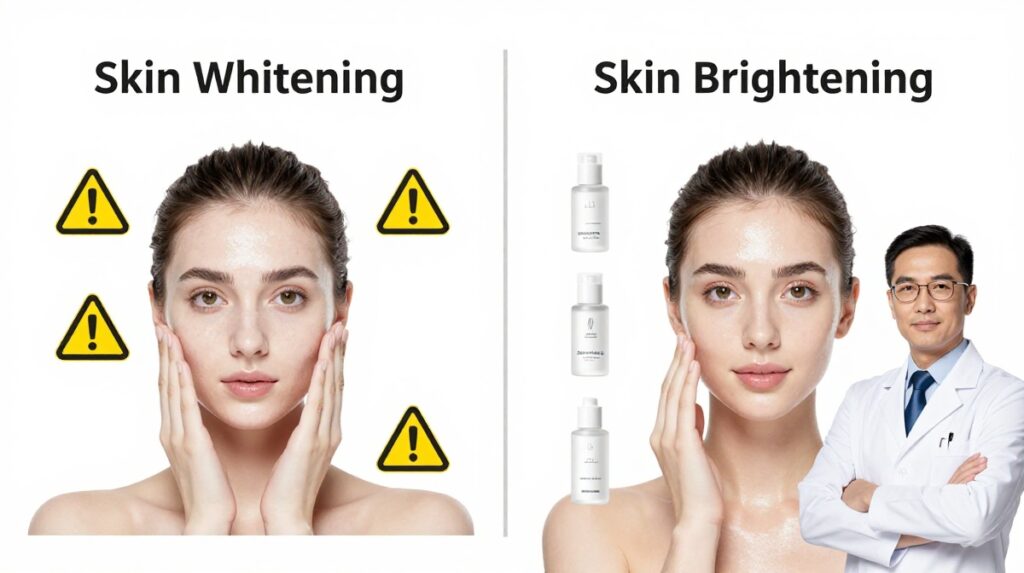
This is the most important thing you will read in this article. The words whitening and brightening are often used interchangeably, but they mean very different things.
Whitening (or Lightening): This refers to reducing the overall amount of melanin (the pigment that gives skin its color) in your skin. It changes your natural skin tone. This is difficult, risky, and often involves harsh chemicals like hydroquinone or mercury. Many countries have banned or restricted these ingredients because they can cause permanent damage.
Brightening: This refers to fading hyperpigmentation—dark spots, sunspots, post-acne marks, and melasma. It restores your skin to its natural, even tone. It does not change your baseline skin color. This is safe, achievable, and what most people actually want.
Throughout this article, when I say face whitening cream, I am referring to brightening products that target dark spots and uneven tone—not bleaching your natural complexion. As one dermatologist explains, “The goal should be an even, radiant complexion, not changing who you are.”
What Causes Dark Spots and Uneven Skin Tone?

Before you can treat the problem, you need to understand where it comes from. Hyperpigmentation happens when your skin produces too much melanin in certain areas. Common causes include:
- Sun exposure: The number one cause. UV rays trigger melanin production as a defense mechanism.
- Acne scars: After a pimple heals, it often leaves behind a red, brown, or purple mark.
- Hormones: Melasma (dark patches on the face) is often triggered by pregnancy, birth control, or hormone therapy.
- Injury or inflammation: Any trauma to the skin—even a scratch or bug bite—can leave a dark mark.
- Aging: Over time, sun damage accumulates as dark spots.
The good news? Almost all of these are treatable with the right ingredients.
The Safe, Effective Ingredients in a Good Face Whitening Cream
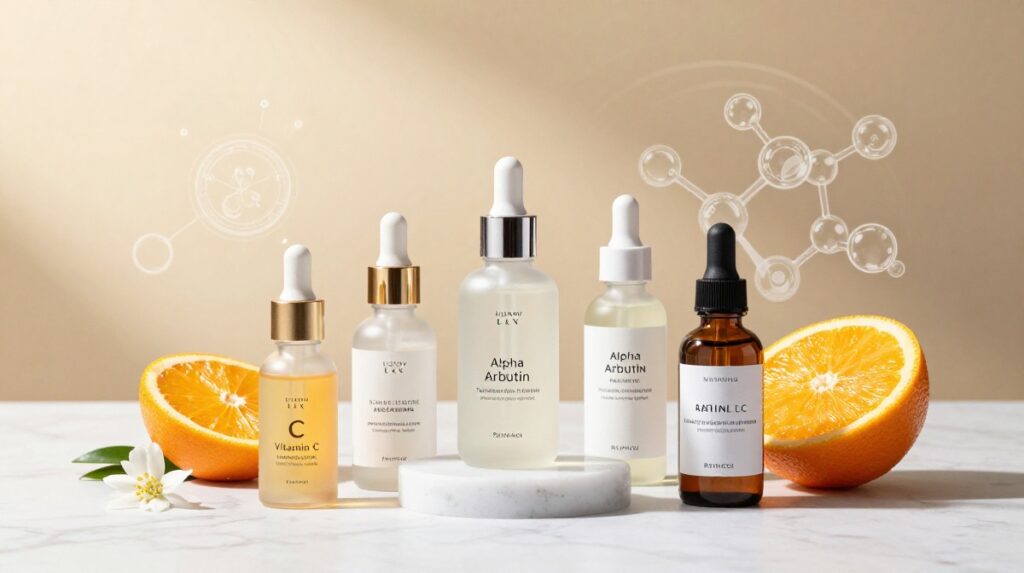
The best face whitening cream does not bleach your skin. Instead, it uses ingredients that interrupt the melanin production process safely. Here are the proven heroes.
Also Read: Haircuts for Fine Hair 2026: The Best Styles to Add Volume, Shape, and Confidence
1. Vitamin C (The Brightening Gold Standard)
What it does: Vitamin C is a powerful antioxidant that inhibits the enzyme tyrosinase, which is responsible for melanin production. It also protects your skin from future sun damage .
How to use it: Look for L-ascorbic acid (the most effective form) in concentrations between 10% and 20%. Apply it in the morning under sunscreen.
Who should use it: Anyone with dark spots, dullness, or sun damage. It is gentle enough for most skin types.
Product example: SkinCeuticals C E Ferulic (luxury) or Timeless 20% Vitamin C + E Ferulic (affordable dupe).
2. Niacinamide (The All-Rounder)
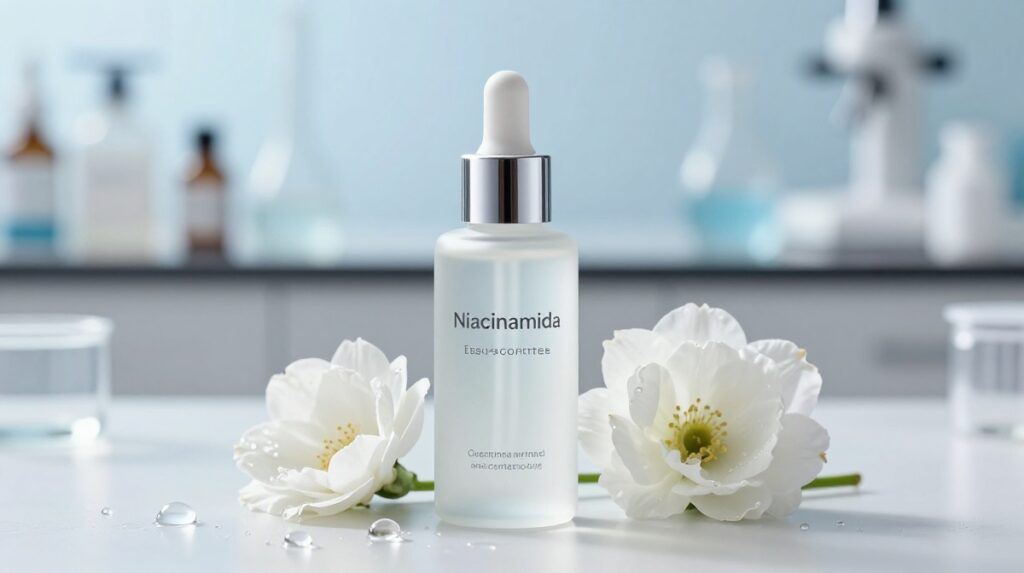
What it does: Niacinamide (vitamin B3) reduces the transfer of melanin to your skin cells. It also calms redness, controls oil, and repairs your skin barrier .
How to use it: Look for concentrations between 2% and 5% (higher is not necessarily better). It plays well with almost every other ingredient.
Who should use it: Everyone. Seriously. It is one of the most versatile, well-tolerated ingredients in skincare.
Product example: The Ordinary Niacinamide 10% + Zinc 1% (around $6) or Paula’s Choice 10% Niacinamide Booster.
3. Tranexamic Acid (The Melasma Fighter)
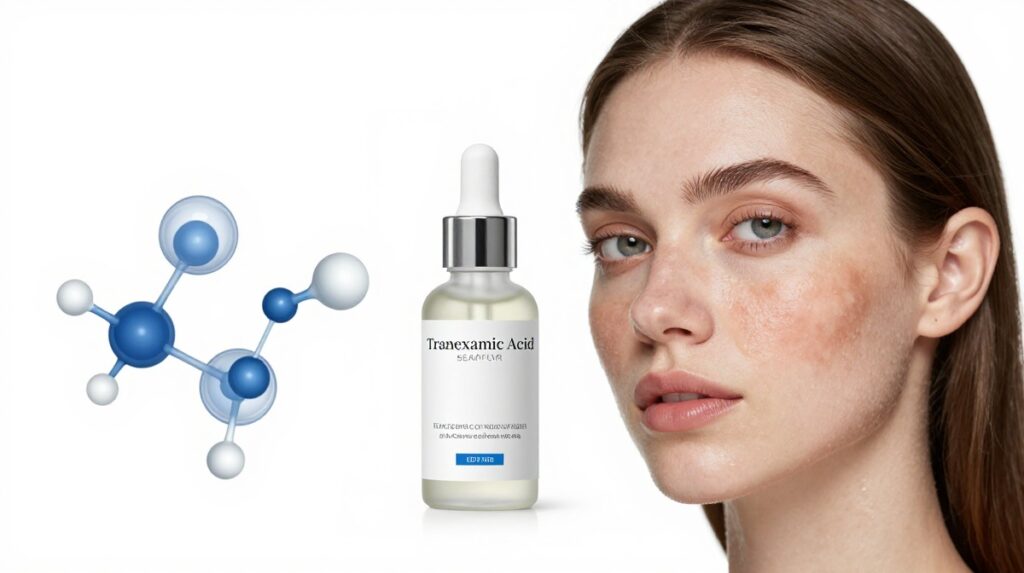
What it does: Tranexamic acid is particularly effective for stubborn melasma and hormonal dark spots. It works by blocking the interaction between skin cells and melanin-producing cells .
How to use it: Often combined with niacinamide or kojic acid for better results. Use twice daily.
Who should use it: People with melasma or dark spots that have not responded to other treatments.
Product example: SkinMedica Lytera 2.0 or Good Molecules Discoloration Correcting Serum.
4. Kojic Acid (The Natural Alternative)
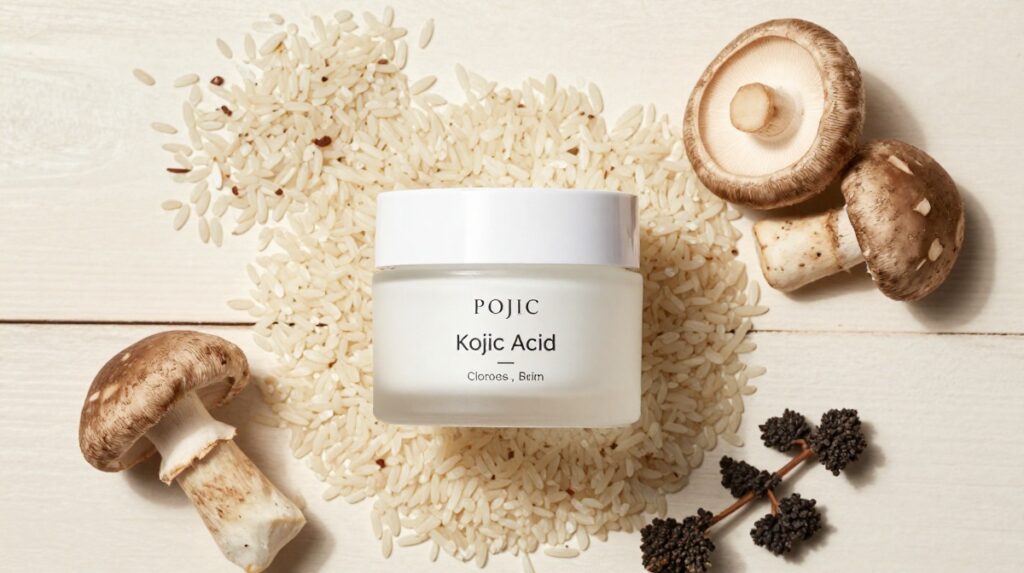
What it does: Kojic acid is derived from mushrooms and fermented rice. It inhibits tyrosinase similarly to vitamin C, but is gentler for sensitive skin .
How to use it: Often found in soaps, serums, and creams. Use it once daily to start, as it can cause mild irritation.
Who should use it: Sensitive skin types or those looking for a natural brightener.
Product example: Kojie San Skin Lightening Soap or PCA Skin C&E Strength.
5. Azelaic Acid (The Rosacea and Acne Hero)
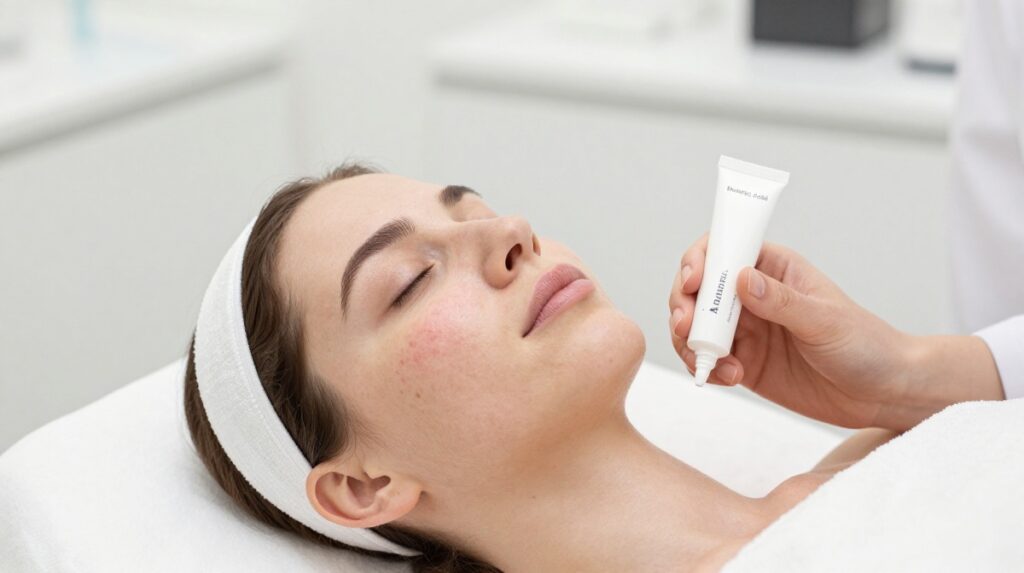
What it does: Azelaic acid kills bacteria, reduces inflammation, and fades dark spots. It is particularly good for post-inflammatory hyperpigmentation (dark marks left by acne) .
How to use it: Available over the counter in 10% concentrations or by prescription at 15-20%. Use once or twice daily.
Who should use it: People with both acne and dark spots, or those with rosacea.
Product example: The Ordinary Azelaic Acid Suspension 10% or Paula’s Choice 10% Azelaic Acid Booster.
6. Alpha Arbutin (The Gentle Brightener)
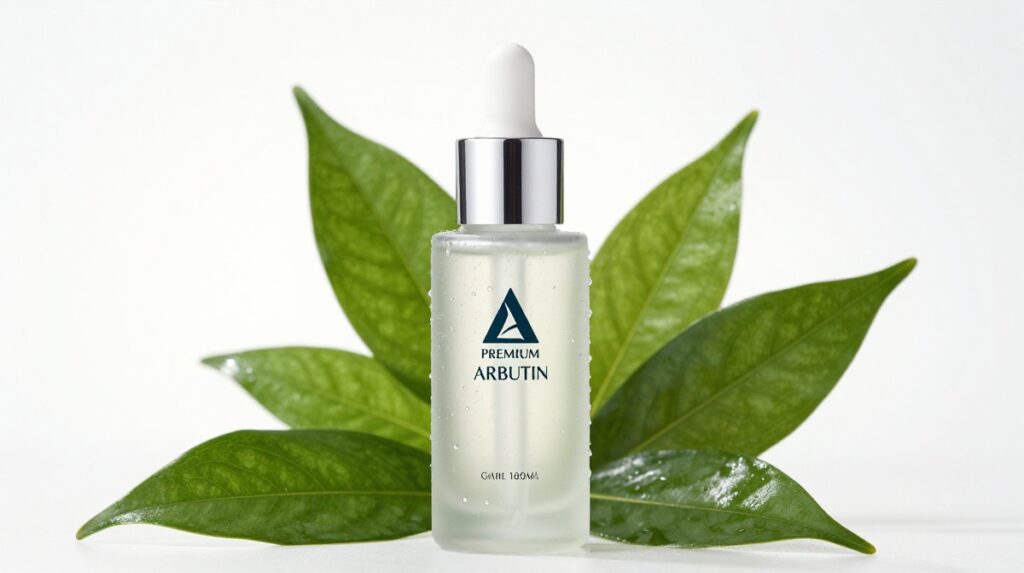
What it does: Alpha arbutin is a plant-derived compound that slowly releases small amounts of hydroquinone—without the dangerous side effects. It is very gentle .
How to use it: Use twice daily. It works well with vitamin C and niacinamide.
Who should use it: Anyone new to brightening ingredients or with sensitive skin.
Product example: The Ordinary Alpha Arbutin 2% + HA or Inkey List Alpha Arbutin Serum.
7. Retinoids (The Cell Turnover Accelerator)
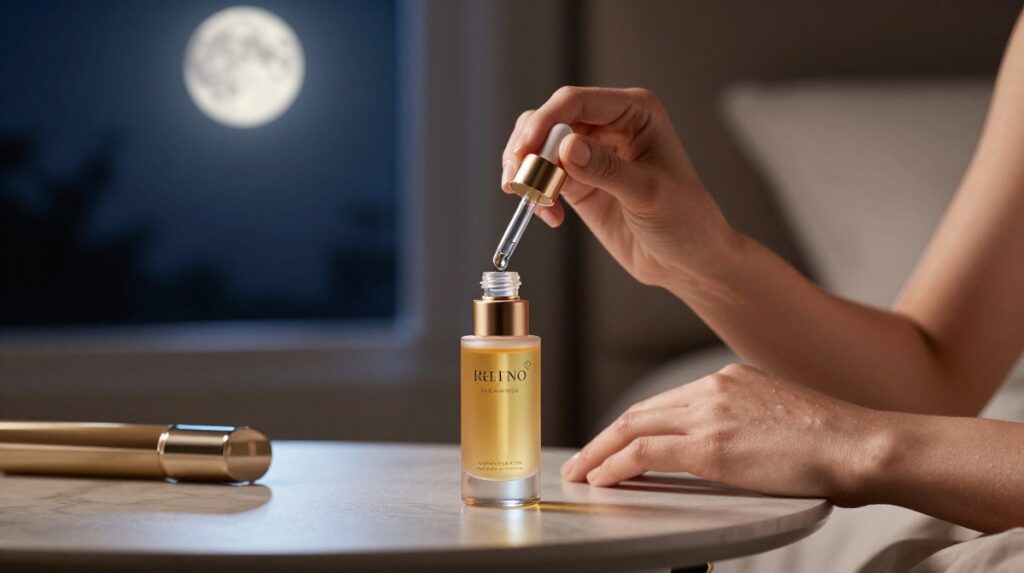
What they do: Retinoids (like retinol and prescription tretinoin) speed up skin cell turnover, which pushes pigmented cells to the surface so they shed faster. They also boost collagen .
How to use them: Use only at night. Start with a low concentration (0.25% or 0.3%) every 2-3 nights to avoid irritation.
Who should use them: Anyone with dark spots, fine lines, or acne. Not for pregnant or nursing women.
Product example: Differin Gel (adapalene 0.1%) or CeraVe Resurfacing Retinol Serum.
Ingredients to Avoid (The Dangerous Ones)
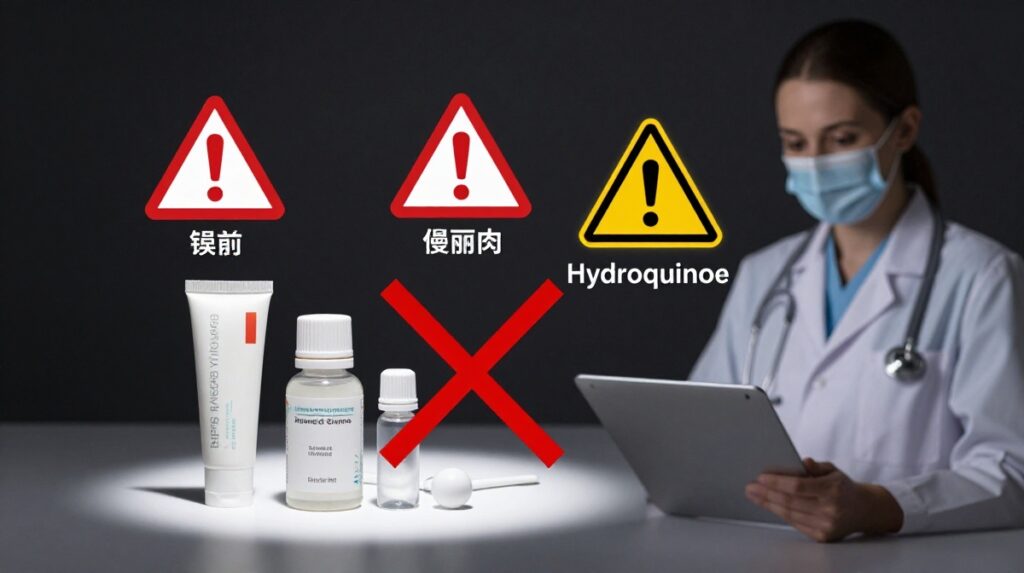
Now, let me be very clear. Some face whitening creams contain toxic ingredients that can permanently damage your skin and health. Never buy a cream that contains these:
| Ingredient | Why It Is Dangerous |
|---|---|
| Hydroquinone (over 2% or unmonitored) | Can cause ochronosis (blue-black skin discoloration) and permanent scarring. Banned in many countries. |
| Mercury (calomel) | Extremely toxic. Absorbs into your bloodstream, damaging kidneys and nervous system. Banned in the US, but still found in illegal imports. |
| Steroids (clobetasol, betamethasone) | Thins your skin, causes stretch marks, and leads to steroid withdrawal syndrome (red, burning skin). |
| High-concentration hydroquinone (above 4%) | Prescription-only for short-term use under doctor supervision. Never buy this over the counter. |
The FDA has warned that many imported face whitening creams contain hidden mercury and steroids. If a product promises “instant results” or “whitening in 3 days,” run away. Safe brightening takes time.
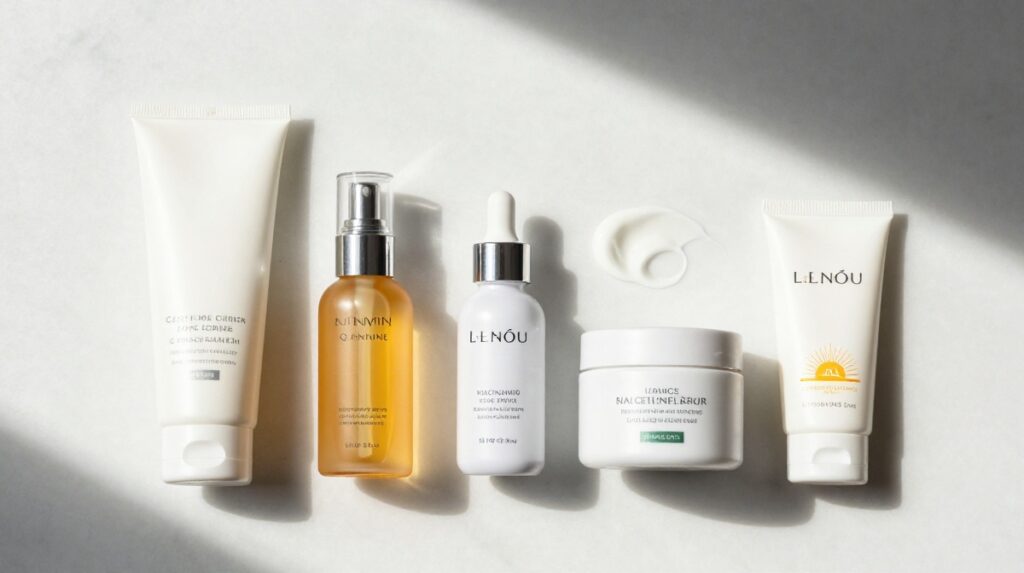
Step-by-Step Guide: How to Use a Face Whitening Cream Safely
You have chosen a safe product. Now, here is exactly how to use it for the best results.
Morning Routine (Brighten and Protect)
Step 1: Gentle Cleanser
Wash your face with a mild, non-stripping cleanser. Harsh cleansers irritate your skin and make dark spots look worse.
Step 2: Vitamin C Serum
Apply a vitamin C serum to clean, dry skin. This is your primary morning brightener.
Step 3: Tranexamic or Azelaic Acid (Optional)
If you have stubborn melasma or acne marks, apply tranexamic acid or azelaic acid next. Wait 60 seconds between layers.
Step 4: Niacinamide Serum
Apply a niacinamide serum to boost brightening and calm any irritation.
Step 5: Moisturizer
Use a lightweight, oil-free moisturizer.
Step 6: Sunscreen (THIS IS NON-NEGOTIABLE)
You must use broad spectrum SPF 30 or higher every single day. Without sunscreen, your brightening products will not work—sun exposure will just create new dark spots faster than you fade old ones.
Night Routine (Repair and Exfoliate)
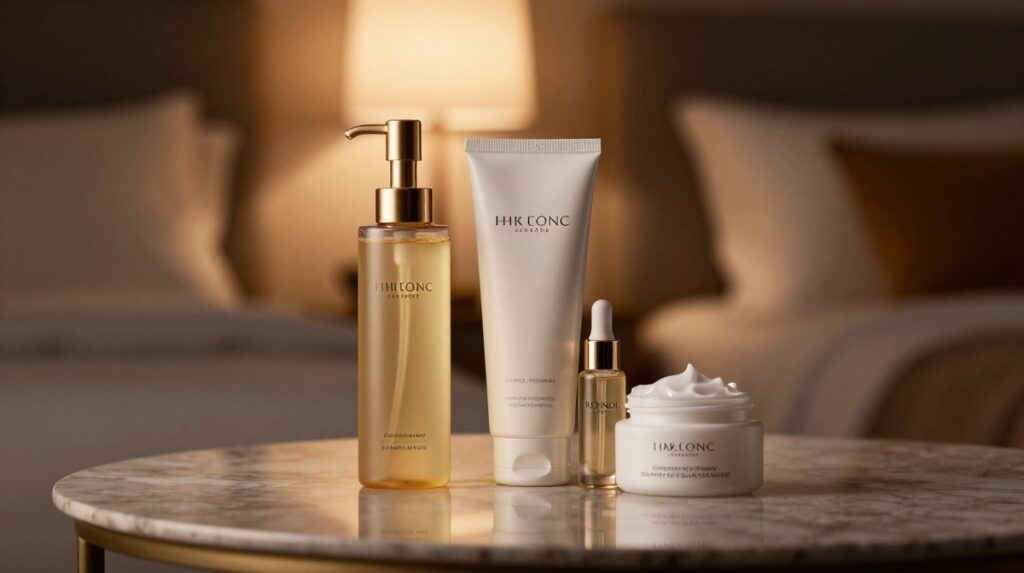
Step 1: Double Cleanse
Use an oil cleanser (to remove sunscreen and makeup) followed by your gentle water-based cleanser.
Step 2: Retinoid (2-3 nights per week)
Apply a pea-sized amount of retinol or prescription tretinoin to dry skin. Do not use other actives on these nights.
Step 3: Brightening Serum (On non-retinoid nights)
Use alpha arbutin, tranexamic acid, or azelaic acid on nights you are not using retinol.
Step 4: Moisturizer
Use a thicker night cream to support your skin barrier while it repairs.
Weekly Add-Ons
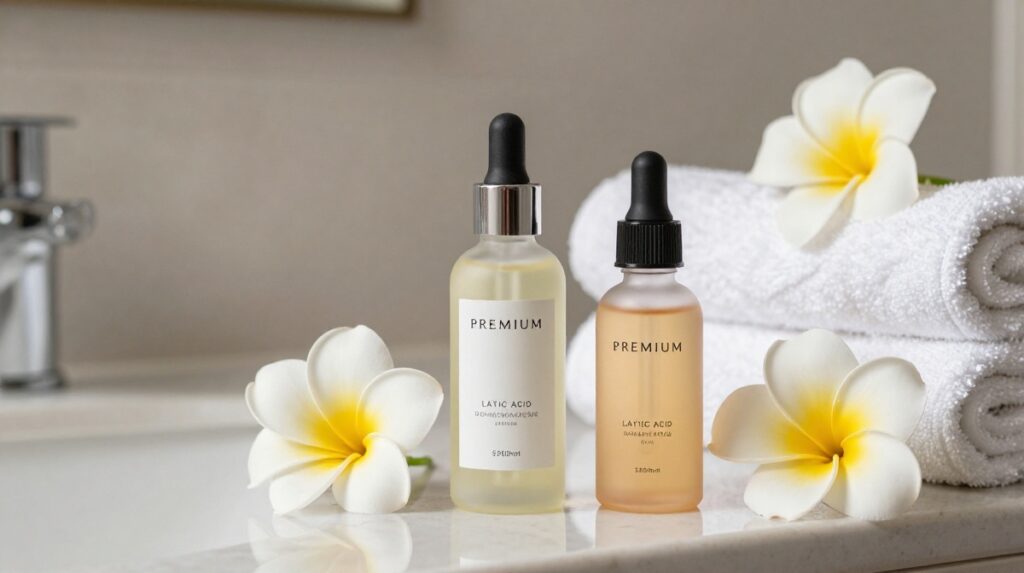
Gentle Exfoliation (1-2 times per week): Use a lactic acid or mandelic acid serum to remove dead skin cells so your brighteners can penetrate better. Avoid harsh physical scrubs.
Real-Life Anecdote: The 6-Month Journey to Clear Spots
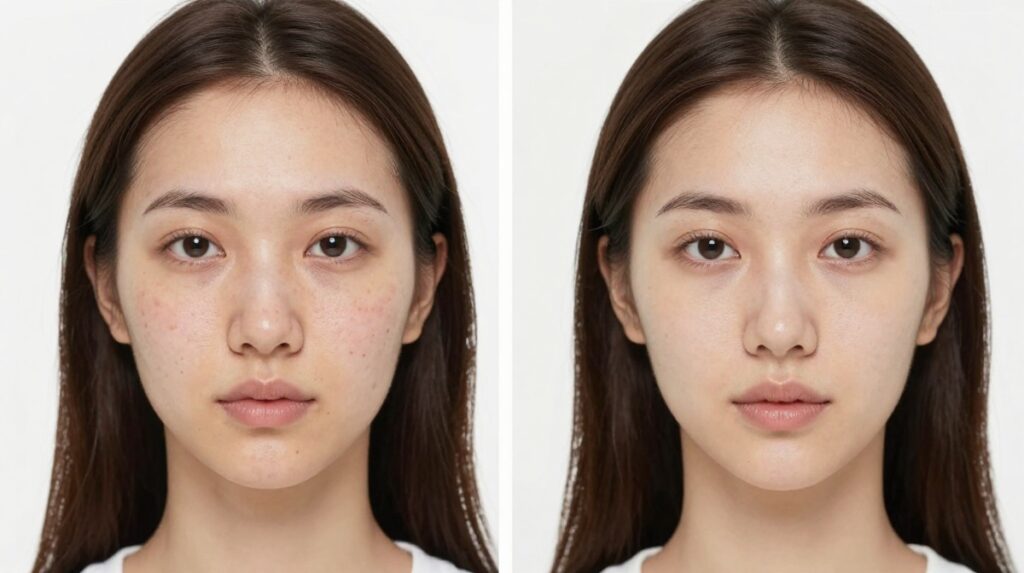
When I was 28, I had a cluster of dark spots on my left cheek from old acne. They were brown, stubborn, and made me feel like I needed to wear concealer every day. I tried a cheap face whitening cream from a local beauty supply store—and got a chemical burn.
Frustrated, I finally went to a dermatologist. She gave me a prescription for tretinoin 0.025% and told me to buy a vitamin C serum and niacinamide. “Use these every single day for six months,” she said. “And do not skip sunscreen.”
The first month was hard. My skin peeled and looked worse before it looked better. By month two, the dark spots started to fade. By month four, they were barely visible. By month six, they were gone.
That experience taught me that safe brightening is slow brightening. Anyone promising results in a week is lying or using dangerous chemicals. Give your skin at least 8-12 weeks to show improvement.
The Best Face Whitening Cream Combinations (By Concern)
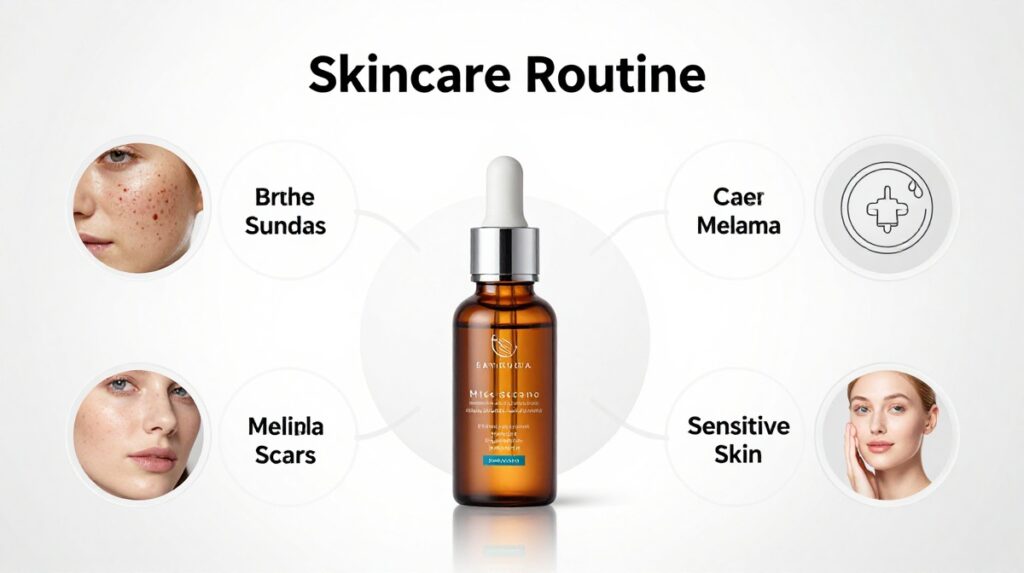
Here is how to build your perfect routine based on what you are trying to treat.
For Sun Spots and General Dullness
- Morning: Vitamin C serum + Niacinamide + SPF 50
- Night: Retinol (3x per week) + Alpha arbutin (other nights)
- Expect results in: 8-12 weeks
For Post-Acne Dark Marks (PIH)

- Morning: Azelaic acid 10% + Niacinamide + SPF 30
- Night: Retinol or prescription tretinoin + Moisturizer
- Expect results in: 6-10 weeks
For Melasma (Hormonal Dark Patches)
- Morning: Tranexamic acid + Azelaic acid + SPF 50 (physical sunscreen only)
- Night: Prescription hydroquinone (short-term, under doctor care) or tranexamic acid
- Expect results in: 12-16 weeks (melasma is stubborn)
For Sensitive Skin (Mild Dark Spots)
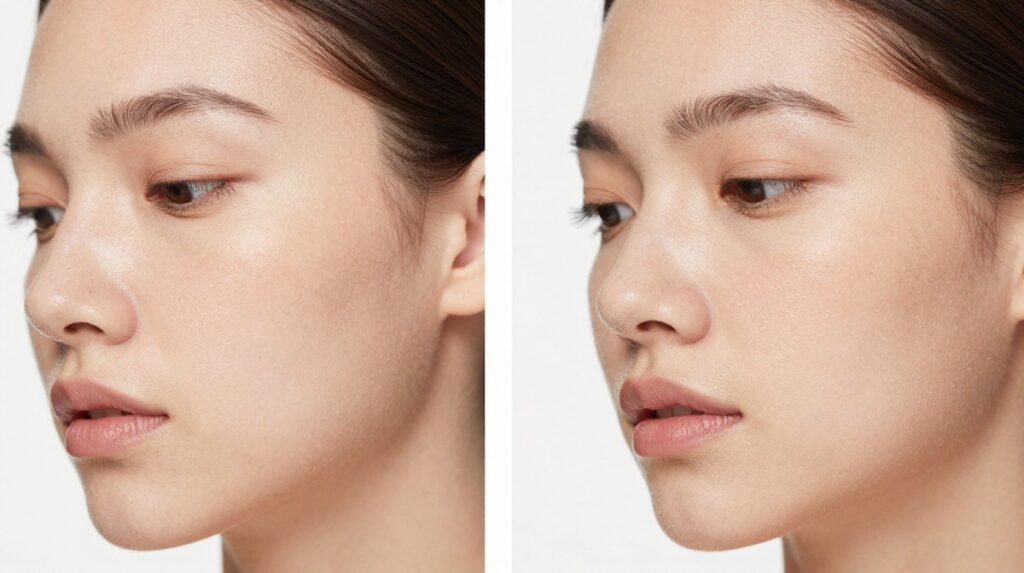
- Morning: Alpha arbutin + Niacinamide + SPF 30
- Night: Azelaic acid 10% (every other night) + Rich moisturizer
- Expect results in: 12-16 weeks
Anecdote: The Sunscreen Epiphany
A friend of mine spent hundreds of dollars on brightening creams, masks, and facials. Nothing worked. One day, I asked her, “What sunscreen do you use?” She shrugged and said, “I do not really wear it. It is too greasy.”
That was the problem. Without sunscreen, any face whitening cream is like pouring water into a bucket with a hole in the bottom. The sun creates new dark spots faster than your products can fade the old ones.
I convinced her to buy a lightweight mineral sunscreen (zinc oxide, which is less greasy). Within three months, her dark spots faded dramatically—without changing any other product. Sunscreen is not optional. It is the foundation of any brightening routine.
How to Buy a Safe Face Whitening Cream With Confidence
Here is how to avoid dangerous products and choose one that actually works.
- Buy from reputable retailers. Stick with Sephora, Ulta, Target, Walmart, Amazon official brand stores, or direct from the brand. Avoid eBay, AliExpress, or random Instagram shops.
- Check the ingredient list. If you see hydroquinone in a product sold without a prescription, do not buy it (low concentrations are legal in the US, but many dermatologists recommend avoiding it). If you see mercury (sometimes listed as “calomel” or “mercurous chloride”), run.
- Look for sealed, branded packaging. Illegal creams often come in unlabeled jars or generic bottles.
- Be suspicious of “instant” claims. No safe product works overnight. Real results take 8-12 weeks.
- Consult a dermatologist. If you have melasma or stubborn dark spots, a doctor can prescribe safe, effective treatments like tretinoin or hydroquinone (used correctly under supervision).
Frequently Asked Questions (FAQ)
1. Does face whitening cream actually change your natural skin color?
A safe brightening cream does not change your natural skin color. It only fades dark spots, sun damage, and post-acne marks to reveal your natural even tone. If a product promises to make you “lighter” overall, it likely contains dangerous bleaching agents.
2. How long does it take for a face whitening cream to show results?
With consistent daily use (and sunscreen), you will see initial brightening in 4 to 6 weeks. Significant fading of dark spots takes 8 to 12 weeks. Stubborn melasma may take 3 to 6 months.
3. Can I use face whitening cream if I have sensitive skin?
Yes. Choose products with alpha arbutin, niacinamide, or azelaic acid (10%). Avoid high-concentration vitamin C (start with 10% or less) and use retinol only 1-2 times per week.
4. Is there a face whitening cream that works without hydroquinone?
Absolutely. Vitamin C, niacinamide, tranexamic acid, kojic acid, alpha arbutin, and azelaic acid are all effective and safer alternatives. Many dermatologists now recommend these over hydroquinone.
5. Why do I need sunscreen with a face whitening cream?
Because UV rays trigger the melanin production that causes dark spots. Without sunscreen, your brightening ingredients are fighting a losing battle. SPF 30 or higher is mandatory every single day, even indoors and on cloudy days.
Conclusion
Let me be direct. That cheap, unlabeled face whitening cream I bought as a teenager caused me weeks of pain and embarrassment. I was lucky—some people get permanent scars, blue-black discoloration, or kidney damage from toxic creams.
The truth is, you do not need to risk your health for brighter skin. Safe, effective brightening exists. It just requires patience and the right ingredients.
Focus on vitamin C, niacinamide, tranexamic acid, azelaic acid, or alpha arbutin. Use them consistently for 8-12 weeks. Wear SPF 30 or higher every single day. If you have stubborn melasma or deep dark spots, see a dermatologist for prescription options like tretinoin or short-term hydroquinone.
Do not chase overnight miracles. Do not buy suspicious creams from unknown sellers. And never, ever use anything containing mercury.
Your natural skin tone is beautiful. The goal is not to change who you are—it is to let your healthiest, most radiant skin shine through. Start with a safe brightening serum today. In three months, when the dark spots have faded and your reflection makes you smile, you will be glad you did it the right way.
Pingback: Unlock the Glass Skin Secret: Your Guide to the Best Korean Serum - thebeautyvibeworld.com