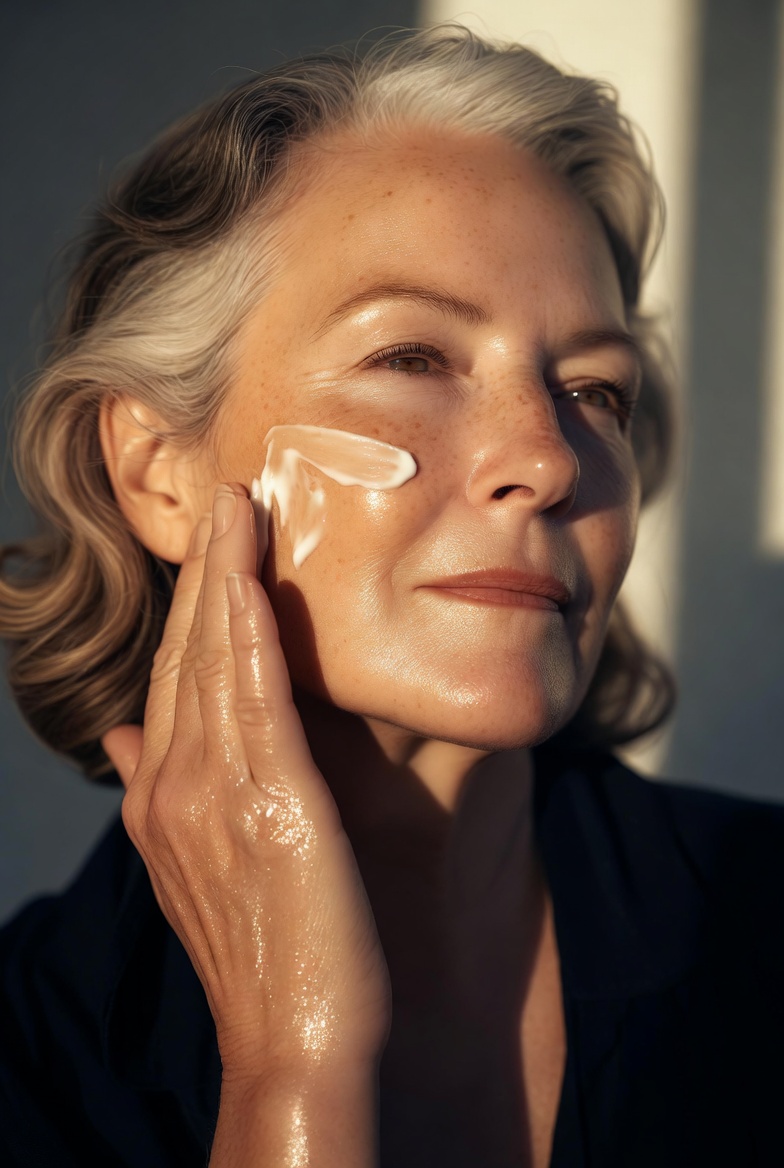

Let me tell you about the first time I tried a Korean serum. I was at a friend’s house, complaining about my dull, tired-looking skin. My friend, who had that famous “glass skin” glow—you know, the one that looks so clear and reflective it seems almost fake—just smiled and handed me a small bottle. “Try this for a month,” she said. “It changed my life.”
I was skeptical. I had tried expensive American serums that stung my face and cheap drugstore ones that felt like glue. But one week later, my skin looked… different. Brighter. Bouncier. By the end of the month, strangers were asking me what I was using.
That bottle was a Korean serum. And once I understood why K-beauty serums are different, I never went back.
So, what makes the best Korean serum so special? According to beauty experts, Korean serums offer “more bang for your buck overall—especially when you consider the quality of ingredients, sensorial textures and thoughtful packaging” . Unlike Western serums that often focus on one harsh active ingredient, Korean formulas are designed to be gentle, layerable, and packed with soothing botanicals that work without irritation .
Today, I am going to walk you through everything you need to know to find the best Korean serum for your skin type. No confusing jargon. No hype. Just real recommendations from dermatologists and beauty editors, plus a step-by-step guide to using them correctly. Let us dive in.
Why Korean Serums Are Worth the Hype
First, let us understand what makes a Korean serum different from the rest. The secret lies in three things: ingredients, texture, and philosophy.
Ingredient Innovation: K-beauty is famous for discovering and popularizing ingredients that later go viral worldwide. Think snail mucin, propolis, fermented extracts, and now PDRN (polydeoxyribonucleotide) . These are not just trendy names—they actually work.
Lightweight Textures: Have you ever used a serum that felt heavy or left your face sticky? That rarely happens with Korean formulas. They are designed to absorb quickly and layer beautifully under moisturizer and makeup without pilling .
Barrier-First Philosophy: Korean skincare prioritizes skin barrier health above all else. Instead of blasting your face with high concentrations of actives that cause redness and peeling, K-beauty serums pair powerful ingredients with soothing ones like centella asiatica (cica), ceramides, and panthenol .
As one beauty editor put it: “They stand out for their lightweight textures and ability to deliver targeted results without irritation” .
The Top Ingredients to Look For in the Best Korean Serum
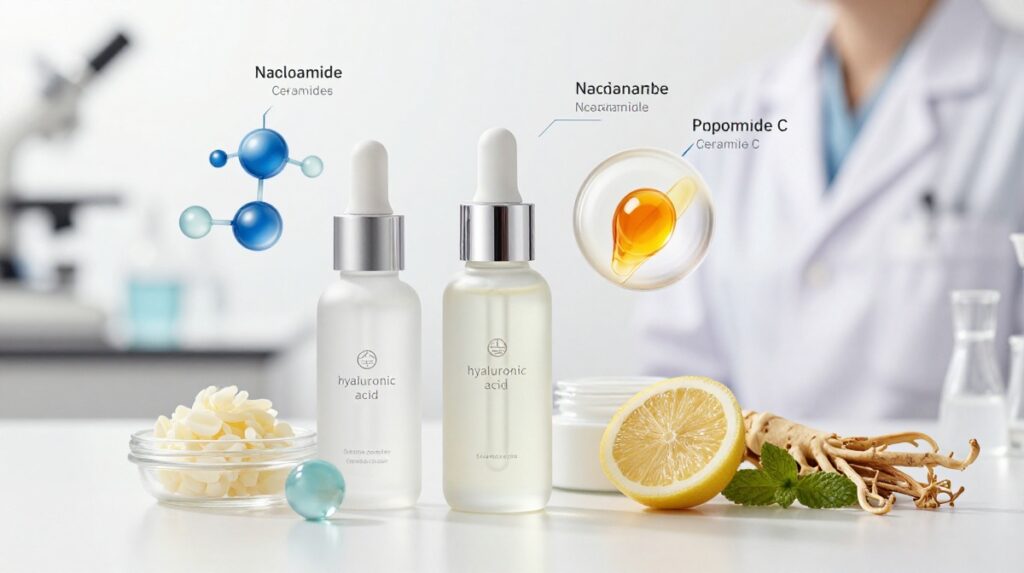
Before we get into specific products, let us break down the star ingredients you will find in the best Korean serum formulations. Understanding these will help you shop like a pro.
| Ingredient | What It Does | Best For |
|---|---|---|
| Hyaluronic Acid | Holds 1000x its weight in water; plumps and hydrates | Dry, dehydrated skin; fine lines |
| Niacinamide | Brightens, fades dark spots, controls oil, repairs barrier | Uneven tone, acne-prone skin, redness |
| Snail Mucin | Repairs damage, hydrates, boosts collagen | Scars, dullness, post-procedure skin |
| Propolis | Antibacterial, soothes, adds glow | Acne-prone, inflamed, or dull skin |
| PDRN | Regenerates tissue, calms inflammation, boosts hydration | Compromised barrier, redness, aging |
| Ginseng | Antioxidant, firms, revitalizes | Mature skin, loss of elasticity |
| Vitamin C | Brightens, fades dark spots, protects from free radicals | Hyperpigmentation, dull complexion |
| Ceramides | Repairs skin barrier, locks in moisture | Dry, sensitive, or damaged skin |
According to experts, you will often see these ingredients paired together. For example, “hyaluronic acid and ceramides are common in Korean serums… combining these two ingredients is a must to keep skin comfortable and nourished” . Niacinamide is also “very popular… a great ingredient for improving the overall texture and tone of skin” .
The Best Korean Serum for Every Skin Concern
Now for the part you have been waiting for. I have combed through expert recommendations from dermatologists and beauty editors to bring you the top picks for the best Korean serum based on your specific needs.
Also Read:The Truth About Face Whitening Cream: Brightening vs. Bleaching (And What Actually Works)
Best Overall: Aestura Atobarrier Hydro Cera-HA Serum
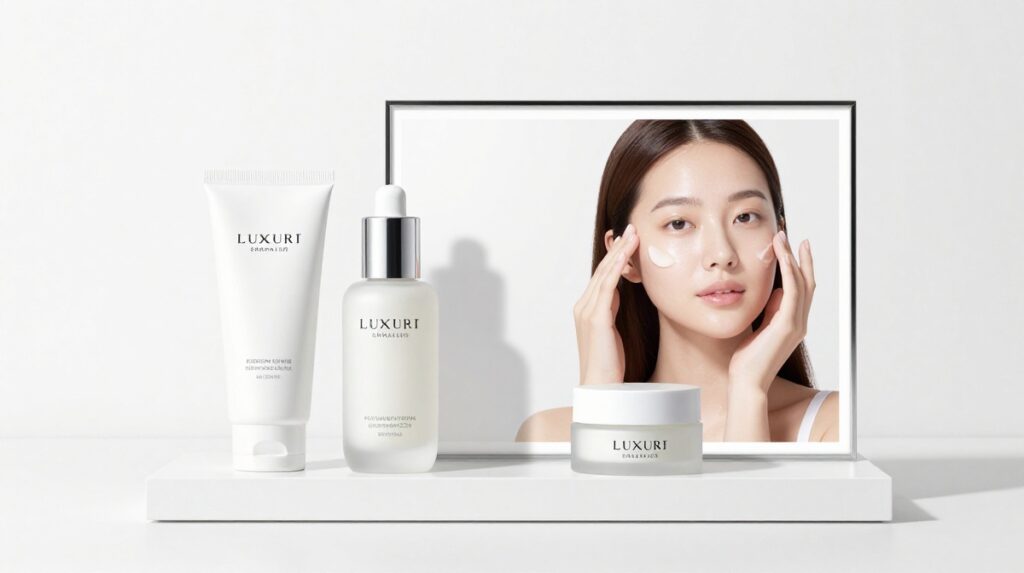
If you could only buy one Korean serum, this would be it. Praised by multiple dermatologists, the Aestura Atobarrier Hydro Cera-HA Serum is a hydration powerhouse.
Why it is great: It contains a “powerful blend” of hyaluronic acid, ceramides, triple lipid complex, glycerin, niacinamide, and vitamin E . One dermatologist calls it a “game changer” for dry skin, noting that it “hydrates and repairs the skin barrier, soothes, and brightens” .
Who should use it: Anyone, but especially those struggling with dryness, dehydration, or a compromised barrier. The texture is lightweight and “absorbs rapidly into the skin, making it great for layering with other products” .
Real user experience: “I noticed an instant improvement in how soft and moisturized my skin was after applying it. Over time, this serum helps my skin look glowier and more radiant” .
Best for Acne-Prone Skin: Beauty of Joseon Glow Serum: Propolis + Niacinamide
If you struggle with breakouts but still want that glow, this is the best Korean serum for you. The Beauty of Joseon Glow Serum contains 60% propolis extract and 2% niacinamide .
Why it is great: Propolis is a resinous substance produced by bees that has “natural soothing and antibacterial properties, making it ideal for blemish-prone skin” . Meanwhile, niacinamide helps balance sebum production and brightens dark spots left behind by old pimples.
Who should use it: Combination, oily, or acne-prone skin. The formula has a “lightweight yet slightly thick texture that absorbs quickly without leaving any greasy residue” .
Real user experience: As someone with combination skin, I appreciate that this serum “feels cushiony and moisturizing on the dryer zones of my face without getting greasy on my oily T-zone” . Users also report it provides “great hydration” and “leaves a nice glow and plump skin” without feeling sticky .
Best for Sensitive Skin: Abib Heartleaf TECA Capsule Serum
Sensitive skin needs gentle, calming ingredients. The Abib Heartleaf TECA Capsule Serum is formulated specifically to reduce redness and inflammation.
Why it is great: It contains heartleaf (Houttuynia cordata) and centella asiatica, both of which are “anti-inflammatory ingredients that reduce redness and inflammation” . It also includes niacinamide for brightening.
Who should use it: Anyone with sensitive, reactive, or easily irritated skin. It is also great for when your skin feels overheated or sun-exposed.
Real user experience: One editor tried this serum in Seoul during a heat wave and loved how “it immediately cooled my skin after a day in the sun and toned down the redness” . The tiny green capsules in the bottle contain centella extract that melts into the skin for an extra-refreshing effect.
Best for Oily Skin: Mixsoon Bean Essence
Technically an essence, but it works beautifully as a serum. The Mixsoon Bean Essence has gone viral on TikTok for its unique exfoliating properties.
Why it is great: Made with fermented soybean and fruit extracts, it creates a “natural exfoliating effect” as you rub it into your skin . It helps “balance oil production while boosting hydration” .
Who should use it: Oily, combination, or clogged-pore-prone skin. It is especially good for the nose area where blackheads accumulate.
Real user experience: “For best results, I’d recommend working it in for at least a few minutes so that your dead skin cells can start gradually clumping up. I focus on my nose area where I get clogged pores, rub until I see tiny specks of skin, then gently wipe it off” . It also works great as a fast-absorbing, glow-boosting serum if you just apply a thin layer without massaging.
Best for Skin Barrier Repair: Medicube PDRN Pink Peptide Serum
PDRN is the buzziest ingredient in K-beauty right now, and the Medicube PDRN Pink Peptide Serum is leading the charge.
Why it is great: PDRN (polydeoxyribonucleotide) “enhances circulation and stimulates cellular growth and repair,” making it “a great product to maintain skin integrity” . This serum uses a vegan, rose-derived PDRN along with peptides and coenzyme Q10 to boost elasticity and protect against environmental stressors .
Who should use it: Anyone with a compromised skin barrier, redness, or dullness. It is particularly good for times when your skin feels irritated or sensitive. However, if you have a fish or marine allergy, avoid PDRN products .
Real user experience: “Within the first few uses, my skin looked noticeably more luminous… After a couple of weeks of consistent use, the most noticeable change was how smooth my skin looked. My complexion felt more hydrated and looked slightly plumper” .
Best Brightening/Vitamin C: Numbuzin No.5 Vitamin Concentrated Serum
If dark spots and dullness are your main concerns, you need a vitamin C serum. The Numbuzin No.5 Vitamin Concentrated Serum is a TikTok-viral favorite for a reason.
Why it is great: It contains “glutathione vitamin C, niacinamide, and tranexamic acid, two actives that are known to help with dyspigmentation” . Unlike many vitamin C serums that sting, this one is “gentle and hydrating” .
Who should use it: Anyone with dark spots, post-acne marks, or uneven skin tone. It is suitable for dry and sensitive skin types as well.
Real user experience: “After a month of regular use, it faded the marks around my chin and brightened my overall complexion without causing the slightest bit of irritation” .
Best Anti-Aging/Retinol: CosRx The Retinol 0.5 Oil
Korean retinols are known for being gentler than their Western counterparts. The CosRx The Retinol 0.5 Oil is suspended in squalane oil, which “cushions the intensity of the pure retinol” .
Why it is great: Most US retinols start at 0.25% or 0.3%, but Korean retinols often start at 0.1% and are “paired with peptides, niacinamide, or traditional Hanbang ingredients, making them more than just anti-aging—they brighten, calm, and firm simultaneously” . This one has a higher concentration (0.5%) but the oil base prevents irritation.
Who should use it: Dry skin types new to retinol, or anyone looking for a gentle anti-aging option.
Real user experience: “I love how smooth it makes my skin look, and it gives a soft glow without flaking or redness” .
Step-by-Step Guide: How to Use a Korean Serum
Buying the best Korean serum is only half the battle. You also need to use it correctly. Follow these steps for maximum results.
Step 1: Cleanse Your Face
Start with a clean slate. Use an oil cleanser (to remove sunscreen and makeup) followed by a water-based gentle cleanser. Pat your face dry, leaving it slightly damp.
Step 2: Apply Toner (Optional but Recommended)
A hydrating toner prepares your skin to absorb the serum better. Look for alcohol-free toners with ingredients like rose water or glycerin.
Step 3: Dispense the Serum
Most Korean serums come with a dropper. Dispense 2 to 3 drops into the palm of your hand . Using more does not work better—it just wastes product.
Step 4: Apply to Your Face
Gently pat the serum onto your face and neck, focusing on areas that need extra attention. Do not rub aggressively. Patting helps absorption without irritation .
Step 5: Wait 30-60 Seconds
Let the serum absorb before moving to the next step. This prevents pilling.
Step 6: Seal with Moisturizer
Follow with a moisturizer to lock everything in. If you are using a retinol serum at night, a thicker night cream is ideal.
Step 7: Morning Routine Add-On: Sunscreen
If you are using vitamin C or retinol in your serum, sunscreen is non-negotiable. These ingredients make your skin more sensitive to the sun.
How to Layer Multiple Korean Serums
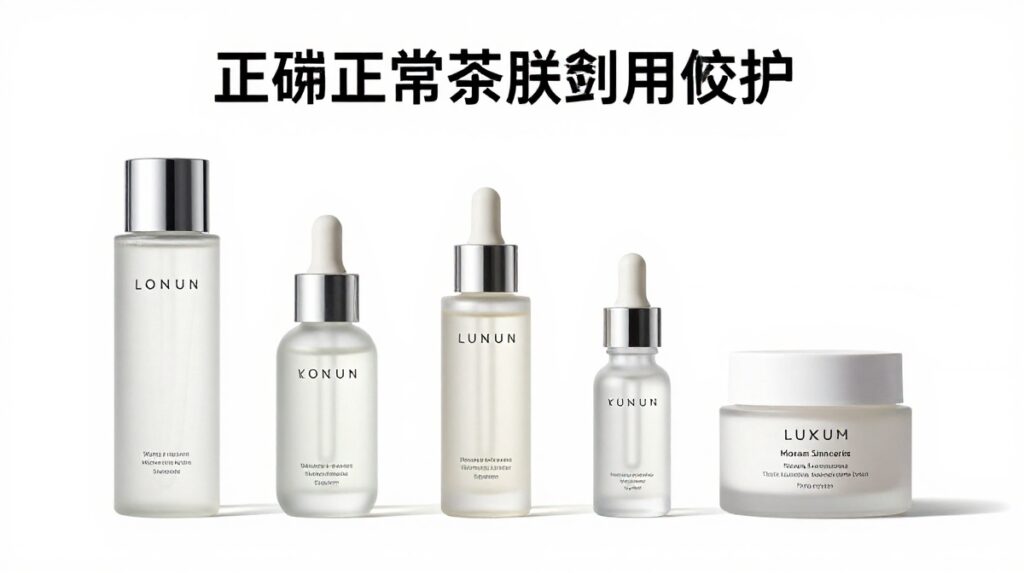
One of the joys of K-beauty is layering. You can use more than one Korean serum in a single routine—just follow this order from thinnest to thickest texture:
- Hydrating toner (if using)
- Watery serum (like vitamin C or hyaluronic acid)
- Essence (like snail mucin or bean essence)
- Thicker serum (like propolis or PDRN)
- Moisturizer
Important warning: Do not layer retinol with vitamin C or exfoliating acids (AHAs/BHAs) in the same routine. Use vitamin C in the morning and retinol at night .
Anecdote: The Day I Learned About “Purging”
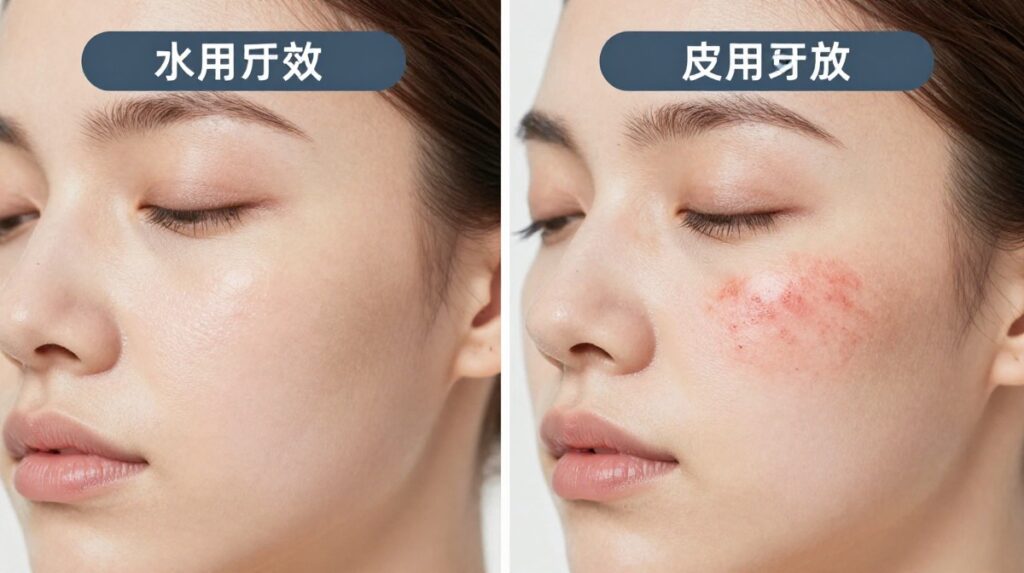
When I first started using a Korean retinol serum, my skin broke out terribly after one week. I panicked. I thought the serum was ruining my face. But a quick call to a derm friend explained it: purging.
Purging happens when active ingredients like retinol or vitamin C speed up skin cell turnover, pushing hidden clogged pores to the surface faster. It looks like small whiteheads in areas where you normally break out. It lasts 2-4 weeks and then stops.
I pushed through. By week six, my skin was smoother than ever. The lesson? Do not give up after one week. Give your Korean serum at least 6-8 weeks to work. If you are still breaking out after three months, then switch products.
Where to Buy the Best Korean Serum With Confidence
You have decided on a serum. Now, where should you buy it?
- YesStyle and Stylevana: Massive selection of K-beauty brands. Shipping takes longer (2-4 weeks), but prices are lower.
- Olive Young Global: The “Sephora of Korea.” Fast shipping, authentic products, and frequent sales.
- Amazon: Convenient, but only buy from official brand stores (look for “Visit the [Brand Name] Store” link). Avoid third-party sellers.
- Sephora and Ulta: Carry popular K-beauty brands like Laneige, Dr. Jart+, and Innisfree. Easy returns.
Pro tip: Always check the manufacturing date or expiration date before buying. Korean skincare often has a small jar icon on the back with a number (like “12M”), meaning it is good for 12 months after opening.
Frequently Asked Questions (FAQ)
1. What makes a Korean serum different from a Western serum?
Korean serums prioritize skin barrier health and gentle formulations. They often pair active ingredients (like vitamin C or retinol) with soothing botanicals (like centella asiatica) to prevent irritation. They also have lighter textures that layer beautifully .
2. How long does it take to see results from a Korean serum?
Hydration results are immediate. For brightening and dark spot fading, expect 4 to 8 weeks of consistent use. For anti-aging (fine lines, firmness), give it 8 to 12 weeks .
3. Can I use two different Korean serums in the same routine?
Yes. K-beauty is built on layering. Apply from thinnest to thickest texture. However, do not layer retinol with vitamin C or exfoliating acids in the same routine .
4. Why is my Korean serum pilling (rolling into little balls)?
Pilling happens when you apply products too quickly without letting them absorb, or when silicone-based serums clash with water-based moisturizers. Wait 30-60 seconds between each layer .
5. Is the best Korean serum expensive?
Not necessarily. Many top-rated Korean serums cost between 15and15and35. Brands like Beauty of Joseon, CosRx, and The Ordinary (Korean-inspired) offer excellent quality at affordable prices .
Conclusion
I still have that first empty bottle of Korean serum on my bathroom shelf. It reminds me that great skin is not about genetics or luck. It is about using the right ingredients in the right way.
The best Korean serum for you depends on your skin type and concerns. If you have dry, dehydrated skin, start with Aestura Atobarrier Hydro Cera-HA Serum. If acne is your battle, try Beauty of Joseon Glow Serum. If you want to brighten dark spots, grab Numbuzin No.5 Vitamin C Serum. And if your skin barrier needs rescue, the Medicube PDRN Pink Peptide Serum is your new best friend.
Remember the rules: apply 2-3 drops to clean skin, pat gently, wait for absorption, and seal with moisturizer. Give it two months. Do not give up during the purge.
Your glass skin is waiting. Go ahead and buy that Korean serum today. In three months, when you catch your reflection and smile, you will thank yourself.