
Every woman wants hair that feels clean, soft, fresh, and easy to manage. But let’s be honest, building the best hair care routine for women can feel confusing. One person says wash your hair every day. Another says wash it only once a week. Someone recommends oiling. Someone else says avoid oil. Then there are shampoos, conditioners, masks, serums, heat protectants, scalp treatments, and dozens of “miracle” products.
So, where should you start?
The truth is simple: a good hair care routine for women does not need to be complicated. It needs to match your hair type, your scalp condition, your lifestyle, and your daily habits. When you understand what your hair actually needs, choosing the right products becomes much easier.
I still remember a friend who used to complain that her hair was “always dry.” She kept buying random shampoos because the bottles looked expensive and attractive. But the real problem was not her shampoo only. She was washing with hot water, skipping conditioner, rubbing her wet hair with a towel, and using a straightener without heat protection. Once she changed those small habits and started using a proper hair care product routine, her hair looked smoother within a few weeks.
That is the power of a routine.
In this guide, you will learn a clear, simple, and practical step-by-step hair care routine that any woman can follow at home. Whether your hair is dry, oily, frizzy, thin, curly, damaged, or color-treated, this guide will help you take better care of it with confidence.
Why a Proper Hair Care Routine for Women Matters
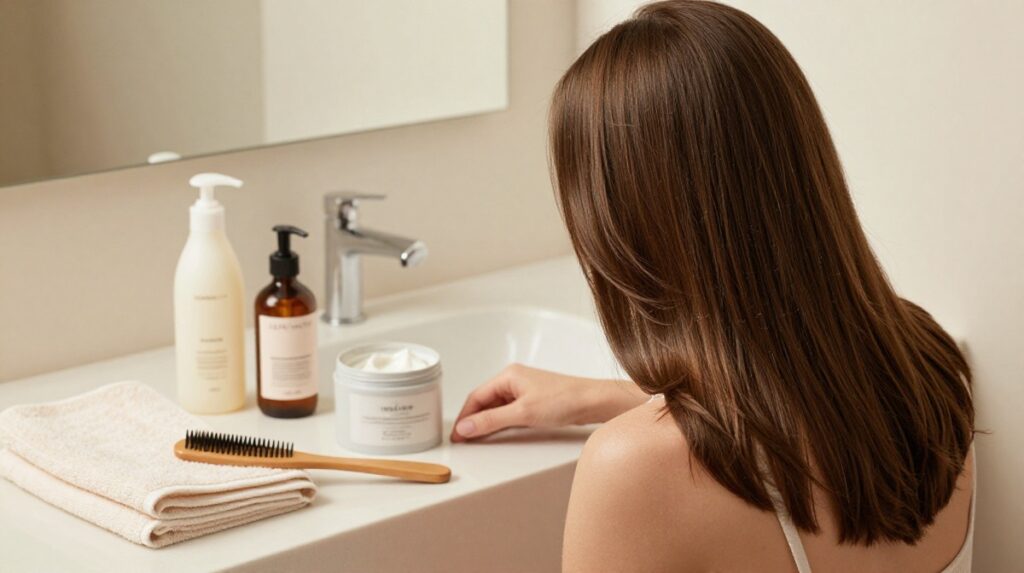
Your hair faces stress every day. Sunlight, pollution, sweat, heat tools, tight hairstyles, chemical treatments, hard water, and poor product choices can all affect the health of your hair. Over time, this may lead to dry hair, frizzy hair, split ends, dullness, breakage, and even visible hair fall.
A proper hair care routine helps you:
- Keep your scalp clean and balanced
- Reduce dryness and roughness
- Improve shine and softness
- Control frizz
- Protect hair from heat damage
- Make hair easier to style
- Support stronger-looking hair
- Reduce unnecessary breakage
According to the American Academy of Dermatology, using conditioner after washing can help improve the look and feel of hair by adding moisture and making it easier to manage. This is why a complete routine should never depend on shampoo alone.
Think of your hair like a beautiful fabric. If you wash it harshly, pull it roughly, and expose it to heat every day, it will lose its softness. But if you clean it gently, condition it properly, and protect it regularly, it will stay in better shape.
Step 1: Understand Your Hair Type and Scalp
Before buying any hair care products, you need to understand your hair and scalp. This step is important because the wrong product can make your hair worse instead of better.
Here are the main things to check:
1. Is your scalp oily, dry, or normal?
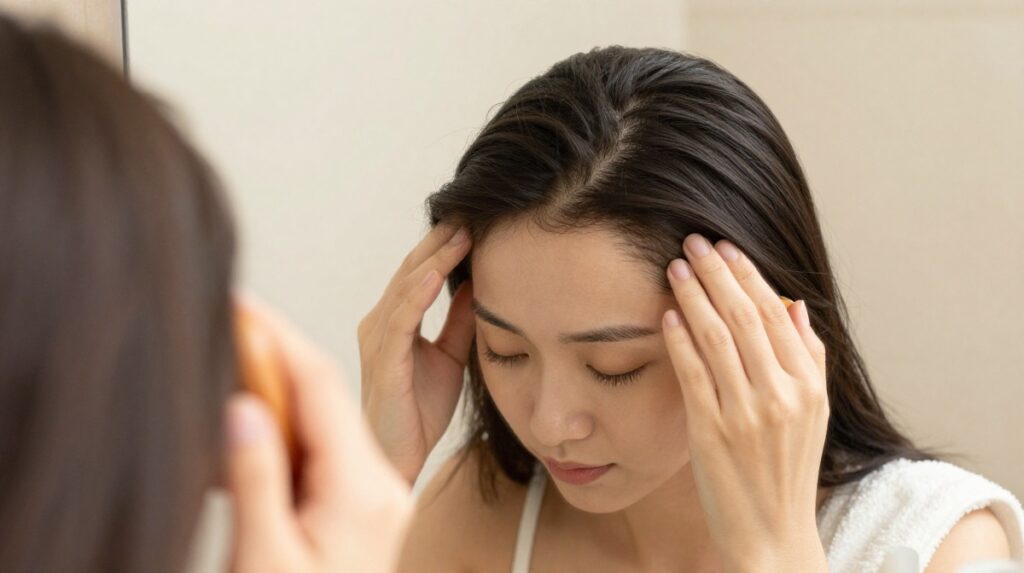
If your scalp becomes greasy one day after washing, you may have an oily scalp. If your scalp feels tight, itchy, or flaky, you may have a dry scalp. If your scalp feels comfortable for two to three days after washing, it may be normal.
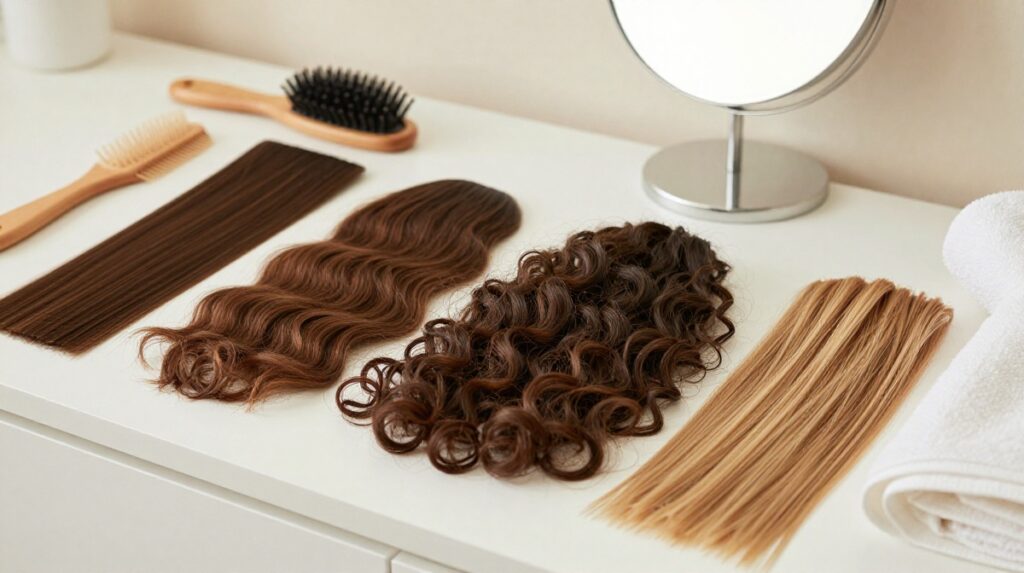
2. Is your hair fine, thick, curly, straight, or wavy?
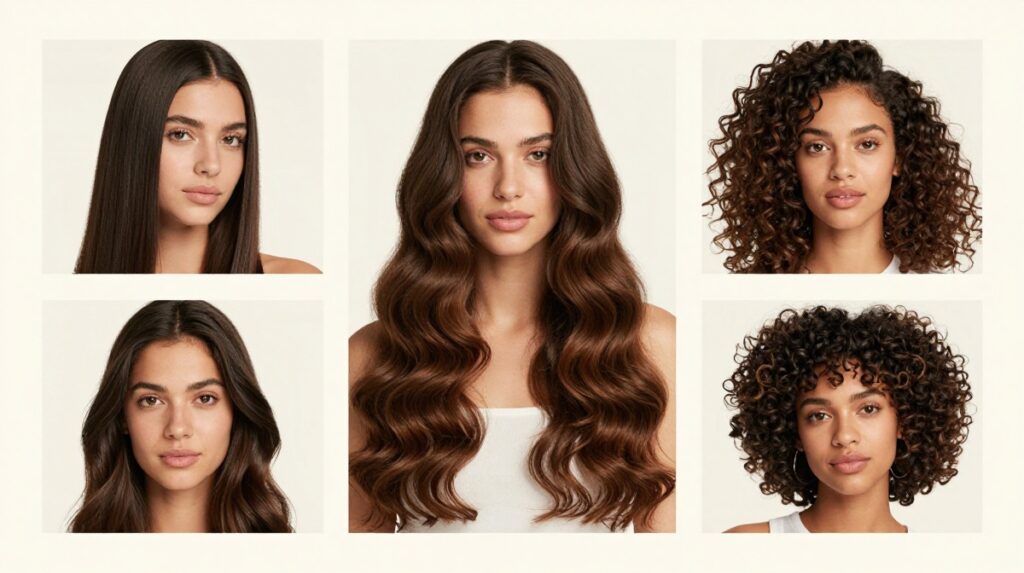
Fine hair usually becomes oily faster and may look flat. Thick hair may need more moisture. Curly hair and wavy hair often need extra hydration because natural oils take longer to travel down the hair strand.
Also Read:Face Framing Haircuts: The Easy Way to Make Your Hair Look Softer, Fresher, and More Flattering
3. Is your hair damaged?
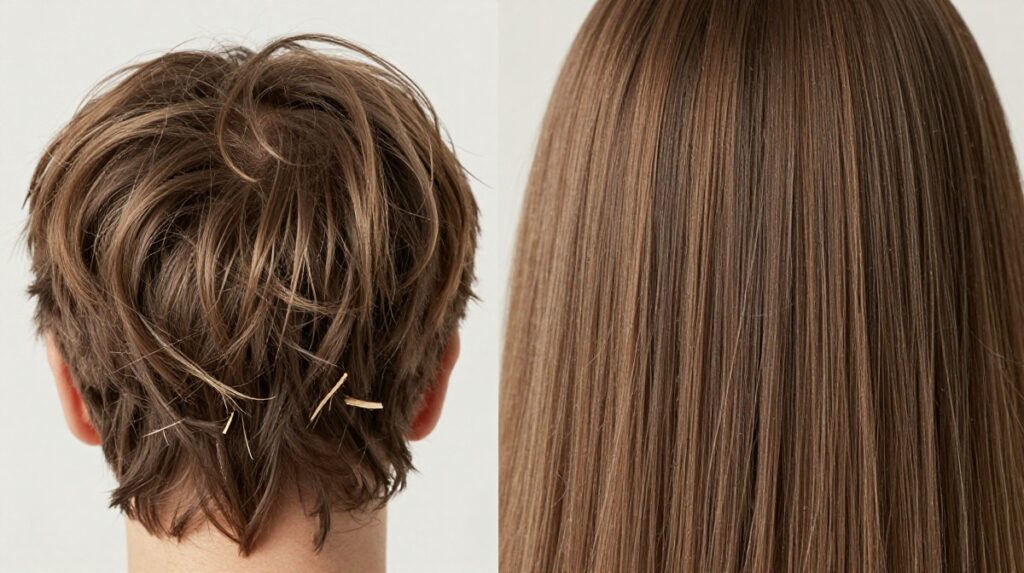
You may have damaged hair if it feels rough, breaks easily, looks dull, tangles quickly, or has many split ends. Damage can come from coloring, bleaching, straightening, curling, or using harsh products.
Once you know your hair type, your routine becomes easier. You stop copying everyone else and start giving your hair what it actually needs.
Step 2: Choose the Right Shampoo
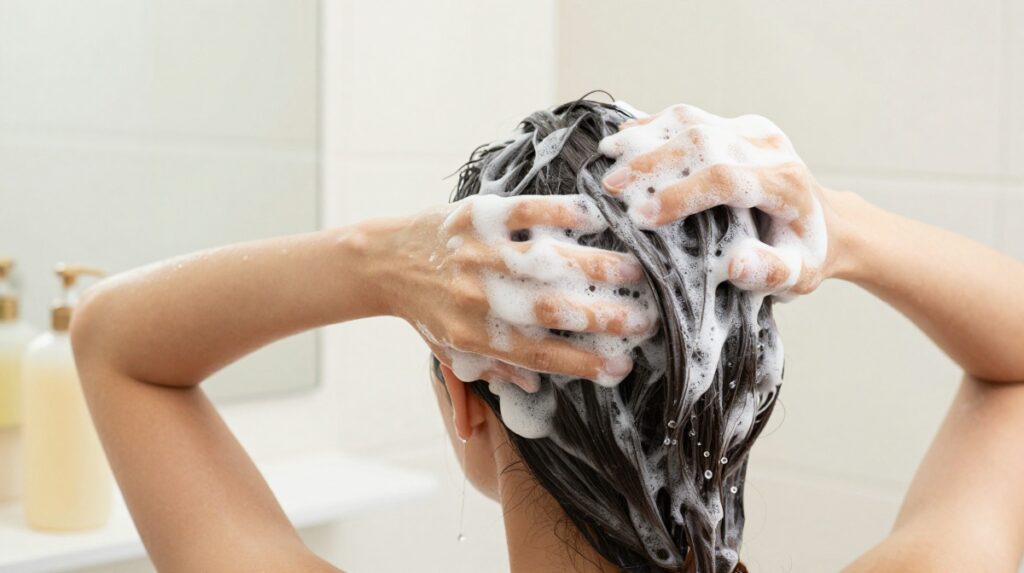
A good shampoo should clean your scalp without making your hair feel dry, rough, or stripped. Many women make the mistake of applying shampoo to the full length of the hair. In most cases, shampoo should mainly be used on the scalp because that is where oil, sweat, and buildup collect.
When you rinse the shampoo, it naturally runs through the hair lengths and cleans them lightly.
How often should women wash their hair?
There is no one perfect answer for everyone. Cleveland Clinic explains that washing frequency depends on hair type, scalp oil, texture, and lifestyle. For example, finer hair may need washing more often, while thicker or coarse hair may need less frequent washing. You can read more from Cleveland Clinic.
As a simple guide:
- Oily scalp: Wash every 1 to 2 days
- Normal scalp: Wash every 2 to 3 days
- Dry hair or curly hair: Wash every 3 to 7 days
- Very active lifestyle: Wash when sweat and buildup feel heavy
However, avoid washing your hair more than needed. Overwashing with harsh shampoo can make your hair feel dry and weak.
What to look for in a good shampoo
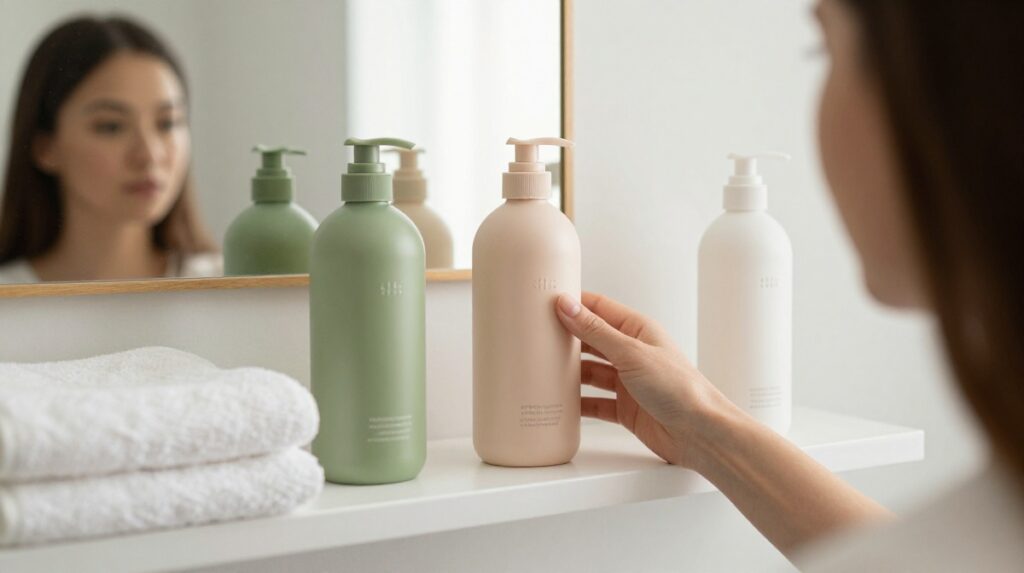
Choose a shampoo based on your concern:
- For dry hair, choose a moisturizing shampoo
- For oily scalp, choose a gentle balancing shampoo
- For frizzy hair, choose a smoothing shampoo
- For damaged hair, choose a strengthening shampoo
- For colored hair, choose a color-safe shampoo
- For dandruff or itching, choose a targeted scalp shampoo
A high-quality hair care product should make your scalp feel clean and your hair feel fresh, not straw-like.
Step 3: Never Skip Conditioner
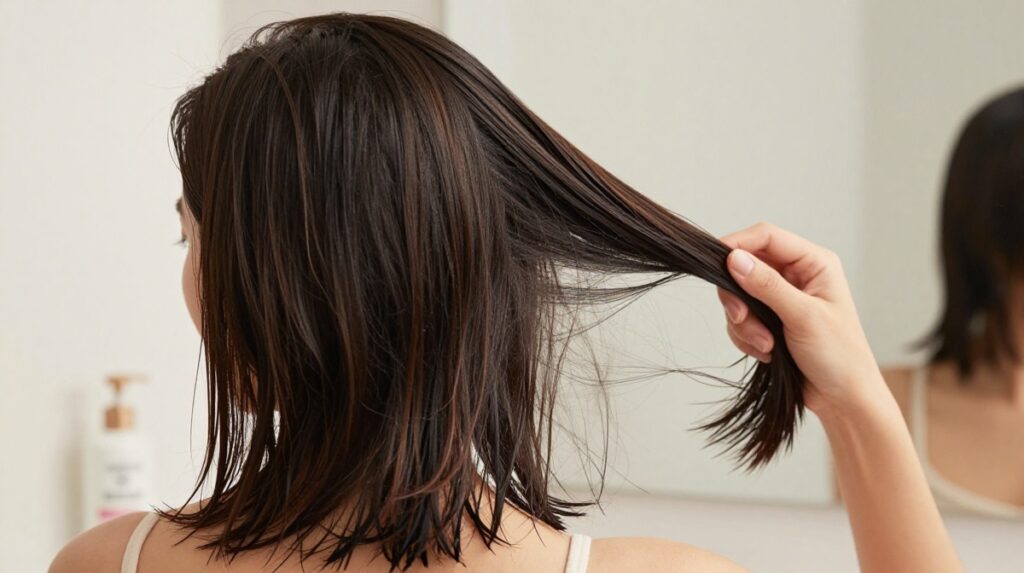
If shampoo is for cleaning, conditioner is for softness, smoothness, and protection. Many women skip conditioner because they think it makes hair oily. But usually, the problem is not conditioner itself. The problem is applying it incorrectly.
Conditioner should be applied mainly from the mid-lengths to the ends, not directly on the scalp, especially if your scalp is oily.
How to use conditioner properly
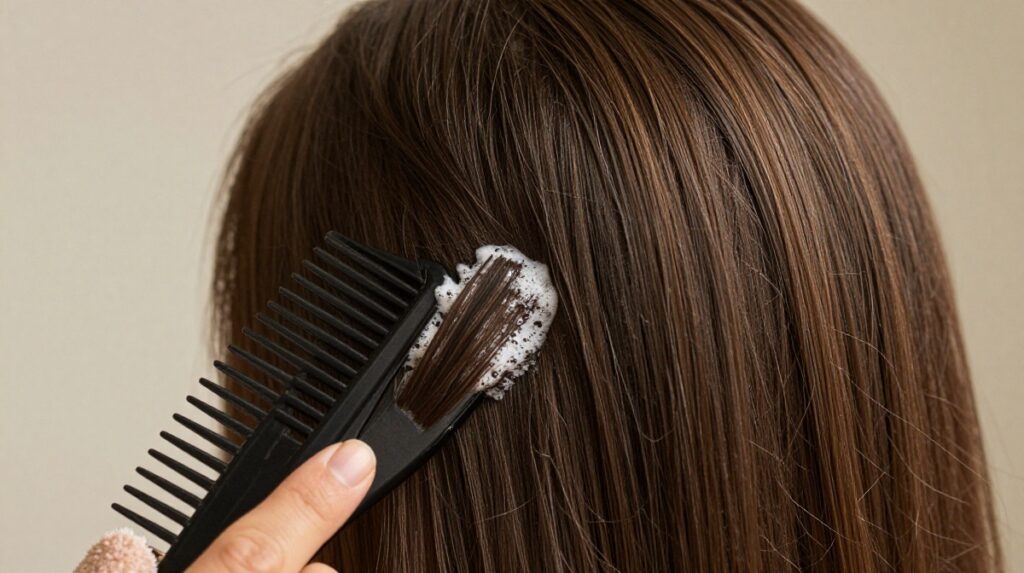
After shampooing:
- Squeeze extra water from your hair
- Apply conditioner from the middle to the ends
- Leave it for 2 to 5 minutes
- Detangle gently with fingers or a wide-tooth comb
- Rinse well with cool or lukewarm water
This one step can make a big difference in how your hair feels after drying. If your hair gets tangled easily, feels rough, or looks dull, conditioner is not optional. It is a must-have part of the best hair care routine for women.
Step 4: Add a Weekly Hair Mask for Deep Care
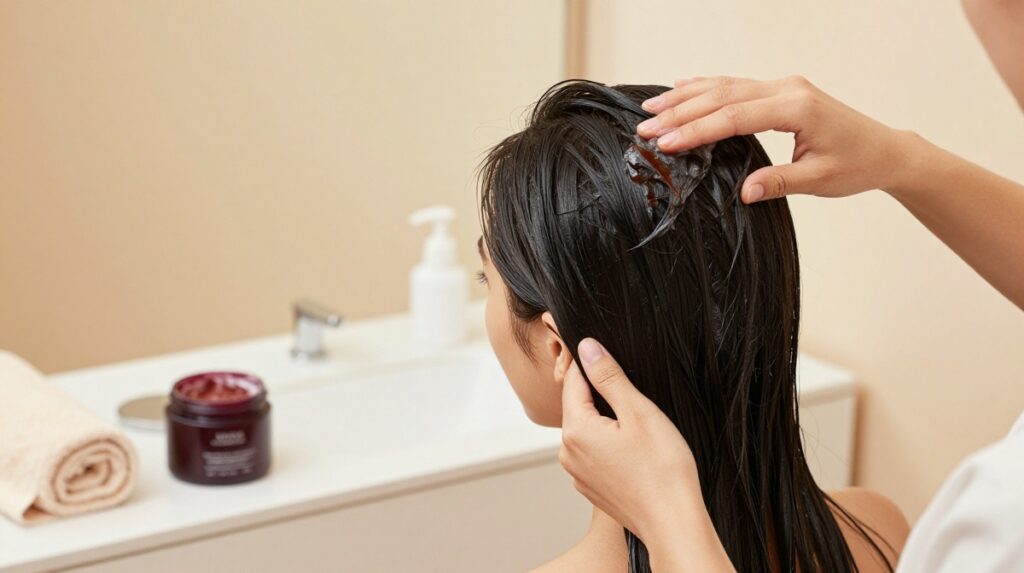
A hair mask is like a deeper conditioner. It gives your hair extra moisture, smoothness, and care, especially when regular conditioner is not enough.
Use a deep conditioning hair mask once a week if your hair is dry, frizzy, colored, curly, or damaged. If your hair is very fine or oily, use it less often and apply only to the ends.
Best time to use a hair mask
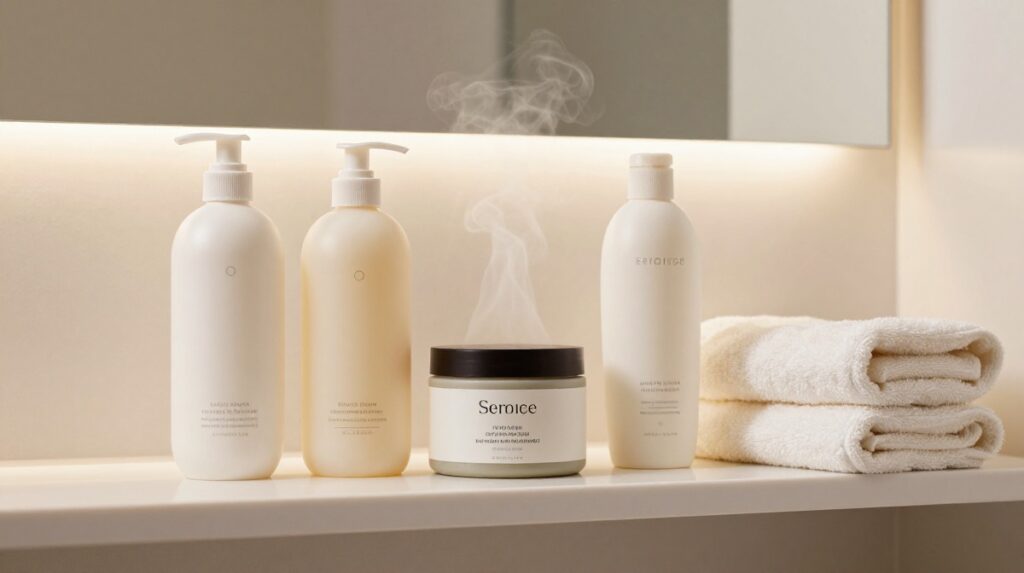
Use a mask after shampoo and before final rinse. Leave it on for the time written on the product label. Do not assume that leaving a mask overnight will always give better results. Sometimes too much product can make hair heavy and greasy.
A good hair mask for women can help improve:
- Dry hair
- Frizzy hair
- Rough texture
- Dullness
- Tangling
- Weak-looking strands
This is also where choosing a trusted product matters. A well-formulated hair care product can save you from mixing random home remedies that may not suit your scalp or hair.
Step 5: Use Leave-In Conditioner or Serum After Washing
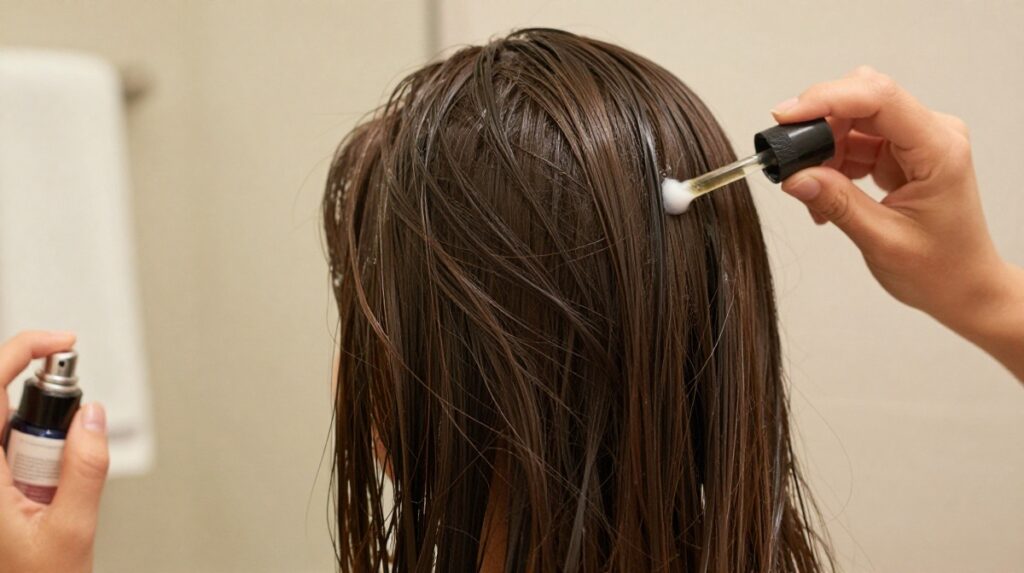
After washing, your hair is more delicate. This is the time when many women unknowingly cause damage by brushing roughly or rubbing hair with a towel.
A leave-in conditioner, serum, or lightweight hair cream can help protect the hair, reduce frizz, and make styling easier.
How to apply leave-in product
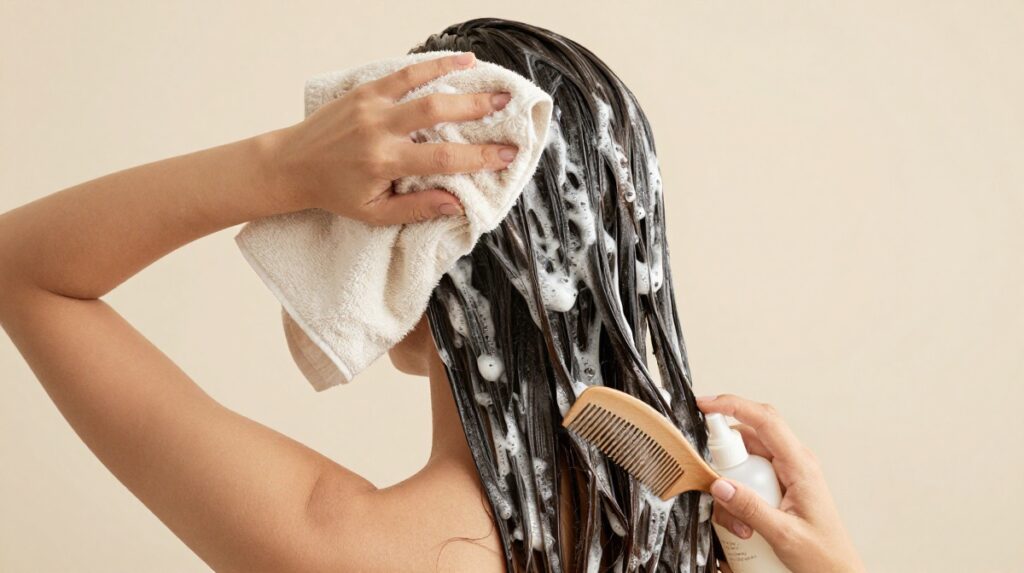
After washing:
- Gently squeeze water from your hair
- Use a soft towel or cotton T-shirt to remove extra water
- Apply a small amount of leave-in conditioner or serum
- Focus on the ends and frizzy areas
- Comb gently with a wide-tooth comb
Start with a small amount. You can always add more, but too much product can make hair look oily.
If you want soft, manageable, and smooth hair, this step is very helpful.
Step 6: Protect Your Hair from Heat
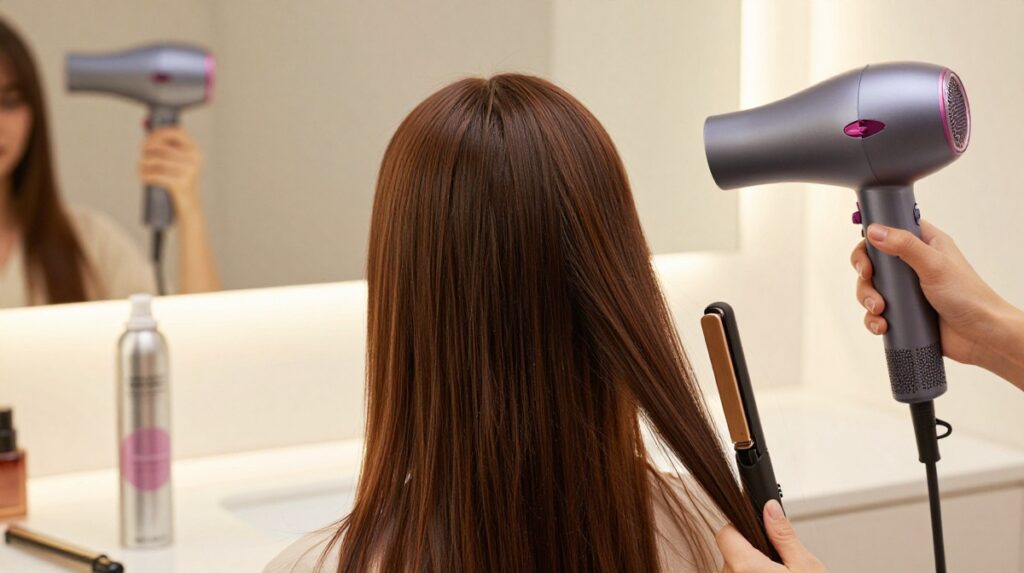
Heat styling is one of the biggest reasons for damaged hair. Straighteners, curling irons, blow dryers, and hot brushes can make hair look beautiful for a few hours, but without protection, they can weaken your hair over time.
This does not mean you must stop styling completely. It simply means you should style smarter.
Heat styling tips for women
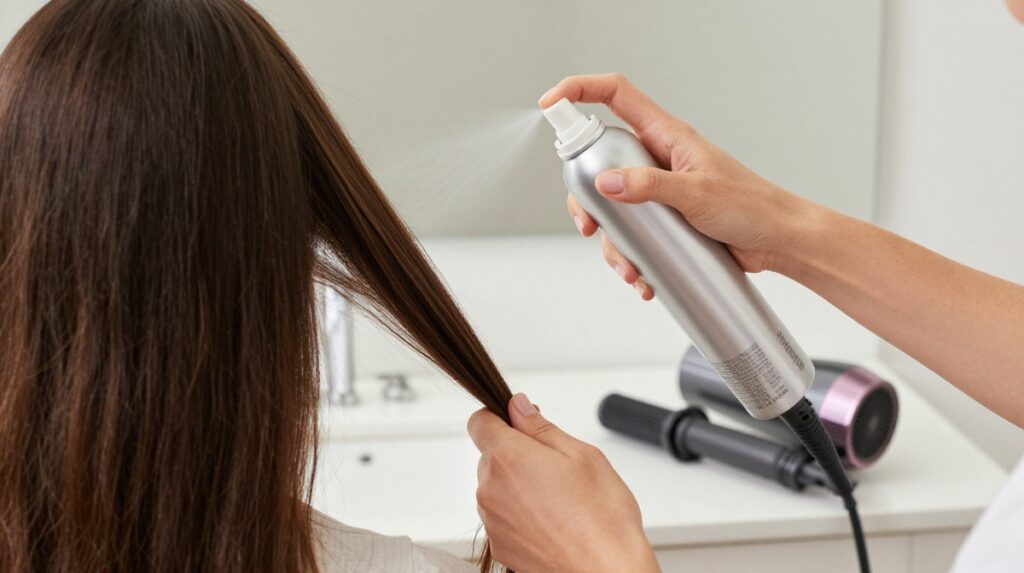
- Always use heat protection spray before styling
- Keep the temperature as low as possible
- Avoid using heat tools every day
- Let hair air-dry partly before blow-drying
- Do not straighten wet hair
- Give your hair heat-free days
A heat protectant is one of the most important products in a modern hair care routine for women, especially if you style your hair regularly.
Think of it like sunscreen for your hair. You may not see the damage immediately, but protection matters in the long run.
Step 7: Try Gentle Hair Oiling If It Suits You
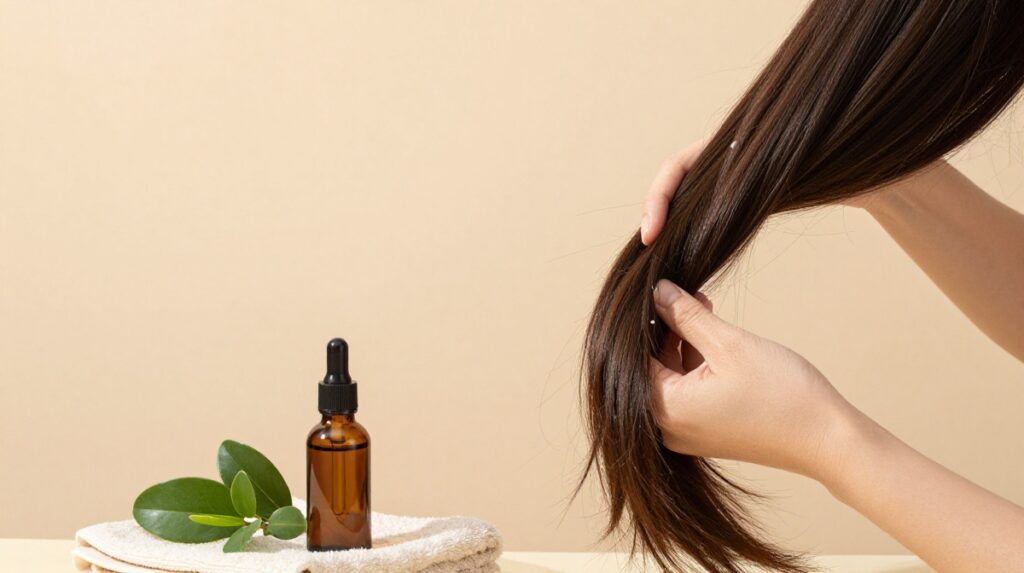
Hair oiling is popular in many homes, and for good reason. It can help make hair feel softer and reduce dryness when used correctly. But oiling is not perfect for everyone.
If your scalp is very oily, acne-prone, itchy, or sensitive, heavy oiling may not suit you. If your hair is dry or rough, oiling the lengths before washing may help.
Simple oiling method
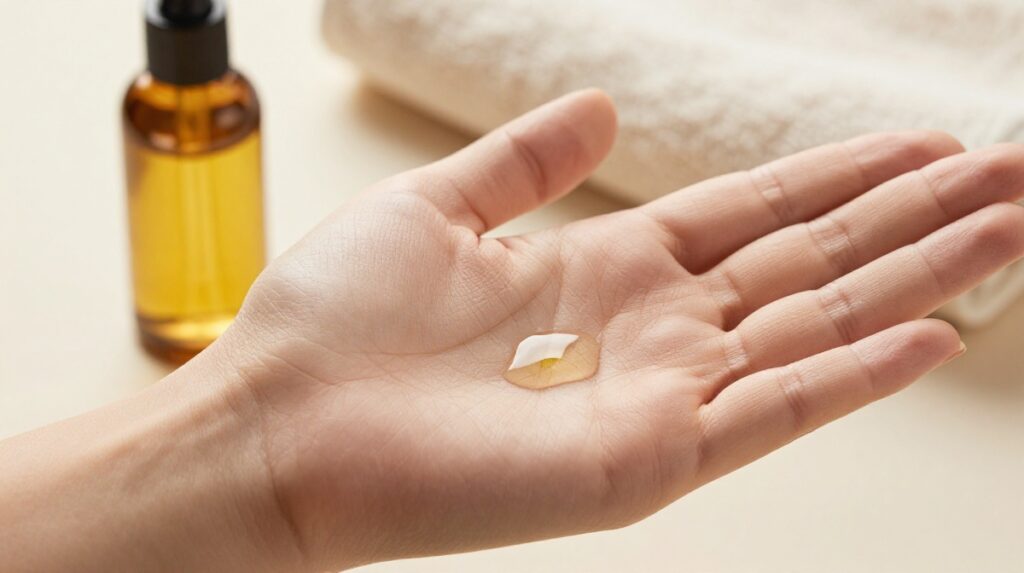
- Take a small amount of oil
- Apply it lightly to the scalp or only to the lengths
- Leave it for 30 minutes to 2 hours
- Wash with a gentle shampoo
- Follow with conditioner
Do not apply too much oil. More oil does not mean better results. In fact, too much oil may require more shampoo to remove, which can dry out your hair.
For many women, light oiling once a week is enough.
Step 8: Build a Simple Weekly Hair Care Routine
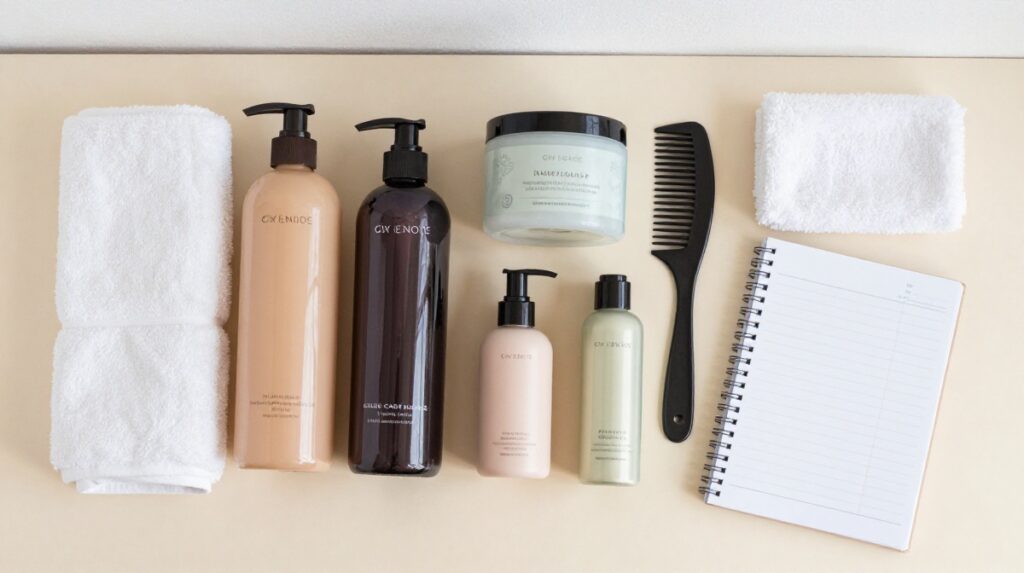
A routine is easier to follow when it is realistic. You do not need ten steps every day. You need the right steps at the right time.
Here is a simple weekly hair care routine for women:
Day 1: Wash Day
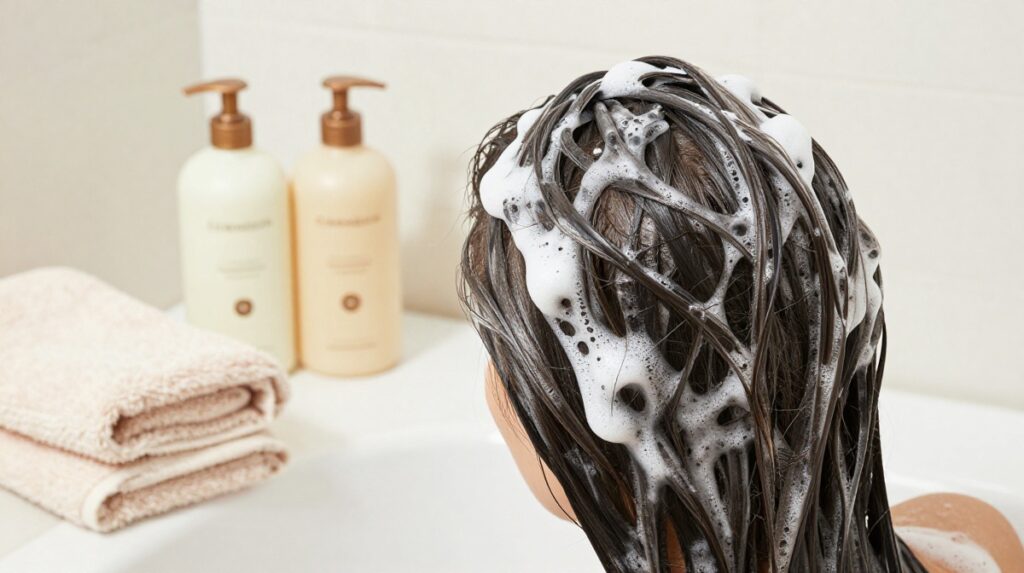
- Shampoo your scalp
- Use conditioner on the lengths
- Apply leave-in product
- Let hair dry gently
- Use heat protection if styling
Day 2: Refresh Day
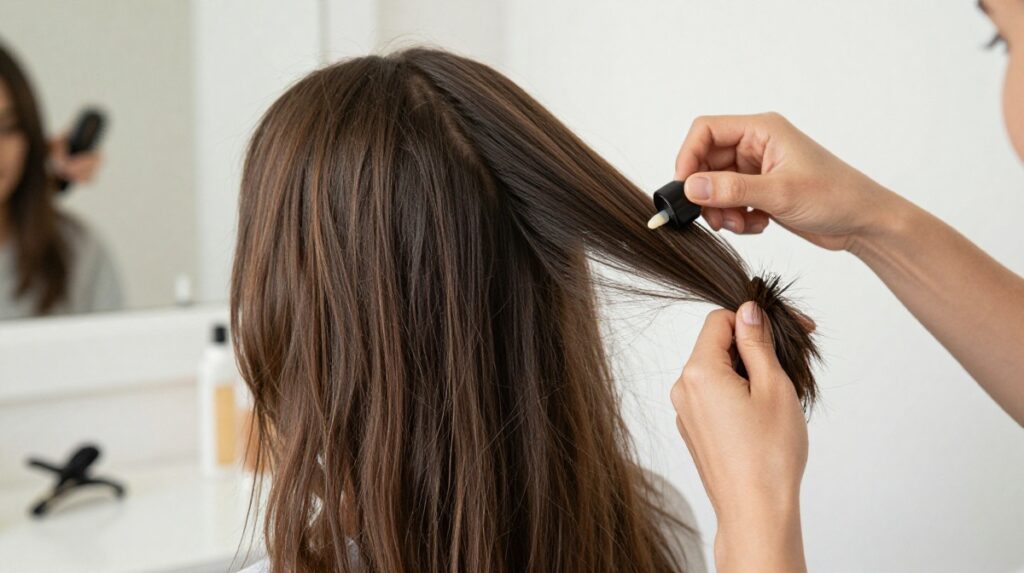
- Do not wash unless needed
- Use a light serum on frizzy ends
- Tie hair loosely if needed
- Avoid too much brushing
Day 3: Scalp Check
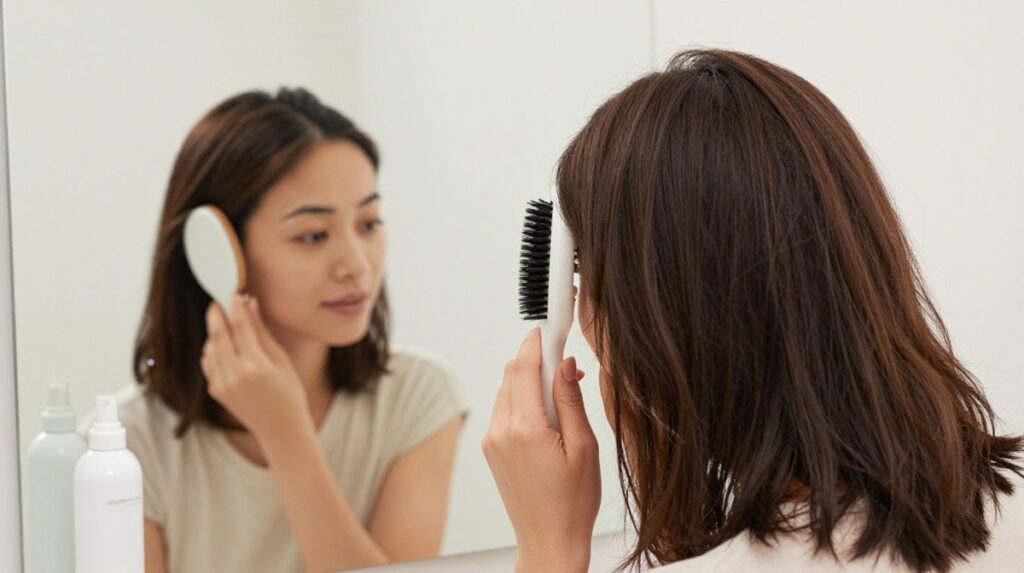
- If scalp feels oily, wash again
- If scalp feels fine, leave it
- Use dry shampoo only if necessary
- Massage scalp gently for circulation
Day 4 or 5: Treatment Day
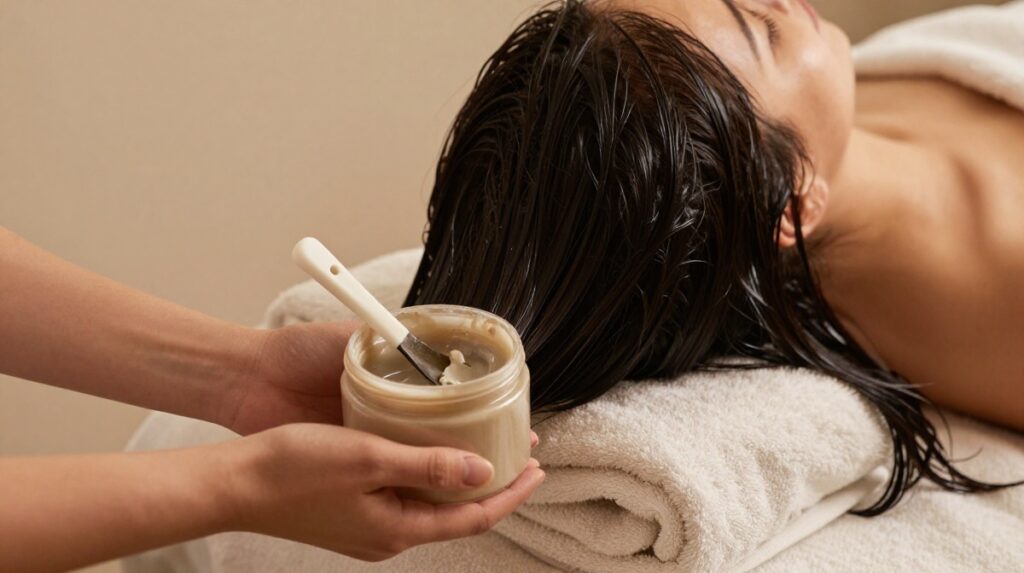
- Use a hair mask or deep conditioner
- Focus on dry or damaged areas
- Rinse properly
- Avoid heavy styling afterward
Weekend: Repair and Reset
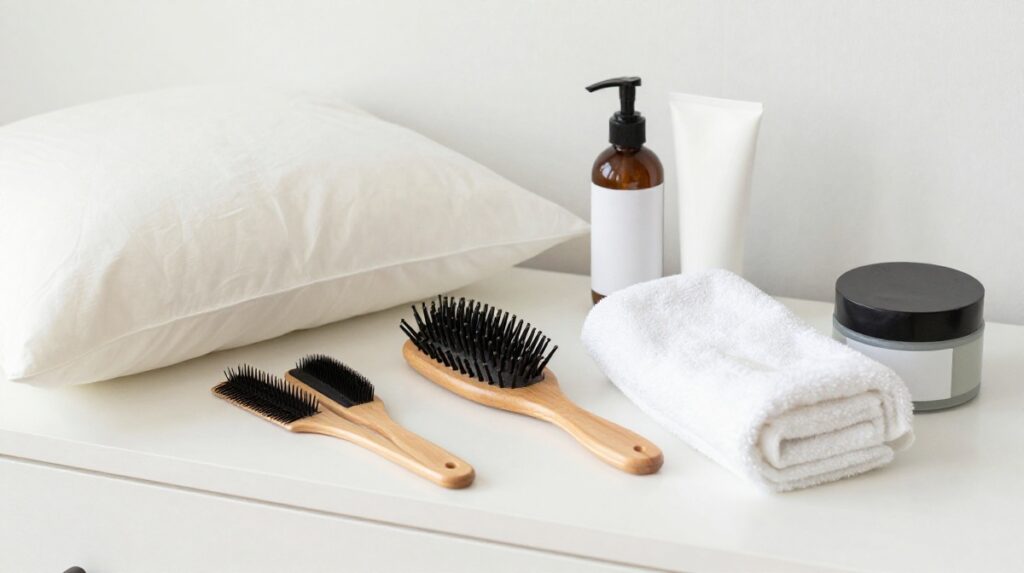
- Trim rough ends if needed
- Clean your combs and brushes
- Change your pillowcase
- Plan your next wash day
- Check if your products are working
This routine is simple, flexible, and suitable for most women. You can adjust it based on your hair type and lifestyle.
Step 9: Take Care of Your Scalp
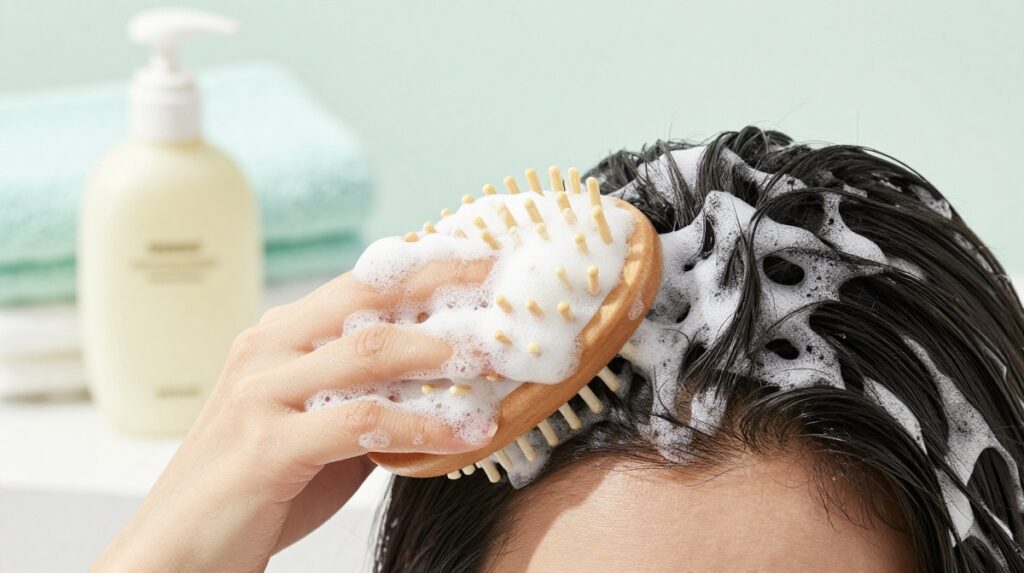
Many women focus only on hair length and forget the scalp. But scalp care is the foundation of healthy-looking hair.
Your scalp is skin. It can become oily, dry, itchy, flaky, or irritated. If the scalp is not healthy, the hair may not look its best.
Easy scalp care tips
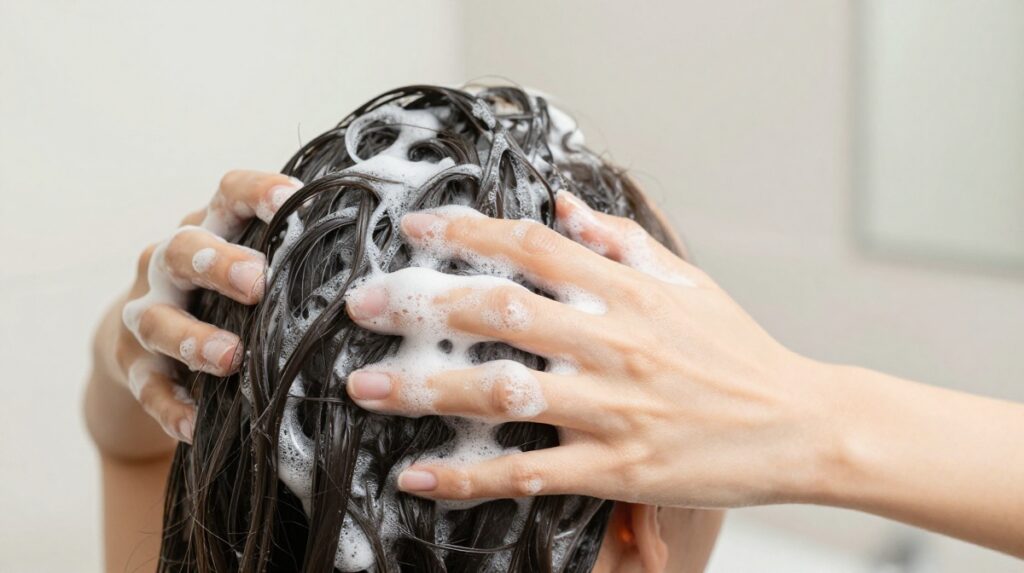
- Do not scratch your scalp harshly
- Wash away sweat and product buildup
- Avoid very tight hairstyles
- Massage gently while shampooing
- Do not apply heavy products too often
- See a dermatologist if itching or flaking continues
Mayo Clinic also notes that shampoo ingredients can vary widely depending on the type and purpose of the product, so it is smart to choose products carefully based on your scalp and hair needs. You can read more from Mayo Clinic Press.
A clean and comfortable scalp makes the rest of your routine work better.
Step 10: Reduce Hair Fall and Breakage with Better Habits
Some daily habits can increase breakage and make your hair look thinner than it really is. Not all hair fall is caused by the roots. Sometimes hair breaks from the middle because it is weak, dry, or damaged.
Common habits that cause breakage
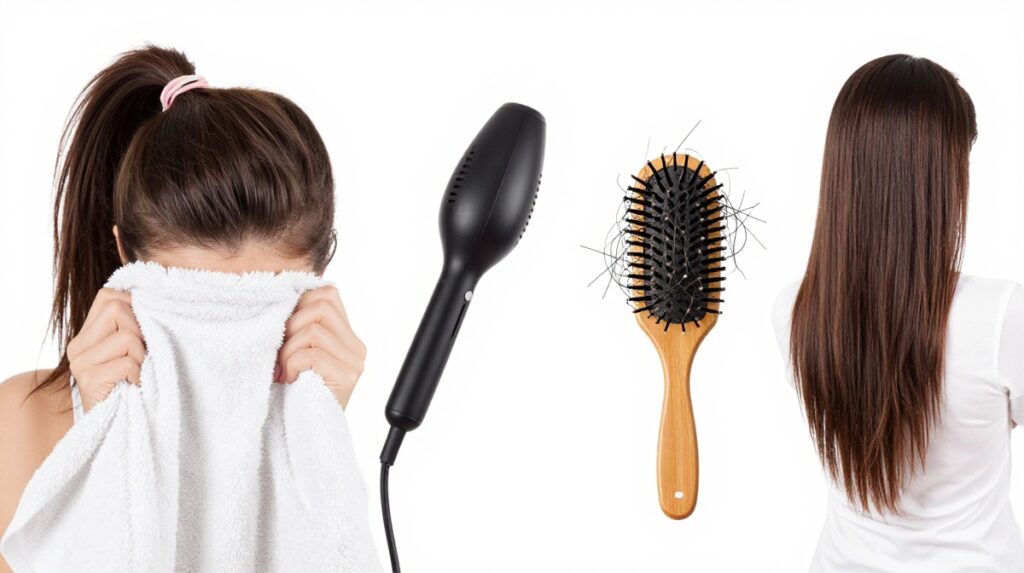
- Brushing wet hair roughly
- Tying hair too tightly
- Sleeping with tight hairstyles
- Using heat tools daily
- Skipping conditioner
- Bleaching too often
- Using harsh towels
- Pulling knots aggressively
Better habits to follow
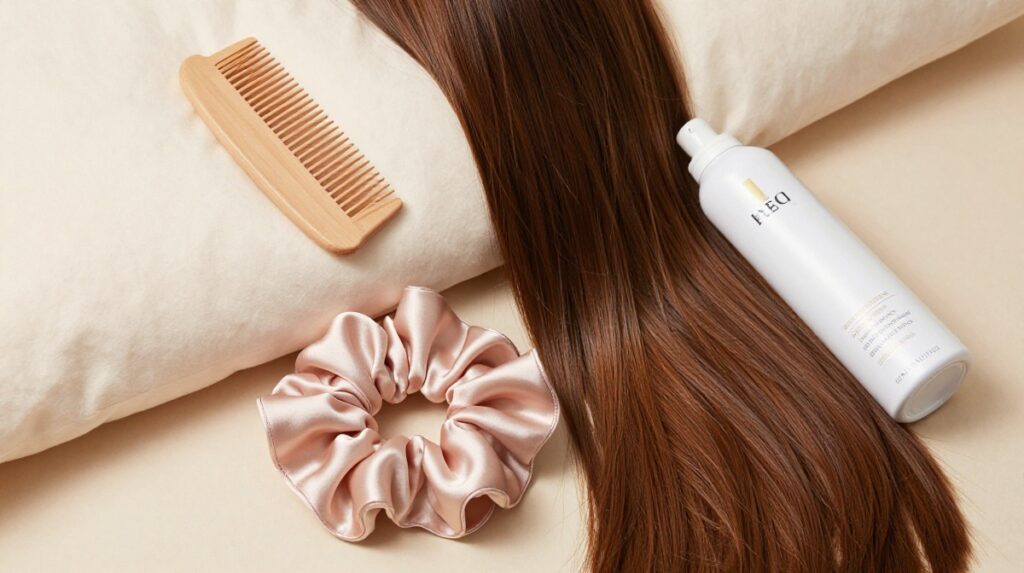
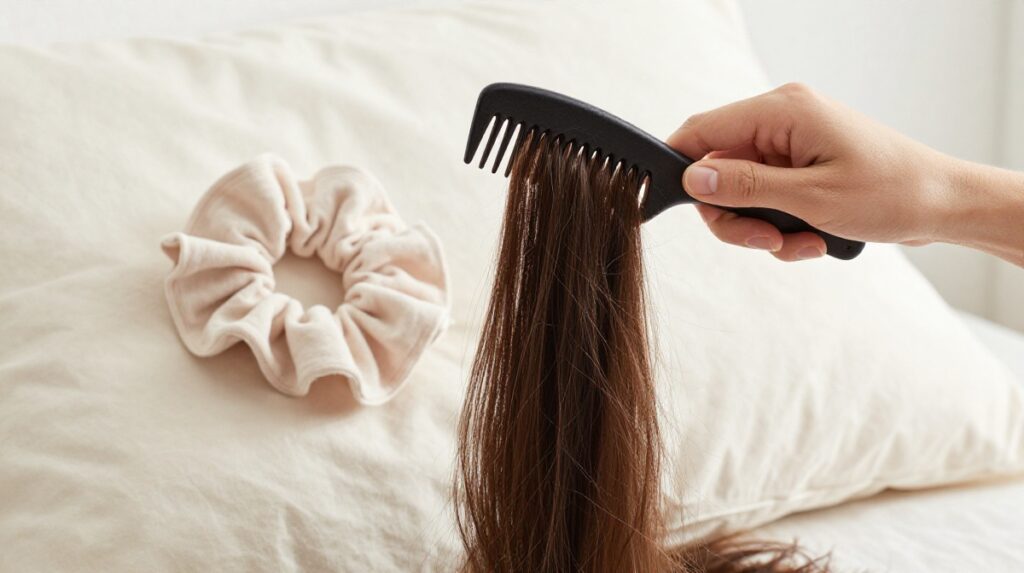
- Use a wide-tooth comb
- Start detangling from the ends
- Sleep on a soft pillowcase
- Use loose hairstyles
- Trim split ends regularly
- Protect hair before heat styling
- Use a good hair care product routine consistently
If you notice sudden hair loss, bald patches, a widening part, or a much thinner ponytail, it is better to speak to a dermatologist. The American Academy of Dermatology explains that women may notice hair loss as a widening part or reduced ponytail fullness. You can learn more from the AAD hair loss guide.
Choosing the Right Hair Care Products with Confidence
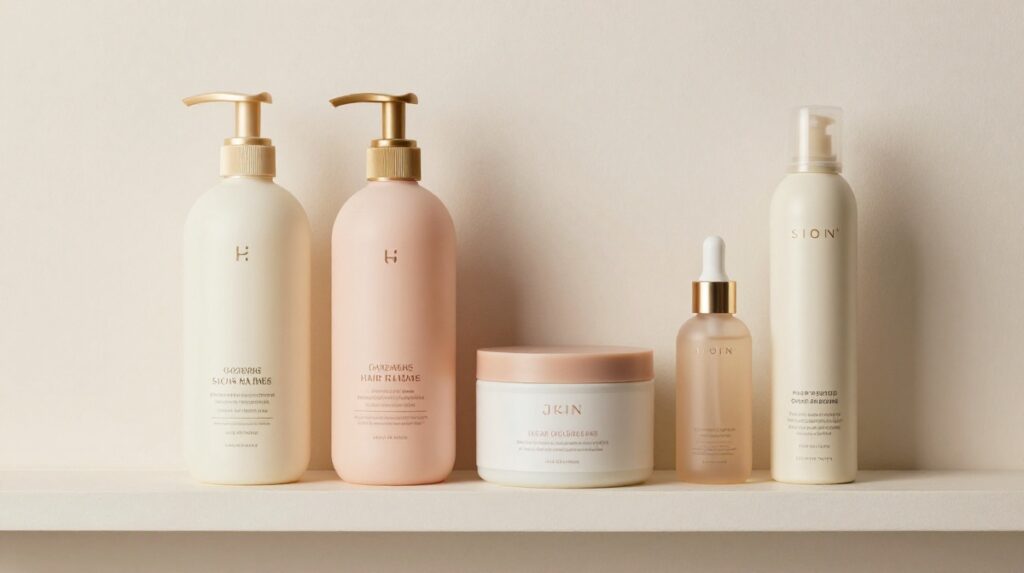
The market is full of products, but not every product is right for your hair. A good hair care product for women should make your routine easier, not more confusing.
When buying a shampoo, conditioner, mask, serum, or complete hair care kit, look for products that match your real concern.
Choose products based on your hair goal
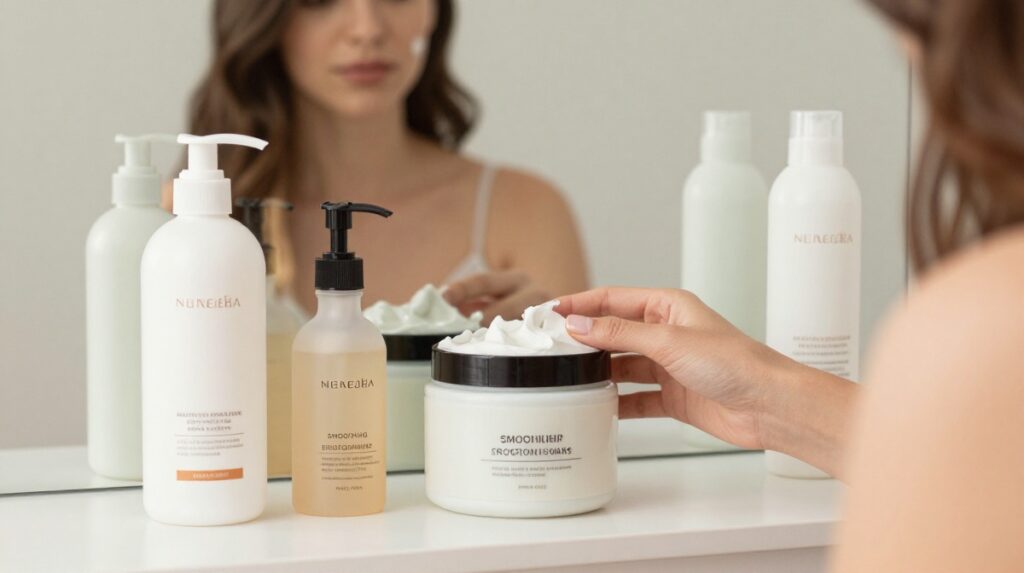
For dry hair, look for moisture and softness.
For frizzy hair, look for smoothing and humidity control.
For damaged hair, look for strengthening and repair support.
For oily scalp, look for lightweight cleansing.
For curly hair, look for hydration and curl definition.
For fine hair, look for lightweight formulas that do not make hair flat.
A complete product routine can be a smart choice because the products are designed to work together. Instead of buying random items from different brands, a well-planned hair care routine set can give you shampoo, conditioner, mask, and serum that support the same goal.
This helps you stay consistent.
And consistency matters. Hair care is not magic. One wash cannot fix months of dryness or damage. But the right product, used regularly, can slowly improve how your hair looks and feels.
So, if you are tired of dull, rough, frizzy, or hard-to-manage hair, investing in a quality hair care product is not a luxury. It is a practical step toward better daily confidence.
Best Routine for Different Hair Concerns

Every woman’s hair is different. Here is how to adjust your routine based on your main concern.
For Dry Hair
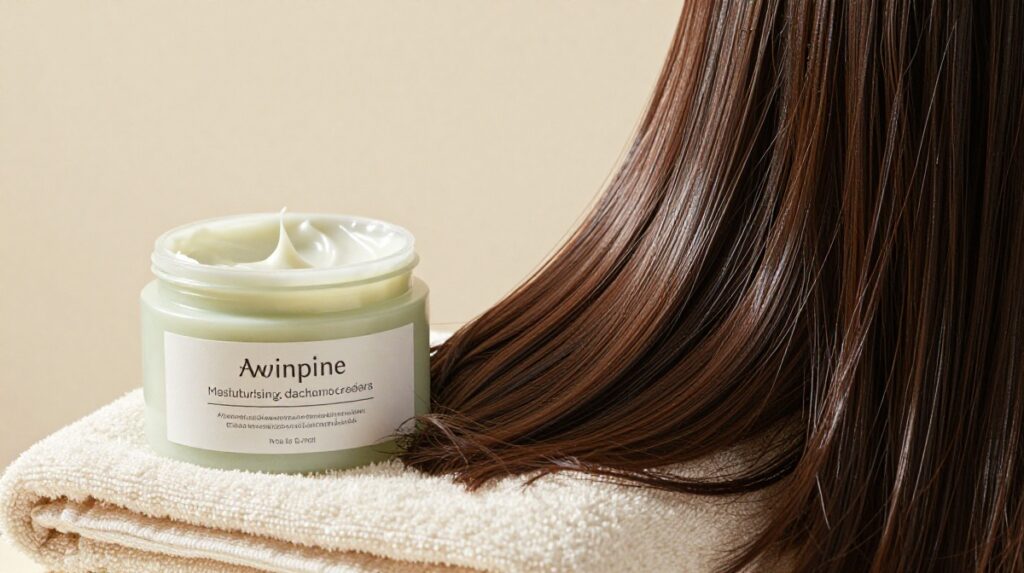
Use a moisturizing shampoo, rich conditioner, weekly hair mask, and leave-in cream. Avoid very hot water and daily heat styling.
For Oily Scalp
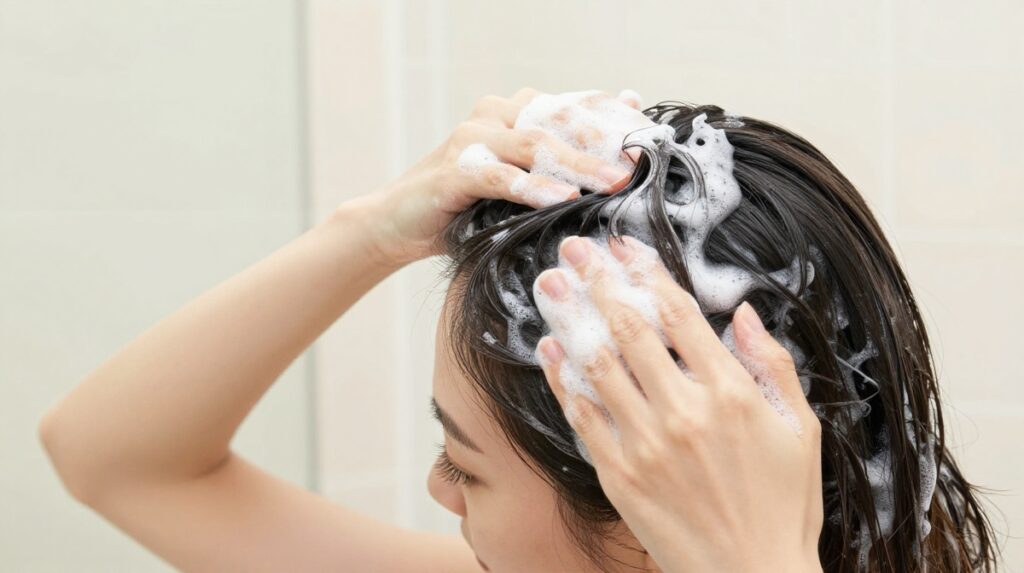
Use a gentle balancing shampoo. Focus shampoo on the scalp, not the ends. Use conditioner only on the lengths. Avoid heavy oils on the scalp.
For Frizzy Hair
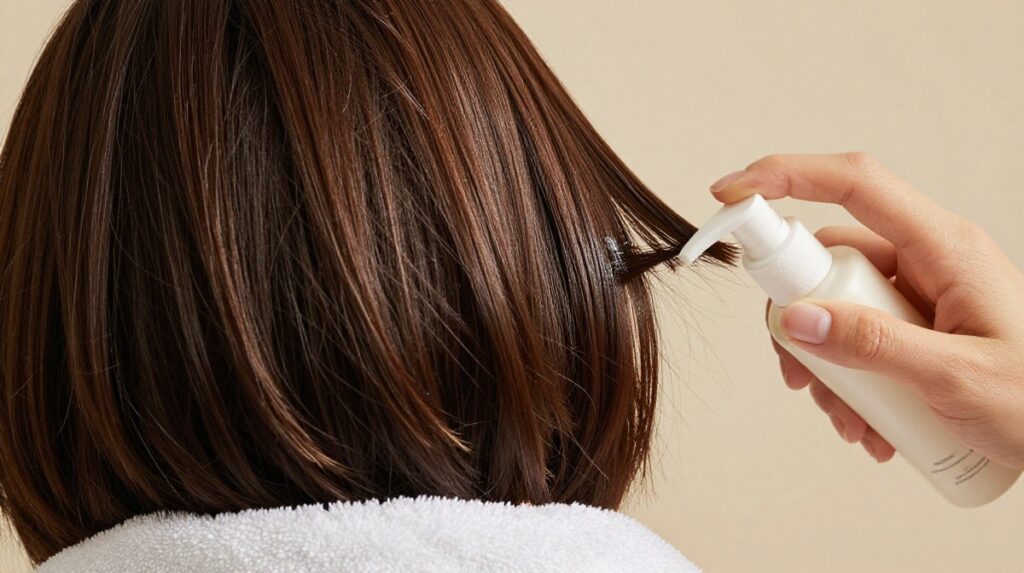
Use smoothing shampoo, conditioner, serum, and a weekly mask. Dry hair with a soft towel and avoid brushing when dry if your hair is curly or wavy.
For Damaged Hair
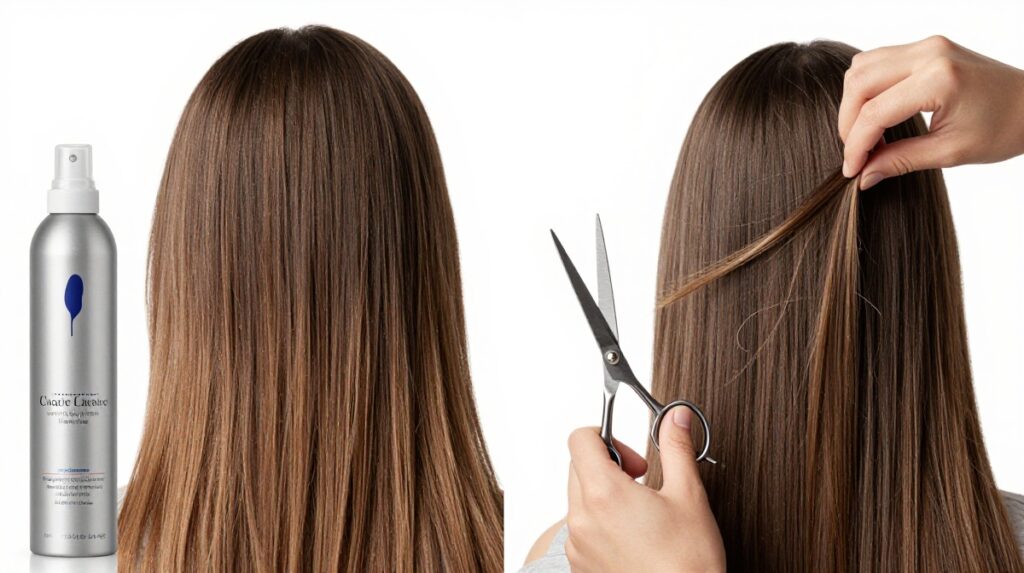
Use strengthening products, reduce heat styling, trim split ends, and use heat protection every time you style.
For Curly Hair
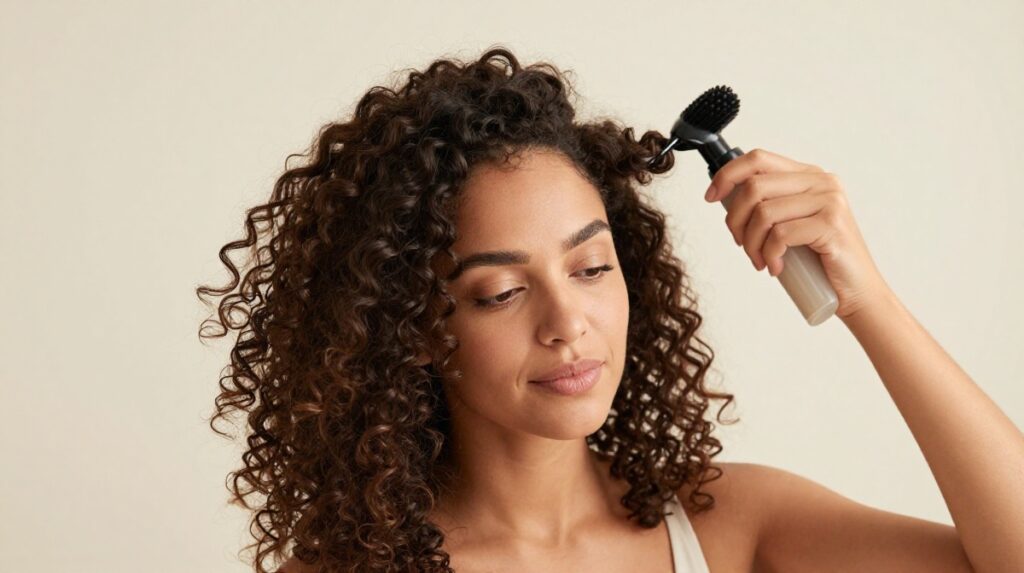
Use hydrating products, avoid harsh brushing, apply leave-in conditioner, and let curls dry naturally when possible.
For Fine Hair
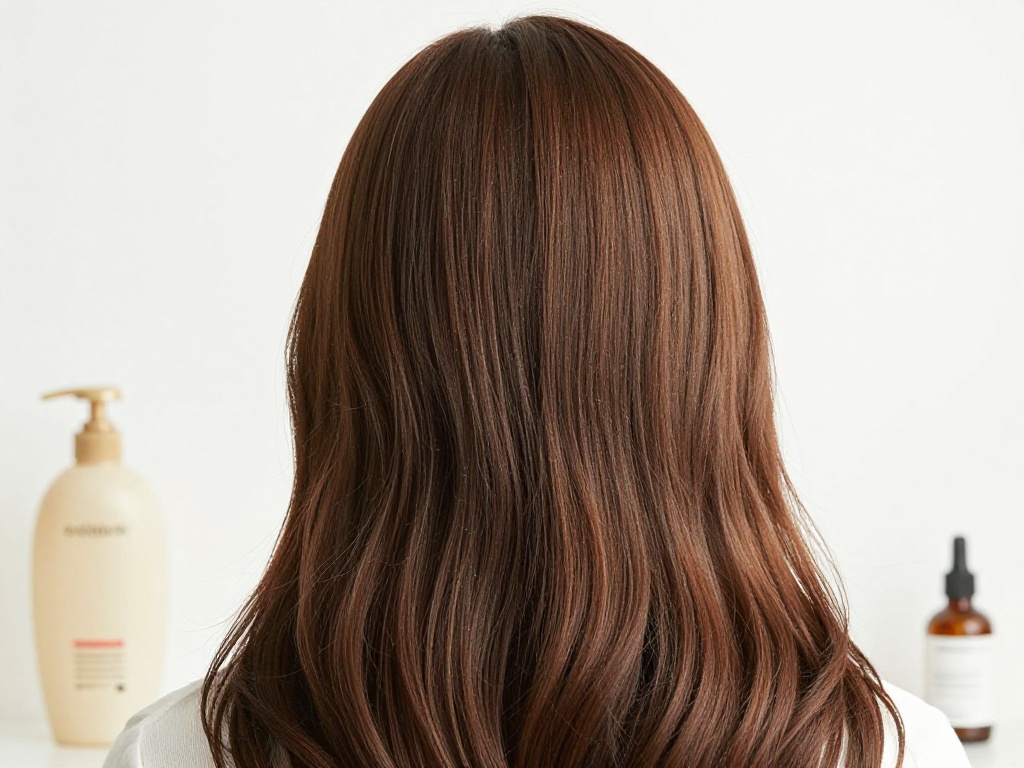
Use lightweight shampoo and conditioner. Avoid heavy masks near the roots. Apply serum only to the ends.
The best routine is the one your hair can respond to without feeling heavy, greasy, or dry.
Common Hair Care Mistakes Women Should Avoid
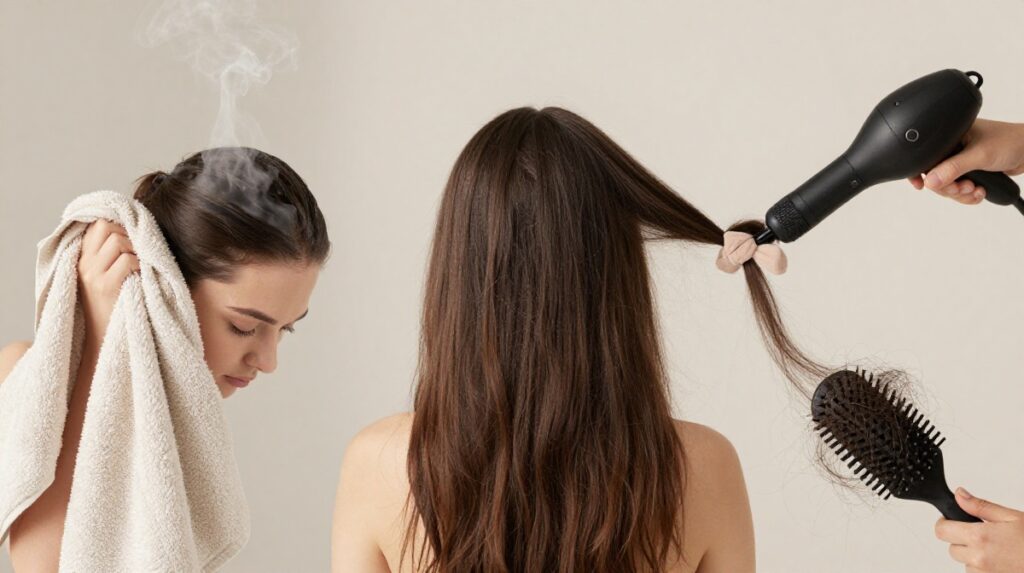
Even expensive products may not work if your daily habits are damaging your hair. Here are common mistakes to avoid:
1. Washing with very hot water
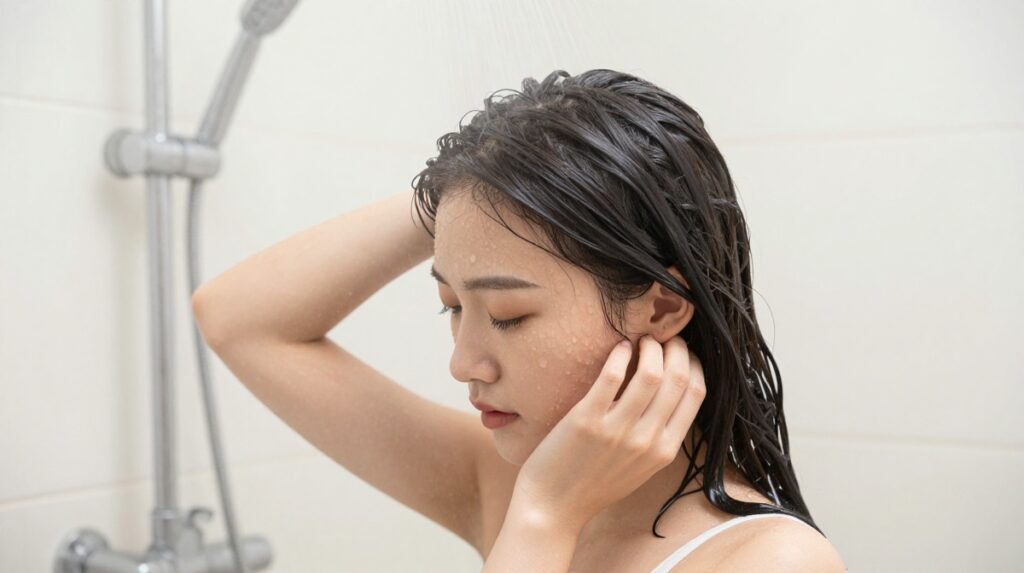
Hot water can make hair feel dry and rough. Use lukewarm water instead.
2. Skipping conditioner
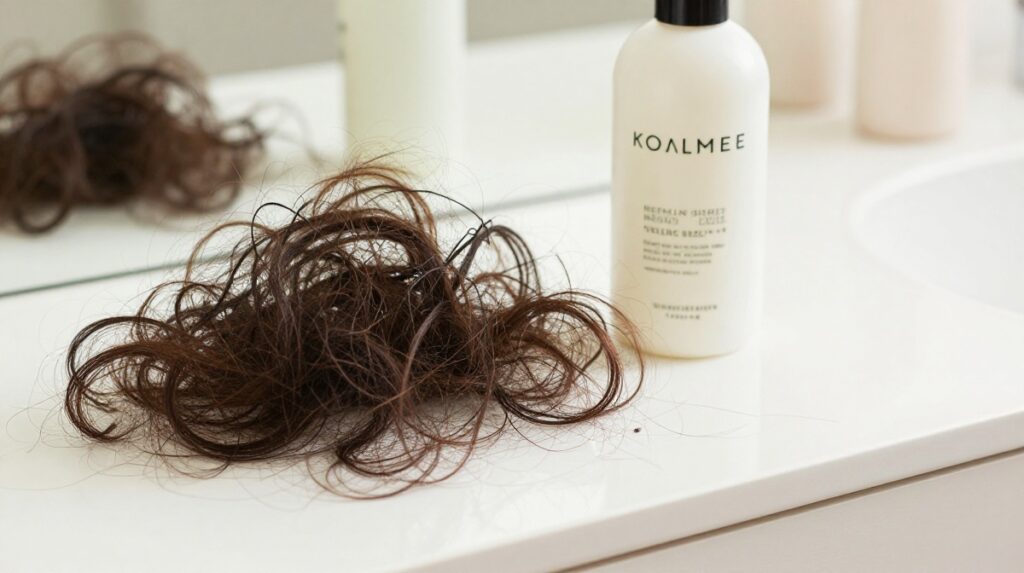
Conditioner helps reduce tangles, dryness, and roughness.
3. Using too much product
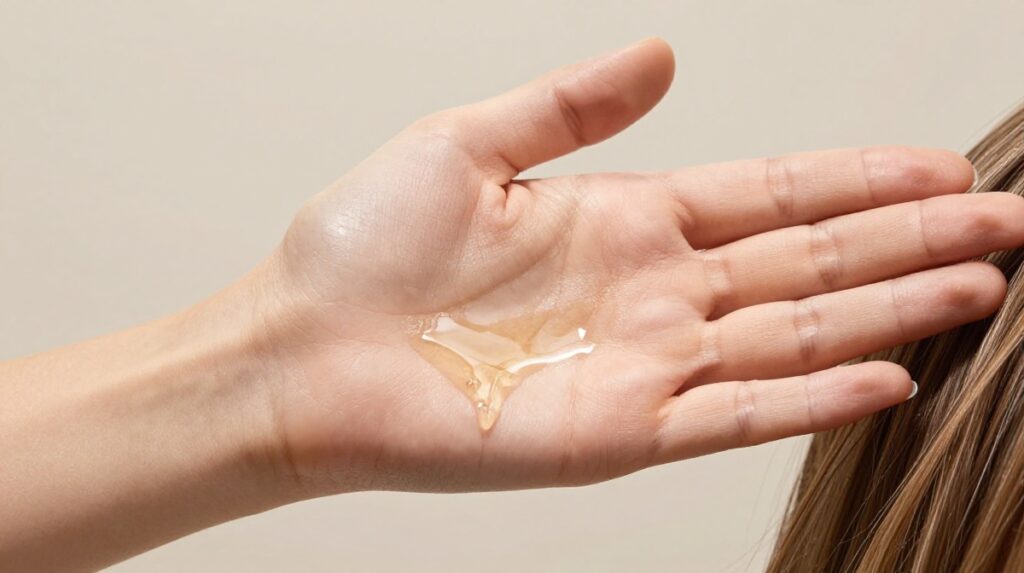
Too much serum, oil, or mask can make hair greasy and heavy.
4. Brushing aggressively
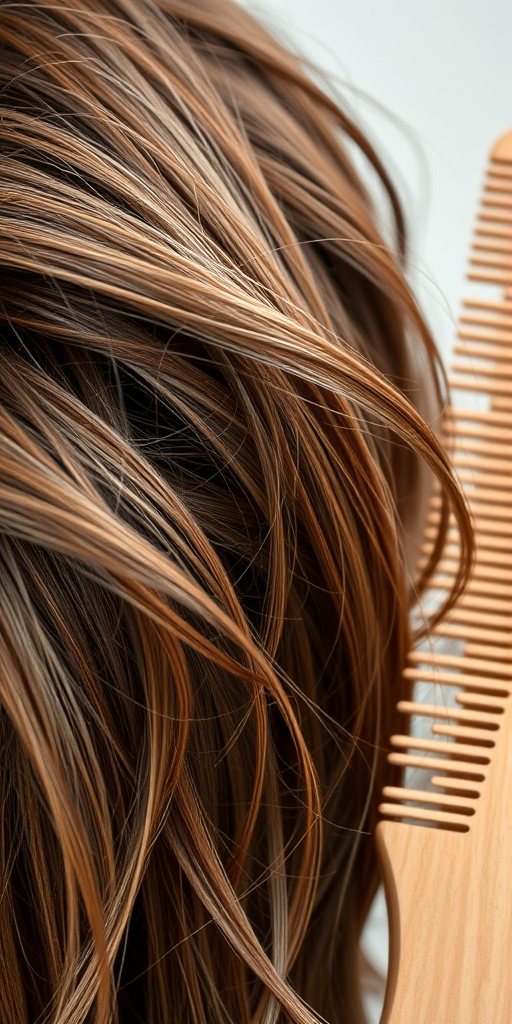
Gentle detangling protects hair from breakage.
5. Using heat without protection
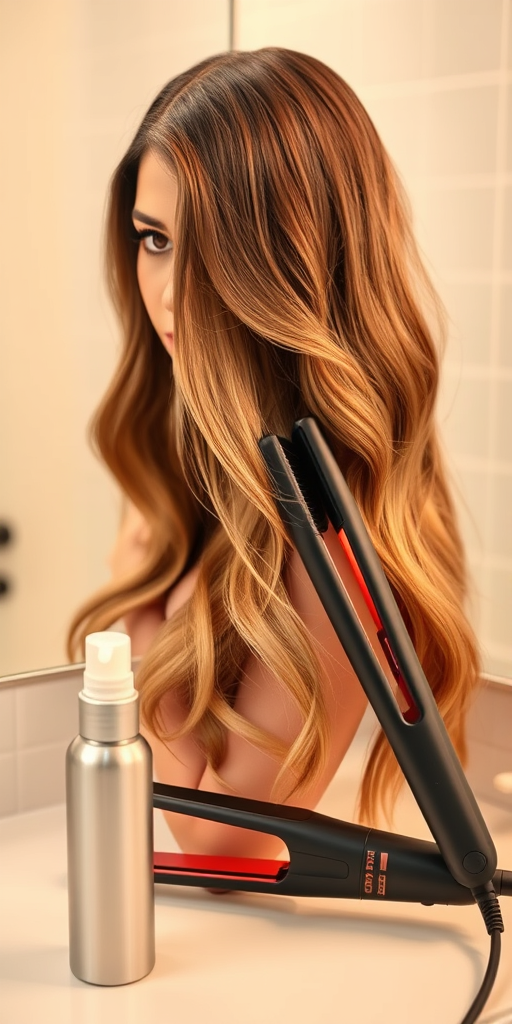
Always use heat protectant before styling.
6. Changing products too quickly
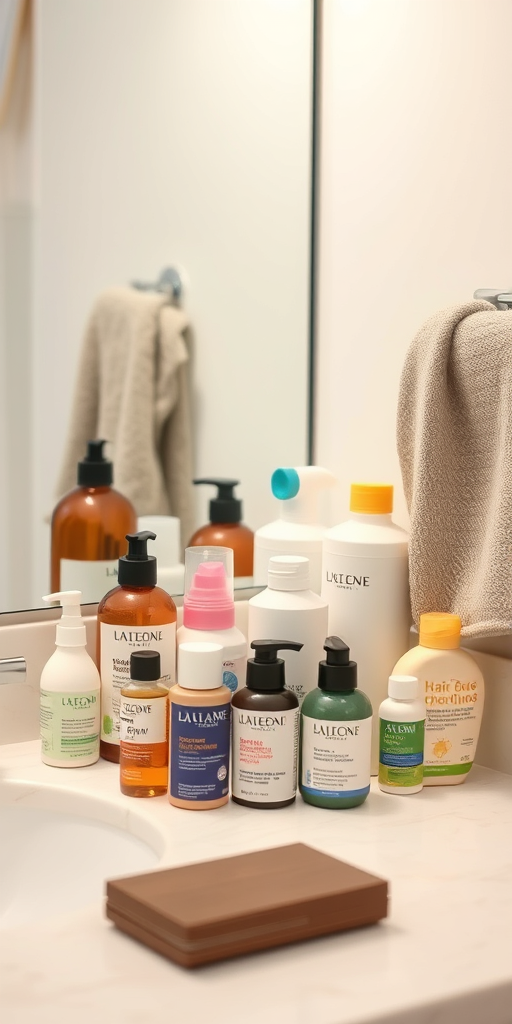
Give a new routine some time before judging the results.
7. Ignoring scalp problems
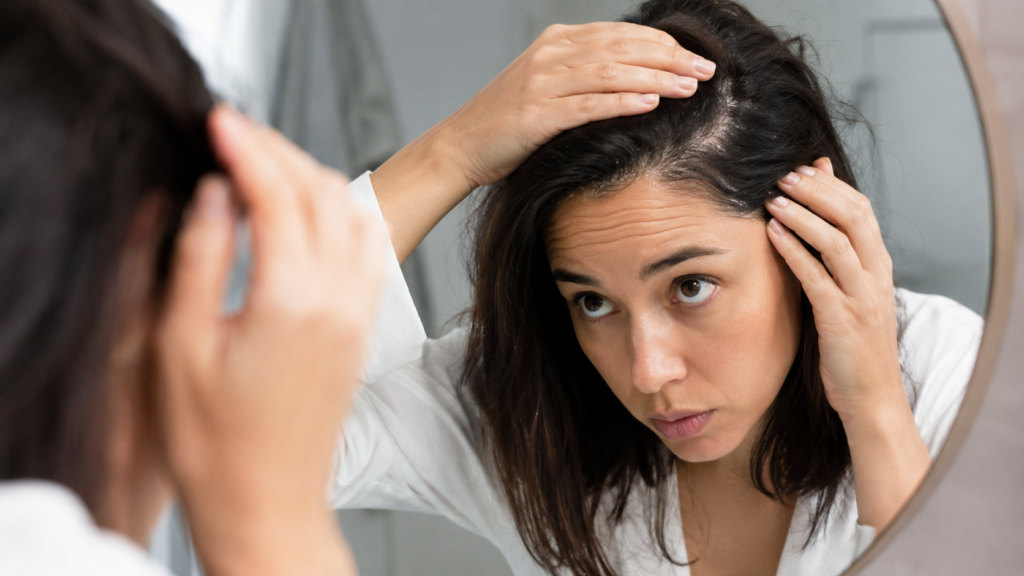
Itching, flakes, irritation, or sudden hair loss should not be ignored.
Small changes can make your hair routine more effective.
A Simple Morning and Night Hair Care Routine
You do not need a long routine every day. A few gentle habits can protect your hair.
Morning routine
- Comb gently
- Apply light serum if ends look dry
- Use heat protection before styling
- Avoid tight hairstyles
- Protect hair from strong sun if needed
Night routine
- Detangle gently
- Tie hair loosely
- Avoid sleeping with wet hair
- Use a soft pillowcase
- Keep hair away from rough fabrics
These small habits help reduce friction, tangles, and breakage.
Why the Right Product Makes the Routine Easier
Many women fail to follow a routine because their products do not support their hair needs. For example, if your shampoo makes your hair dry, you will keep fighting frizz. If your conditioner is too heavy, your hair will look flat. If your serum is sticky, you will stop using it.
That is why choosing the right hair care product matters.
A good product should feel easy to use, suitable for your hair type, and helpful in your daily routine. It should not make unrealistic promises. Instead, it should support real results like softer texture, better manageability, smoother ends, less frizz, and healthier-looking hair.
When a product fits your needs, you do not have to force the routine. It becomes natural.
If you are building your first serious hair care routine for women, consider starting with the basics: a gentle shampoo, nourishing conditioner, weekly mask, leave-in product, and heat protectant. These five items can cover most daily hair concerns.
FAQ: Best Hair Care Routine for Women
1. How often should women wash their hair?
It depends on scalp oil, hair type, and lifestyle. Oily hair may need washing every 1 to 2 days, while dry or curly hair may need less frequent washing.
2. Is conditioner necessary after every shampoo?
Yes, for most women. Conditioner helps reduce dryness, tangles, and roughness after shampooing.
3. What is the best product for frizzy hair?
A smoothing conditioner, weekly hair mask, and lightweight serum can help control frizzy hair.
4. Can a hair care routine reduce hair fall?
A good routine can reduce breakage, but sudden or heavy hair fall should be checked by a dermatologist.
5. Should I use heat protectant before straightening?
Yes. Heat protection is important before using straighteners, curlers, or blow dryers.
Conclusion
The best hair care routine for women is not about using the most expensive products or following every trend. It is about understanding your hair, cleaning your scalp properly, conditioning regularly, protecting your hair from damage, and staying consistent. Start with simple steps: choose the right shampoo, never skip conditioner, use a weekly hair mask, apply leave-in care, and protect your hair from heat. Over time, these habits can make your hair feel softer, smoother, stronger, and easier to manage. And when you choose the right hair care product for your needs, you can buy with confidence because you are not guessing anymore. You are giving your hair the care it truly deserves.