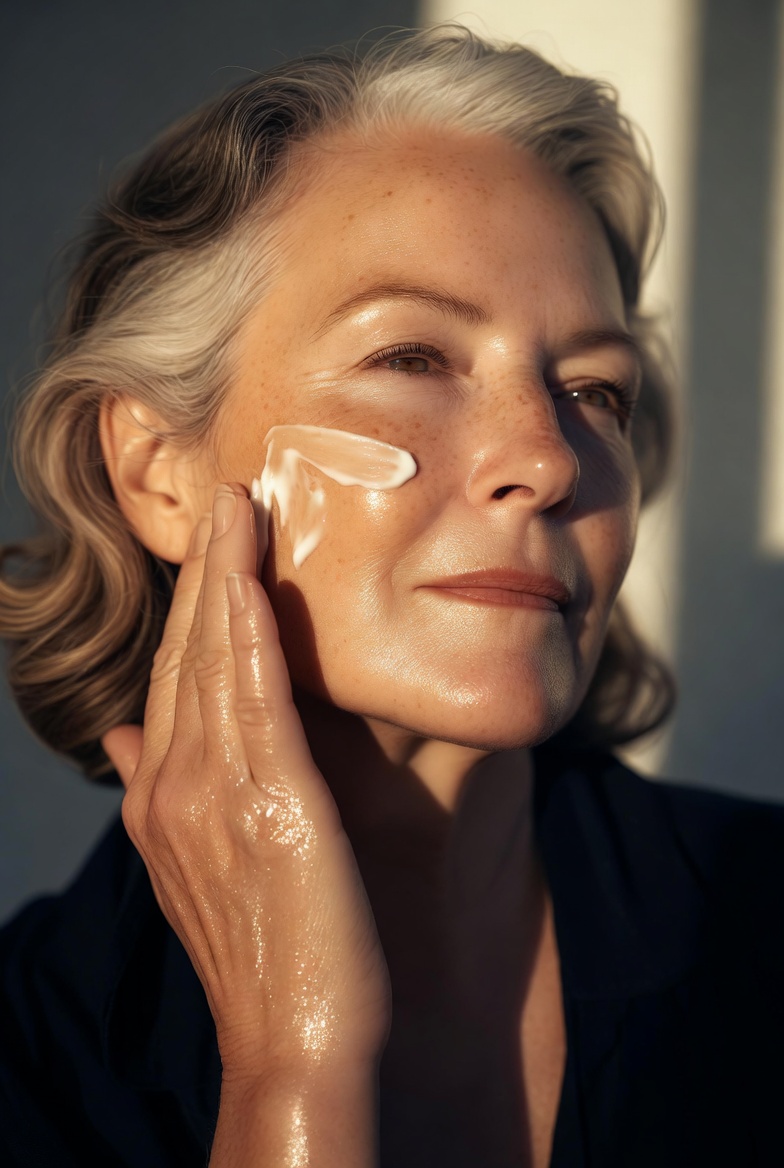

Let me tell you about my high school yearbook photo. I am smiling, but my face looks like a relief map of the moon. Red bumps, whiteheads, and painful cysts covered my cheeks and chin. I tried everything—toothpaste (do not do this), lemon juice (even worse), and those harsh alcohol pads that made my face burn and peel. Nothing worked.
I remember standing in front of the mirror one night, crying, because a girl in my class said, “Why don’t you just wash your face?” As if I had not tried that a thousand times.
That was fifteen years ago. Today, my skin is clear. Not perfect—I still get the occasional pimple—but clear enough that I do not think about it anymore. And I learned something important: Acne is not your fault. It is not about being dirty or eating too much chocolate. It is a medical condition involving hormones, bacteria, and inflammation. And like any medical condition, it needs the right treatment.
After years of trial, error, and thousands of dollars wasted on “miracle cures,” I have finally figured out the best acne treatment for every type of breakout. Today, I am going to share everything I learned—in plain English, with no embarrassing jargon. You will learn what actually works, what is a waste of money, and how to build a simple routine that clears your skin for good.
First, Understand Your Enemy: The 3 Types of Acne
Before you can treat acne, you need to know what you are dealing with. Not all acne is the same, and using the wrong treatment can make things worse.
Type 1: Comedonal Acne (Blackheads and Whiteheads)
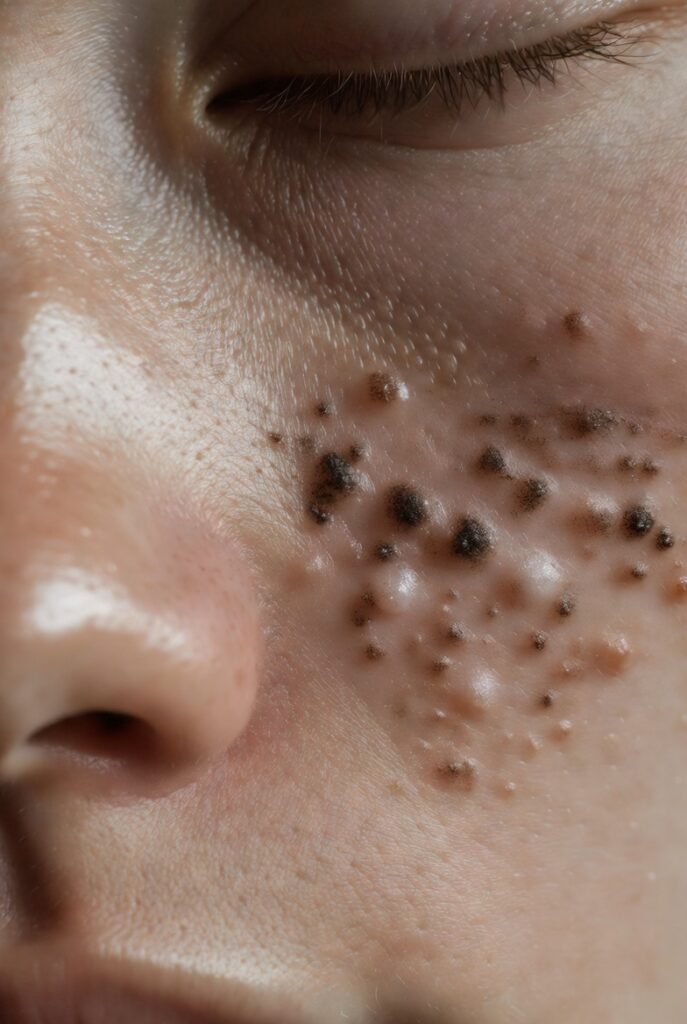
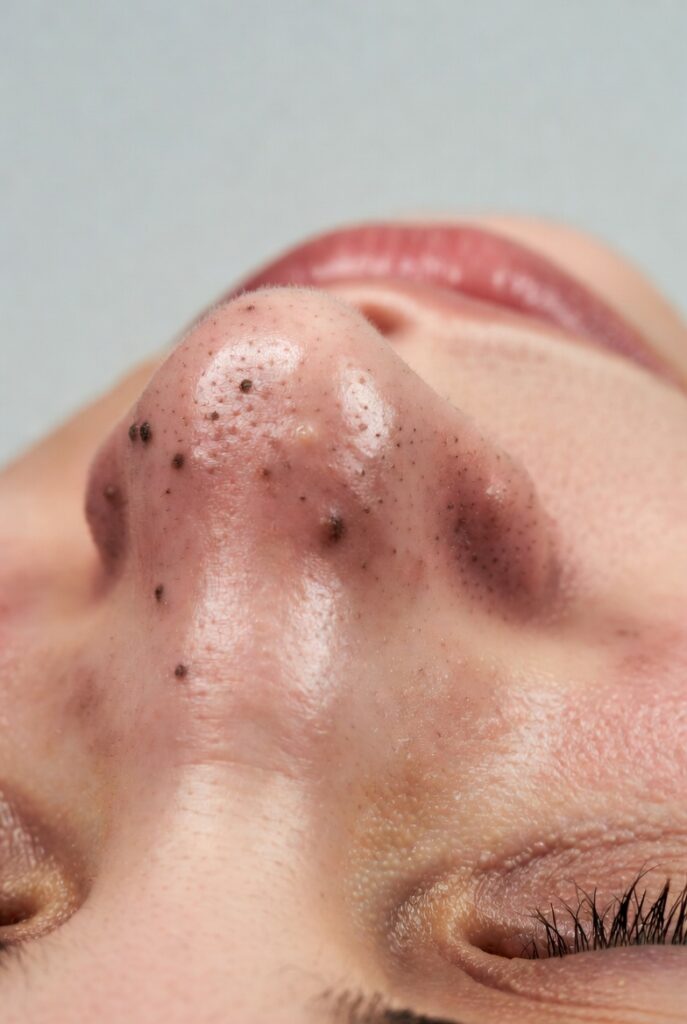
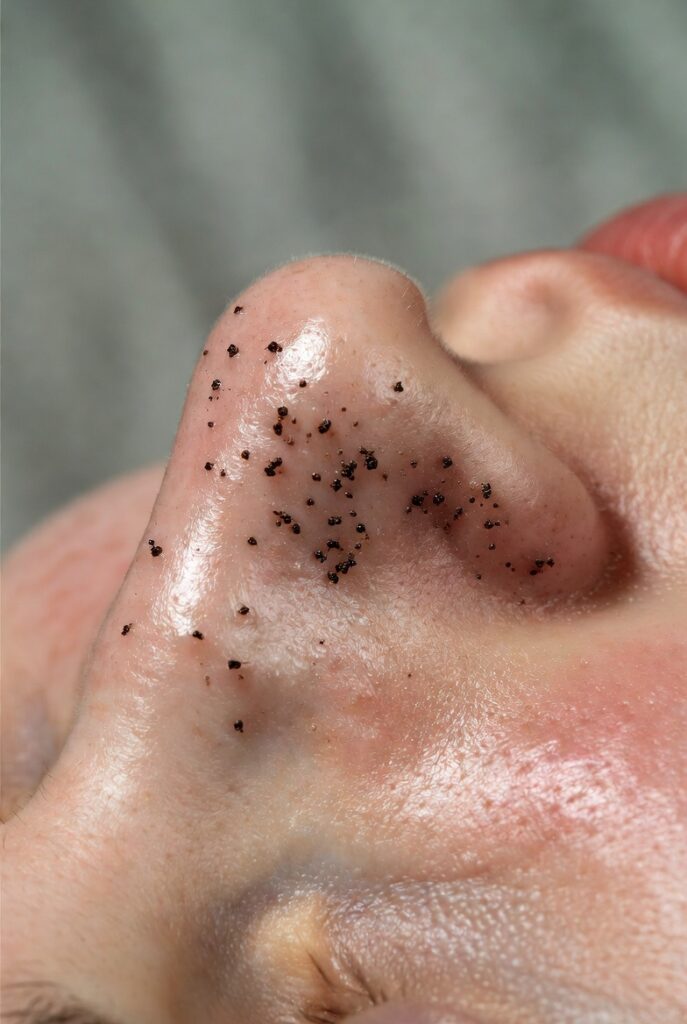
These are the non-inflamed bumps. Blackheads are open pores clogged with oil and dead skin that has turned dark from air exposure. Whiteheads are closed pores with the same gunk inside. They are not red or painful.
Best treatment: Salicylic acid and retinoids.
Type 2: Inflammatory Acne (Papules and Pustules)
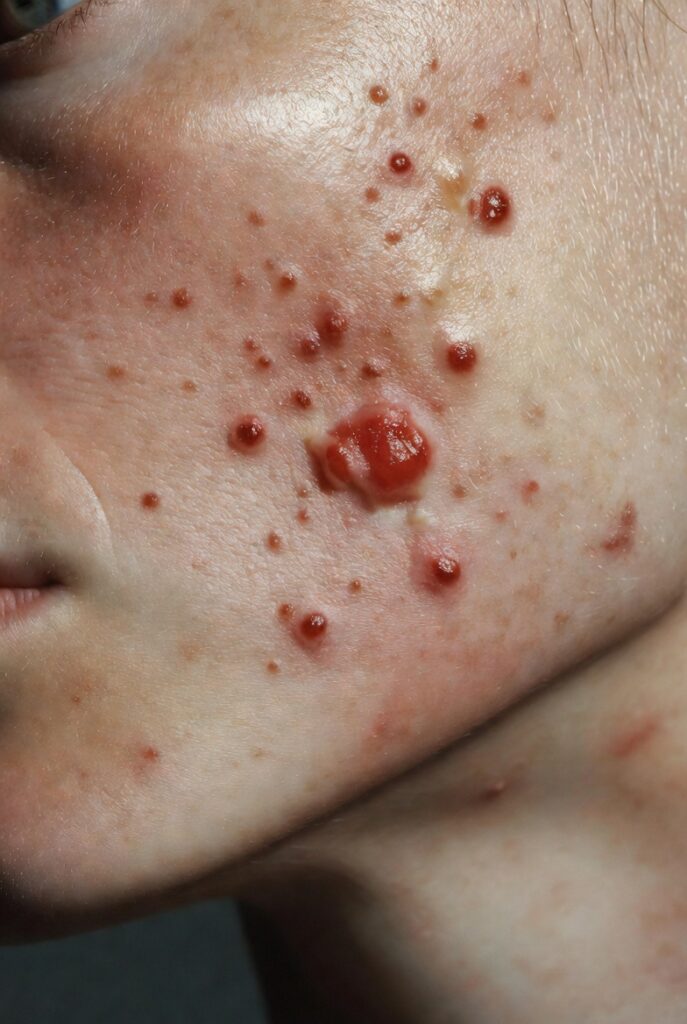
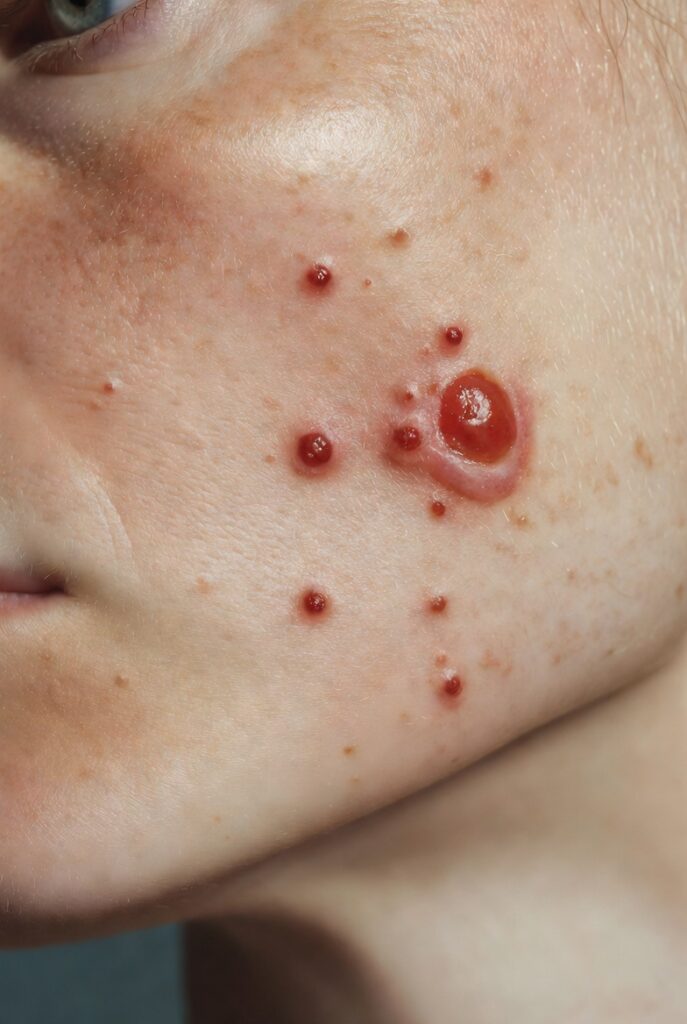
These are the classic red bumps and pimples with white or yellow centers (pustules). They are inflamed, tender, and occur when bacteria gets inside a clogged pore.
Best treatment: Benzoyl peroxide and topical antibiotics.
Type 3: Nodular and Cystic Acne (The Painful Underground Kind)
These are large, hard, painful bumps deep under the skin. They do not have a “head” and can last for weeks. This type often leads to acne scars because the inflammation damages the skin from the inside.
Best treatment: See a dermatologist. Over-the-counter products rarely work for cystic acne. You may need prescription retinoids (like tretinoin) or even isotretinoin (Accutane).
Also Read:The Ultimate Shortcut: Your Guide to the Best Skin Care Products (No Fluff, Just Results)
The Gold Standard: Ingredients That Actually Work
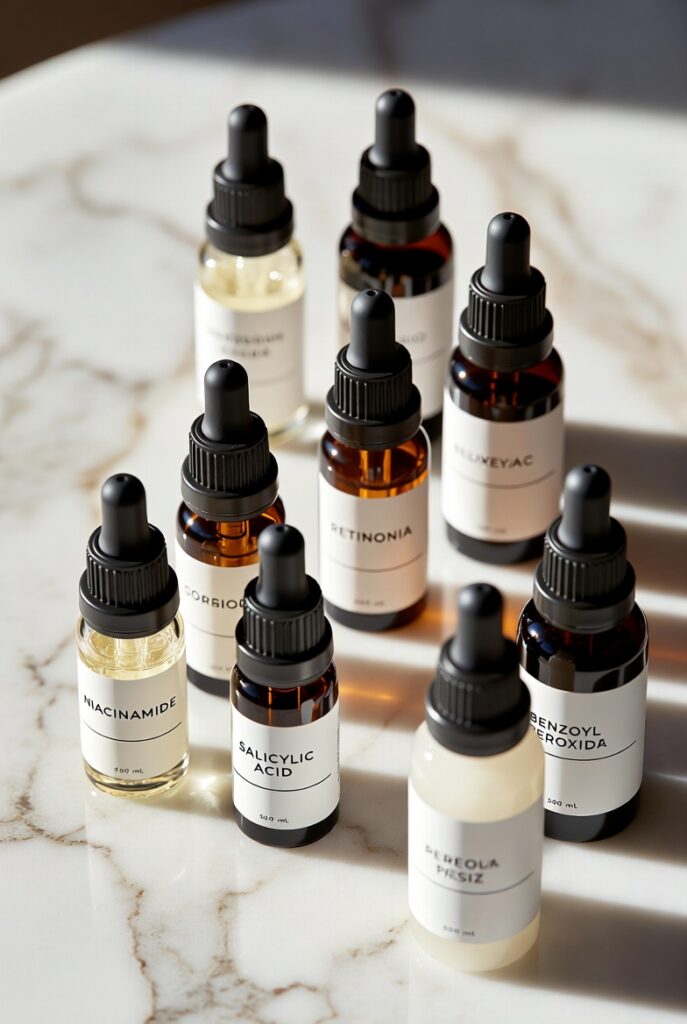
After reviewing dozens of studies and testing countless products, these are the proven ingredients for the best acne treatment . Let us break them down so you know exactly what to look for.
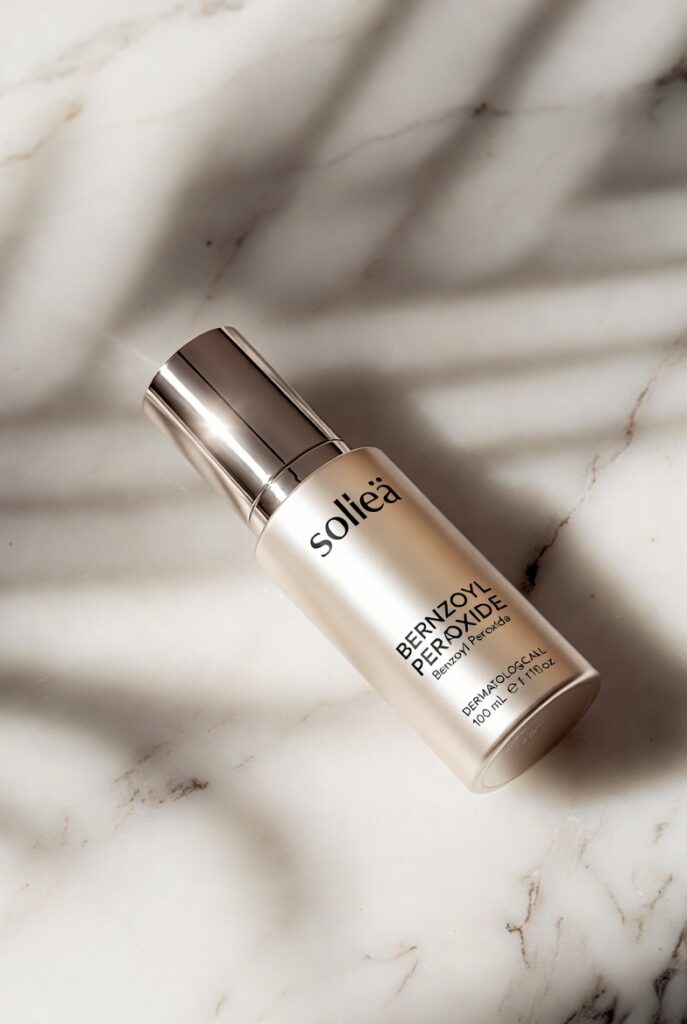
1. Benzoyl Peroxide (The Bacteria Killer)
What it does: Benzoyl peroxide kills the bacteria (Cutibacterium acnes) that causes inflammatory acne. It also helps unclog pores and reduces oil.
Who should use it: Anyone with red, inflamed pimples or pustules. It is the first-line treatment for mild to moderate acne.
How to use it: Start with a low concentration (2.5% or 5%). Higher concentrations (10%) do not work better—they just cause more dryness and irritation. Apply a thin layer to your entire face (not just on spots) once a day.
What to watch for: It bleaches fabrics. Seriously. It will turn your colored towels, pillowcases, and shirts white. Use white bedding and towels, or wash your hands thoroughly after applying.
Product example: PanOxyl Acne Foaming Wash (4% or 10%) or Neutrogena Stubborn Acne AM Treatment (2.5%).
2. Salicylic Acid (The Pore Unclogger)
What it does: Salicylic acid is a beta hydroxy acid (BHA) that dissolves the “glue” holding dead skin cells together. This unclogs blackheads and whiteheads and prevents new ones from forming.
Who should use it: Anyone with blackheads, whiteheads, or rough, bumpy skin.
How to use it: Use a salicylic acid cleanser once daily, or apply a leave-on treatment (like a toner or serum) a few times per week. Common concentrations range from 0.5% to 2%.
Product example: CeraVe Acne Control Cleanser (2% salicylic acid) or Paula’s Choice Skin Perfecting 2% BHA Liquid Exfoliant.
3. Retinoids (The Cell Speed Regulator)
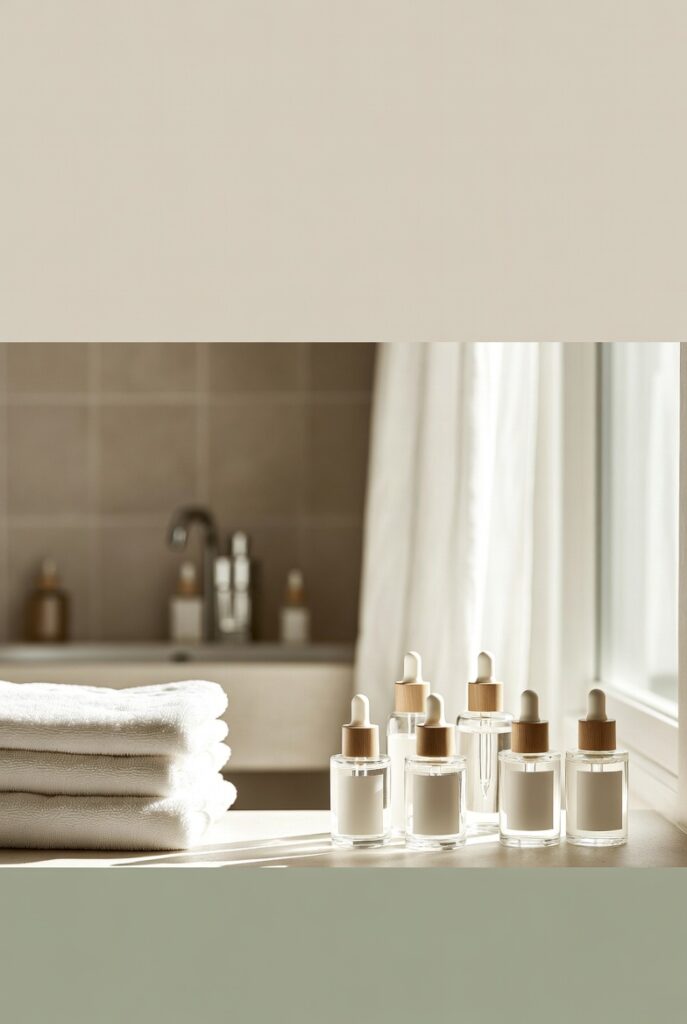
What they do: Retinoids (like adapalene and prescription tretinoin) speed up skin cell turnover so dead cells do not pile up and clog pores. They are the most powerful over-the-counter acne treatment available.
Who should use them: Anyone with stubborn comedonal acne (blackheads/whiteheads) or mild inflammatory acne. They also prevent wrinkles, so they are great for adults with acne.
How to use them: Apply a pea-sized amount to dry skin at night. Start using it every 2-3 nights because it causes dryness and peeling at first. Your skin needs 4-6 weeks to adjust.
Product example: Differin Gel (adapalene 0.1%)—the only prescription-strength retinoid available without a prescription in the US.
4. Azelaic Acid (The Gentle All-Rounder)
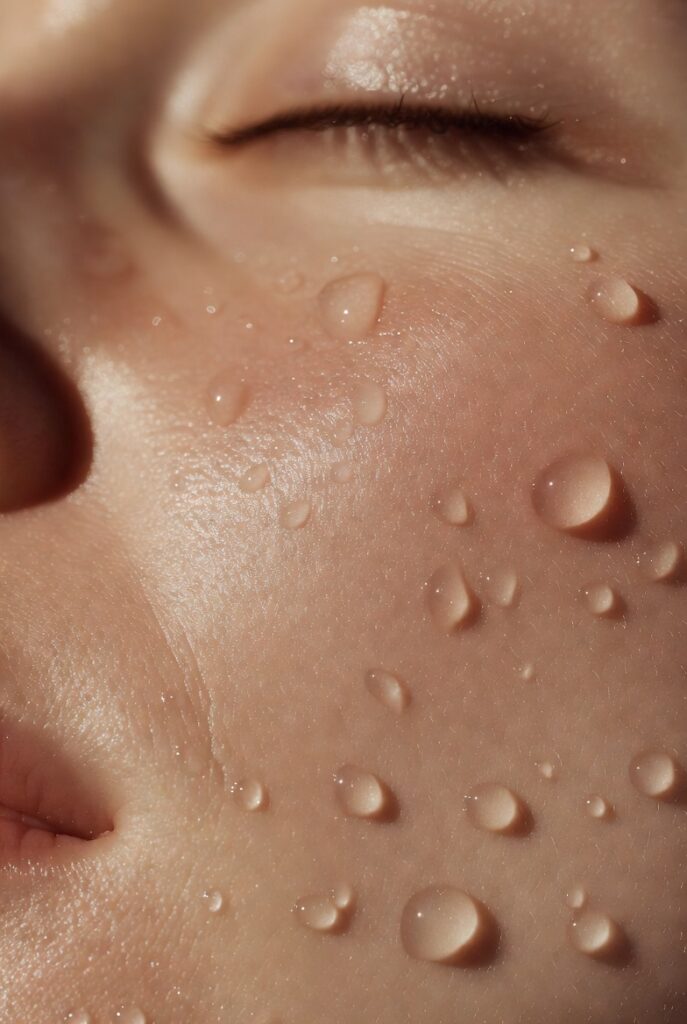
What it does: Azelaic acid kills bacteria, reduces inflammation, and fades dark spots. It is gentler than benzoyl peroxide and safe for darker skin tones.
Who should use it: People with sensitive skin, rosacea, or post-inflammatory hyperpigmentation (dark spots left after pimples heal).
How to use it: Apply once or twice daily. It is often combined with other acne treatments.
Product example: The Ordinary Azelaic Acid Suspension 10% or Paula’s Choice 10% Azelaic Acid Booster.
Step-by-Step Guide: The Best Acne Treatment Routine
You can have the best products in the world, but if you use them wrong, they will not work. Here is the exact routine I use and recommend to friends.
Morning Routine (5 Minutes)
Step 1: Gentle Cleanser
Wash your face with a gentle, non-medicated cleanser in the morning. You have already treated your skin at night; now you just need to remove sweat and oil. Harsh cleansers in the morning will dry you out.
What to use: CeraVe Hydrating Facial Cleanser or Vanicream Gentle Facial Cleanser.
Step 2: Treatment (Optional)
If you use a benzoyl peroxide or azelaic acid product in the morning, apply it now. Skip salicylic acid and retinoids in the morning.
Step 3: Moisturizer
Yes, even if your skin is oily. When you strip oil with acne treatments, your skin produces more oil to compensate. A lightweight oil-free, non-comedogenic moisturizer prevents this rebound oiliness.
What to use: Neutrogena Hydro Boost Water Gel (for oily skin) or CeraVe PM Facial Moisturizing Lotion.
Step 4: Sunscreen (SPF 30 or higher)
Many acne treatments (especially retinoids) make your skin sensitive to the sun. You must wear sunscreen every day. Look for “oil-free” and “non-comedogenic” on the label.
What to use: La Roche-Posay Anthelios Clear Skin Dry Touch SPF 60 or Supergoop Unseen Sunscreen SPF 40.
Night Routine (5 Minutes)
Step 1: Gentle Cleanser
Same as the morning. If you wear sunscreen or makeup, use a micellar water or cleansing oil first to remove it, then follow with your gentle cleanser.
Step 2: Treatment (The Star of the Show)
Apply your acne treatment now. If you are using a retinoid (like Differin), apply it to completely dry skin. If you are using benzoyl peroxide or salicylic acid, apply after cleansing.
Important: Do not mix retinoids with benzoyl peroxide at the same time. They cancel each other out. Use benzoyl peroxide in the morning and retinoids at night, or alternate nights.
Step 3: Moisturizer
Apply your same oil-free moisturizer. If your skin feels dry or tight, use a slightly thicker night cream or add a few drops of squalane oil (which does not clog pores).
Real-Life Anecdote: The “More Is Better” Disaster
I have made every mistake possible. The worst one happened when I was 22. I had a big date coming up, and I woke up with three pimples on my chin. Panicked, I applied benzoyl peroxide, then salicylic acid, then a clay mask, then more benzoyl peroxide.
That night, my face looked like a tomato. It was swollen, burning, and peeling. I could not go on the date. I could barely open my mouth to eat. I had given myself a chemical burn by using too many actives at once.
The lesson? Less is more. You only need ONE active ingredient at a time. Using multiple treatments does not clear acne faster—it just destroys your moisture barrier and makes everything worse. Start with one product. Use it for 6-8 weeks. If it does not work, try another. Do not layer them.
How to Treat Acne Scars and Dark Spots
Once your active pimples are gone, you might be left with reminders. Acne scars (indentations in the skin) and post-inflammatory hyperpigmentation (flat dark spots) are common. Here is how to handle them.
For Dark Spots (Hyperpigmentation)
These are flat, red, brown, or purple spots left after a pimple heals. They are not true scars—they will fade over time, but you can speed it up.
Best ingredients: Azelaic acid, niacinamide, Vitamin C, and tranexamic acid.
Routine add-on: Apply a dark spot corrector in the morning after cleansing and before moisturizer.
Product example: The Ordinary Niacinamide 10% + Zinc 1% (around $6) or Good Molecules Discoloration Correcting Serum.
Timeframe: Expect 2-4 months for significant fading. Sunscreen is non-negotiable—sun exposure makes dark spots darker.
For True Acne Scars (Indentations)
These are pits or depressions in the skin. Over-the-counter products cannot fix these because the damage is in the deep layers of the skin.
What actually works: Professional treatments like microneedling, laser resurfacing, chemical peels, or subcision. These must be done by a dermatologist.
When to see a doctor: If your scars are bothering you, make an appointment. Do not waste money on expensive creams that claim to “fill” scars—they do not work.
What to Avoid (The Acne Traps)
The market is full of products that promise clear skin but actually make acne worse. Here is what to skip.
| Avoid This | Why |
|---|---|
| Toothpaste | Contains baking soda, alcohol, and fluoride that burn your skin |
| Lemon juice | Extremely acidic; causes chemical burns and makes skin sensitive to sun |
| Physical scrubs | Walnut shell powders and beads cause micro-tears and spread bacteria |
| Rubbing alcohol | Strips your skin barrier, causing rebound oiliness |
| Baking soda paste | Too alkaline (high pH) for your skin; destroys your acid mantle |
| Pore strips | Rip out skin cells along with blackheads; can enlarge pores over time |
Real-Life Anecdote: The Dermatologist Visit That Changed Everything
After five years of struggling with acne, I finally went to a dermatologist. I was terrified. I thought she would judge me or blame me. Instead, she looked at my skin for 30 seconds and said, “You have hormonal acne. Your chin and jawline are where it always shows up. This is not your fault.”
She prescribed tretinoin cream and clindamycin (a topical antibiotic). She also told me to stop using every single product I was using. “You are irritating your skin with ten things,” she said. “You need three things: a gentle cleanser, the prescription, and a moisturizer.”
Within three months, my skin was 90% clearer. Within six months, I stopped getting new cysts entirely. The visit cost me a 40copay.Theprescriptionscost15 each. That $70 changed my life.
Here is my advice: If you have tried over-the-counter products for 3-4 months and your acne is not improving, or if you have cystic acne or acne scars, see a dermatologist. It is often cheaper than buying endless products, and it actually works.
Building Your Personalized Best Acne Treatment Plan
Let us put it all together. Here is how to choose your routine based on your acne type.
For Blackheads and Whiteheads Only
- Cleanser: Salicylic acid cleanser (2%)
- Treatment: Adapalene (Differin) at night
- Moisturizer: Oil-free, non-comedogenic
- Sunscreen: SPF 30 daily
For Red Pimples and Pustules (Mild to Moderate)
- Cleanser: Gentle cleanser (non-medicated)
- Morning treatment: Benzoyl peroxide 2.5% or 5%
- Night treatment: Adapalene (Differin) – start every 2-3 nights
- Moisturizer: Oil-free, fragrance-free
- Sunscreen: SPF 30 daily (mandatory with benzoyl peroxide)
For Sensitive Skin with Acne
- Cleanser: Gentle, fragrance-free cleanser
- Treatment: Azelaic acid 10% (once daily, then twice daily)
- Moisturizer: Thicker, barrier-repair cream
- Sunscreen: Mineral sunscreen (zinc oxide)
For Severe or Cystic Acne
- Do not guess. See a dermatologist.
- Possible prescriptions: Tretinoin cream, clindamycin lotion, oral antibiotics, spironolactone (for hormonal acne in women), or isotretinoin (Accutane).
How to Buy With Confidence (No More Wasted Money)
Here is how to avoid buying acne treatments that end up in the trash.
- Start with drugstore heroes. CeraVe, La Roche-Posay, Differin, and The Ordinary are dermatologist-recommended and affordable. You do not need a $50 “medical-grade” product.
- Buy from stores with return policies. Target, Ulta, and Amazon (official brand stores) accept returns on used skincare. If a product breaks you out, send it back.
- Introduce ONE new product at a time. If you start three new things and your face breaks out, you will not know which one caused it. Wait 2 weeks between new products.
- Give it 6-8 weeks. Acne treatments are not instant. Most take at least 4 weeks to show improvement and 8-12 weeks for full results. Do not give up after one week.
Frequently Asked Questions (FAQ)
1. What is the single best acne treatment you can buy without a prescription?
Differin Gel (adapalene 0.1%) . It is a prescription-strength retinoid now available over the counter. It treats blackheads, whiteheads, and inflammatory acne, and it also prevents wrinkles. No other OTC product is as powerful.
2. Does diet cause acne?
For most people, no. High-glycemic foods (sugar, white bread) and dairy can worsen acne in some people, but they are rarely the root cause. The best acne treatment is topical medications, not diet changes. That said, eating healthy is good for your whole body.
3. How long until I see results from an acne treatment?
Wait 4 to 6 weeks to see initial improvement and 8 to 12 weeks for full results. If you have seen zero change after 3 months, try a different active ingredient or see a dermatologist.
4. Can I use acne treatment and anti-aging products together?
Yes, carefully. Use retinoids (which treat both acne and wrinkles) at night. Use Vitamin C in the morning. Do not use retinoids with benzoyl peroxide at the same time. Do not use retinoids with AHAs (glycolic, lactic acid) in the same routine.
5. Why is my acne getting worse after starting treatment?
That is called “purging.” Retinoids and salicylic acid speed up skin cell turnover, which pushes hidden clogged pores to the surface faster. Purging lasts 2-4 weeks and looks like small whiteheads in areas where you normally break out. If you are getting red, painful bumps in new areas, that is irritation—stop the product.
Conclusion
I spent years hiding my face, avoiding photos, and feeling ashamed of something I could not control. Acne is not a moral failure. It is not a sign that you are “dirty” or “unhealthy.” It is a medical condition with proven treatments.
The best acne treatment does not have to be complicated or expensive. Start with one proven ingredient: benzoyl peroxide for red pimples, salicylic acid for blackheads, or adapalene for everything else. Pair it with a gentle cleanser, an oil-free moisturizer, and sunscreen. Give it two months. If it does not work, see a dermatologist.
You do not have to live with painful, embarrassing acne forever. The solution exists. It is sitting on the shelf at your local drugstore for under $20. Go buy it tonight. Start tomorrow morning. And in three months, when you look in the mirror and smile without wincing, you will wonder why you waited so long.
Your clear skin is waiting. Go get it.