
Let me tell you about the year I wasted $1,000 on skincare. It was my late twenties, and I had just gotten my first “real” job. Suddenly, I had money to spend, and the beauty industry was ready to take it. I bought the fancy French serums. I bought the gold-flecked moisturizers. I bought the “medical grade” products that required a special login to purchase.
My skin? It looked exactly the same. Actually, sometimes worse. I had given myself rashes, chemical burns, and cystic acne from products that promised the moon but delivered only irritation.
Then I visited a dermatologist. She looked at my overflowing medicine cabinet and said something that changed my life: “You do not need 15 products. You need 4 good ones. And they do not need to be expensive.”
That day, she handed me a list of the best skin care products—the ones dermatologists actually use on themselves. None of them cost over $20. And when I started using them, my skin finally, finally cleared up.
Today, I am going to share that list with you. You will learn exactly which products you need, which ingredients actually work, and how to build a routine that delivers real results without breaking the bank. Let us cut through the noise.
The Core Four: The Only Best Skin Care Products You Actually Need
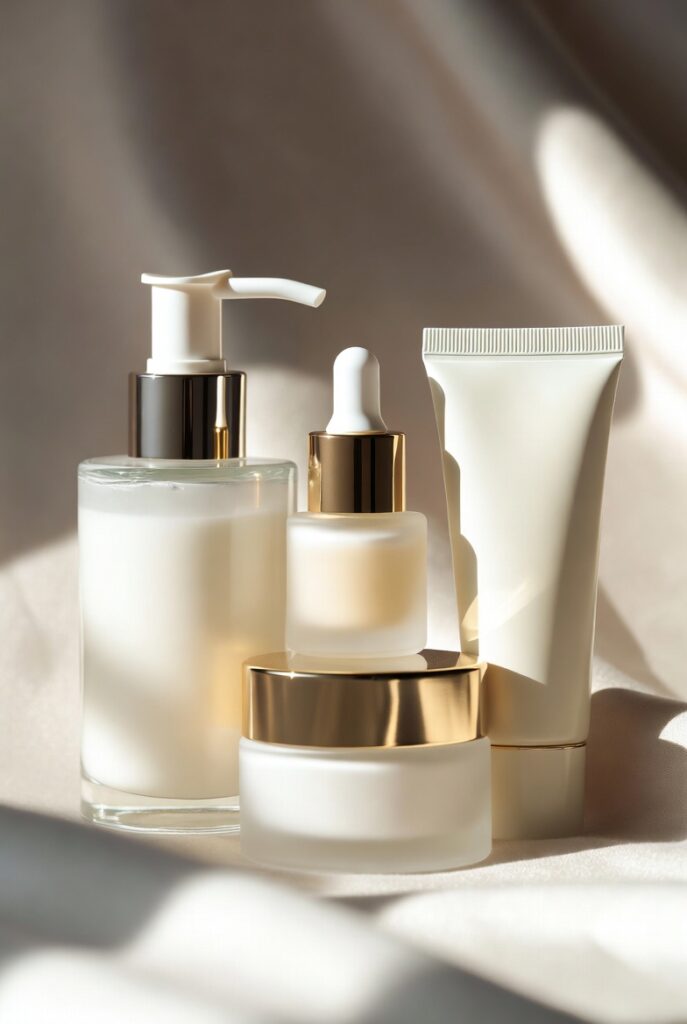
Here is the truth that no influencer will tell you: You do not need a 15-step routine. A complete, effective skincare routine requires just four products.
- A gentle cleanser
- A treatment serum (optional, but recommended)
- A moisturizer
- A sunscreen
That is it. Everything else—toners, essences, eye creams, masks, mists—is optional. Nice to have, but not necessary. If you are on a budget or just starting out, focus on these four categories.
Let us break down the best skin care products in each category.
Best Gentle Cleanser (The Foundation of Everything)
A good cleanser removes dirt, oil, and sunscreen without stripping your skin. Your face should feel clean but not tight, squeaky, or dry after washing.
Top Pick: CeraVe Hydrating Facial Cleanser
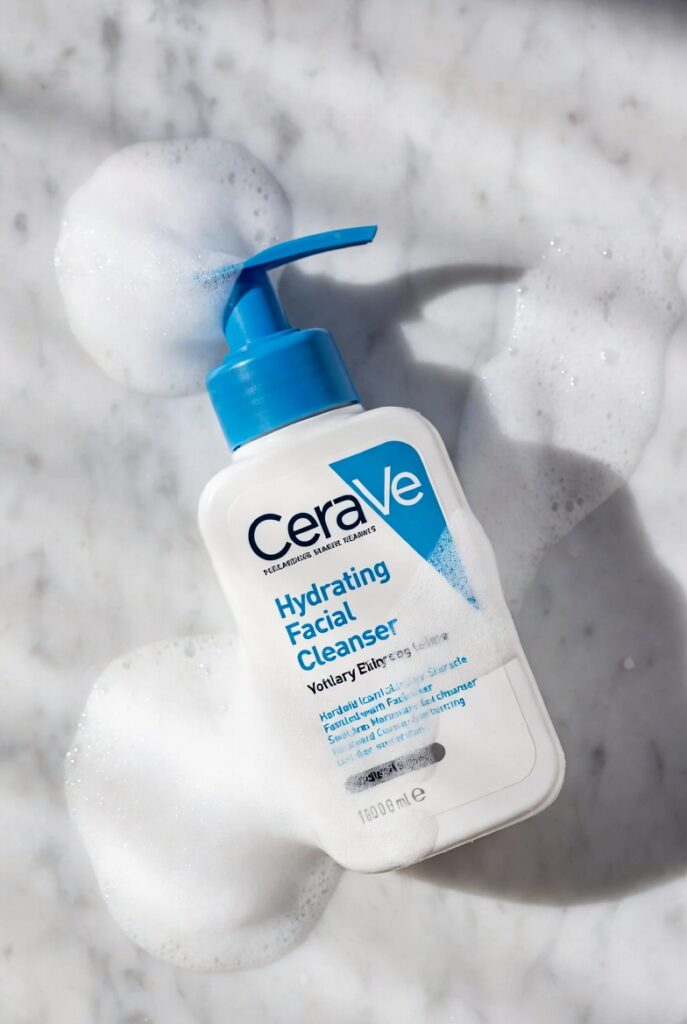
Why it is great: This cleanser contains three essential ceramides (to repair your skin barrier), hyaluronic acid (to hydrate), and glycerin (a humectant that pulls in water). It is non-foaming, fragrance-free, and developed with dermatologists.
Who should use it: Normal to dry skin, sensitive skin, or anyone with a compromised barrier.
Price: Around $15 for 16 ounces (lasts 6+ months).
Where to buy: Drugstores, Target, Walmart, Amazon.
Best for Oily/Acne-Prone Skin: CeraVe Foaming Facial Cleanser
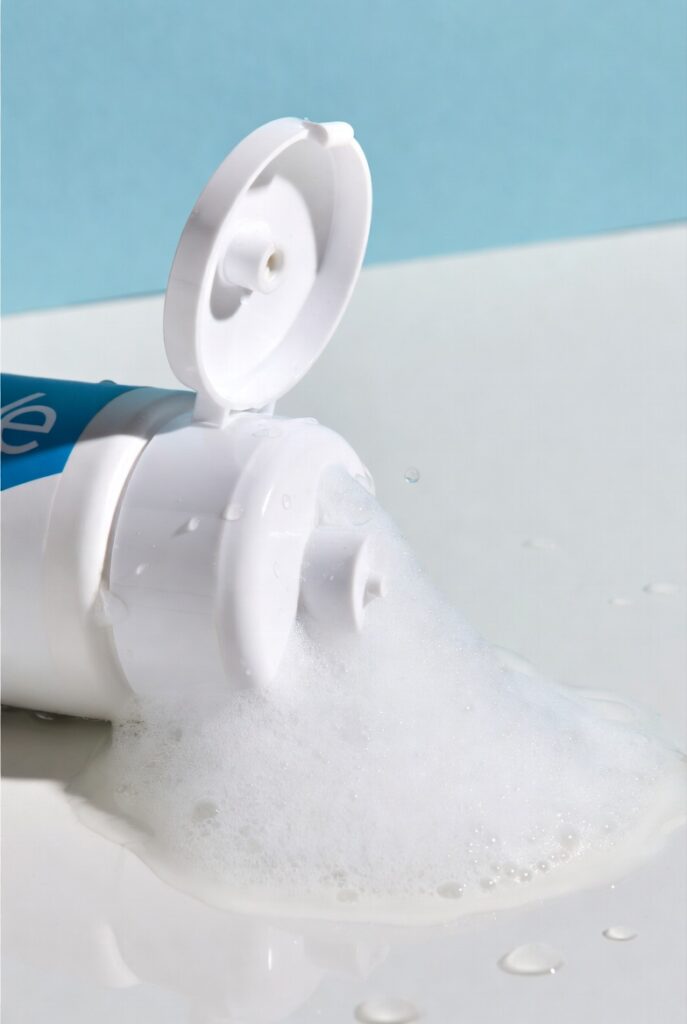
Why it is great: Same ceramide-rich formula as the hydrating version, but with a foaming action that removes excess oil without over-stripping. It contains niacinamide to calm inflammation.
Who should use it: Oily, combination, or acne-prone skin.
Price: Around $15 for 16 ounces.
Best Budget Pick: Vanicream Gentle Facial Cleanser
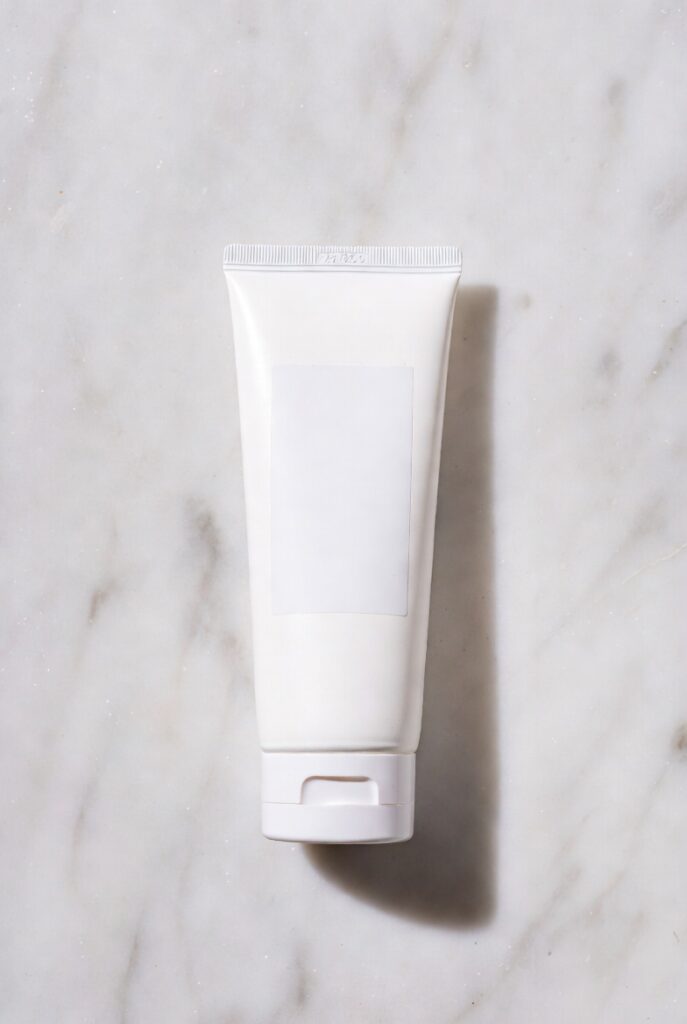
Why it is great: Vanicream is the brand dermatologists recommend when patients react to everything else. It has no fragrances, no dyes, no lanolin, no parabens—no potential irritants whatsoever. It is boring. That is the point.
Who should use it: Extremely sensitive skin, allergy-prone skin, or anyone recovering from a damaged barrier.
Price: Around $12 for 8 ounces.
Best for Makeup Removal: Garnier Micellar Water (Pink Cap)
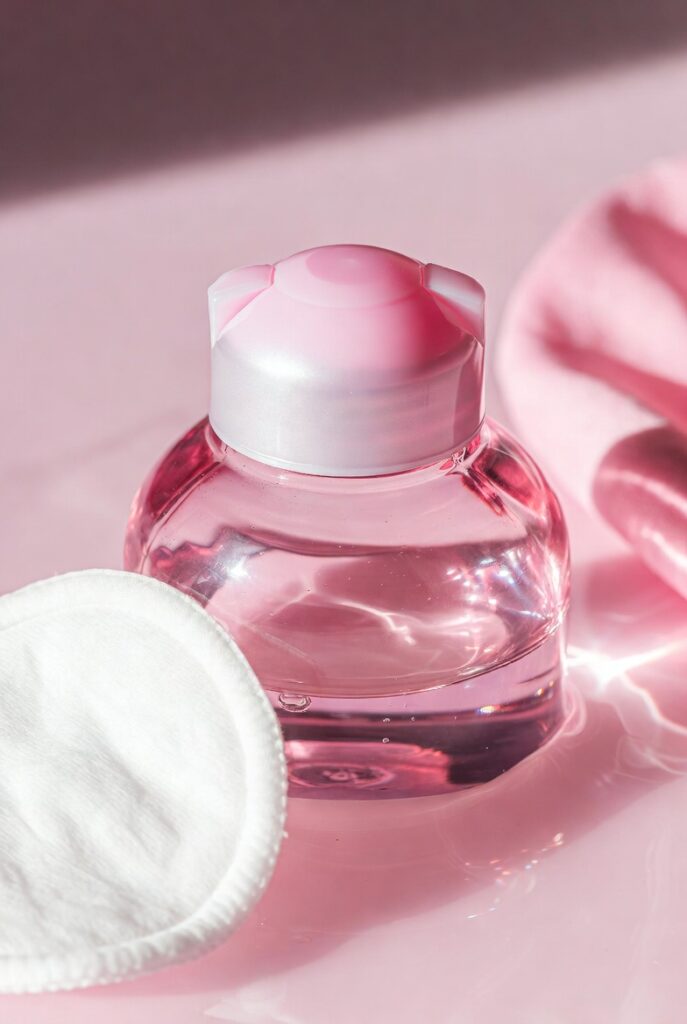
Why it is great: This is not a traditional cleanser—you do not rinse it off. You soak a cotton pad and wipe your face. It removes makeup, sunscreen, and dirt without stripping your skin. The pink cap version is for sensitive skin.
Who should use it: Anyone who wears makeup or water-resistant sunscreen and wants a gentle first cleanse.
Price: Around $8 for 13.5 ounces.
Best Treatment Serums (Targeted Help)
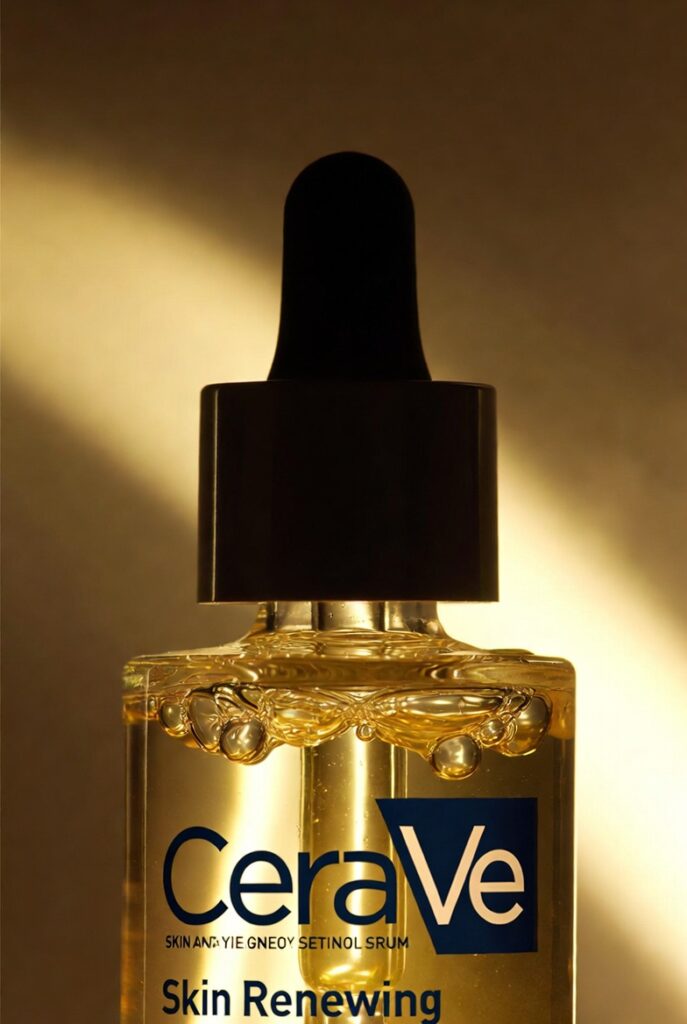
A treatment serum delivers concentrated active ingredients to address specific concerns: wrinkles, dark spots, dullness, or acne. You do not need a serum, but adding one is the fastest way to see improvement.
Best for Anti-Aging (Retinol): CeraVe Skin Renewing Retinol Serum
Why it is great: Retinol is the gold standard for wrinkles, fine lines, and texture. This serum uses encapsulated retinol (released slowly to reduce irritation) plus ceramides and licorice root extract (to calm). It is gentle enough for beginners.
Who should use it: Anyone 25+ wanting to prevent or reduce fine lines, or anyone with texture concerns.
Price: Around $18 for 1 ounce.
How to use: Apply a pea-sized amount at night, 2-3 times per week to start. Avoid the eye area.
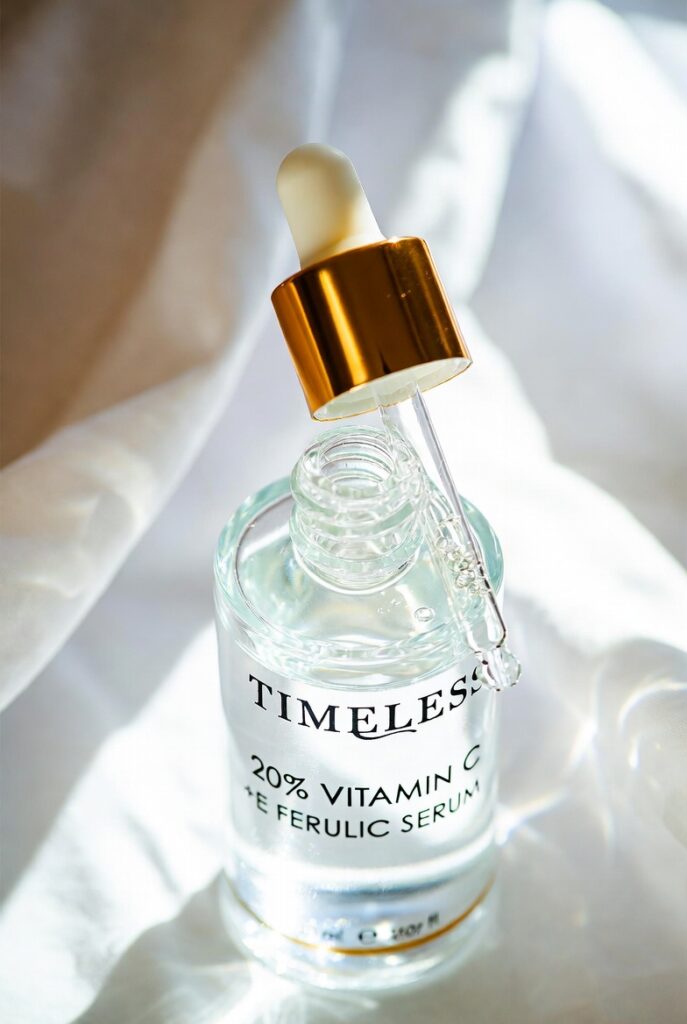
Best for Brightening/Dark Spots (Vitamin C): Timeless 20% Vitamin C + E Ferulic
Why it is great: This is a near-exact dupe for the $180 SkinCeuticals C E Ferulic serum. It contains 20% L-ascorbic acid (the most effective form of vitamin C), vitamin E, and ferulic acid (which stabilizes the formula and doubles the protection). It fades dark spots, brightens dull skin, and boosts collagen.
Who should use it: Anyone with hyperpigmentation, sun spots, post-acne marks, or dull skin.
Price: Around $27 for 1 ounce (a fraction of the luxury version).
How to use: Apply 3-4 drops to dry skin in the morning. Wait 60 seconds, then apply moisturizer and sunscreen. Store in a cool, dark place (the fridge is ideal).
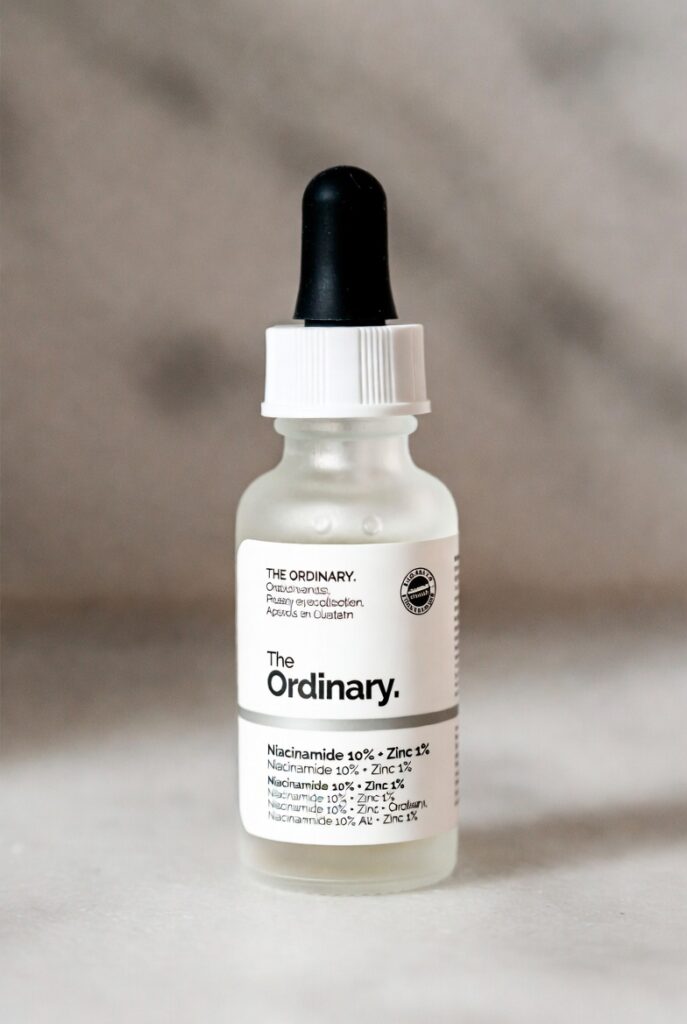
Best for All-Around Skin Health (Niacinamide): The Ordinary Niacinamide 10% + Zinc 1%
Why it is great: Niacinamide (vitamin B3) strengthens your skin barrier, controls oil, fades dark spots, and reduces redness. This serum is incredibly affordable and effective.
Who should use it: Literally everyone. It is gentle, plays well with every other ingredient, and addresses multiple concerns at once.
Price: Around $6 for 1 ounce (a steal).
How to use: Apply 2-3 drops morning and night after cleansing but before moisturizer.
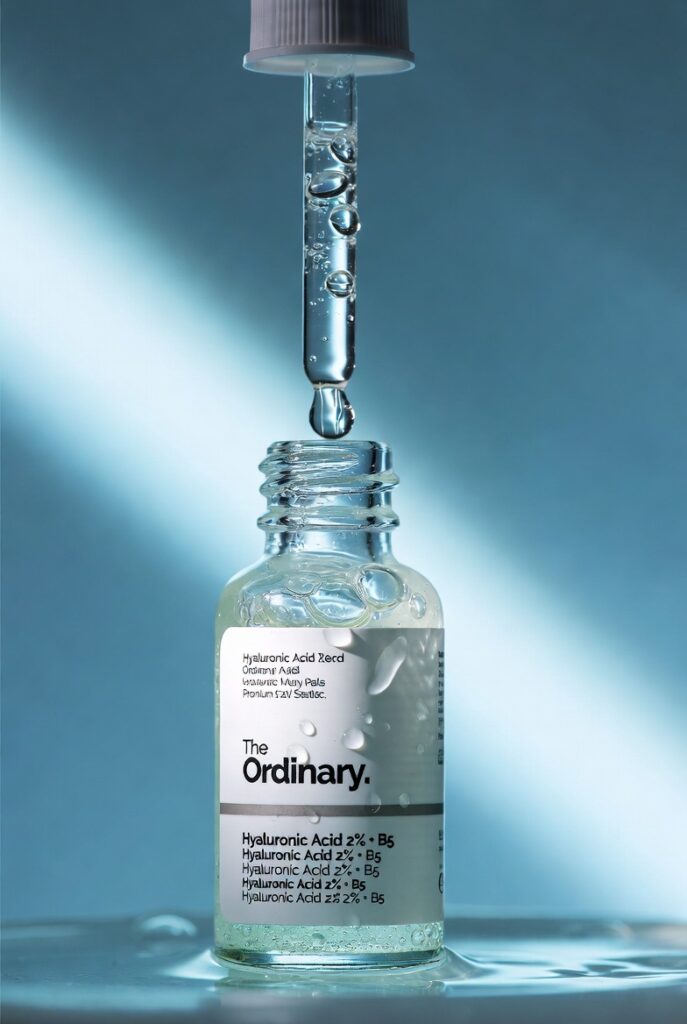
Best for Hydration (Hyaluronic Acid): The Ordinary Hyaluronic Acid 2% + B5
Why it is great: Hyaluronic acid holds 1,000 times its weight in water. This serum plumps the skin, smoothing out fine lines and giving you that “bouncy” look.
Who should use it: Dry or dehydrated skin, or anyone wanting a plump, dewy appearance.
Price: Around $10 for 1 ounce.
How to use: Apply to damp skin (spritz with water first). If you apply to dry skin, it can actually pull water out of your skin. Always follow with a moisturizer.
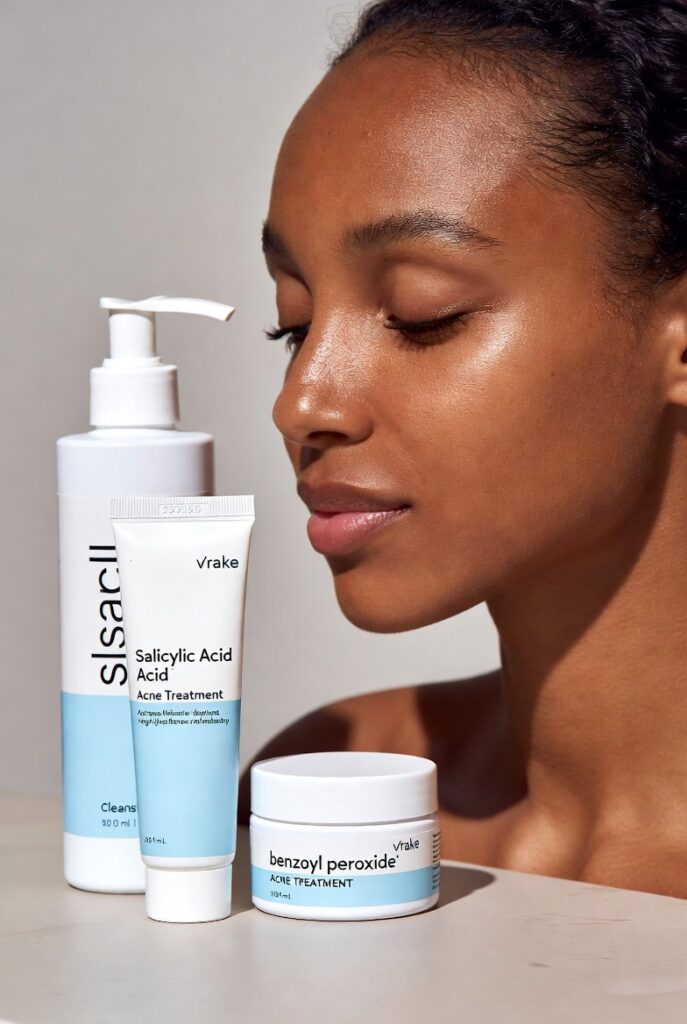
Best for Acne (Benzoyl Peroxide or Salicylic Acid)
For red, inflamed pimples: PanOxyl Acne Foaming Wash contains 10% benzoyl peroxide. Use it as a short-contact treatment (leave on for 2 minutes, then rinse). About $12.
For blackheads and whiteheads: Paula’s Choice Skin Perfecting 2% BHA Liquid Exfoliant contains salicylic acid, which dissolves oil and unclogs pores. About $33 for 4 ounces (lasts over a year).
Best Moisturizer (The Barrier Builder)
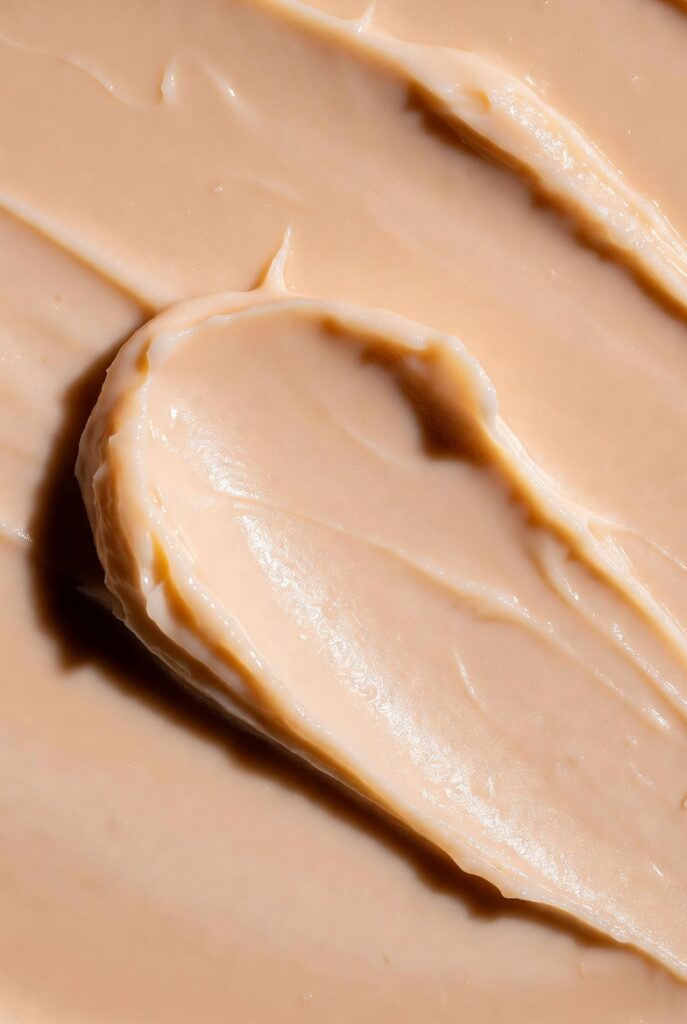
A good moisturizer locks in hydration, repairs your skin barrier, and prevents water loss. The best moisturizer for you depends on your skin type.
Best for Dry Skin: CeraVe Moisturizing Cream (The Blue Tub)
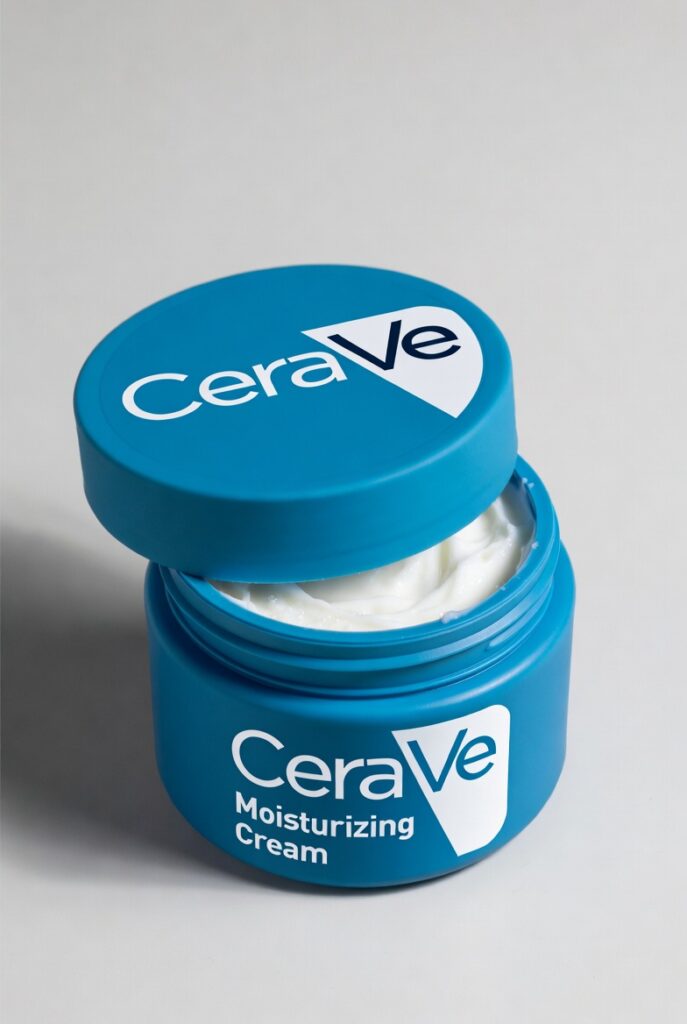
Why it is great: This is the gold standard. It contains three essential ceramides, hyaluronic acid, and niacinamide. It is thick, rich, and fragrance-free. One tub lasts months.
Who should use it: Dry to very dry skin, eczema-prone skin, or anyone who lives in a cold climate.
Price: Around $16 for 16 ounces.
Best for Normal to Combination Skin: La Roche-Posay Double Repair Face Moisturizer
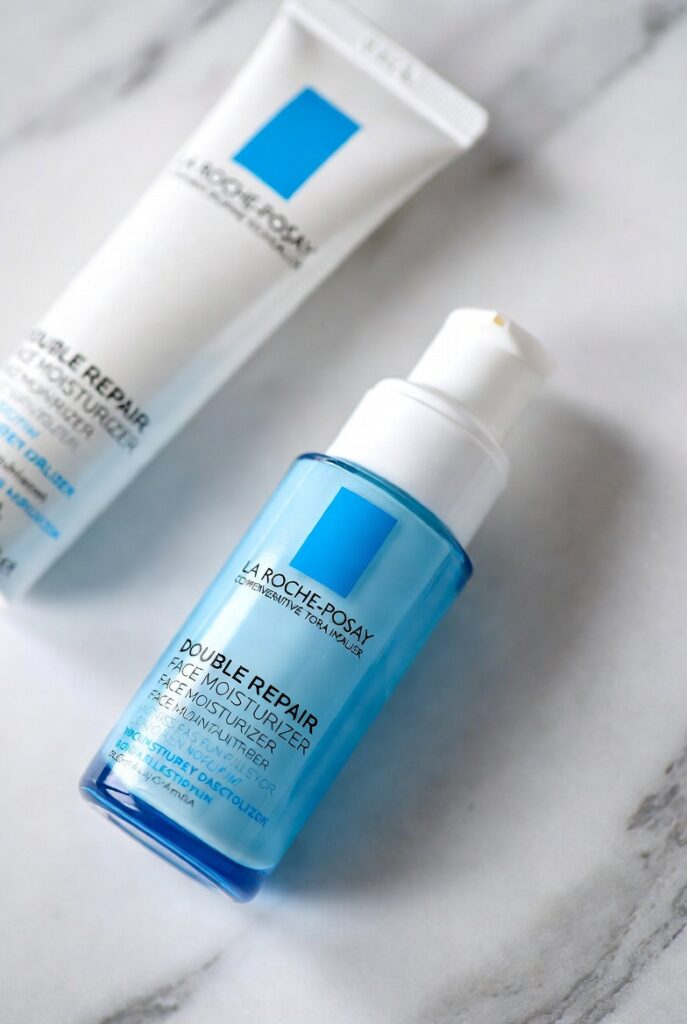
Why it is great: This cream contains ceramides and niacinamide but has a lighter texture than CeraVe. It absorbs quickly and leaves a natural, non-greasy finish.
Who should use it: Normal, combination, or slightly dry skin.
Price: Around $20 for 2.5 ounces.
Best for Oily or Acne-Prone Skin: Neutrogena Hydro Boost Water Gel
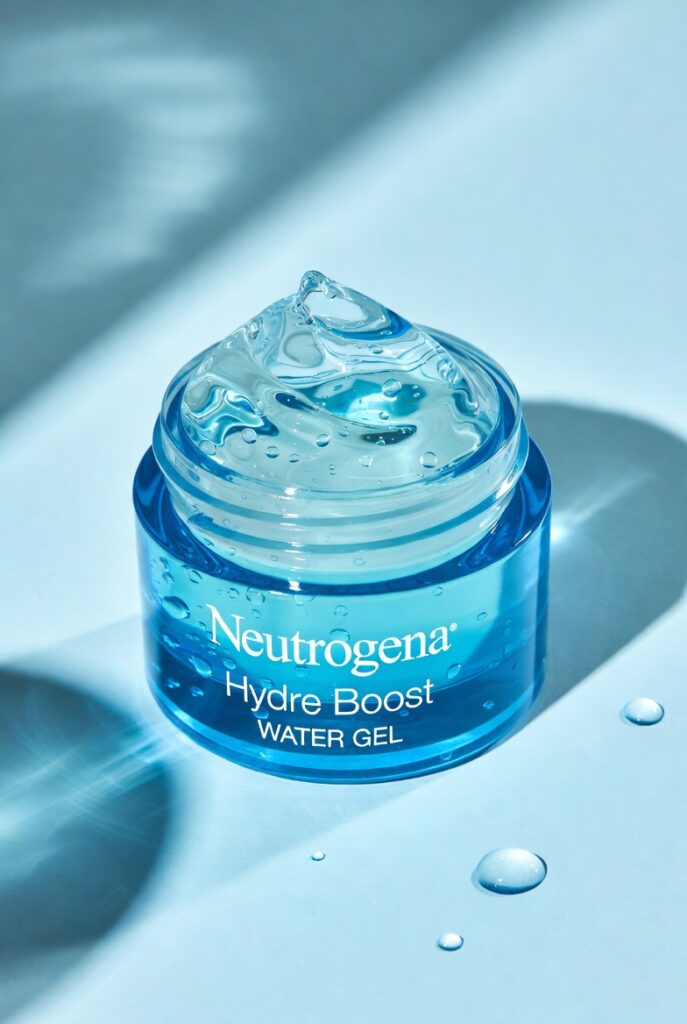
Why it is great: This is a gel moisturizer—water-based, oil-free, and non-comedogenic (won’t clog pores). It contains hyaluronic acid to hydrate without adding grease.
Who should use it: Oily, acne-prone, or combination skin.
Price: Around $18 for 1.7 ounces.
Best Budget Pick: Vanicream Moisturizing Cream
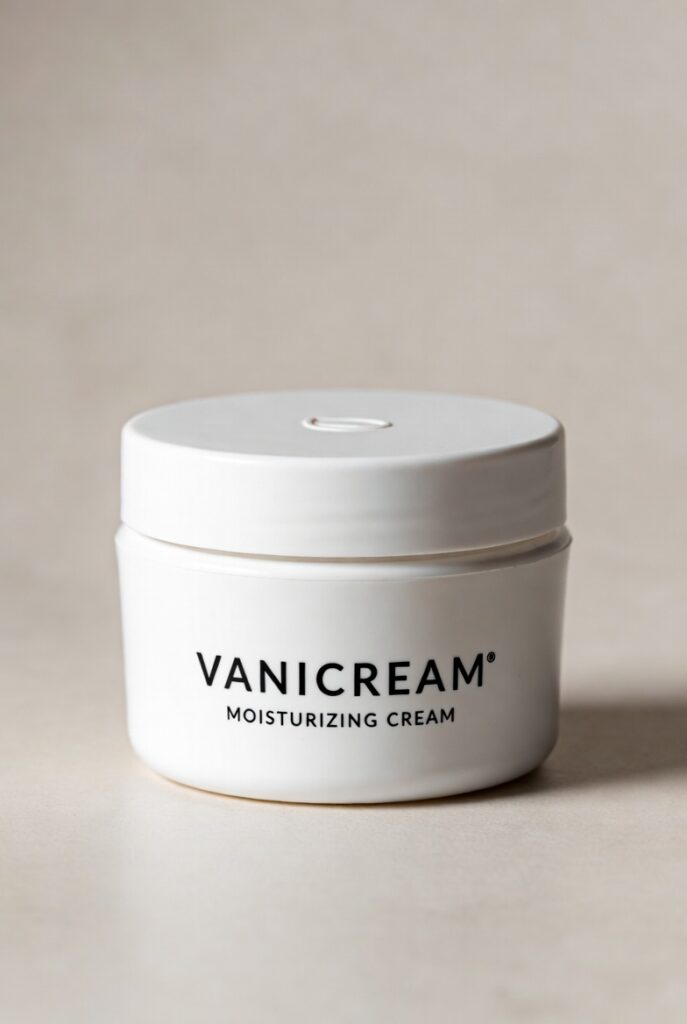
Why it is great: Like the cleanser, this moisturizer has no irritants whatsoever. It is thick, basic, and effective. If your skin reacts to everything else, try this.
Who should use it: Extremely sensitive skin, allergy-prone skin, or post-procedure skin.
Price: Around $15 for 16 ounces.
Best for Daytime (Under Makeup): Kiehl’s Ultra Facial Cream
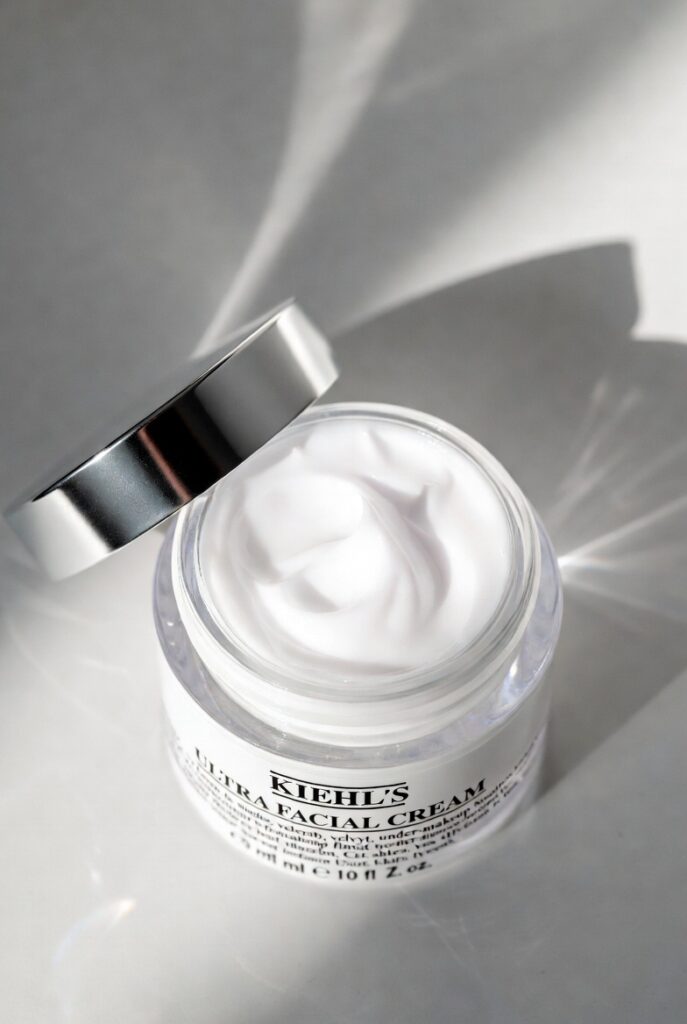
Why it is great: This cream absorbs completely within 60 seconds, leaving no residue. Makeup applies smoothly and does not pill or slide off. It contains squalane (an oil that mimics your skin’s natural sebum) and glycerin.
Who should use it: Dry skin that wears makeup, or anyone who hates the feeling of heavy creams.
Price: Around $40 for 1.7 ounces (expensive, but many say it is worth it).
Best Sunscreen for Face (The Most Important Product)
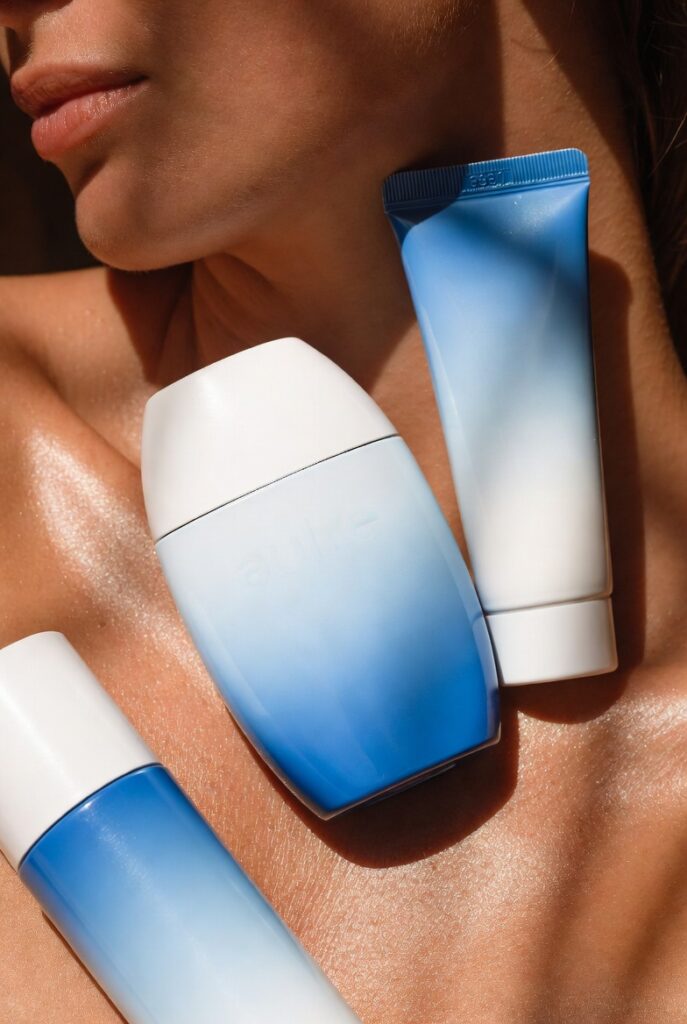
Sunscreen is the single most important anti-aging product you can buy. No serum or cream will help if you skip this step.
Best Overall: Supergoop! Unseen Sunscreen SPF 40
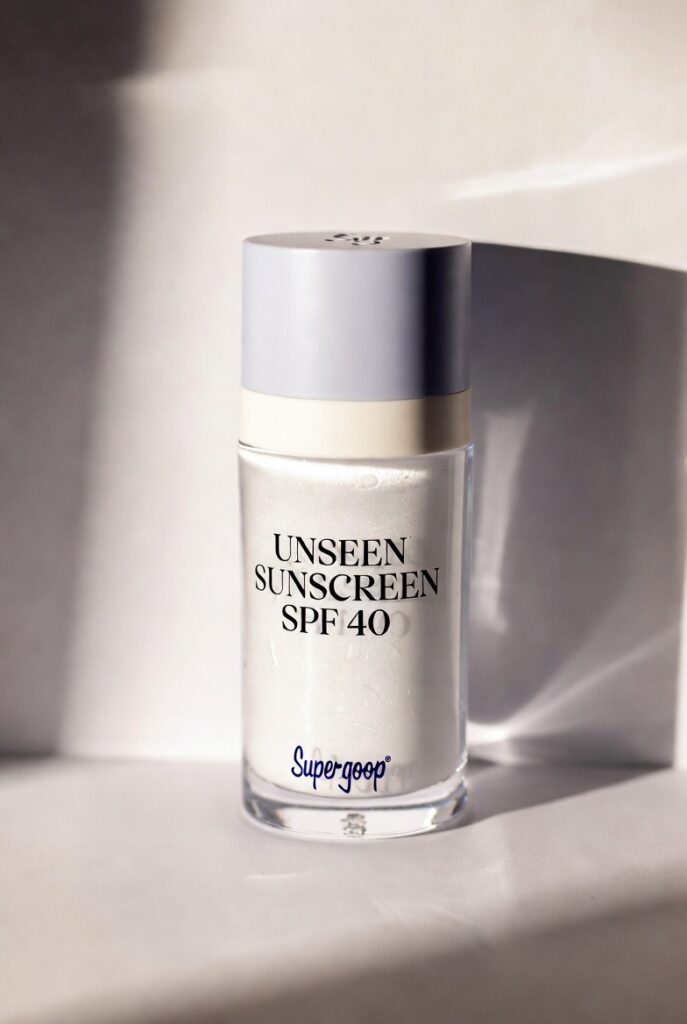
Why it is great: This sunscreen is invisible, feels like a silky makeup primer, leaves zero white cast, and works on all skin tones. It is oil-free, fragrance-free, and non-comedogenic.
Who should use it: Everyone. Seriously.
Price: Around $38 for 1.7 ounces (expensive, but a little goes a long way).
Best Mineral (No White Cast): Drunk Elephant Umbra Sheer SPF 30
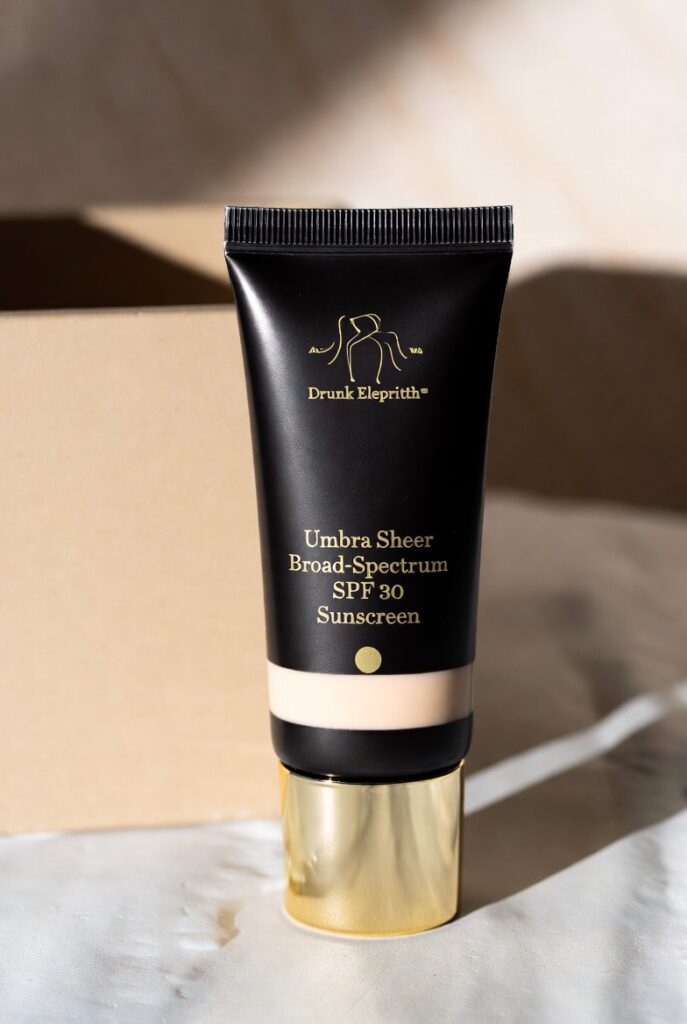
Why it is great: Most mineral sunscreens leave a chalky white cast. This one uses a tinted formula that blends into most skin tones. It is 100% mineral (zinc oxide) and reef-safe.
Who should use it: Sensitive skin, rosacea, pregnancy, or anyone who prefers mineral protection.
Price: Around $34 for 3 ounces.
Best for Darker Skin Tones: Black Girl Sunscreen SPF 30
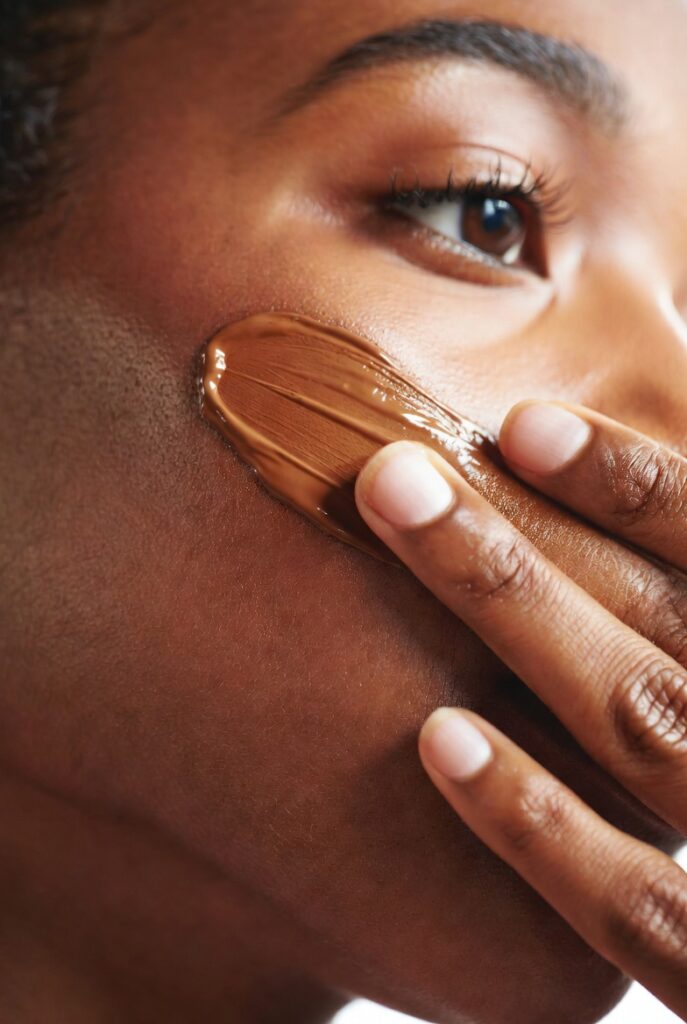
Why it is great: This sunscreen was specifically formulated for melanin-rich skin. It goes on completely clear, leaves no ashiness, and has a natural dewy finish. It contains jojoba oil and avocado oil to moisturize.
Who should use it: Anyone with medium to deep skin tones who struggles with white cast.
Price: Around $16 for 3 ounces.
Best Budget Pick: Neutrogena Ultra Sheer Dry-Touch SPF 55
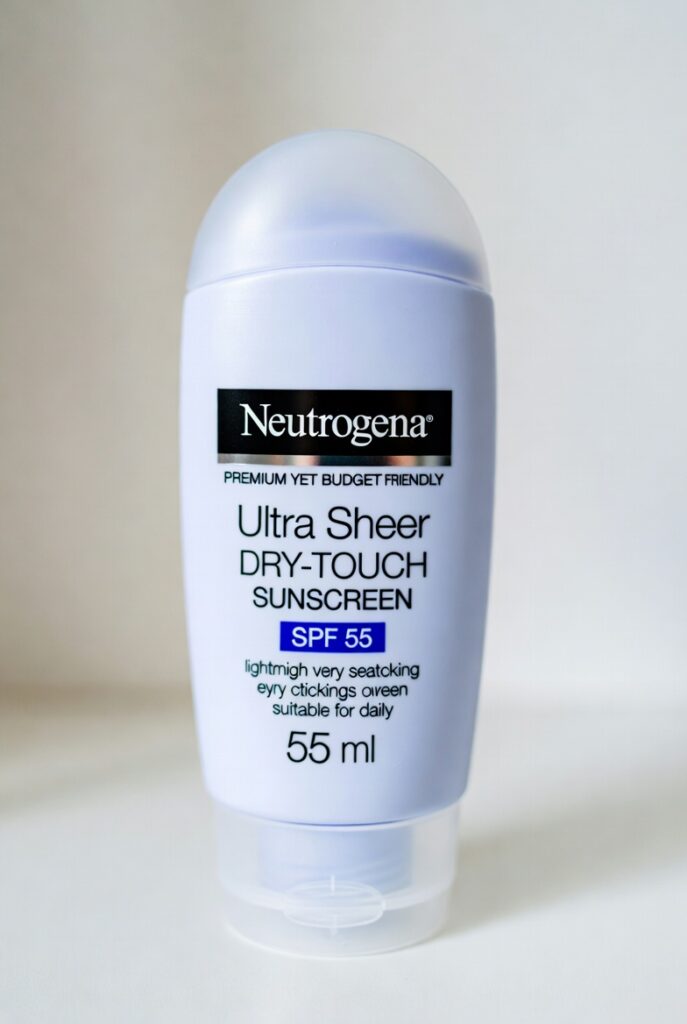
Why it is great: Affordable, widely available, and effective. The “dry-touch” technology absorbs oil and leaves a matte finish.
Who should use it: Anyone on a budget who wants a reliable chemical sunscreen.
Price: Around $10 for 3 ounces.
Best Korean Sunscreen: Beauty of Joseon Relief Sun SPF 50+
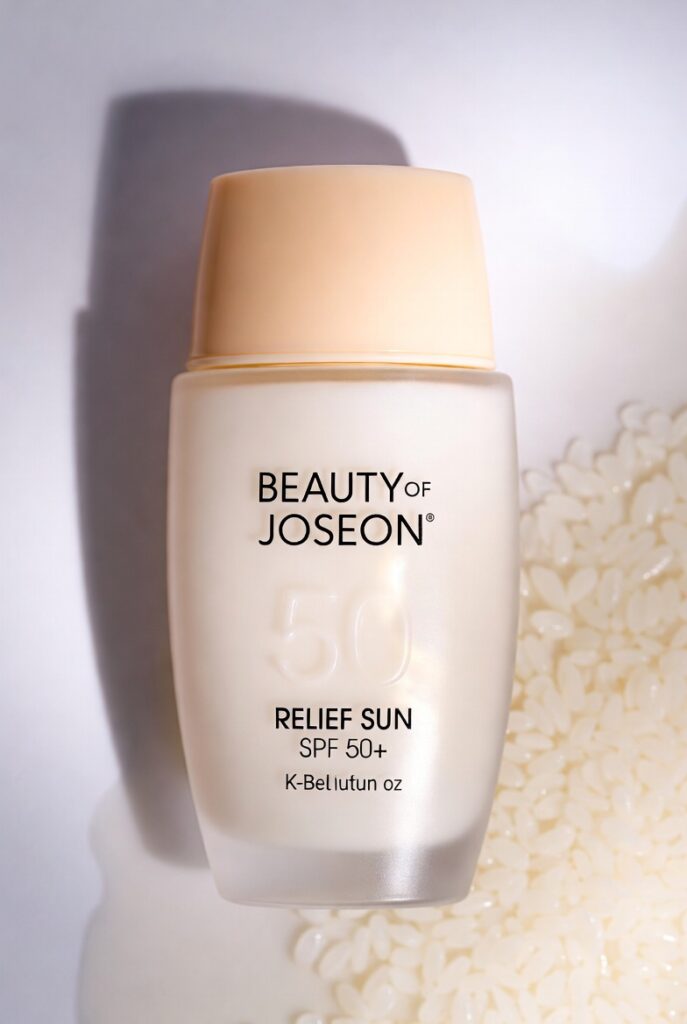
Why it is great: Korean sunscreens are famous for their luxurious textures. This one feels like a lightweight moisturizer, has no white cast, and contains rice extract (brightening) and probiotics (calming).
Who should use it: Anyone who wants a high-quality, affordable sunscreen that feels like nothing.
Price: Around $12 for 1.7 ounces.
Step-by-Step Guide: Your Daily Routine with the Best Skin Care Products
Now that you have your products, here is exactly how to use them.
Morning Routine (5 Minutes)
Step 1: Cleanse (30 seconds)
Wash your face with lukewarm water and your gentle cleanser. Pat dry, leaving skin slightly damp.
Step 2: Vitamin C Serum (1 minute)
Apply 3-4 drops of vitamin C serum to your face, neck, and chest. Wait 60 seconds for it to absorb.
Step 3: Niacinamide (Optional) (30 seconds)
If you use a separate niacinamide serum, apply it now.
Step 4: Moisturizer (30 seconds)
Apply your moisturizer to damp skin.
Step 5: Sunscreen (1 minute)
Apply a generous amount (two-finger rule) of SPF 30 or higher to your face, neck, and ears. Wait 15 minutes before going outside (chemical sunscreen) or go immediately (mineral sunscreen).
Night Routine (5 Minutes)
Step 1: Double Cleanse (If You Wear Makeup or Sunscreen) (2 minutes)
First, use an oil cleanser or micellar water to remove makeup and sunscreen. Then use your gentle water-based cleanser.
Step 2: Retinol (2-3 Nights Per Week) (1 minute)
On nights you use retinol, apply a pea-sized amount to completely dry skin. Do not use other actives on these nights.
Step 3: Niacinamide or Hyaluronic Acid (On Non-Retinol Nights) (1 minute)
Apply your serum of choice.
Step 4: Moisturizer (30 seconds)
Apply your moisturizer. If your skin feels dry, use a slightly thicker layer or add a few drops of squalane oil.
Real-Life Anecdote: The “Expensive Is Better” Lie
I used to believe that expensive products were better. I mean, if a cream costs 200,itmusthavesomemagicingredientthatthe20 cream does not, right?
Wrong.
I once bought a $180 “medical grade” vitamin C serum. It came in fancy packaging with a gold dropper. I used it for three months. My skin looked… fine. Nothing special.
Then I ran out and could not afford to repurchase. I bought the Timeless 20% Vitamin C serum for 27asatemporaryreplacement.Tomyshock,myskinlooked∗better∗thanithadonthe180 version. Brighter. Smoother. More even.
I looked at the ingredient lists side by side. They were almost identical. The expensive one had slightly nicer packaging and a prettier smell. That was it.
That day, I stopped believing in luxury skincare. Now I buy CeraVe, The Ordinary, and Timeless. My skin has never looked better, and my wallet has never been happier.
What to Avoid (The Marketing Traps)
The beauty industry is full of products that sound great but do nothing. Here is what to skip.
| Avoid This | Why |
|---|---|
| “Medical grade” skincare | No legal definition. It is a marketing term, not a quality guarantee. |
| Collagen creams | Collagen molecules are too large to penetrate your skin. You are just putting protein on your face that washes off. |
| Eye creams | The skin around your eyes is thinner, but a regular moisturizer works just as well. Eye creams are overpriced moisturizers in tiny jars. |
| Jars (for active ingredients) | Every time you dip your finger in, you introduce air and bacteria. Retinol and vitamin C degrade faster in jars. |
| Facial sprays/mists | Most are just water and fragrance. They do nothing except feel refreshing for 10 seconds. |
| “Detox” masks or patches | Your skin does not need to be “detoxed.” That is what your liver and kidneys do. |
How to Transition to New Products (The Patch Test Rule)
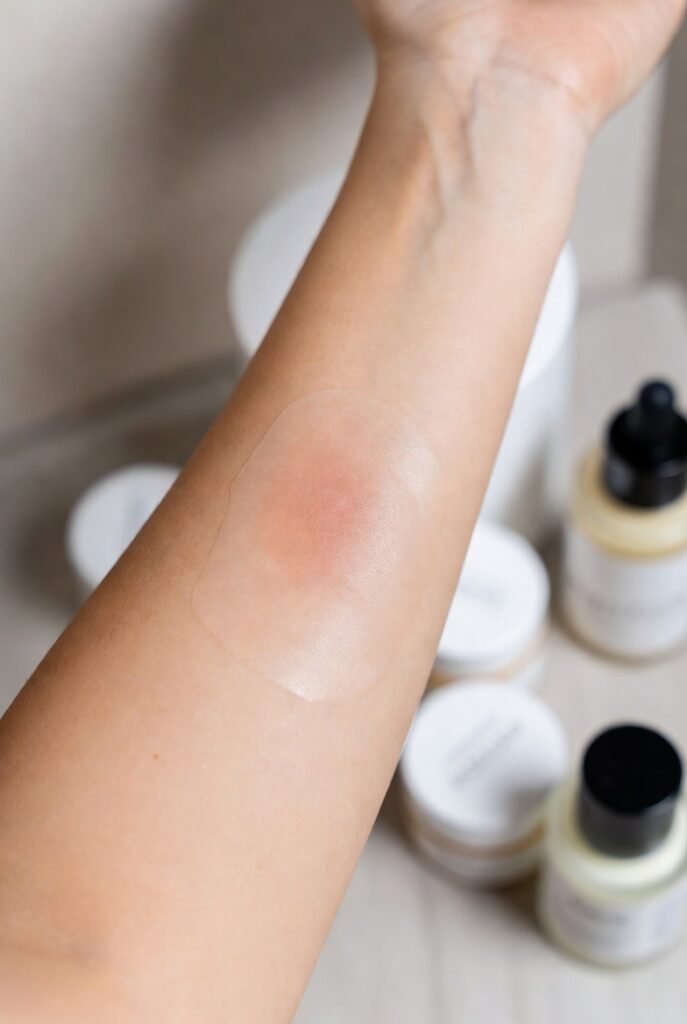
Never start multiple new products at once. If you have a reaction, you will not know which product caused it.
The safe method:
- Introduce one new product at a time.
- Use it for two weeks before adding another.
- Patch test on your inner arm or behind your ear. Wait 24 hours. If you see redness or bumps, do not use it on your face.
For retinoids (retinol, tretinoin):
- Start with once every 3-4 nights.
- Apply to completely dry skin (water increases absorption and irritation).
- Use the “sandwich method” : moisturizer, then retinol, then more moisturizer.
- Expect 4-6 weeks of adjustment (dryness, peeling, purging). Push through.
Where to Buy the Best Skin Care Products With Confidence
Here is where to shop safely.
- Target: Wide selection, frequent sales, easy returns.
- Walmart: Surprisingly good selection of drugstore brands.
- Ulta: Carries both drugstore and premium brands. Excellent return policy.
- Amazon: Convenient, but only buy from official brand stores (look for “Visit the [Brand Name] Store” link). Avoid third-party sellers.
- CVS/Walgreens: Good for emergency purchases. Use coupons.
Do not buy from: eBay, AliExpress, random Instagram shops, or websites that sell “wholesale” luxury products for 70% off. They are almost certainly counterfeit.
Frequently Asked Questions (FAQ)
1. What is the single best skin care product I can buy?
Sunscreen. Specifically, a broad spectrum SPF 30 or higher that you will actually wear every day. No other product prevents wrinkles, dark spots, and skin cancer as effectively as daily sunscreen.
2. Do I really need a separate serum, or is moisturizer enough?
Moisturizer hydrates and seals. Serums deliver concentrated active ingredients (vitamin C, retinol, niacinamide) that target specific concerns. You do not need a serum, but adding one is the fastest way to see improvement.
3. How much should I spend on skin care products?
You can build a complete, dermatologist-recommended routine for under 50:CeraVecleanser(15), The Ordinary niacinamide (6),CeraVemoisturizer(16), and Neutrogena sunscreen (10).Thatis47 total.
4. Can men use the same skin care products as women?
Yes. Skin is skin. Men’s skin is slightly thicker and oilier, but the same ingredients (ceramides, hyaluronic acid, retinol, vitamin C, sunscreen) work for everyone. Ignore gendered marketing.
5. How long do skin care products last before expiring?
Unopened: 2-3 years (check the bottle for a date). Opened: Most products have a small jar icon on the back with a number (like “12M” or “6M”)—that is how many months they are good for after opening. Sunscreen expires faster; replace it every 12 months.
Conclusion
I still have a drawer full of those expensive, useless products I bought years ago. They sit there as a reminder of how much money I wasted chasing magic in a bottle.
The truth is, the best skin care products are not the most expensive ones. They are the ones with the right ingredients—ceramides, niacinamide, hyaluronic acid, retinol, vitamin C, and zinc oxide—used consistently, every single day.
Start with the Core Four: a gentle cleanser, a moisturizer, a sunscreen, and one treatment serum (vitamin C for mornings, retinol for nights, or niacinamide for all-around). Buy from CeraVe, The Ordinary, Timeless, La Roche-Posay, or Vanicream. Ignore the hype. Ignore the fancy packaging. Ignore the “medical grade” marketing.
In one month, your skin will look better. In three months, you will wonder why you ever bought expensive products. And in one year, you will have saved hundreds of dollars without sacrificing an ounce of results.
Your best skin is not hiding behind a 200pricetag.Itissittingontheshelfatyourlocaldrugstoreforunder20. Go ahead and buy the best skin care products today. Your face—and your wallet—will thank you.