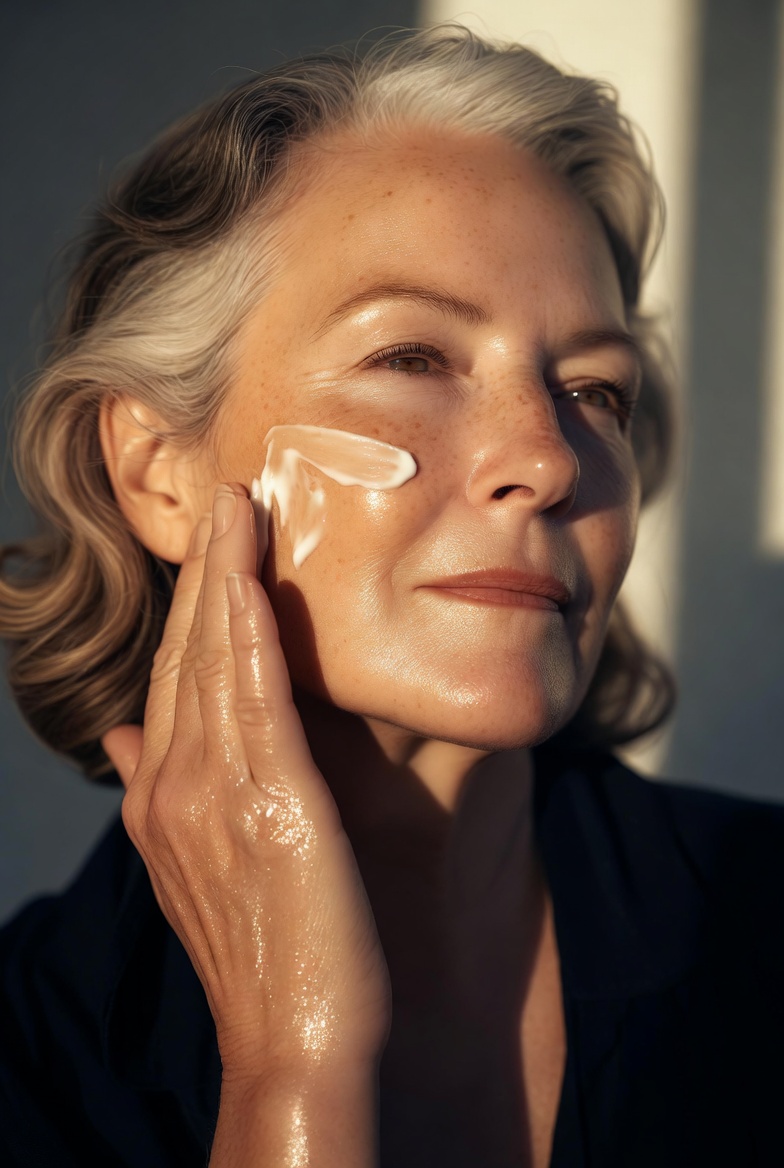

Let me take you back to the winter my skin turned into sandpaper. I was living in a small apartment with a radiator that clicked and hissed all night, blasting dry heat into every room. Every morning, I would wake up, touch my cheeks, and feel… scales. Not pimples. Not oil. Actual rough, flaky patches that looked like dandruff on my face.
Worse, my makeup looked terrible. Foundation clung to every dry flake like paint on chipping plaster. Powder made me look dusty. And smiling actually hurt because the skin around my mouth was so tight.
I tried everything. I slathered on body lotion (bad idea, it broke me out). I used my summer gel moisturizer (it evaporated in ten minutes). I even tried coconut oil (hello, cystic acne). Nothing worked because I did not understand one simple truth: Dry skin needs a completely different type of moisturizer than normal or oily skin.
After years of trial, error, and many red, stinging mornings, I have finally found the best moisturizer for dry skin. Today, I am going to share everything I learned. You will learn which ingredients actually hydrate, which ones are a waste of money, and how to build a routine that leaves your skin soft, comfortable, and flake-free. Let us get started.
Why Your Skin Is So Dry (And Why Regular Lotion Fails)
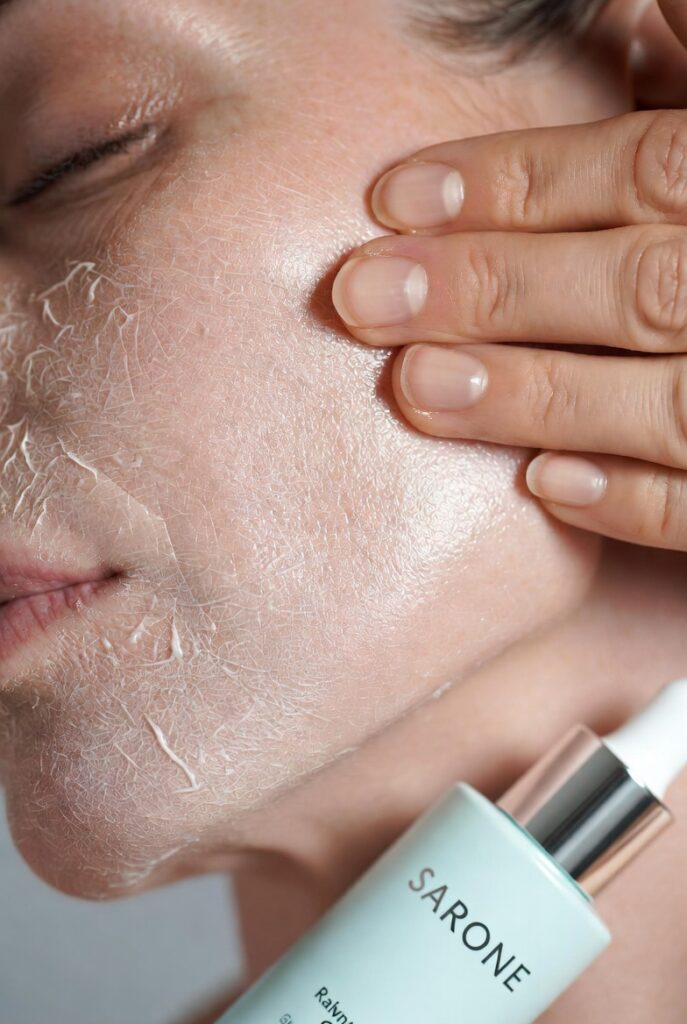
First, let us understand what is happening. Dry skin happens when your skin barrier—the protective outer layer that holds moisture in and keeps irritants out—is damaged or compromised.
Think of your skin barrier like a brick wall. The skin cells are the bricks, and lipids (fats like ceramides, cholesterol, and fatty acids) are the mortar holding them together. When that mortar cracks or crumbles, water escapes through the gaps. This is called transepidermal water loss (TEWL)—a fancy way of saying “your moisture is running away.”
When your barrier is broken, three things happen:
- Water leaves your skin, leaving it tight and flaky.
- Irritants enter your skin, causing redness and stinging.
- Your skin overcompensates by producing more oil in some areas, leading to the confusing “dry but also oily” combination.
Here is the problem with regular lotions: They are mostly water. They evaporate quickly, leaving your skin just as dry as before—sometimes drier, because the evaporation can pull more water out with it.
The best moisturizer for dry skin does three specific jobs:
- Pulls water in (using humectants like hyaluronic acid and glycerin)
- Fills the cracks (using emollients like ceramides and shea butter)
- Seals everything shut (using occlusives like petrolatum and squalane)
Most cheap lotions only do the first job. That is why they fail.
The Holy Trinity: Ingredients the Best Moisturizer for Dry Skin Must Have
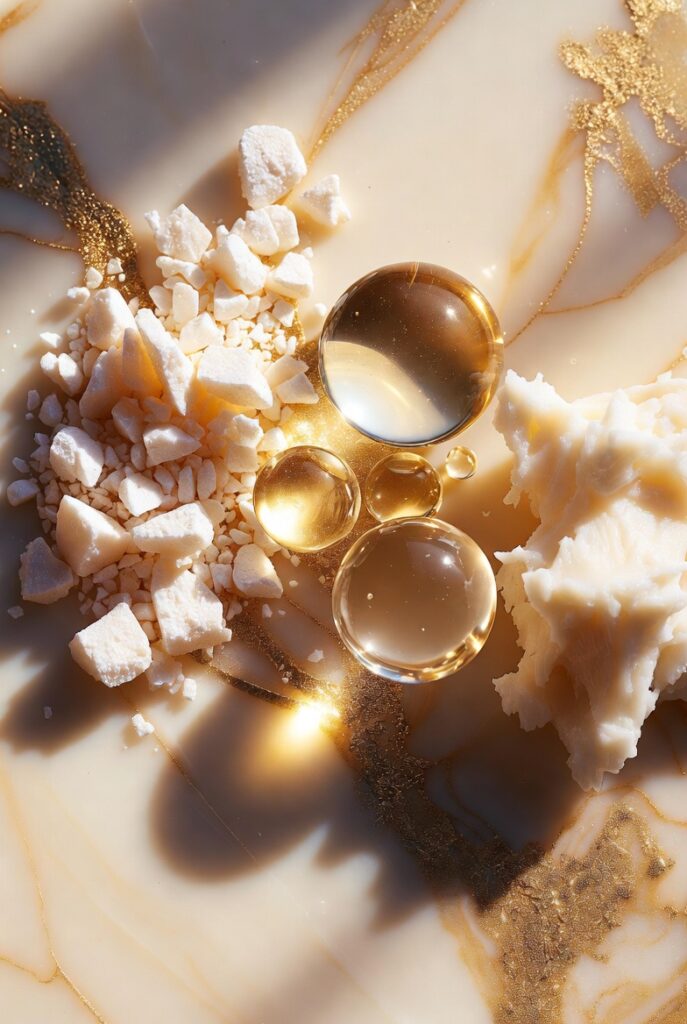
When you flip over a bottle and read the label, look for these three categories of ingredients. A truly effective moisturizer for dry skin will have all three.
1. Humectants (The Water Pullers)
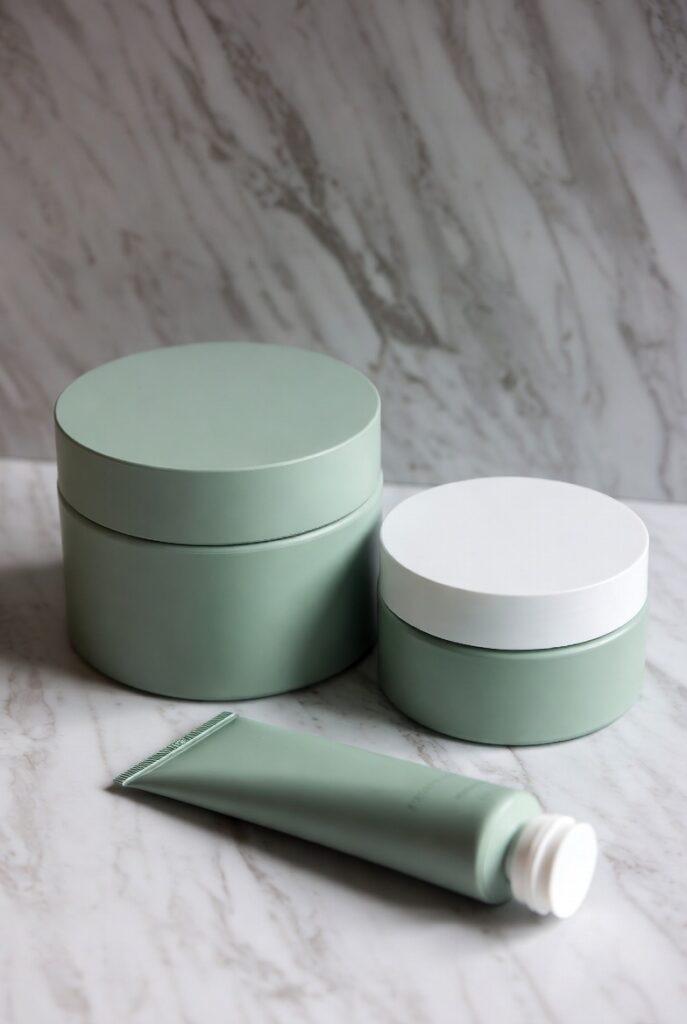
What they do: Humectants attract water from the air and from the deeper layers of your skin, pulling it up to the surface where you need it.
Key ingredients to look for:
- Hyaluronic acid: Holds 1,000 times its weight in water. Apply to damp skin for best results.
- Glycerin: A classic, affordable humectant found in almost every good moisturizer.
- Urea: Especially good for extremely dry, cracked skin on the body.
- Aloe vera: Gentle and soothing, great for sensitive dry skin.
How to spot them: Look for “sodium hyaluronate” (a form of hyaluronic acid), “glycerin,” or “urea” in the first five ingredients.
2. Emollients (The Crack Fillers)
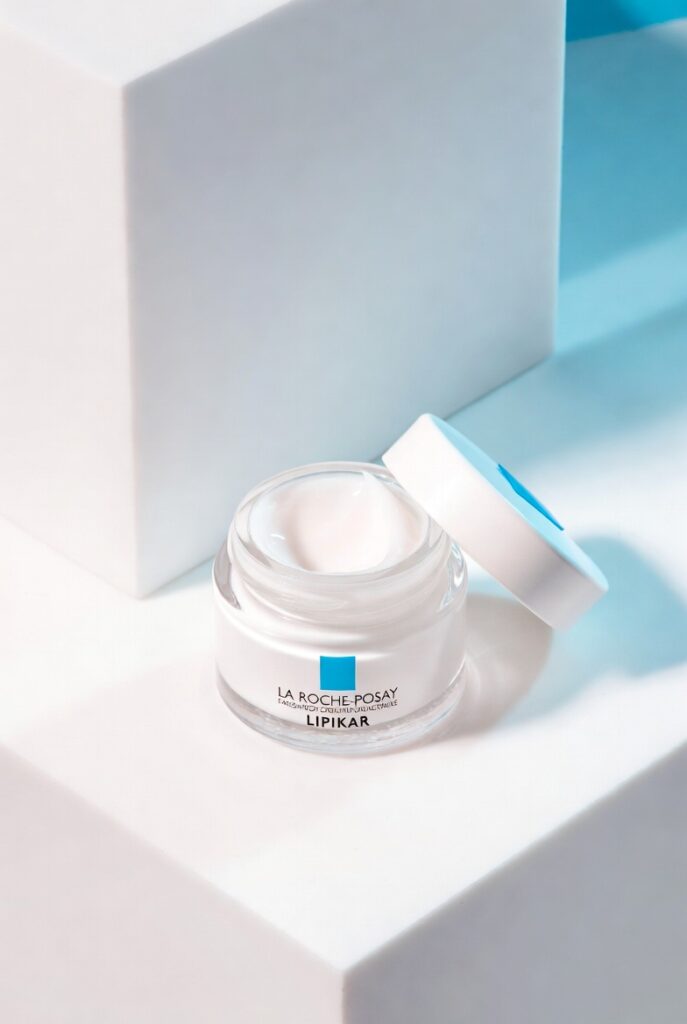
What they do: Emollients fill the spaces between your skin cells, smoothing out rough, flaky patches. They make your skin feel soft to the touch.
Key ingredients to look for:
- Ceramides: These are the actual lipids that make up your skin barrier. Replacing them is essential for repair.
- Shea butter: A natural fat that is rich in fatty acids. Deeply softening.
- Squalane: An oil that mimics your skin’s natural sebum. It absorbs quickly without feeling greasy.
- Jojoba oil: Very similar to human sebum; great for dry skin that is also acne-prone.
How to spot them: Look for “ceramide NP,” “ceramide AP,” “butyrospermum parkii (shea) butter,” or “squalane.”
3. Occlusives (The Sealers)
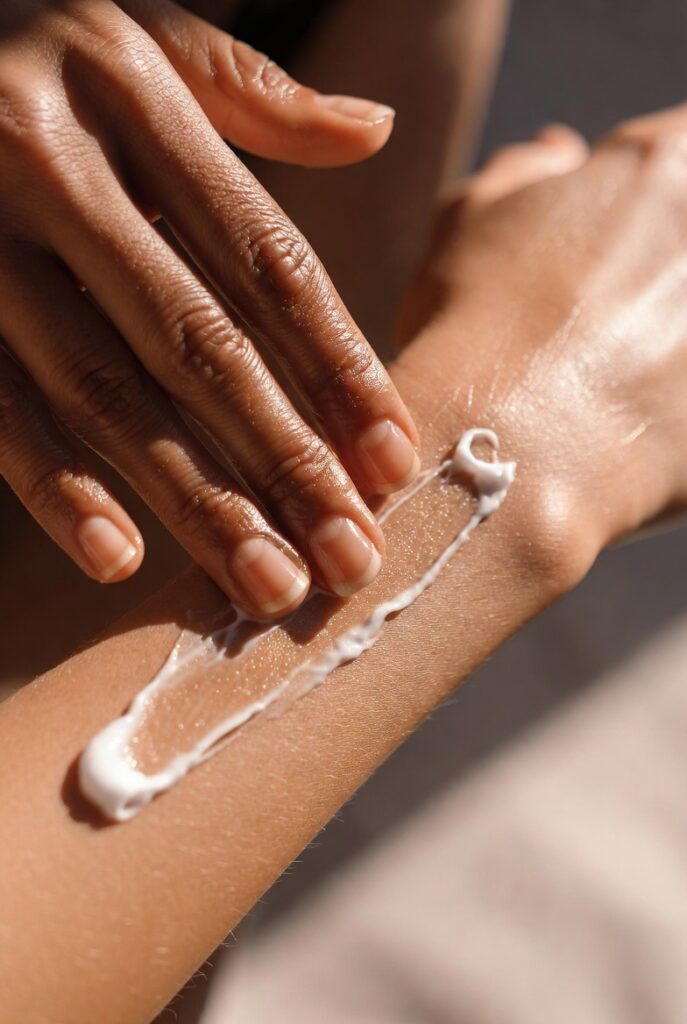
What they do: Occlusives create a physical barrier on top of your skin that locks water in. Think of them as a lid on a pot of water—without the lid, the water evaporates.
Key ingredients to look for:
- Petrolatum (petroleum jelly): The most effective occlusive on the planet. It reduces water loss by 99%. Non-comedogenic (does not clog pores) despite what you have heard.
- Dimethicone: A silicone that creates a breathable barrier. Feels silky and non-greasy.
- Mineral oil: Refined, safe, and effective. Do not believe the myths—it does not clog pores.
- Beeswax: A natural occlusive, great for lip balms and thicker creams.
How to spot them: Look for “petrolatum,” “dimethicone,” “paraffinum liquidum” (mineral oil), or “cera alba” (beeswax).
The Best Moisturizer for Dry Skin (Top Picks by Category)
After testing dozens of products and reading hundreds of dermatologist reviews, here are my top recommendations for the best moisturizer for dry skin.
Best Overall (Dermatologist Favorite)
CeraVe Moisturizing Cream (The Blue Tub)
This is the gold standard. It contains three essential ceramides, hyaluronic acid, and niacinamide (which calms redness and repairs the barrier). It is fragrance-free, non-comedogenic, and approved by the National Eczema Association.
Why it is great: It does all three jobs, humectant, emollient, occlusive, in one affordable tub. It is thick but absorbs surprisingly well. One tub lasts months.
Who should use it: Anyone with dry to very dry skin. Also great for eczema, psoriasis, and sensitive skin.
Price: Around $16 for 16 ounces (a massive tub).
Where to buy: Drugstores, Target, Walmart, Amazon (official store).
Best for Face (Lighter Texture)
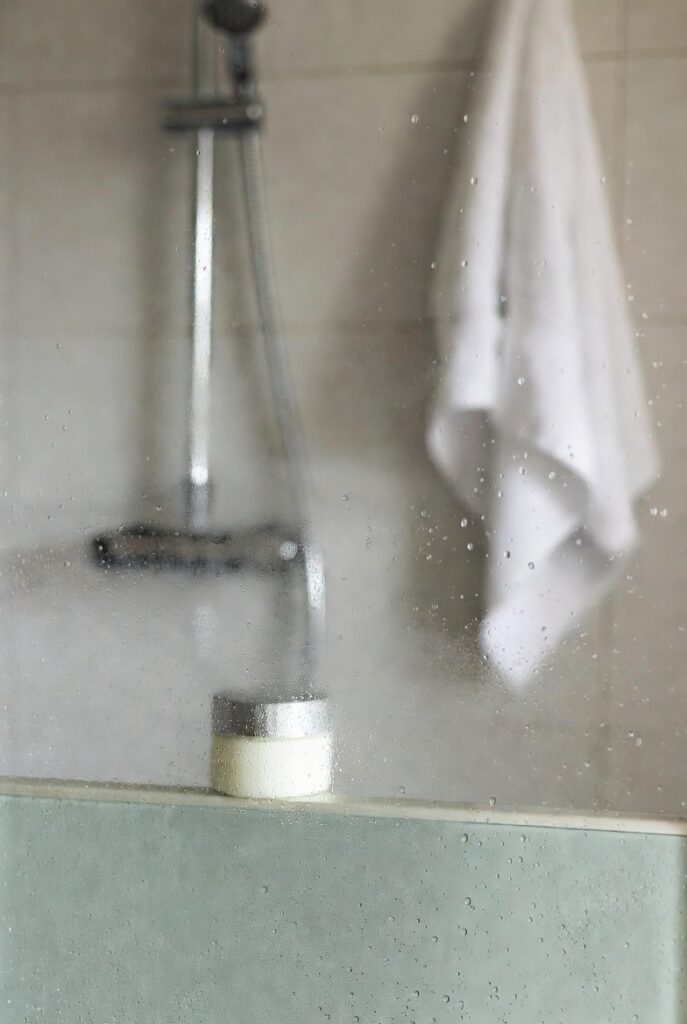
La Roche-Posay Lipikar AP+M Triple Repair Moisturizing Cream
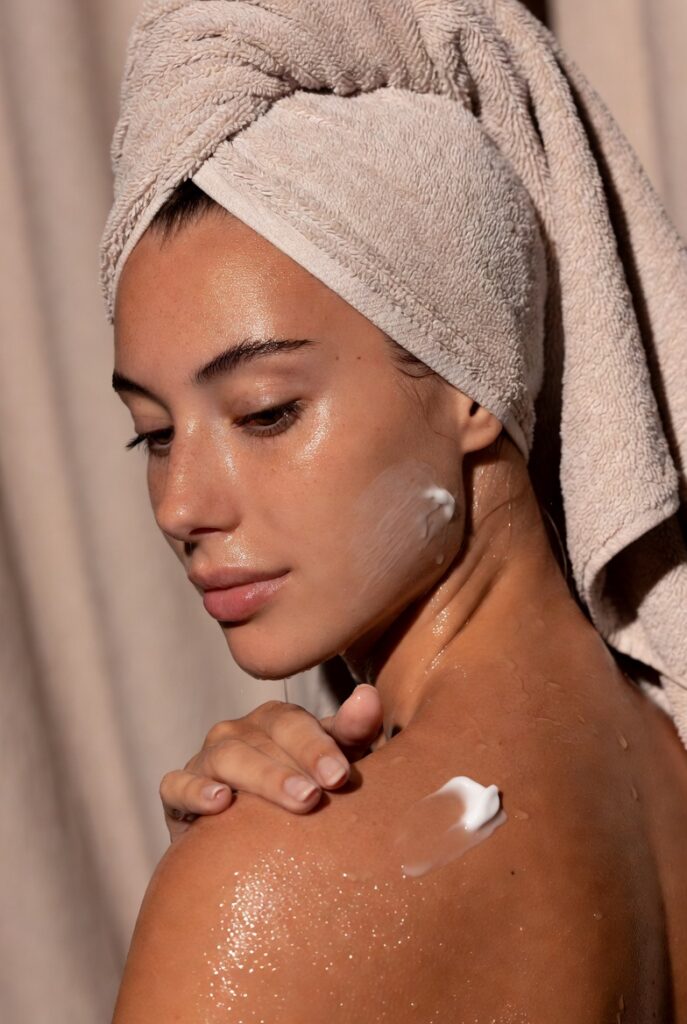
This cream was originally designed for body, but it has become a cult favorite for dry facial skin. It contains shea butter, niacinamide, and Aqua Posae Filiformis (a prebiotic that balances the skin microbiome).
Why it is great: It is thicker than CeraVe but absorbs faster. It is the only moisturizer that has ever stopped my winter flaking completely.
Who should use it: Extremely dry, sensitive, or eczema-prone skin on both face and body.
Price: Around $20 for 13.5 ounces.
Best Budget Pick
Vanicream Moisturizing Cream
Vanicream is the brand that dermatologists recommend when patients react to everything else. It has no fragrances, no dyes, no lanolin, no parabens, and no formaldehyde-releasing preservatives.
Why it is great: It is boring. That is a compliment. It simply moisturizes without any potential irritants. If you have tried everything and your skin still stings, try Vanicream.
Who should use it: Extremely sensitive skin, allergy-prone skin, or anyone recovering from a damaged barrier.
Price: Around $15 for 16 ounces.
Best for Extremely Dry, Cracked Skin
Aquaphor Healing Ointment
Technically an ointment, not a cream, but it belongs on this list. Aquaphor is 41% petrolatum with added glycerin and panthenol (vitamin B5). It creates a waterproof seal that allows skin to heal underneath.
Why it is great: When your hands are bleeding from cracking or your lips are so dry they hurt, Aquaphor is the answer. It reduces water loss by nearly 99%.
Who should use it: Extremely dry patches (elbows, knees, hands, lips), post-procedure skin, or as a nighttime “slugging” layer over your regular moisturizer.
Price: Around $12 for a large tube.
Best Korean Beauty (K-Beauty) Pick
Illiyoon Ceramide Ato Concentrate Cream
Korean skincare is famous for barrier repair, and this cream is a cult favorite. It contains ceramides, cholesterol, and fatty acids—the exact three lipids your skin barrier needs to rebuild itself. It also has tiny ceramide capsules that burst when you apply them, releasing the ingredients exactly where they are needed.
Why it is great: It is thick and moisturizing but does not feel heavy. It dries down to a natural, non-greasy finish. Perfect for daytime use.
Who should use it: Anyone with dry or dehydrated skin who wants a cosmetically elegant texture.
Price: Around $25 for 200ml.
Best for Daytime Under Makeup
Kiehl’s Ultra Facial Cream
If you need a moisturizer for dry skin that will not make your foundation slide off or pill into little balls, this is it. It contains squalane, glycerin, and cryoprotectant (an ingredient derived from Antarctic sea ice that protects skin in extreme cold).
Why it is great: It absorbs completely within 60 seconds, leaving no residue. Makeup applies smoothly and stays put.
Who should use it: Dry skin that also wears makeup daily.
Price: Around $40 for 1.7 ounces (expensive, but many say it is worth it).
Step-by-Step Guide: How to Apply Moisturizer for Dry Skin
You can buy the best moisturizer for dry skin in the world, but if you apply it wrong, you will not get full results. Follow these steps.
Step 1: Use Lukewarm Water
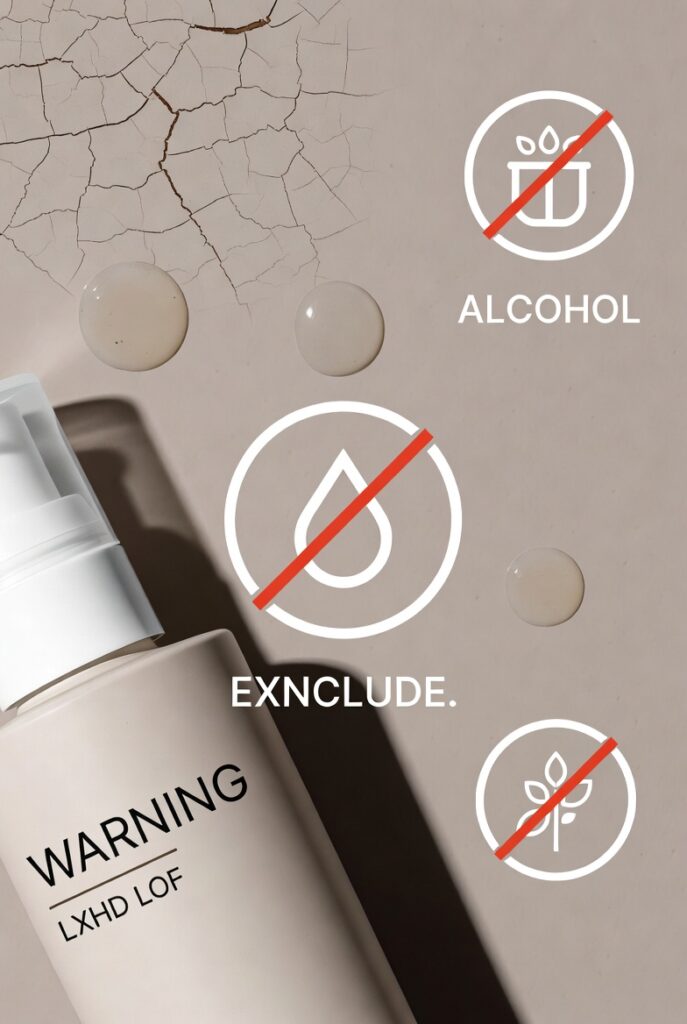
Hot water strips your skin’s natural oils. Wash your face and body with lukewarm water instead.
Step 2: Use a Gentle, Cream Cleanser

Avoid foaming or gel cleansers that contain sulfates (like sodium lauryl sulfate). They strip your barrier. Use a cream cleanser or oil cleanser instead.
Step 3: Pat Dry, Leaving Skin Damp
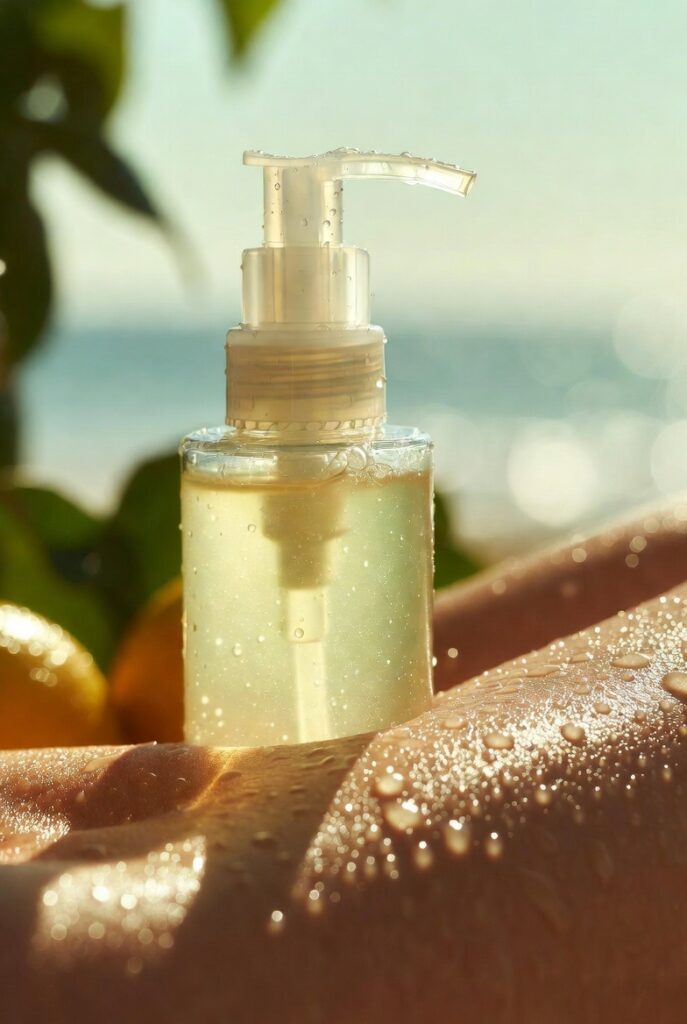
Do not rub your skin dry with a towel. Rubbing causes friction and irritation. Instead, pat your skin gently, leaving it slightly damp.
Step 4: Apply Moisturizer Within 60 Seconds
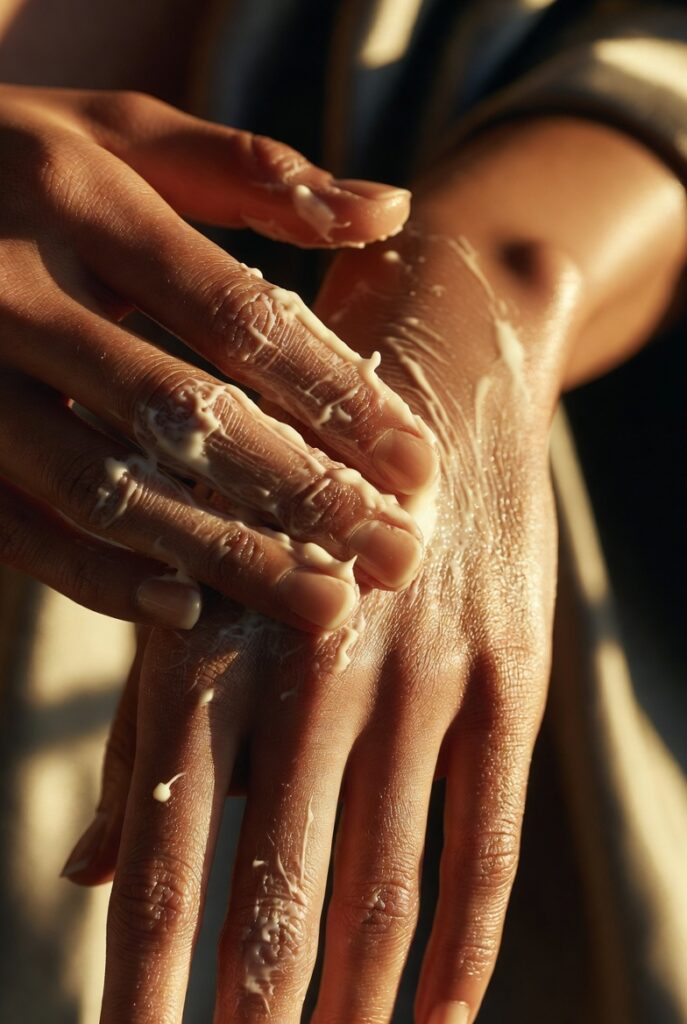
This is the “golden window.” When your skin is still damp, it absorbs moisturizer much better. Waiting until your skin is completely dry means you are sealing in less water.
Step 5: Use Enough Product
For your face, use a nickel-sized amount. For your body, use a golf-ball-sized amount per limb. Using too little is the #1 reason people think a moisturizer “does not work.”
Step 6: Apply Occlusive on Dry Patches (Nighttime)
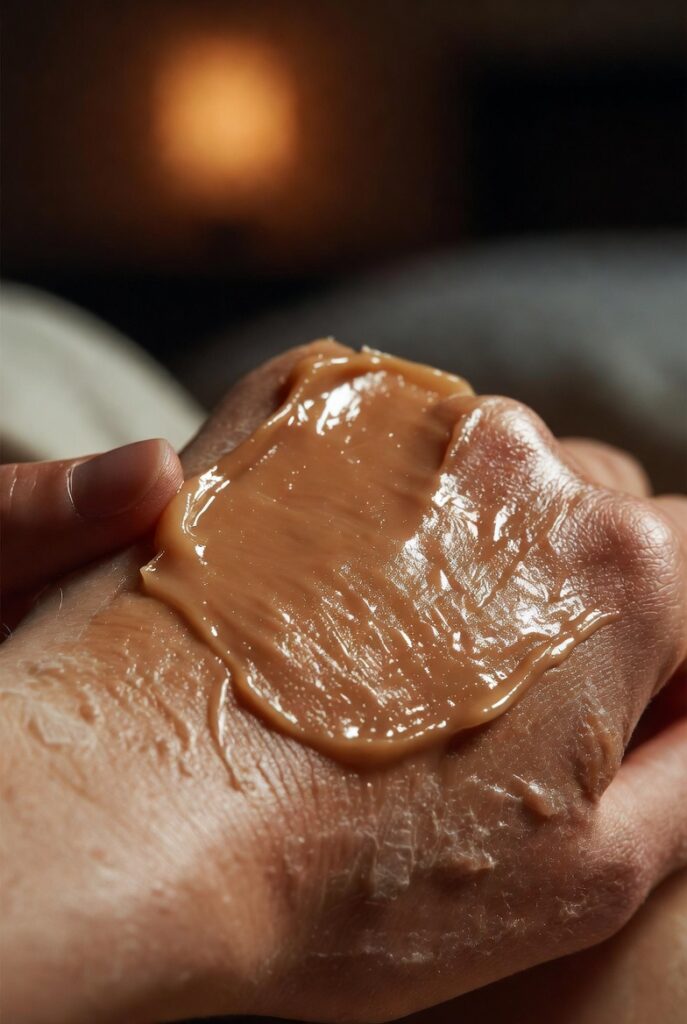
If you have extremely dry patches (elbows, knees, around your nose), apply a thin layer of petroleum jelly or Aquaphor on top of your moisturizer before bed. This is called slugging, and it heals dry patches overnight.
Body Care for Dry Skin (Do Not Forget Your Body)
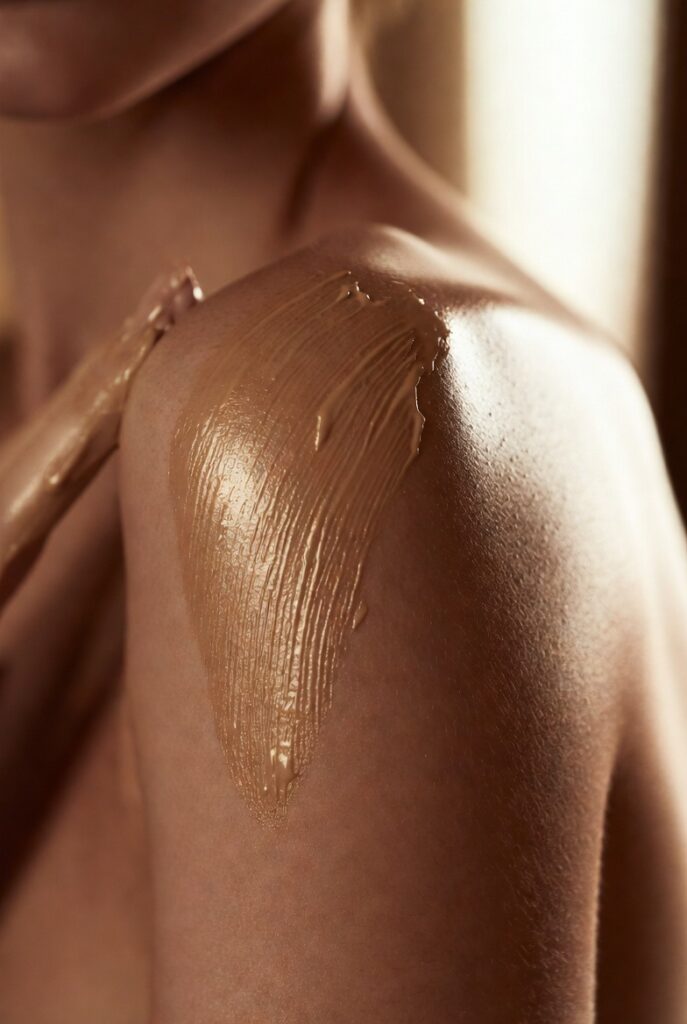
Your face is not the only thing that gets dry. Here is a quick body routine for dry skin.
In the Shower
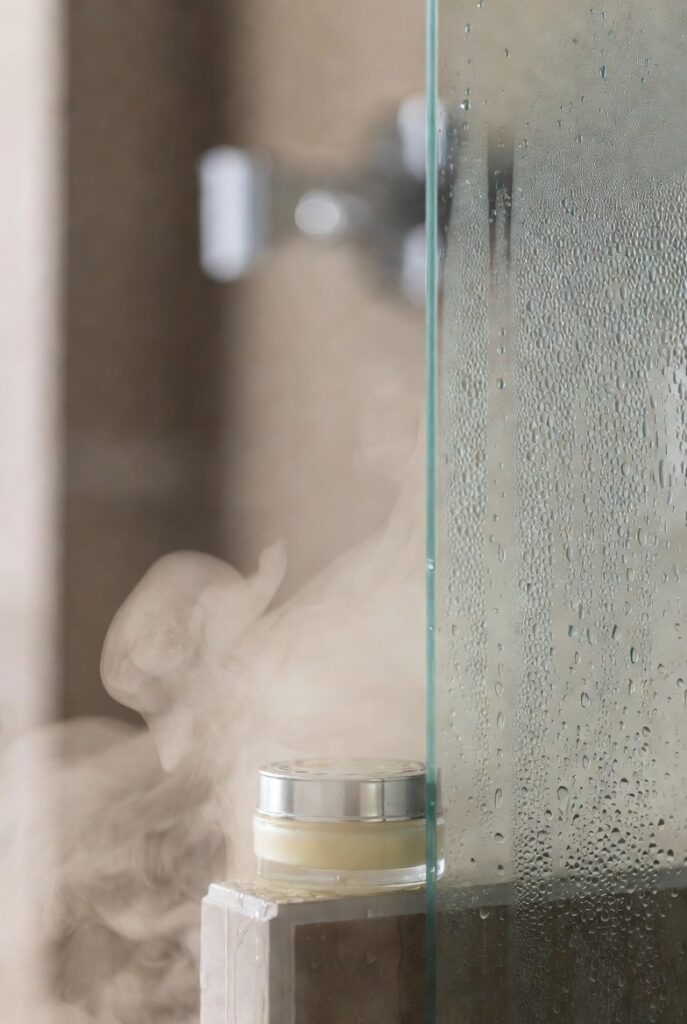
- Use cream-based body wash (not bar soap).
- Keep showers under 10 minutes.
- Use warm water, not hot.
- Pat dry with a towel (do not rub).
After the Shower (Within 3 Minutes)
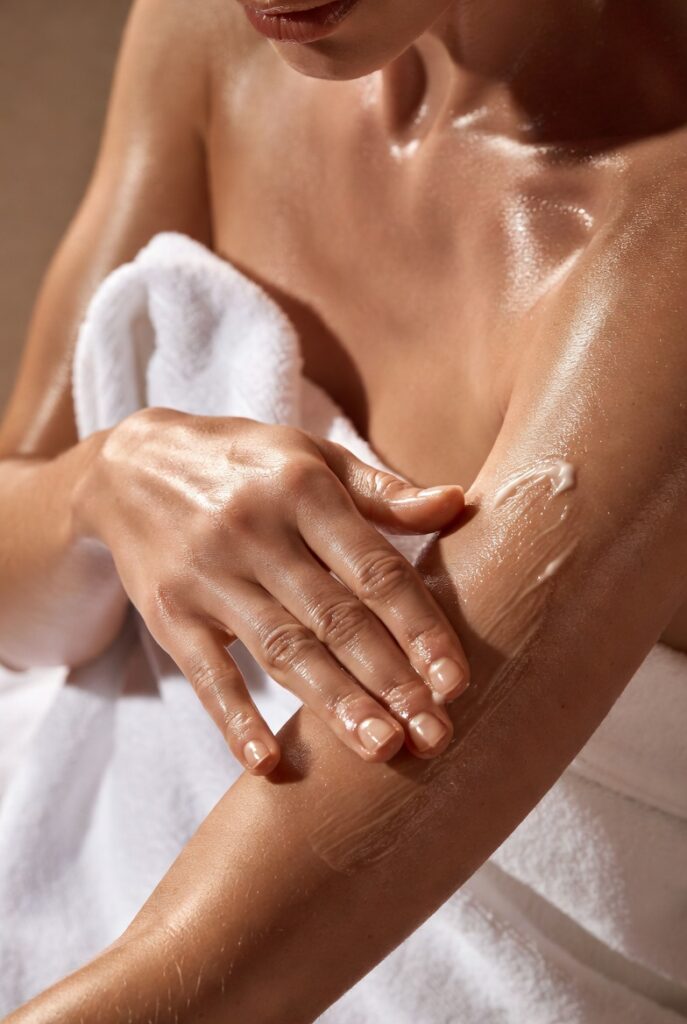
- Apply a thick body cream or body butter to damp skin.
- Pay special attention to elbows, knees, hands, feet, and shins.
- For extremely dry heels and elbows, apply Aquaphor and wear cotton gloves/socks overnight.
Best Body Moisturizers for Dry Skin
- CeraVe Moisturizing Cream (same as face—buy the big tub)
- La Roche-Posay Lipikar Balm AP+M
- Amlactin Daily Moisturizing Body Lotion (contains lactic acid to exfoliate and hydrate simultaneously)
- Eucerin Advanced Repair Cream (contains urea for extremely dry, rough skin)
Real-Life Anecdote: The “Slugging” Revelation
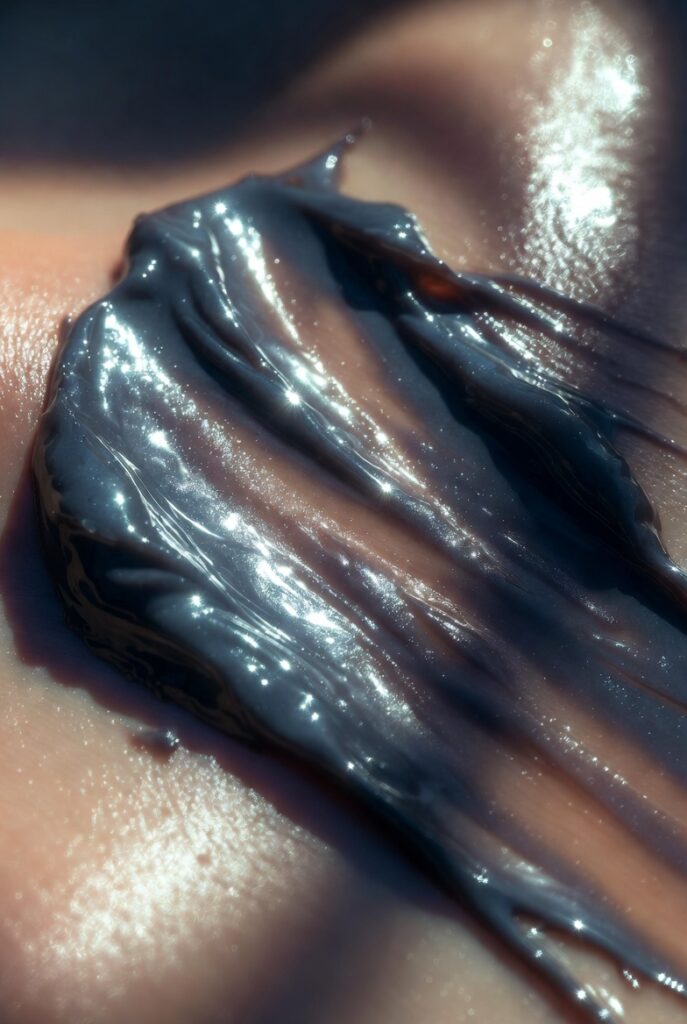
I used to wake up every winter morning with tight, flaky skin around my nose and mouth. No matter how much moisturizer I used at night, I would still have dry patches in the morning.
Then I read about slugging—the Korean beauty practice of applying a thin layer of petroleum jelly over your moisturizer at night. I was skeptical. I thought Vaseline would clog my pores and give me acne.
But I tried it. One night, after my regular moisturizer, I patted a pea-sized amount of CeraVe Healing Ointment (similar to Vaseline but with added ceramides) onto my dry patches. I went to sleep feeling slightly greasy.
The next morning, I looked in the mirror and gasped. My dry patches were gone. Completely. My skin was soft, smooth, and hydrated. I have been slugging every winter night since, and I have never had a flaky morning again.
Important: Slugging works best on dry skin. If you have oily or acne-prone skin, skip the nose and forehead, or avoid slugging entirely.
What to Avoid (The Dry Skin Traps)
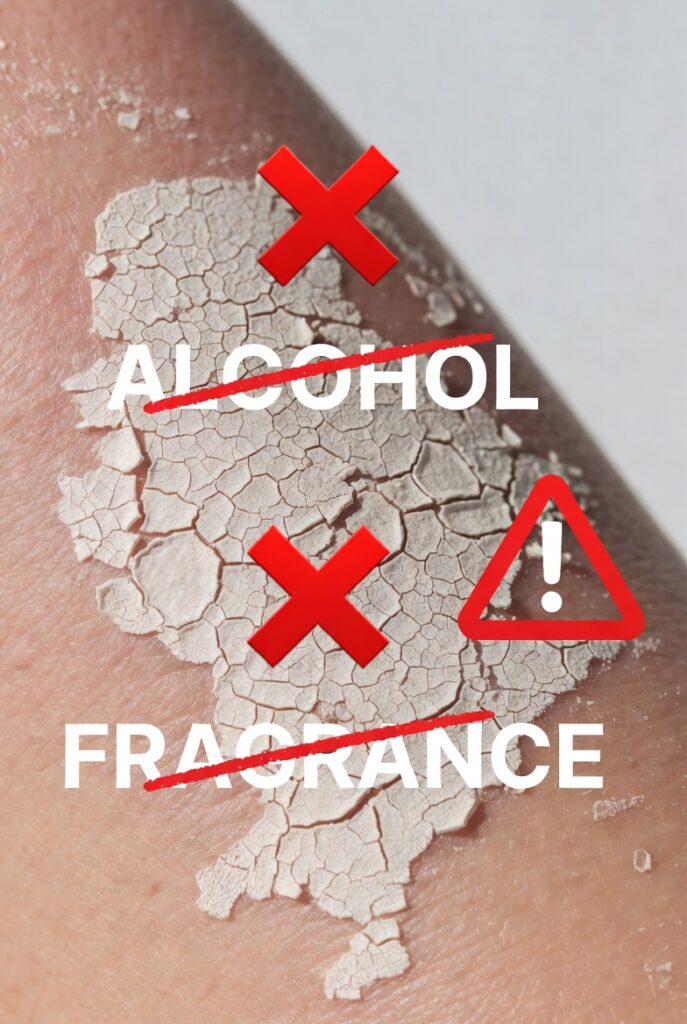
Not all products are your friend. Here is what to skip when you have dry skin.
| Avoid This | Why |
|---|---|
| Foaming cleansers with sulfates | Strip your natural oils, making dryness worse |
| Alcohol-based toners or mists | Evaporate immediately, taking water with them |
| Fragrance (parfum) | Irritates already-sensitive dry skin |
| Clay masks | Suck every drop of oil out of your skin. Save these for summer. |
| Physical scrubs (apricot scrub, walnut shell) | Create micro-tears that damage the barrier further |
| “Mattifying” or “oil-control” products | Designed for oily skin; will dry you out even more |
Seasonal Adjustments for Dry Skin
Your skin’s needs change with the weather. Here is how to adjust your moisturizer for dry skin throughout the year.
Winter (The Danger Zone)
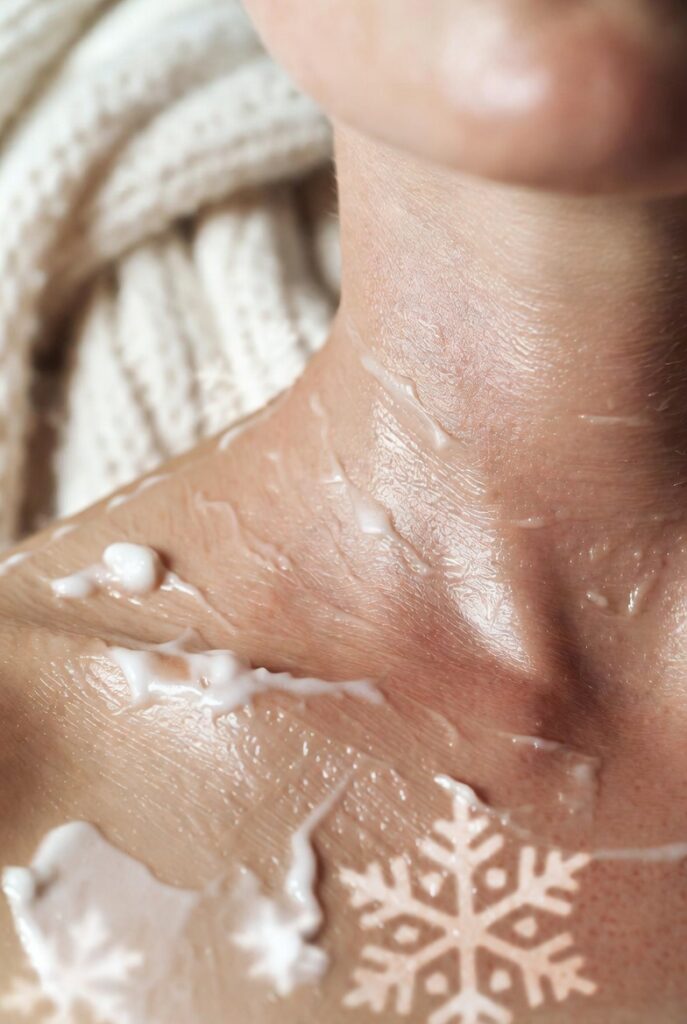
- Use your thickest cream (CeraVe tub or La Roche-Posay Lipikar).
- Slug 2-3 nights per week (petroleum jelly over moisturizer).
- Use a humidifier in your bedroom while you sleep.
- Apply moisturizer immediately after every hand wash.
Summer (Lighter but Still Hydrating)
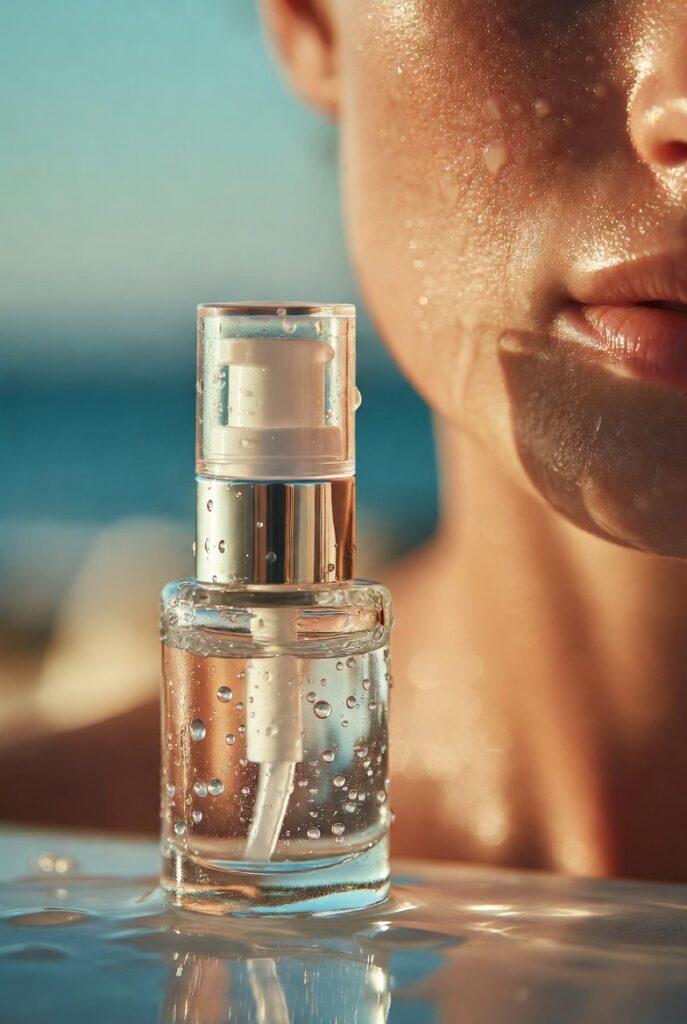
- Switch to a lighter cream (Kiehl’s Ultra Facial or a gel-cream hybrid).
- Continue using sunscreen (dry skin still burns).
- You may skip slugging unless you have air conditioning blasting all night.
Anecdote: The Hand Cream Epiphany (Again)
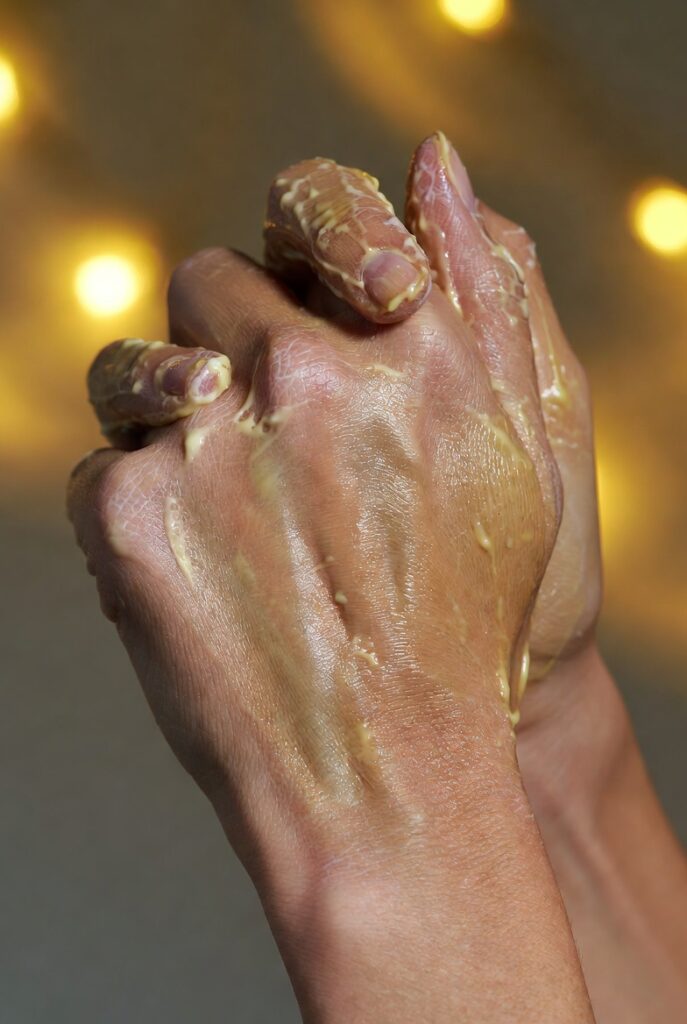
Last winter, my hands were so dry that my knuckles cracked and bled every time I washed them. I tried keeping lotion by the sink, but I always forgot to use it.
Then my dermatologist gave me a simple rule: Keep a tube of thick cream in every place you wash your hands. I put one tube by the kitchen sink, one in my bathroom, one in my car, and one in my desk at work.
Now, every time I wash my hands, I see the tube and apply moisturizer within 60 seconds. Within two weeks, the cracks healed. Within a month, my hands were soft for the first time in years.
The lesson? Consistency beats intensity. A cheap moisturizer used every time is better than an expensive one used once a day.
How to Buy the Best Moisturizer for Dry Skin With Confidence
Here is how to avoid wasting money on products that do not work.
- Look for the National Eczema Association Seal. Products with this seal have been tested and approved for sensitive, dry skin.
- Buy from reputable retailers. Target, Walmart, CVS, Walgreens, Ulta, and Amazon official brand stores are safe. Avoid eBay and random websites.
- Check the expiration date. Moisturizers with active ingredients (like ceramides and niacinamide) degrade over time.
- Use return policies. Most major retailers accept returns on used skincare. If a moisturizer burns or breaks you out, send it back.
- Ignore “natural” marketing. “Natural” does not mean better. Poison ivy is natural. Many effective synthetic ingredients (like petrolatum and dimethicone) are safe and work extremely well.
Frequently Asked Questions (FAQ)
1. What is the single best moisturizer for dry skin overall?
CeraVe Moisturizing Cream (the blue tub) . It contains three essential ceramides, hyaluronic acid, and niacinamide. It is affordable, fragrance-free, non-comedogenic, and recommended by virtually every dermatologist.
2. How is moisturizer for dry skin different from regular lotion?
Lotions are mostly water with a little oil. They evaporate quickly. Creams and ointments have a higher oil-to-water ratio, which means they hydrate longer and seal the skin better. For dry skin, cream is better than lotion .
3. Should I use a moisturizer for dry skin if I also have acne?
Yes, but choose carefully. Look for “non-comedogenic” on the label (means it will not clog pores). CeraVe Moisturizing Cream and La Roche-Posay Lipikar are both non-comedogenic. Avoid coconut oil and heavy occlusives on acne-prone areas.
4. Why does my skin still feel dry after moisturizing?
Three possible reasons: (1) You are not using enough product. (2) You are applying to dry skin instead of damp skin. (3) Your moisturizer lacks occlusives (sealers). Try applying to damp skin, using a thicker cream, or adding a layer of petroleum jelly on top.
5. Can I use body lotion on my face to save money?
Not recommended. Body lotions are often thicker, contain fragrances, and use ingredients that can clog facial pores. Stick with products labeled for the face. That said, CeraVe Moisturizing Cream works on both face and body, so you can buy one tub for everything.
Conclusion
I still remember that winter morning when my face felt like sandpaper. I was embarrassed, uncomfortable, and frustrated. But that experience pushed me to learn the science of dry skin—and that knowledge changed everything.
The best moisturizer for dry skin is not the most expensive one. It is the one that contains ceramides to repair your barrier, hyaluronic acid to pull in water, and petrolatum or dimethicone to seal it all shut. It comes in a tub or a tube—not a pump bottle (pumps are usually for lighter lotions).
Start with CeraVe Moisturizing Cream. It is affordable, effective, and available at any drugstore. Apply it to damp skin within 60 seconds of washing. At night, add a thin layer of petroleum jelly over your dry patches. Use a humidifier in your bedroom during winter.
In one week, your skin will feel different. In one month, you will wonder why you waited so long.
Do not suffer through another flaky, tight, uncomfortable day. Go ahead and buy that moisturizer for dry skin today. Your skin is thirsty. Give it what it needs.