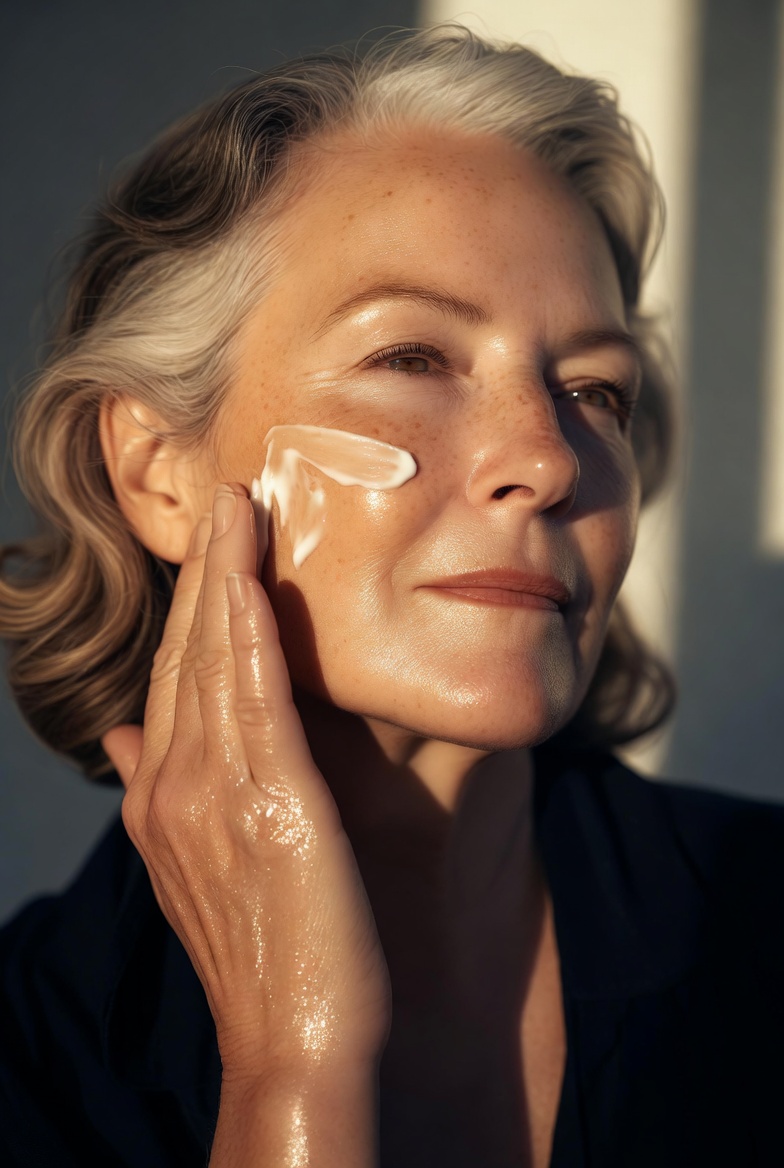

The Real Guide to Choosing an Anti Aging Cream That Work
Let me tell you about the morning I saw my grandmother in the mirror. I was 34 years old, standing in my bathroom with my morning coffee, when I noticed them: fine lines around my eyes that looked like tiny crow’s feet, two deep creases between my eyebrows that did not go away when I stopped frowning, and a general “sag” around my jawline that had definitely not been there the year before.
I panicked. I ran to my medicine cabinet and pulled out every moisturizer I owned. None of them said “anti aging.” None of them had retinol or peptides or any of the words I vaguely remembered hearing about. I had been using basic lotion for years, thinking that “moisture is enough.”
It was not.
That day, I fell down a rabbit hole of research. I read dermatology studies, watched ingredient breakdowns, and spent way too much money on creams that promised the moon but delivered very little. Three years later, I have finally figured out what actually works—and what is just expensive water in a fancy jar.
Today, I am going to share everything I learned about choosing an anti aging cream that delivers real results. You will learn which ingredients actually fight wrinkles, how to use them correctly, and how to avoid wasting money on products that do nothing. Let us get started.
First, Understand How Skin Ages (So You Can Fight It)
Before you can choose the right anti aging cream, you need to know what you are fighting against. Skin aging happens in two ways.
Intrinsic aging (genetic): This is the natural aging process written into your DNA. Around age 25, your collagen production drops by about 1% every year. By age 40, you have lost a significant amount of the structural support that keeps skin firm and bouncy.
Extrinsic aging (environmental): This is the part you can control. The biggest culprit is sun exposure (photoaging), which causes up to 90% of visible skin aging. Other factors include pollution, smoking, poor diet, lack of sleep, and repeated facial expressions (those “11” lines between your eyebrows come from squinting and frowning).
The good news? You cannot change your genetics, but you can absolutely fight extrinsic aging. And the right anti aging cream can also help slow intrinsic aging by stimulating collagen production and protecting your skin barrier.
The Gold Standard Ingredients in Any Real Anti Aging Cream
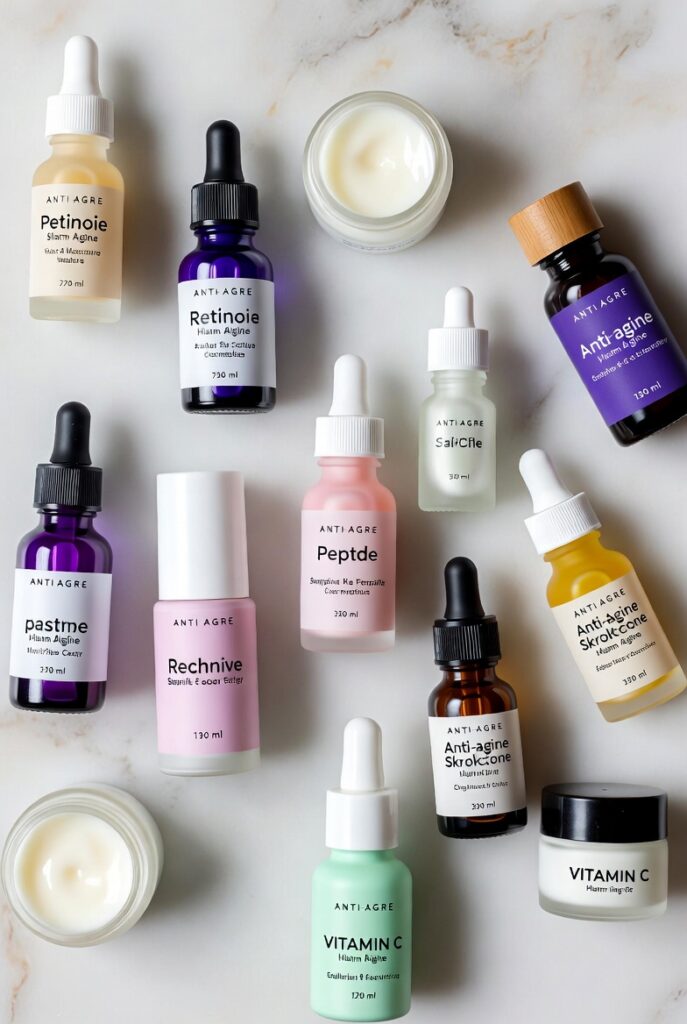
Not all anti aging products are created equal. If you look at the label of a truly effective anti aging cream, you will find one or more of these proven ingredients. Here is what they do and how to use them.
1. Retinoids (The Wrinkle Eraser)
What they do: Retinoids (including retinol, retinaldehyde, and prescription tretinoin) are the most researched, most effective anti aging ingredients in existence. They work by speeding up skin cell turnover, boosting collagen production, and thickening the deeper layers of your skin .
How they work: Think of your skin like a mattress. Over time, the springs (collagen) get loose and the top fabric (surface skin) gets thin and wrinkled. Retinoids tighten the springs and plump up the fabric simultaneously. No other ingredient does both.
How to use them: Use only at night because sunlight deactivates them. Start with a low concentration (0.25% or 0.3%) applied every 2-3 nights. Your skin needs 4-6 weeks to adjust. Common side effects include dryness, peeling, and purging (temporary breakouts). Push through—the results are worth it.
What to look for: Over-the-counter retinol (weaker) or prescription tretinoin (stronger). Brand names include Differin (adapalene) for anti-aging, or prescription-only Retin-A.
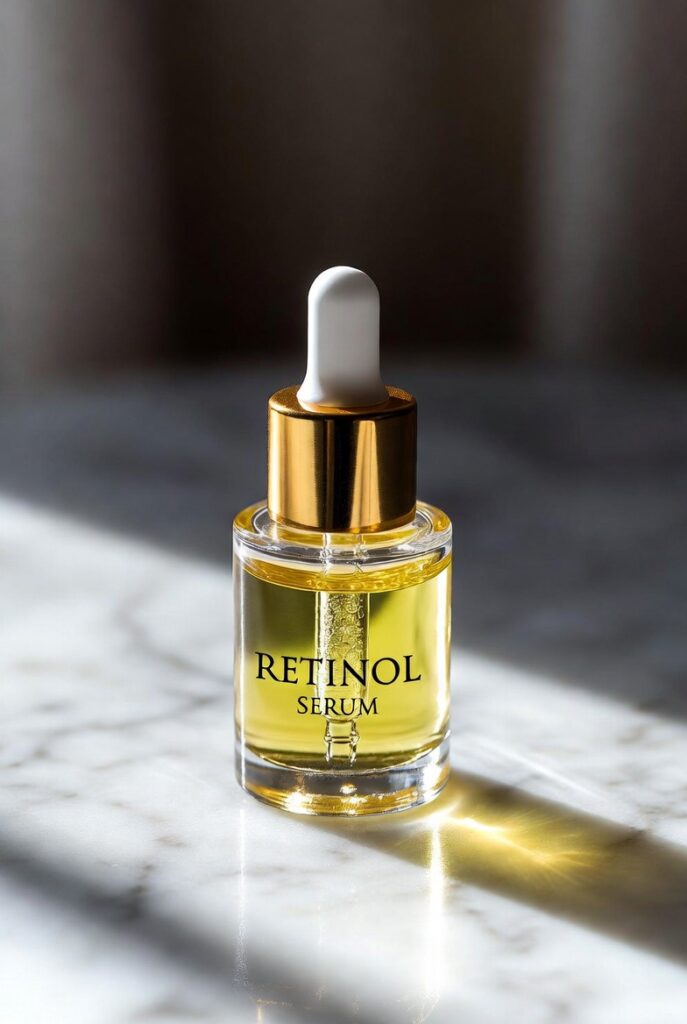
Product example: CeraVe Skin Renewing Retinol Serum (drugstore) or prescription tretinoin (see a dermatologist).
2. Peptides (The Collagen Communicators)
What they do: Peptides are short chains of amino acids that act as messengers, telling your skin to produce more collagen . Think of them as tiny foremen on a construction site, shouting, “Build more collagen here!”
How they work: As you age, your skin’s natural collagen production slows down because the communication signals get weaker. Peptides amplify those signals, tricking your skin into acting younger.
How to use them: Peptides are gentle and can be used morning and night. They work well with most other ingredients except low-pH acids (like straight vitamin C), which can break them down. Apply them on slightly damp skin for better absorption.
What to look for: Common peptides include Matrixyl, Copper Peptides, and Argireline (sometimes called “Botox in a jar” because it relaxes expression lines).
Product example: Olay Regenerist Micro-Sculpting Cream (affordable) or Drunk Elephant Protini Polypeptide Cream (luxury).
Also Read:The Ultimate Guide to the Best Moisturizer for Dry Skin
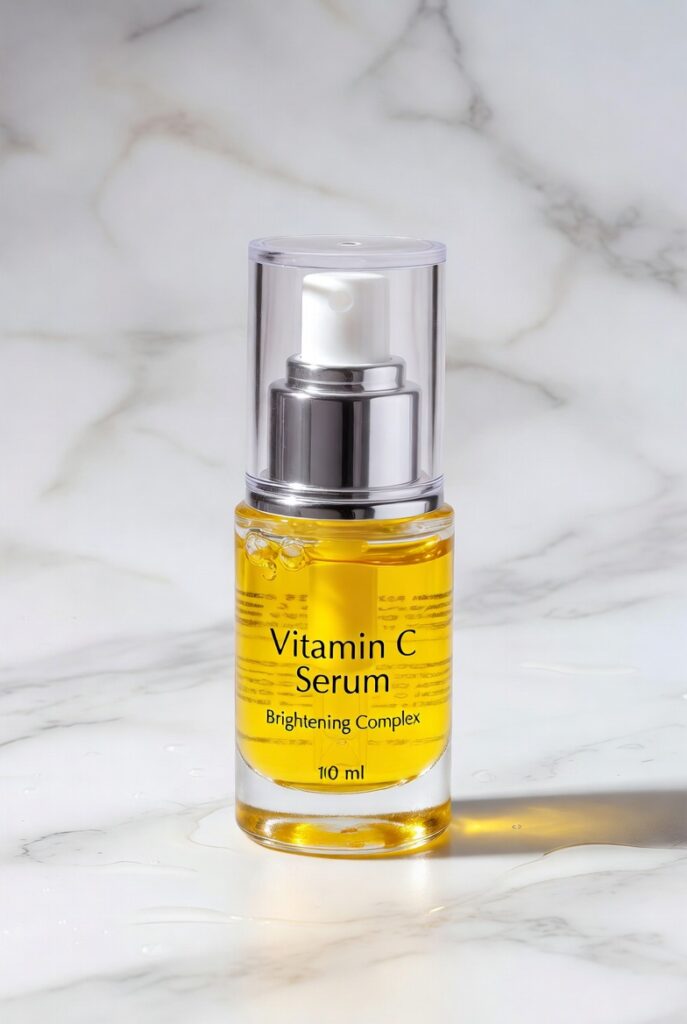
3. Vitamin C (The Brightening Protector)
What it does: Vitamin C is a powerful antioxidant that neutralizes free radicals (the unstable molecules caused by UV rays and pollution that tear apart collagen). It also boosts collagen production and fades dark spots .
How it works: Imagine free radicals are tiny wrecking balls swinging at your collagen. Vitamin C is the shield that catches them before they hit.
How to use it: Use in the morning under sunscreen. Look for L-ascorbic acid (the most effective form) in concentrations between 10% and 20%. Store it in a dark, cool place because it oxidizes quickly (it turns brown when it goes bad).
What to look for: A dark glass bottle with an airtight pump. Avoid clear bottles or jars—they let light and air in, destroying the vitamin C.
Product example: Timeless 20% Vitamin C + E Ferulic (affordable dupe of the $180 SkinCeuticals version).
4. Hyaluronic Acid (The Plumper)
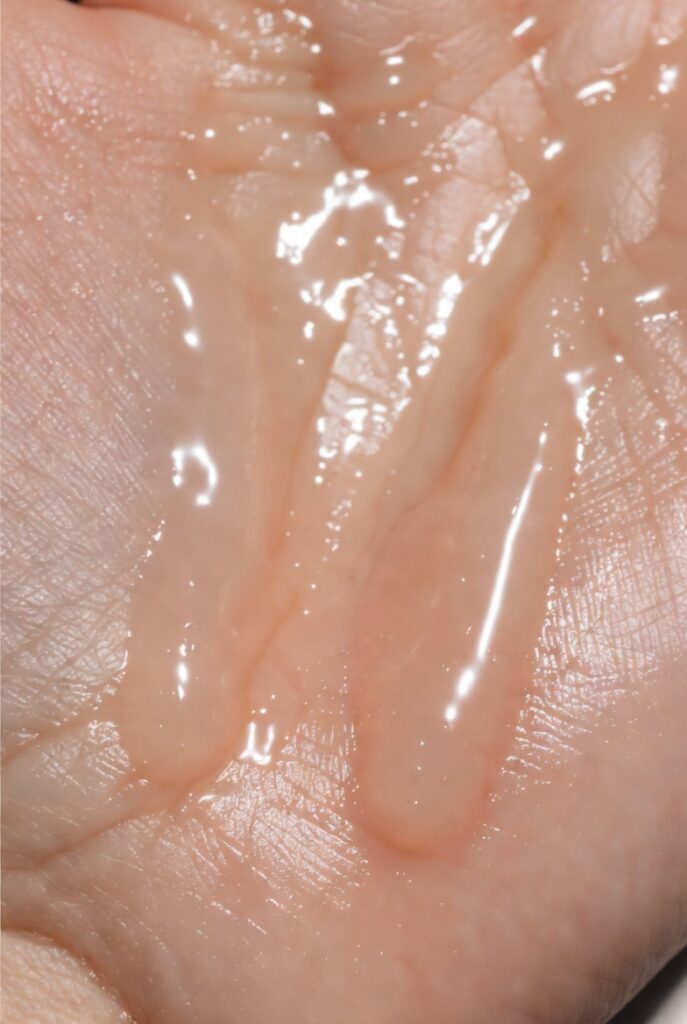
What it does: Hyaluronic acid is a molecule that holds up to 1,000 times its weight in water. It does not build collagen, but it plumps up your skin instantly, making fine lines look smoother .
How it works: Think of it as a sponge. When you apply it to damp skin, it grabs that water and holds it in your skin’s surface layers, creating a temporary “plump” effect that smooths out wrinkles.
How to use it: Apply to damp skin (not dry). If you put it on dry skin in a dry environment, it can actually pull water out of your skin. Always follow with a moisturizer to seal it in.
What to look for: Multiple molecular weights (low, medium, high) penetrate different layers of skin. Most good serums include a blend.
Product example: The Ordinary Hyaluronic Acid 2% + B5 (under $10) or Vichy Mineral 89.
5. Niacinamide (The Barrier Builder)
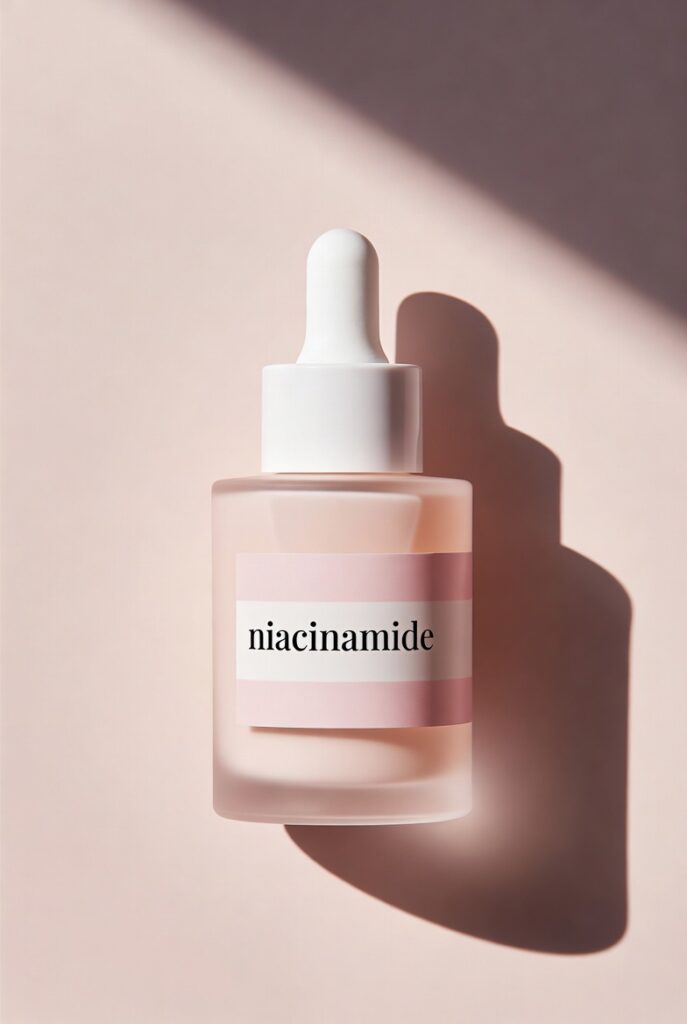
What it does: Niacinamide (vitamin B3) repairs your skin barrier, reduces redness, fades dark spots, and improves elasticity . It is not a dramatic wrinkle-fighter on its own, but it makes every other product work better.
How it works: A healthy skin barrier holds moisture in and keeps irritants out. Niacinamide strengthens that barrier, reducing water loss and inflammation. Less inflammation means less collagen breakdown over time.
How to use it: Use morning and night. It plays well with absolutely everything—retinol, vitamin C, acids, peptides. This is the perfect “add-on” ingredient.
What to look for: Concentrations between 2% and 5% are effective. Higher concentrations (10%) can cause flushing in some people.
Product example: The Ordinary Niacinamide 10% + Zinc 1% (around $6) or Paula’s Choice 10% Niacinamide Booster.
6. Ceramides (The Glue)
What they do: Ceramides are lipids (fats) that naturally exist in your skin barrier, holding your skin cells together like mortar between bricks . As you age, your natural ceramide levels drop, leading to dryness, irritation, and a compromised barrier.
How they work: When you apply a cream with ceramides, you are literally replacing the “glue” that holds your skin together. A strong barrier holds moisture in and keeps wrinkles from looking deeper than they are.
How to use them: Use morning and night in your moisturizer. They are gentle and non-irritating.
What to look for: Ceramide-rich moisturizers often list “ceramide NP,” “ceramide AP,” or “ceramide EOP” on the label.
Product example: CeraVe Moisturizing Cream (the blue tub) or Dr. Jart+ Ceramidin Cream.
Step-by-Step Guide: Building Your Anti Aging Cream Routine
You do not need ten products. Here is a simple, proven routine using the ingredients above.
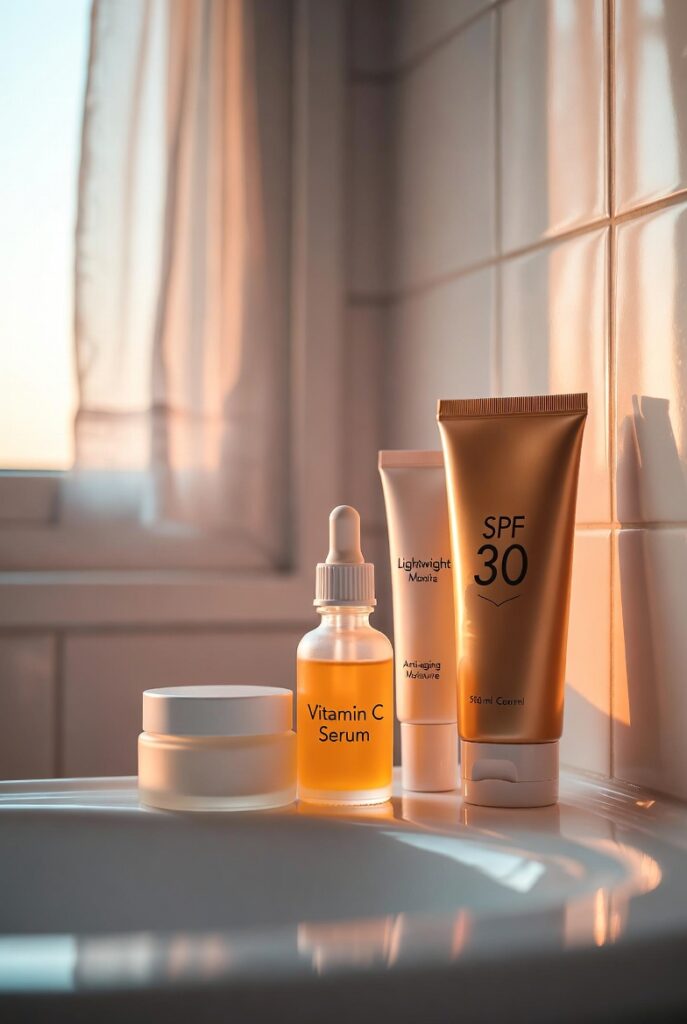
Morning Routine (Protect and Brighten)
Step 1: Gentle Cleanser
Wash your face with a non-stripping, cream or gel cleanser. Do not use hot water.
Step 2: Vitamin C Serum
Apply 3-4 drops to dry skin. Wait 60 seconds for it to absorb.
Step 3: Peptide Serum or Niacinamide (Optional)
If you want extra anti-aging power, layer a peptide serum or niacinamide next.
Step 4: Hyaluronic Acid (If your skin is dry)
Apply to damp skin (spritz with water or facial mist first).
Step 5: Moisturizer with Ceramides
Use a ceramide-rich cream to lock everything in.
Step 6: Sunscreen (SPF 30 or Higher)
This is the most important anti-aging product you own. No cream will help if you skip sunscreen. Use broad spectrum SPF 30 every single day, even indoors and on cloudy days.
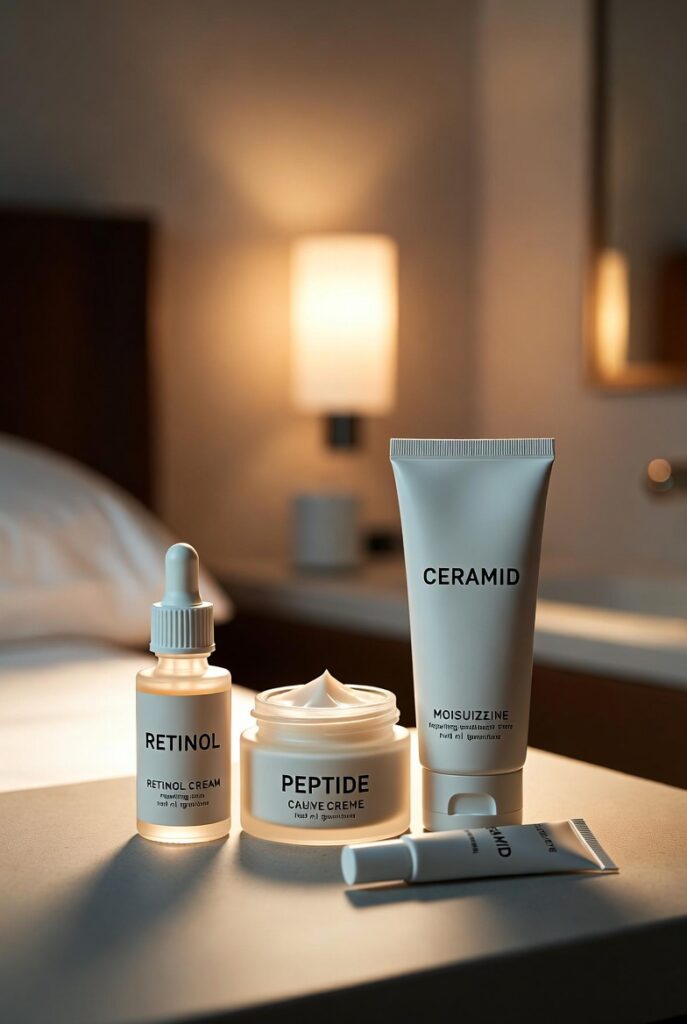
Night Routine (Repair and Regenerate)
Step 1: Double Cleanse
Use an oil cleanser (to remove sunscreen and makeup), then your gentle water-based cleanser.
Step 2: Retinoid (3-5 nights per week)
Apply a pea-sized amount to completely dry skin. Do not use any other actives on these nights. Start with 2 nights per week and slowly increase.
Step 3: Peptide or Niacinamide Serum (On non-retinoid nights)
On nights you are not using retinol, apply your peptide or niacinamide serum.
Step 4: Hyaluronic Acid (Optional)
Apply to damp skin.
Step 5: Thick Night Cream with Ceramides
Use a richer, barrier-repairing moisturizer at night. Your skin repairs itself while you sleep, and it needs raw materials (ceramides, fatty acids) to do that job.
Real-Life Anecdote: The Retinol “Purge” That Almost Made Me Quit
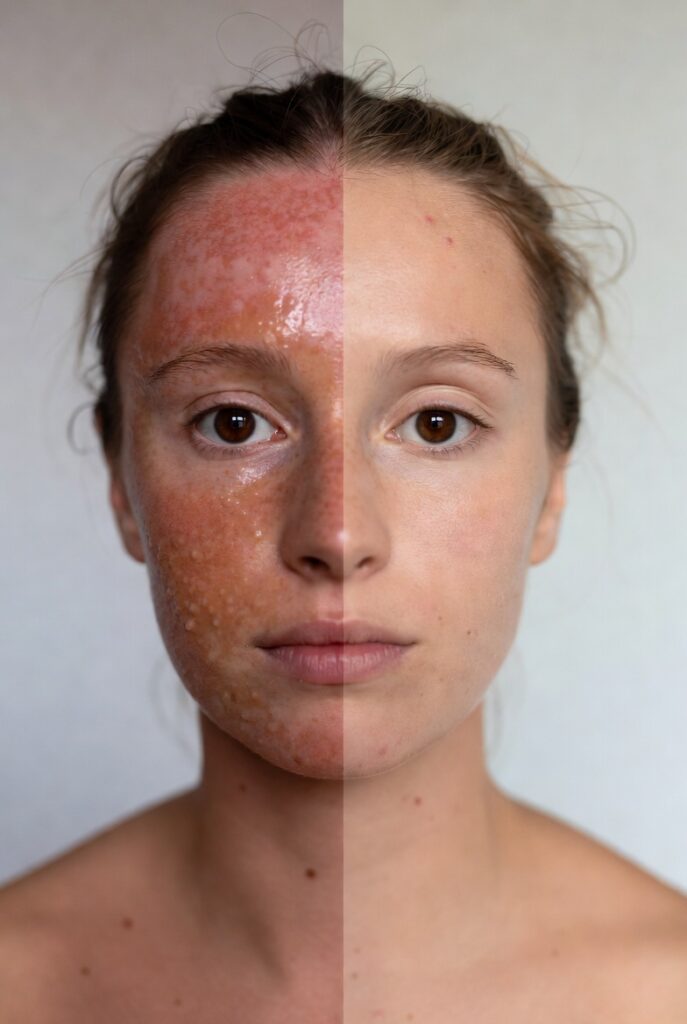
When I first started using a retinol cream, my skin looked terrible for three weeks. I had flaking around my nose, redness on my cheeks, and—ironically—more pimples than I had had in years. I almost threw the bottle away.
But I had read about “retinol purging,” so I pushed through. I dropped down to using it once every 4 nights, added a thicker moisturizer, and stopped using any other active ingredients. By week six, the peeling stopped. By week eight, my skin looked smoother than it had in years. By week 12, a coworker asked if I had gotten a facial.
That experience taught me that anti aging cream results require patience. Retinoids take 6-12 months to show full results. Do not give up after two weeks of irritation. Drop the frequency, buffer with moisturizer, and keep going.
Anecdote: The Sunscreen Skeptic Who Learned the Hard Way
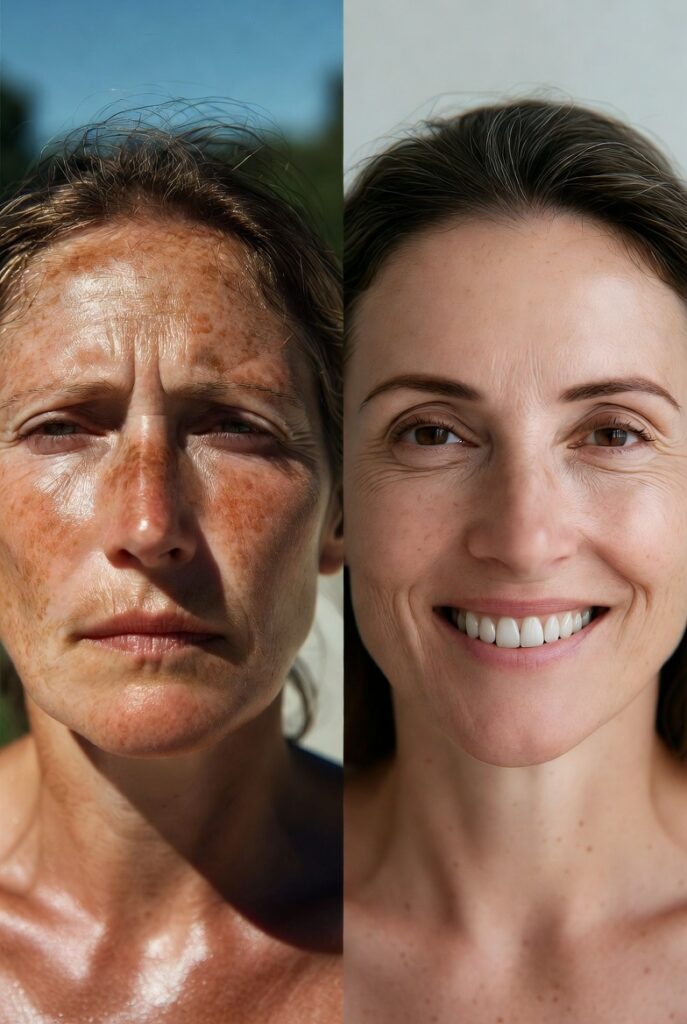
My uncle Tom is 58 years old and looks 70. He has deep wrinkles, leathery skin, and dark spots all over his face and hands. He spent 30 years working construction outdoors without ever wearing sunscreen. “I like the sun,” he always said.
Two years ago, he had a skin cancer removed from his nose. The dermatologist told him that most of his wrinkles and spots were not from aging—they were from sun damage. “You aged your skin 20 extra years,” the doctor said.
Now Tom wears sunscreen every day. He calls me to ask about anti aging cream recommendations. The damage is already done, but he is preventing more.
Do not be like my uncle. Sunscreen is the most effective anti aging product you can buy. No cream will reverse the damage if you keep adding to it.
What to Avoid in an Anti Aging Cream
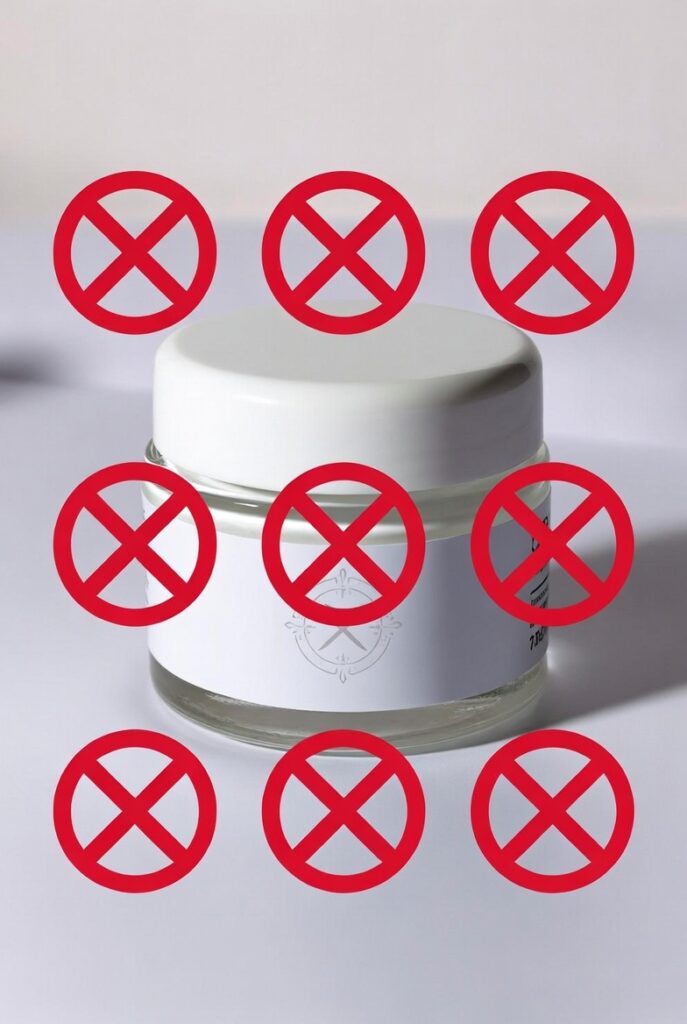
Not everything on the shelf is worth your money. Here is what to skip.
| Avoid This | Why |
|---|---|
| Fragrance | Irritates skin and causes inflammation, which breaks down collagen. Look for “fragrance-free” (not “unscented”—unscented can still have masking fragrances). |
| Denatured alcohol | Strips your skin barrier, causing dryness and irritation. If it is in the top five ingredients, put the bottle back. |
| Essential oils | Lavender, citrus, and peppermint oils are common irritants. They smell nice but damage sensitive skin over time. |
| “Collagen” creams (topical) | Collagen molecules are too large to penetrate your skin. You are just putting protein on your face that washes off. Save your money. |
| Jars (for active ingredients) | Every time you dip your finger into a jar, you introduce air and bacteria. Retinol and vitamin C degrade faster in jars. Pumps and tubes are better. |
How to Layer Anti Aging Cream with Other Products
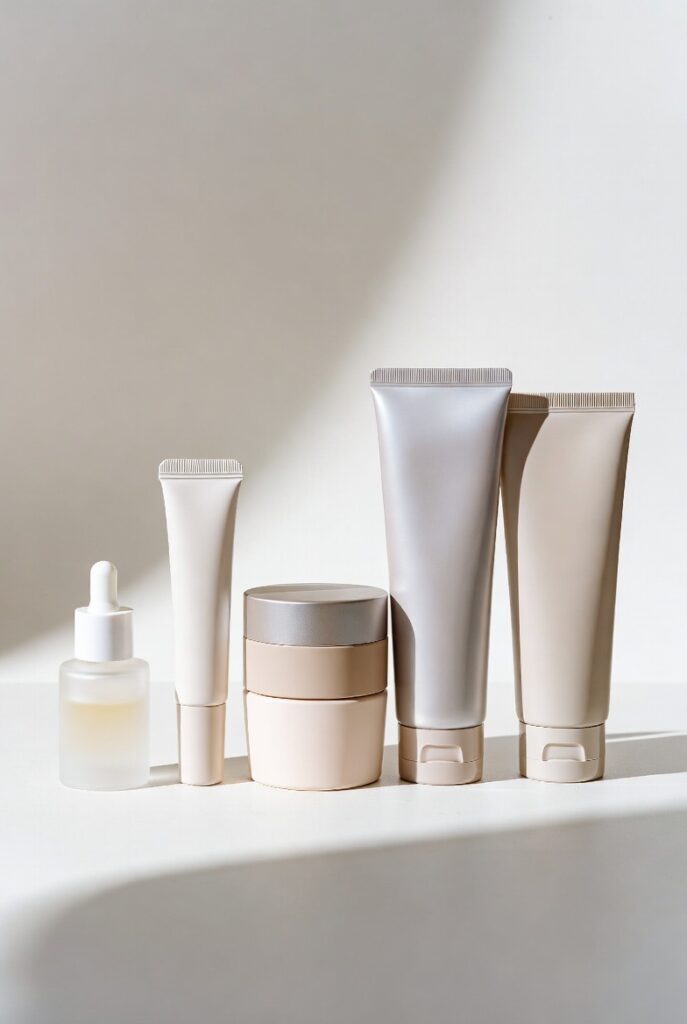
You can use multiple anti aging products, but order matters. Follow this sequence from thinnest to thickest texture.
- Cleanser
- Toner (if using)
- Vitamin C serum (morning only)
- Hyaluronic acid serum (apply to damp skin)
- Niacinamide or peptide serum
- Retinoid (night only, on dry skin)
- Moisturizer with ceramides
- Sunscreen (morning only)
Do not mix these: Do not use retinoids with benzoyl peroxide at the same time—they cancel each other out. Do not use retinoids with AHAs (glycolic, lactic acid) in the same routine unless you have very resilient skin. Use vitamin C in the morning and retinol at night.
The Best Anti Aging Cream for Every Skin Type
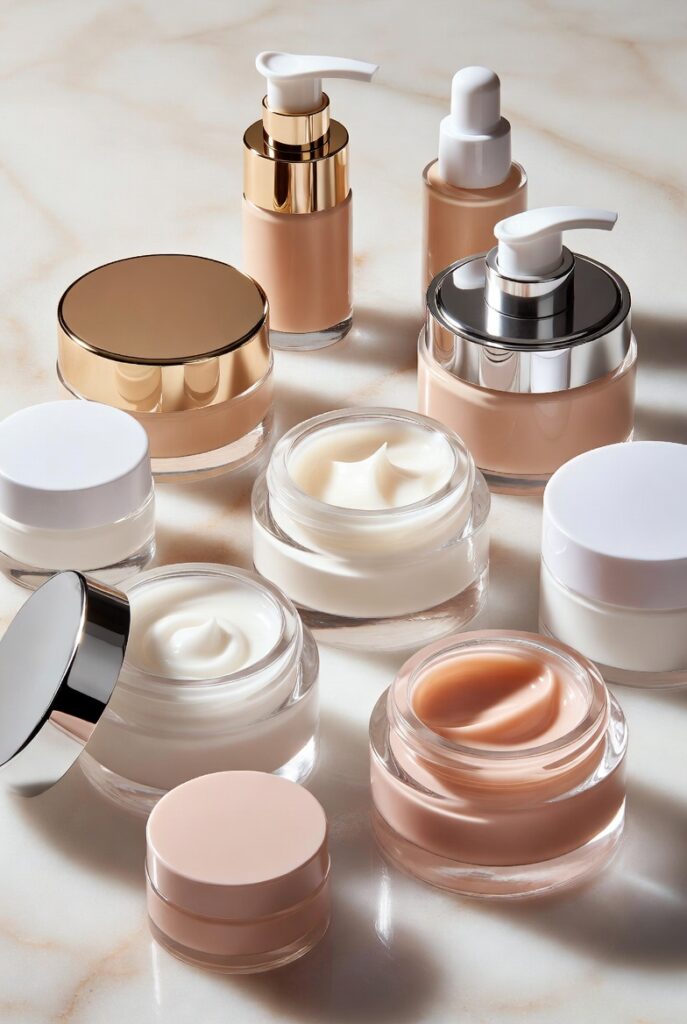
Here is how to choose based on your specific needs.
For Dry Skin
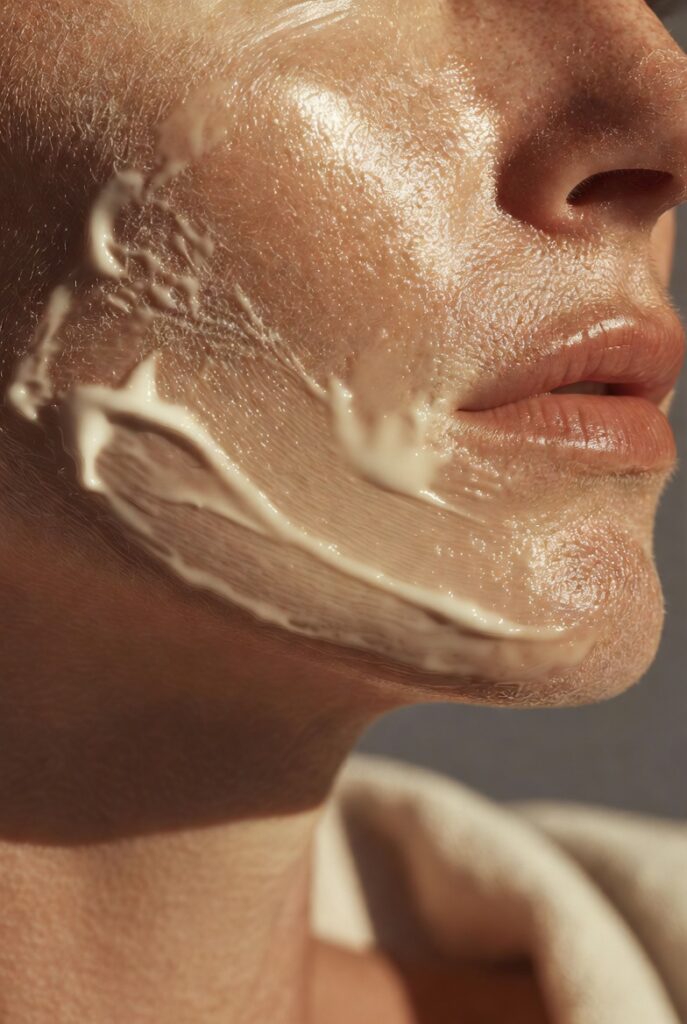
Look for ceramide-rich creams with shea butter and squalane. Avoid gels and lightweight lotions—they will not provide enough moisture.
Top pick: CeraVe Moisturizing Cream (the blue tub) layered over a retinol serum.
For Oily or Acne-Prone Skin
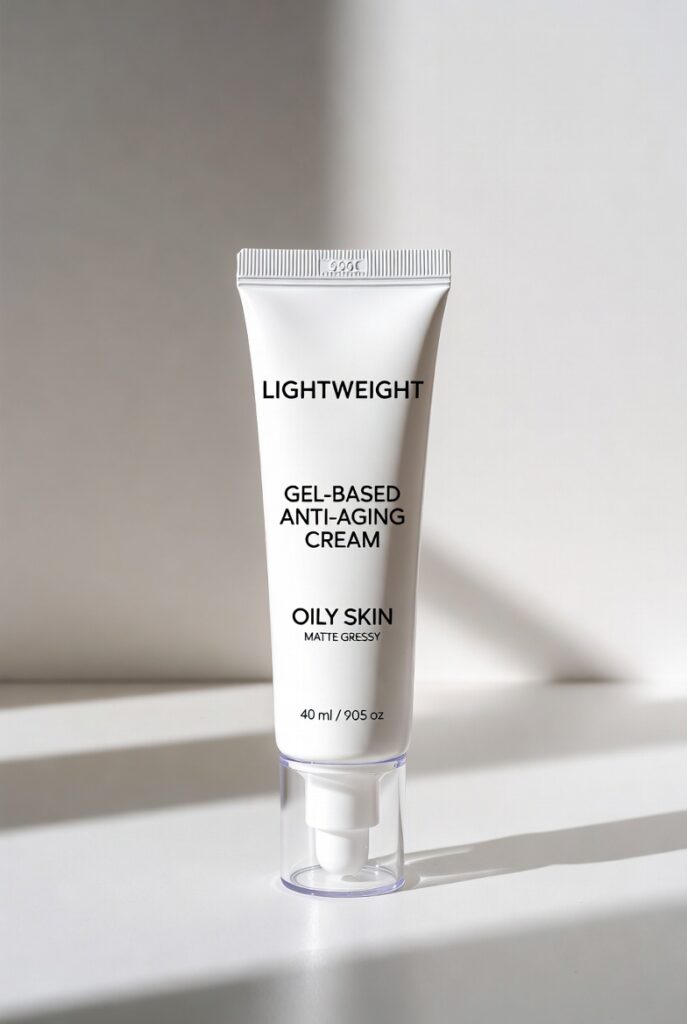
Look for oil-free, non-comedogenic formulas. Retinoids are actually great for both acne and wrinkles, so start with Differin Gel.
Top pick: Differin Gel (adapalene 0.1%) at night + La Roche-Posay Effaclar Mat moisturizer.
For Sensitive Skin
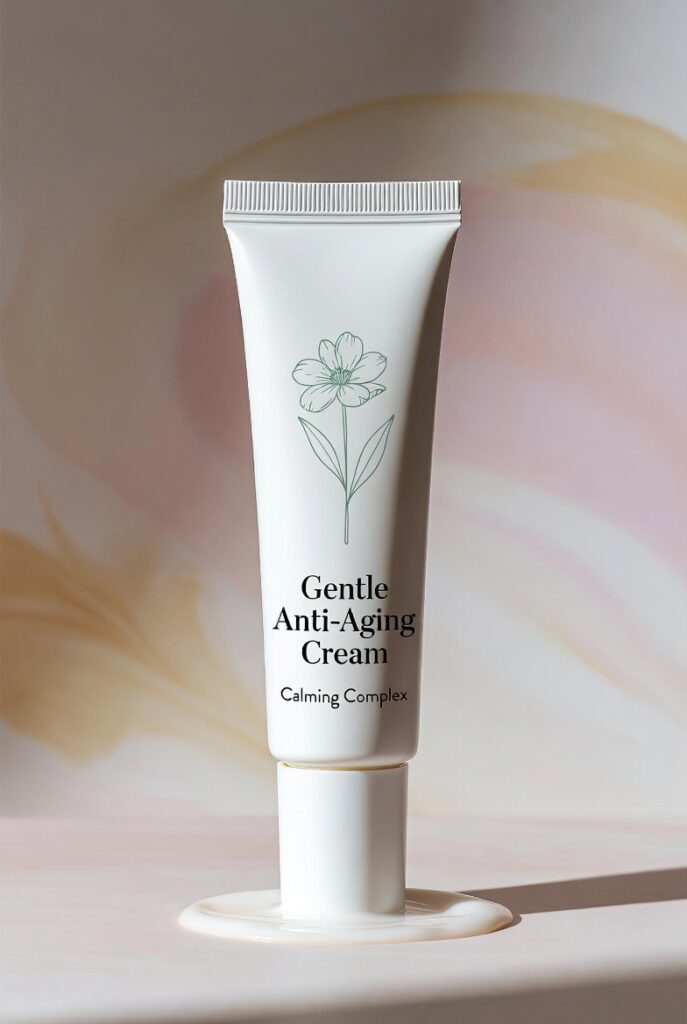
Look for fragrance-free, alcohol-free formulas with niacinamide and ceramides. Use retinol only 1-2 times per week at the lowest concentration.
Top pick: Vanicream Moisturizing Cream + The Ordinary Granactive Retinoid 2% Emulsion (gentler than regular retinol).
For Mature Skin (50+)
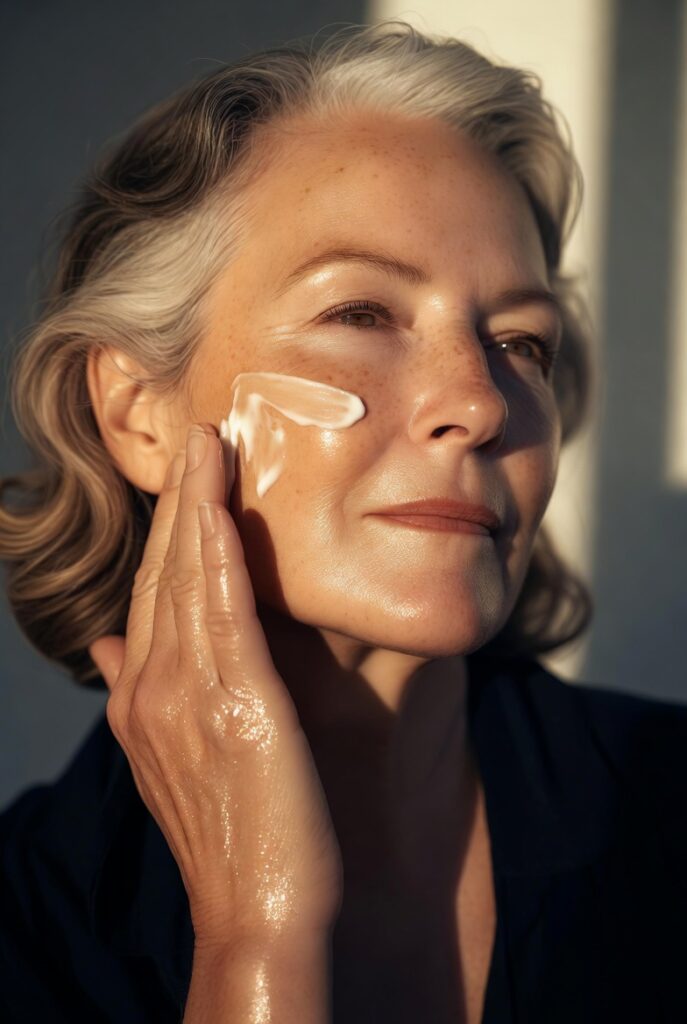
Look for prescription tretinoin (see a dermatologist) plus peptides and ceramides. You need the strongest collagen stimulation possible.
Top pick: Prescription tretinoin 0.025% or 0.05% + SkinMedica TNS Essential Serum (expensive but effective).
How to Buy an Anti Aging Cream With Confidence
Here is how to avoid wasting money on products that do nothing.
- Ignore “medical grade” marketing. There is no legal definition of “medical grade” skincare. It is a marketing term, not a quality guarantee.
- Look for clinical studies. Brands that cite peer-reviewed research (not just “90% of users agreed”) are more trustworthy.
- Start with drugstore brands. CeraVe, La Roche-Posay, Olay, and Neutrogena are dermatologist-recommended and affordable. You do not need a $200 cream.
- Buy from reputable retailers. Sephora, Ulta, Target, Amazon official brand stores, and direct from the brand. Avoid eBay and random Instagram shops.
- Check the expiration date. Active ingredients degrade over time. Do not buy “clearance” skincare that expires next month.
- Use return policies. Ulta, Sephora, and Target accept returns on used skincare. If a product breaks you out or does nothing, send it back.
Frequently Asked Questions (FAQ)
1. At what age should I start using an anti aging cream?
Start in your 20s with sunscreen and a basic moisturizer. In your 30s, add a retinoid and vitamin C. Prevention is much easier than reversal. That said, it is never too late to start—even in your 60s, retinoids improve skin texture and firmness.
2. Does expensive anti aging cream work better than drugstore?
Not necessarily. The active ingredients (retinol, vitamin C, peptides, ceramides) are the same regardless of price. You are often paying for nicer textures, better packaging, and fragrance. Many dermatologists use CeraVe and La Roche-Posay themselves.
3. How long until I see results from an anti aging cream?
Retinoids: 6-12 months for significant wrinkle reduction. Vitamin C: 4-8 weeks for brightness. Peptides: 8-12 weeks for firmness. Hyaluronic acid: immediate plumping (temporary). Be patient—good things take time.
4. Can I use an anti aging cream around my eyes?
Yes, but carefully. The skin around your eyes is thinner and more sensitive. Use a small amount and avoid getting product in your eye. Many brands make eye-specific creams with lower concentrations of actives.
5. Why does my anti aging cream make my face peel?
That is likely retinoid irritation. It is common when you start. Reduce frequency (use every 3-4 nights), apply to completely dry skin (water increases absorption and irritation), and “sandwich” it between moisturizer (moisturizer, then retinol, then more moisturizer). The peeling usually stops after 4-6 weeks.
Conclusion
I still have those fine lines around my eyes. They did not disappear completely. That is not how anti aging cream works. But they are softer now. My skin is firmer, brighter, and smoother than it was three years ago. And I know that with consistent care, I am slowing down the clock as much as possible.
Here is the honest truth: No cream will make you look 20 again. But the right anti aging cream—used correctly and consistently—can make you look like the best version of your current age. And that is worth celebrating.
Start with the basics: sunscreen every single day, a retinoid at night, vitamin C in the morning, and a ceramide-rich moisturizer. That is your core routine. Everything else is extra.
Do not wait until you see deep wrinkles to start. Begin today. Buy a retinol serum (CeraVe or Differin), a vitamin C serum (Timeless or The Ordinary), and a sunscreen you will actually wear. Use them consistently for six months. Take a “before” photo now and an “after” photo later.
You will see the difference. And more importantly, you will feel the difference—in how your skin looks, how it feels, and how you feel about yourself when you look in the mirror.
Your future self is watching. Give her the gift of healthy, well-cared-for skin. Go ahead and buy that anti aging cream today. Start tonight. Your wrinkles will thank you