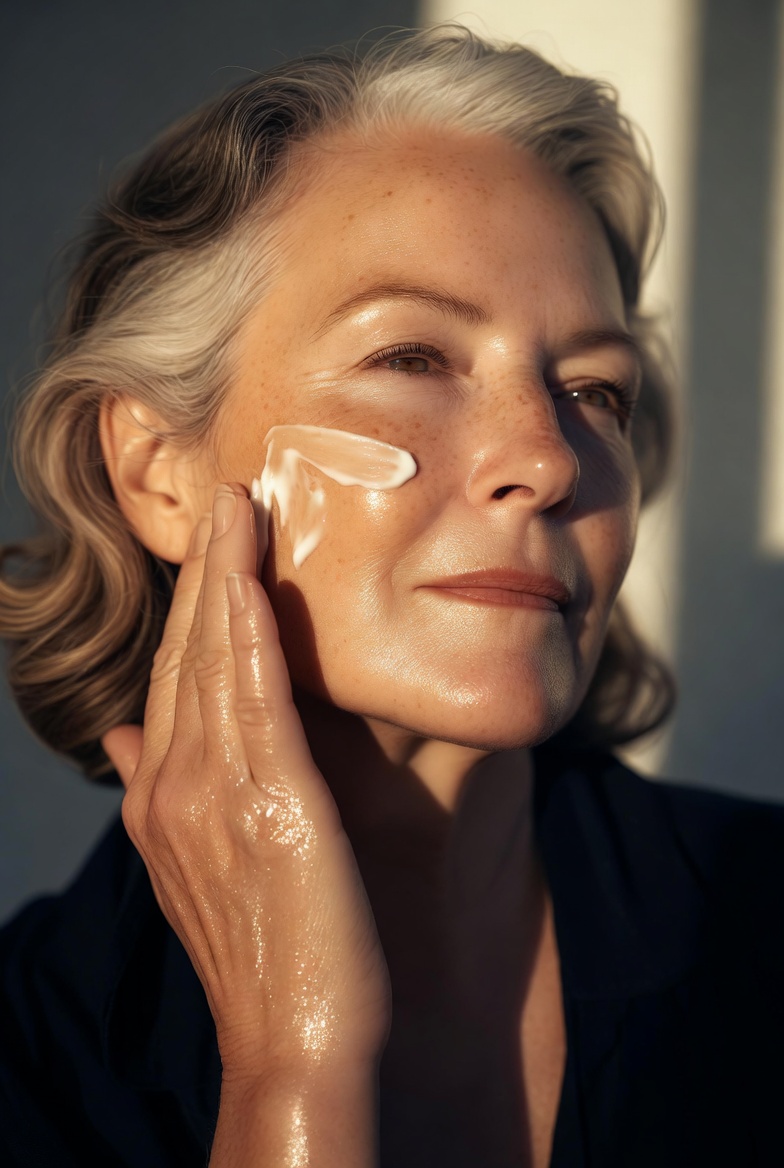

Korean glass skin is not about making the face look greasy or covering it with heavy layers of skincare. It refers to skin that appears clear, smooth, hydrated, balanced, and naturally luminous. For oily skin, achieving this look requires a careful balance. The skin needs enough hydration to stay comfortable, but the products should not feel heavy or clog the pores.
A good glass skin routine does not need ten expensive products. A gentle cleanser, hydrating toner, lightweight serum, oil-free moisturizer, and daily sunscreen are enough to build a strong foundation. Dermatologists generally recommend gentle cleansing, oil-free products, and formulas labeled “non-comedogenic” for oily or acne-prone skin.
This seven-day Korean-inspired routine is designed to reduce excess shine, support the skin barrier, and create a healthier-looking glow without over-exfoliating the skin.
What You Need for This Routine
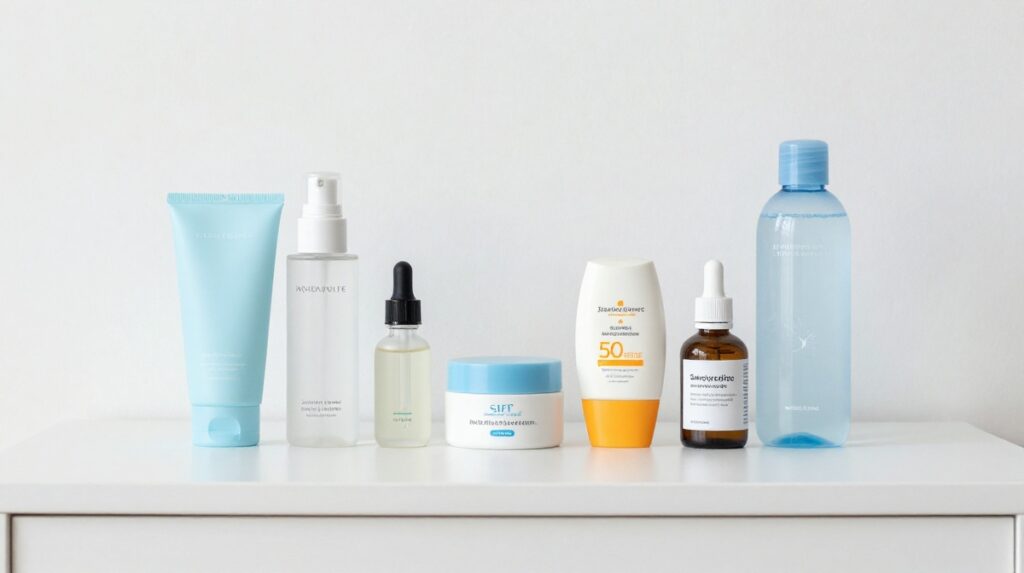
Prepare the following basic products before beginning:
- Gentle foaming or gel cleanser
- Hydrating toner without alcohol
- Lightweight hydrating essence
- Niacinamide or hydrating serum
- Oil-free gel moisturizer
- Broad-spectrum sunscreen with SPF 30 or higher
- Salicylic acid product for occasional exfoliation
- Cleansing oil, balm, or micellar water for removing makeup and sunscreen
Choose lightweight products labeled “oil-free,” “non-comedogenic,” or “will not clog pores.” Oily skin can still become dehydrated, so skipping moisturizer is not recommended. A suitable moisturizer can reduce dryness and irritation, particularly when exfoliating or acne-treatment products are being used.
Before applying a new skincare product to the entire face, test it on a small area. The American Academy of Dermatology recommends testing new products for seven to ten days to check for redness, itching, swelling, or irritation.
Morning Routine for All Seven Days
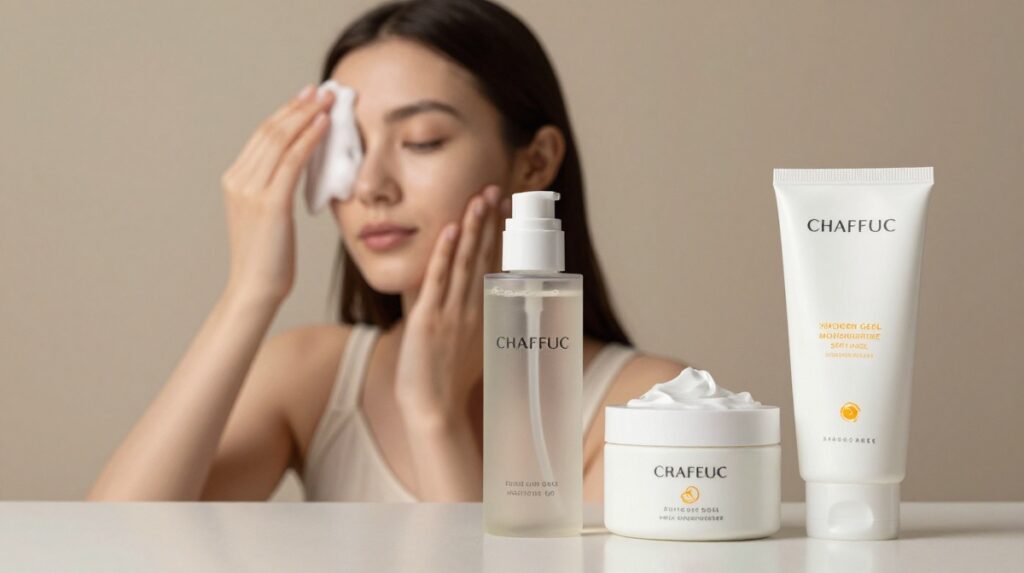
Follow the same simple morning routine throughout the week.
Step 1: Cleanse Gently

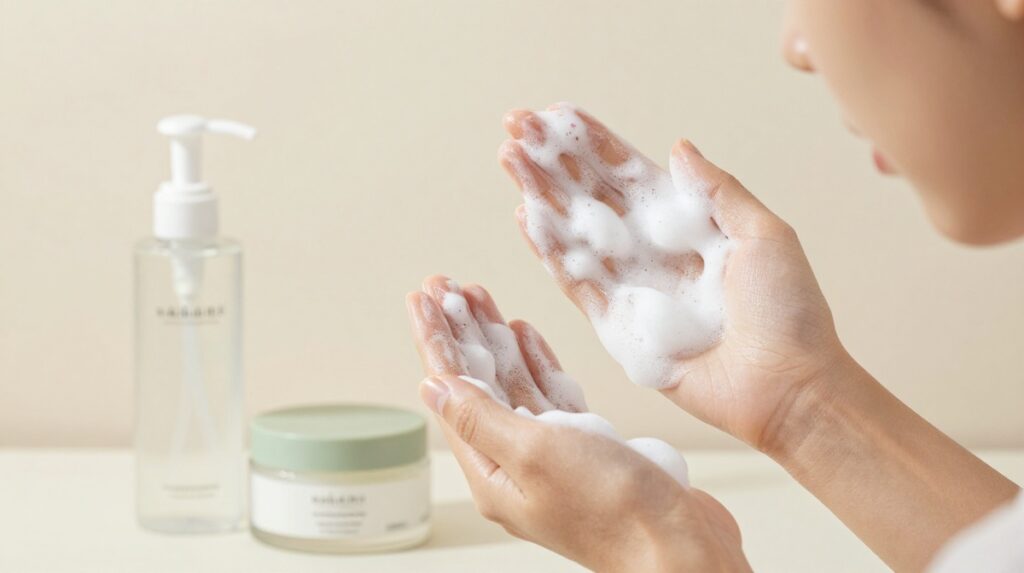
Wash the face with a gentle foaming or gel cleanser. Use lukewarm water and massage the cleanser into the skin using light circular movements.
Avoid scrubbing brushes, rough washcloths, and harsh cleansing soaps. Washing the face too frequently can irritate acne-prone skin. Dermatologists generally recommend cleansing twice daily and after heavy sweating.
Also Read: Korean Makeup Tutorial for Beginners
Step 2: Apply a Hydrating Toner
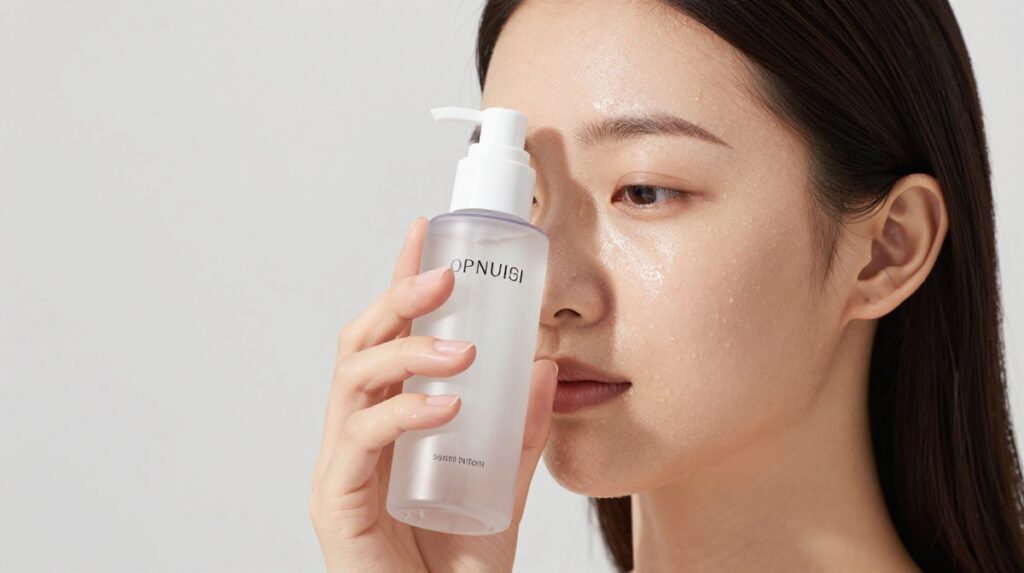
Pat a lightweight, alcohol-free toner onto slightly damp skin. Look for soothing and hydrating ingredients rather than strong exfoliating acids.
The toner should leave the skin feeling comfortable, not tight, sticky, or irritated. One thin layer is usually enough for oily skin.
Step 3: Use a Lightweight Serum

Apply two or three drops of a lightweight serum. A niacinamide or simple hydrating serum can be included, depending on how the skin responds.
Do not use several active serums together. Introducing too many products at the same time may irritate the skin and make it difficult to identify which product is causing a reaction.
Step 4: Moisturize
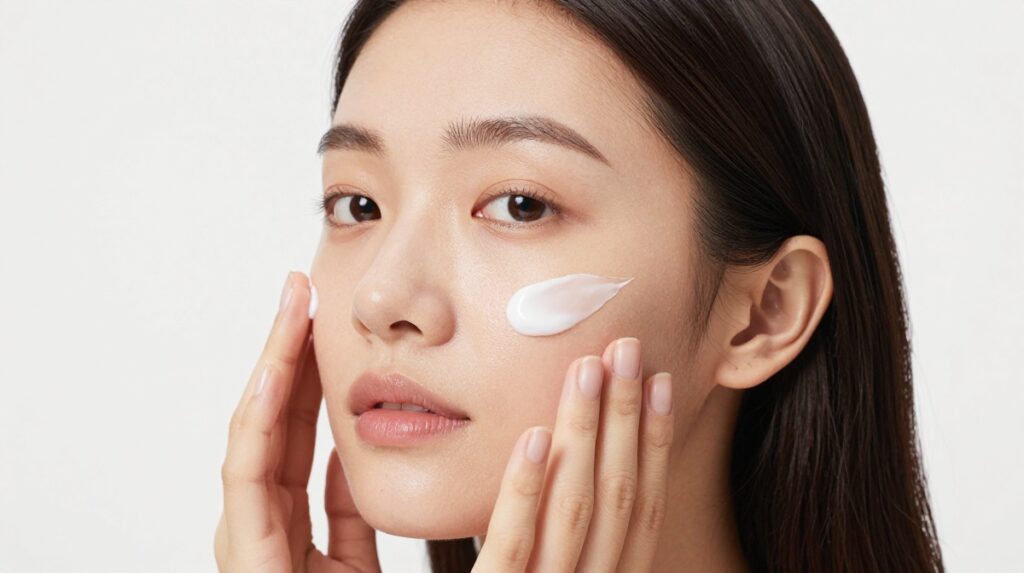
Use a small amount of oil-free gel moisturizer. Apply it evenly across the face rather than using a thick layer.
Moisturizer supports the skin barrier and helps prevent the dryness that can occur after cleansing or exfoliation. Even oily and acne-prone skin may benefit from daily moisturizing.
Step 5: Apply Sunscreen

Finish with a lightweight, broad-spectrum sunscreen offering SPF 30 or higher. Apply it after the other skincare products and before makeup.
Daily sunscreen is an essential part of a glass skin routine because sun exposure can contribute to uneven tone, dark marks, and premature skin aging. The American Academy of Dermatology recommends broad-spectrum, water-resistant sunscreen with SPF 30 or higher.
Day 1: Reset and Simplify
Evening Routine
Begin the week with a simple skin reset.
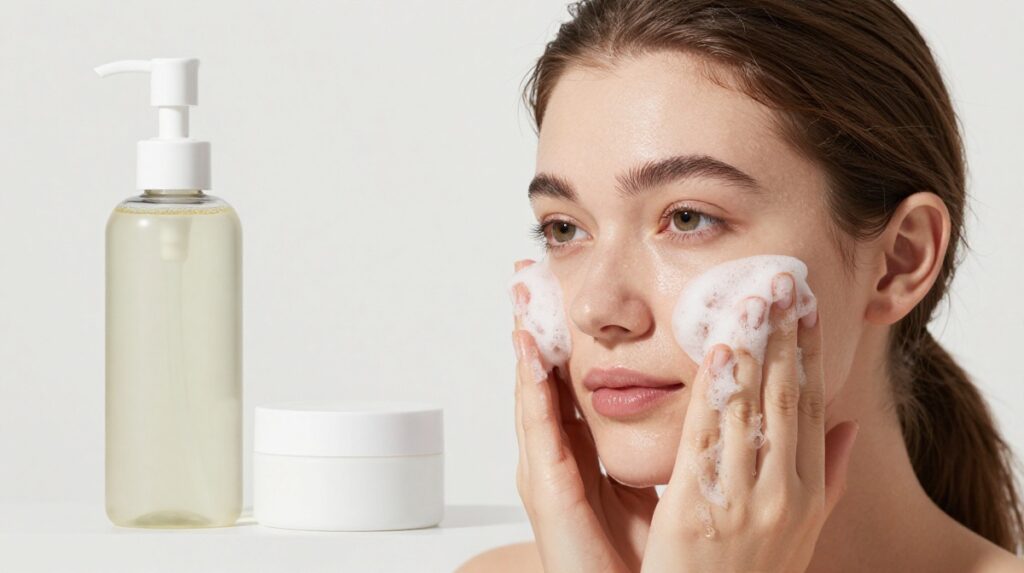
Remove makeup and sunscreen with micellar water, cleansing balm, or cleansing oil. Follow with a gentle water-based cleanser. People who did not wear makeup or water-resistant sunscreen may only need the gentle cleanser.
Apply a hydrating toner, followed by a lightweight gel moisturizer. Do not exfoliate or apply strong active ingredients tonight.
The purpose of Day 1 is to observe how the skin behaves with a basic routine. Pay attention to excessive tightness, redness, itching, or burning.
Day 2: Focus on Hydration
Evening Routine
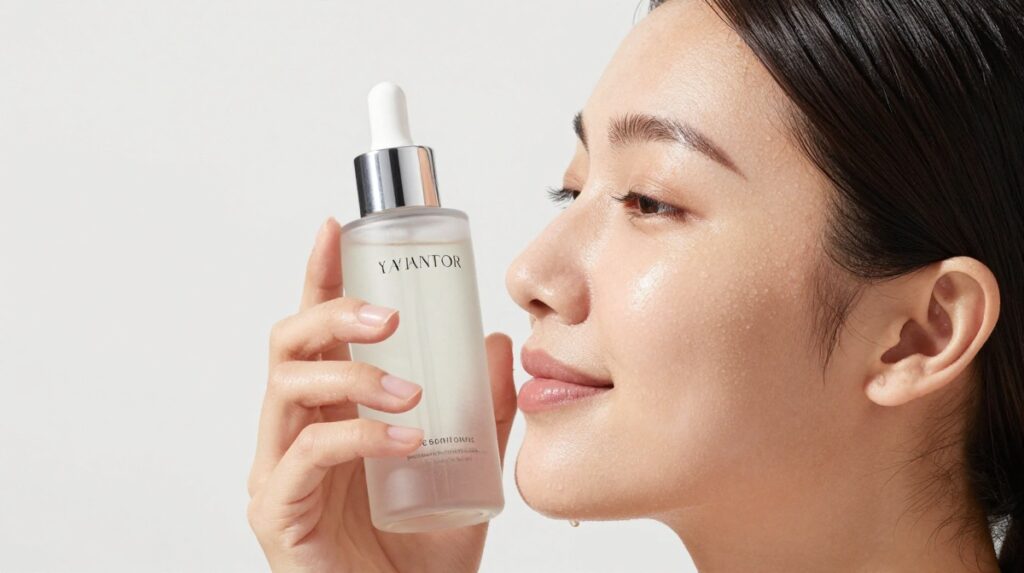
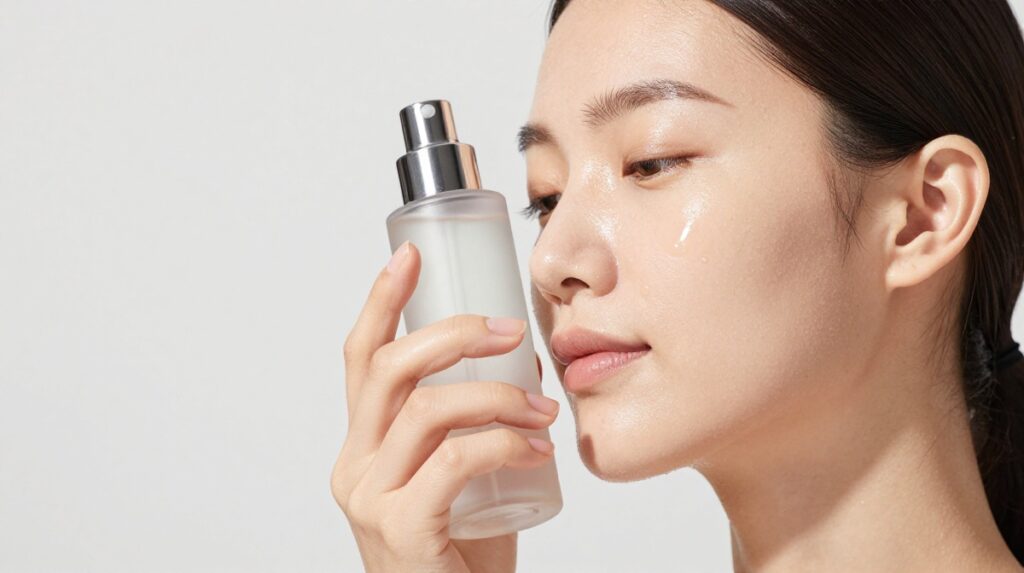
Cleanse the skin and apply a hydrating toner. Add a lightweight essence or hydrating serum while the skin is still slightly damp.
Finish with an oil-free moisturizer.
Hydration should not make oily skin feel greasy. Use thin layers and allow each product to absorb before applying the next one. Avoid repeatedly layering toner if the face begins to feel sticky or congested.
The skin should feel soft and comfortable by the end of the routine.
Day 3: Gentle Pore-Care Night
Evening Routine
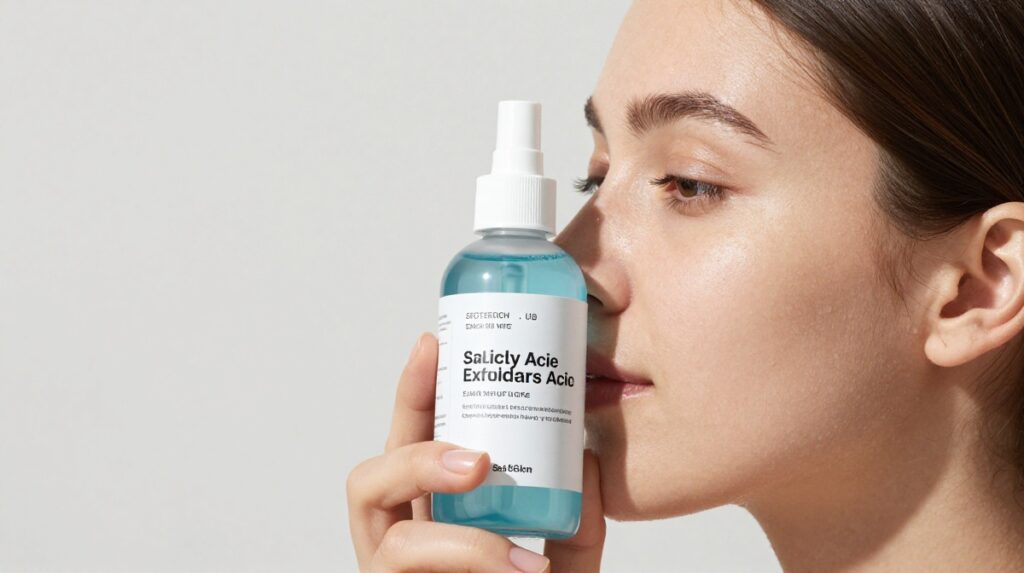
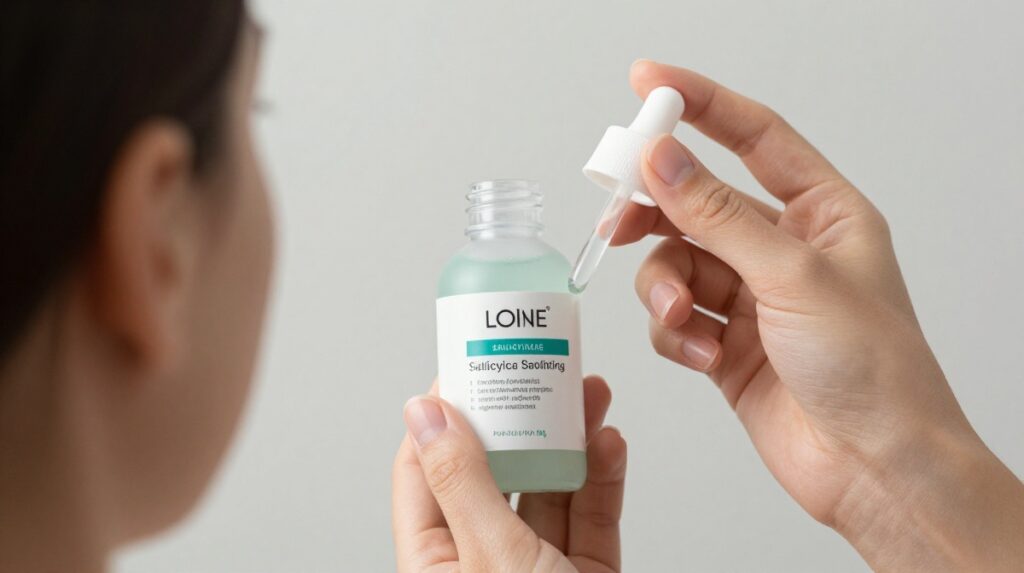
After cleansing, apply a salicylic acid product if the skin has previously tolerated it. Use only one exfoliating product and follow its label instructions.
Do not apply a scrub, peeling solution, retinol, or another exfoliating acid during the same routine. Using several active products together can increase dryness and irritation. Dermatologists advise introducing only one or two acne-care products at a time rather than overwhelming the skin with multiple treatments.
Finish with a lightweight moisturizer. Stop using the exfoliating product if the skin develops strong burning, swelling, or persistent redness.
People with very sensitive skin may skip exfoliation completely and repeat the hydrating routine from Day 2.
Day 4: Skin-Barrier Recovery
Evening Routine
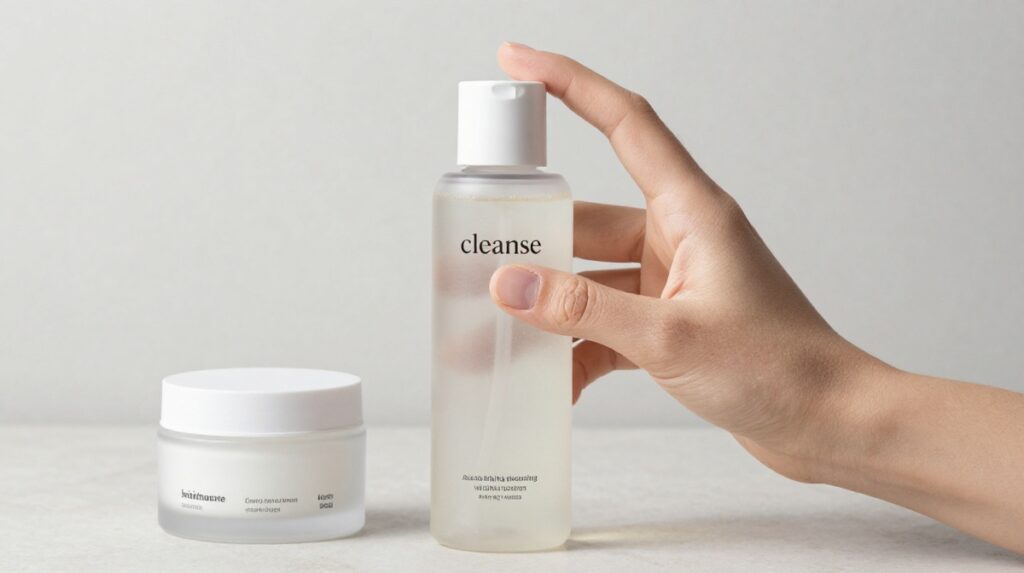
Day 4 is a recovery night.
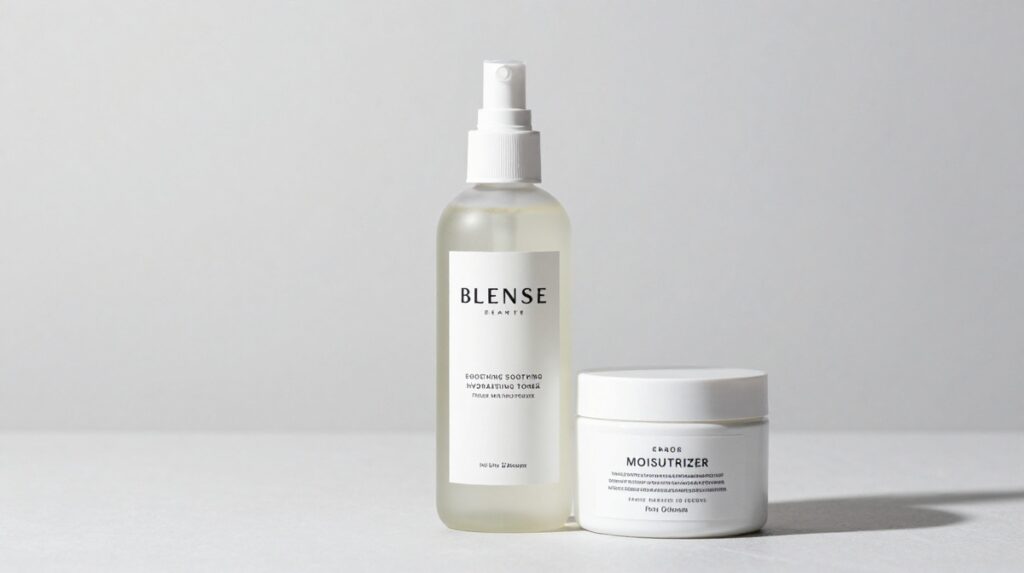
Cleanse gently, apply a soothing hydrating toner, and finish with moisturizer. Avoid exfoliating acids, scrubs, cleansing brushes, and strong masks.
Look for simple moisturizing products rather than formulas containing several active ingredients. The goal is to keep the routine calm and allow the skin barrier to recover after the previous evening.
A healthy glow usually develops through consistency, not aggressive exfoliation.
Day 5: Bright and Balanced Skin

Evening Routine

Cleanse the face and apply the hydrating toner. Follow with a lightweight niacinamide or hydrating serum that the skin has already tolerated.
Apply only a small amount of serum. More product does not automatically produce faster results.
Seal the routine with a gel moisturizer. Avoid using a new serum for the first time immediately before an important event because irritation can occur unexpectedly.
Day 6: Deep Hydration Without Heaviness

Evening Routine
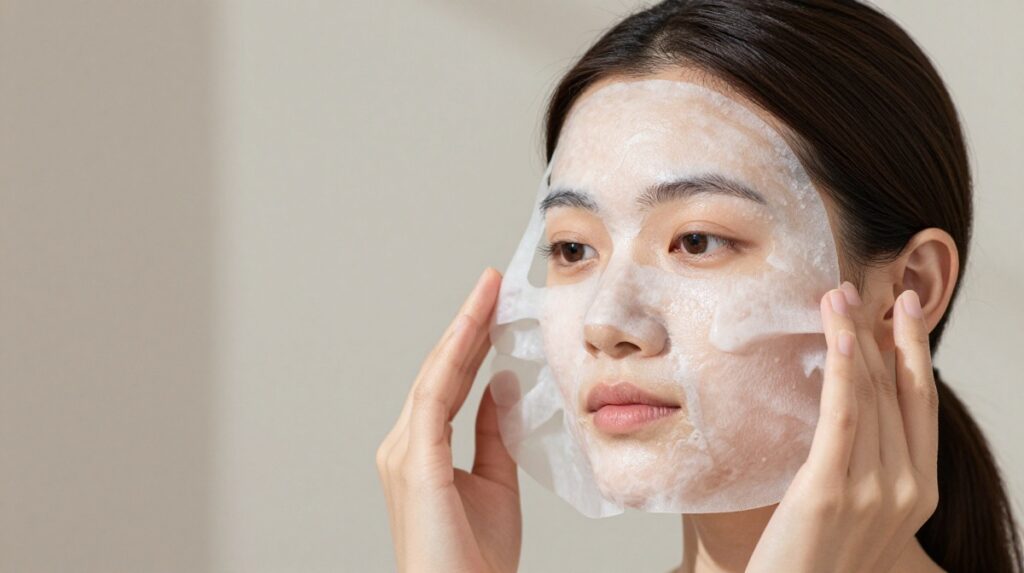
Remove sunscreen or makeup and cleanse the skin. Apply a hydrating toner followed by a lightweight essence or serum.
People who enjoy sheet masks may use a simple hydrating mask, but it is optional. Choose a fragrance-free or low-fragrance formula and avoid masks containing strong acids or irritating ingredients.
Remove the mask according to the instructions. Do not leave it on until it becomes completely dry. Gently pat in the remaining essence and apply a thin layer of moisturizer if needed.
Avoid sleeping in a regular sheet mask unless the product is specifically designed as an overnight treatment.
Day 7: Evaluate and Maintain
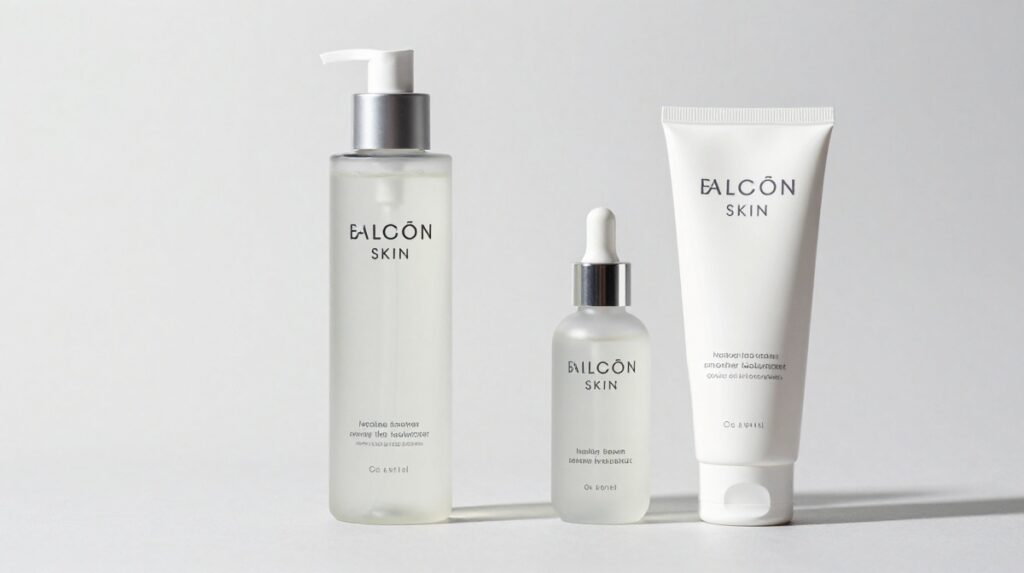
Evening Routine
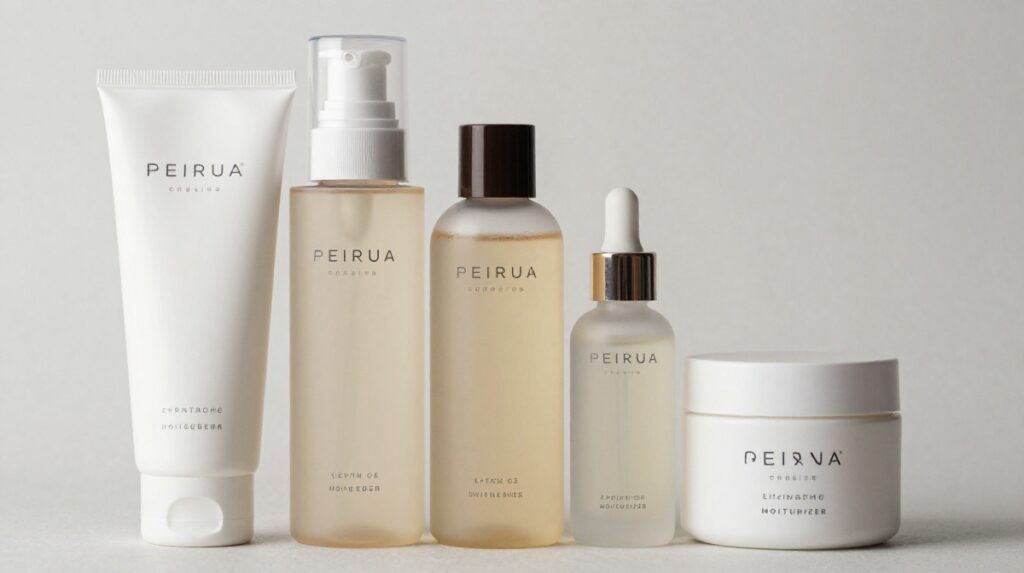
Complete the week with the basic routine:
- Gentle cleanser
- Hydrating toner
- Lightweight serum or essence
- Oil-free moisturizer
Look closely at how the skin has responded during the week. Healthy signs include comfortable skin, less tightness, a smoother appearance, and a balanced glow.
Do not expect acne scars, pigmentation, enlarged-looking pores, or active breakouts to disappear within seven days. The first week is mainly about establishing a routine that the skin can tolerate. Consistent improvements usually require more time.
Important Glass Skin Tips for Oily Skin
Do Not Wash Away Every Trace of Oil

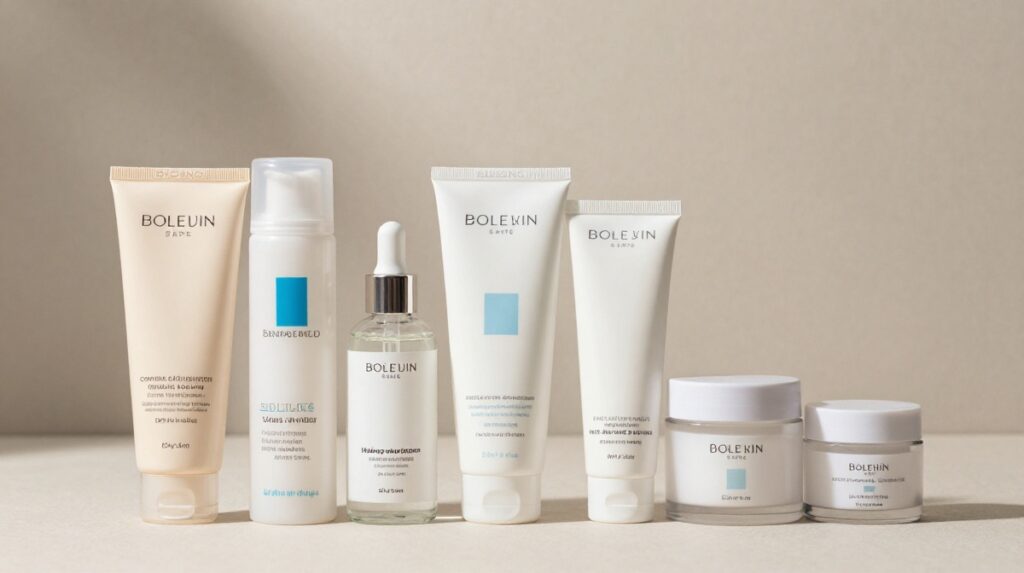
A completely tight or squeaky-clean feeling does not mean the skin has been cleaned properly. It may indicate that the cleanser is too harsh.
Use a gentle cleanser and avoid washing more than twice daily unless the face becomes sweaty. Overwashing may irritate oily and acne-prone skin.
Avoid Harsh DIY Remedies
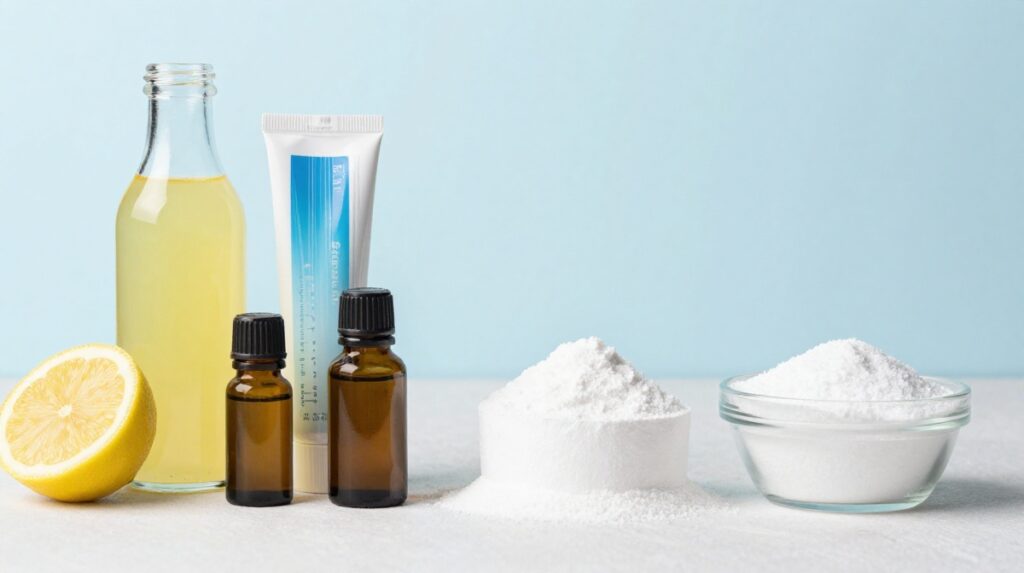
Lemon juice, toothpaste, baking soda, undiluted essential oils, and rough sugar scrubs should not be part of the routine. Viral home remedies can irritate the skin and may worsen existing marks or breakouts.
Introduce One Active at a Time
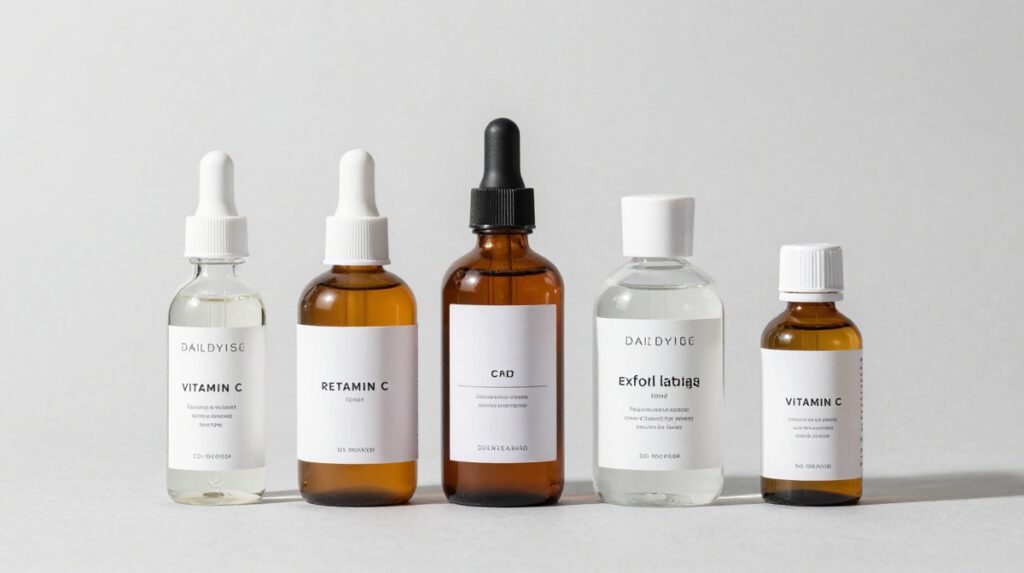
Do not start salicylic acid, retinol, vitamin C, exfoliating toner, and a strong mask during the same week. Start slowly and observe the skin’s response.
Anyone already using a retinoid should follow the product instructions or a dermatologist’s advice. Retinoids may cause irritation, so dermatologists often recommend beginning with a lower-strength product and using it less frequently. Retinoids should also be avoided during pregnancy unless a qualified medical professional advises otherwise.
Never Skip Sunscreen

Exfoliating and brightening products cannot produce an even-looking complexion if the skin remains unprotected from the sun.
Apply sunscreen every morning and reapply it according to the product directions, especially when spending extended periods outdoors. Remember the ears, neck, and other exposed areas.
Common Mistakes to Avoid
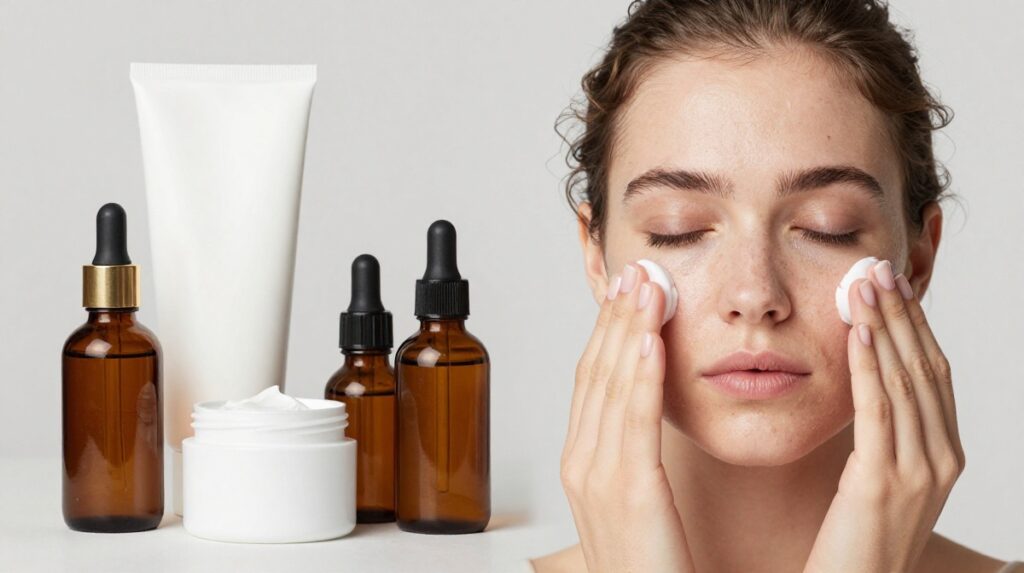
The most common mistake is using too many products. A complicated routine is not always better than a simple one.
Other mistakes include:
- Exfoliating every day
- Skipping moisturizer because the skin is oily
- Sleeping with makeup on
- Using heavy oils on acne-prone skin
- Applying thick layers of every product
- Changing the complete routine after one breakout
- Squeezing blackheads and pimples
- Expecting permanent results within seven days
Products labeled non-comedogenic are generally better suited to oily and breakout-prone skin, although individual reactions can still occur.
Final Thoughts
A successful Korean glass skin routine for oily skin should make the face feel hydrated, fresh, and balanced rather than greasy or overloaded. The best results come from gentle cleansing, controlled exfoliation, lightweight hydration, and consistent sun protection.
Use the seven-day plan as a starting point rather than a quick cure. Continue the basic routine after the first week and adjust only one product at a time. Persistent acne, painful breakouts, severe irritation, or sudden changes in oil production should be evaluated by a qualified dermatologist.